
 Worksheets
unit test for sts
Total questions: 82
Worksheet time: 41mins

Much of the events where advancements in science and technology changed people's perceptions and beliefs happened in a period now known as the _________.
Intellectual Revolution
Industrial Revolution
Middle Ages
Renaissance

The options list is missing, please provide it.
How society was transformed by science and technology
How wars were fought
How art was created
How sports evolved
According to the passage, who was the famous philosopher and astronomer that stated the planets, as well as the sun and the moon, moved in circular motion around the Earth?
Claudius Ptolemy
Nicolaus Copernicus
Galileo Galilei
Johannes Kepler
What is the concept called when the Earth is believed to be at the center of the universe?
Geocentrism
Heliocentrism
Anthropocentrism
Polycentrism
In the geocentric model, the sun is at the center of the universe.
True
False
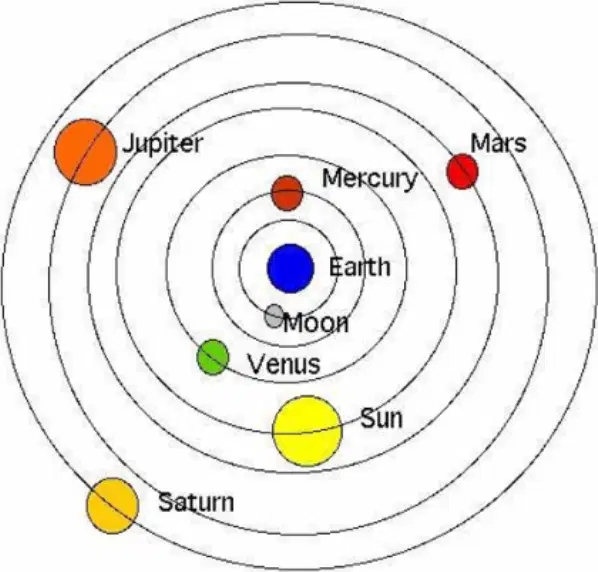
Which of the following celestial bodies is shown closest to the Earth in the geocentric model diagram?
Sun
Moon
Jupiter
Saturn
The geocentric theory accounted for the existence of days and nights by stating that:
the Sun revolves around the Earth, causing day and night.
the Earth rotates on its axis, causing day and night.
the Moon blocks sunlight at intervals, causing day and night.
the stars move around the Earth, causing day and night.
According to the passage, who introduced the concept of heliocentrism?
Nicolaus Copernicus
Claudius Ptolemy
Galileo Galilei
Isaac Newton
What does the concept of heliocentrism suggest?
The Earth is the center of the Solar System
The Sun is the center of the Solar System
The Moon is the center of the Solar System
Jupiter is the center of the Solar System
True or False: The Copernican model was immediately accepted by the public when it was introduced.
True
False
Why was Copernicus persecuted for his teachings?
Because his teachings were against what was widely accepted by religion.
Because he refused to publish his findings.
Because he was a political leader.
Because he tried to overthrow the government.
What did the Copernican model simplify for astronomers?
It simplified the orbits for planets.
It made the stars appear brighter.
It explained the phases of the Moon.
It predicted solar eclipses more accurately.
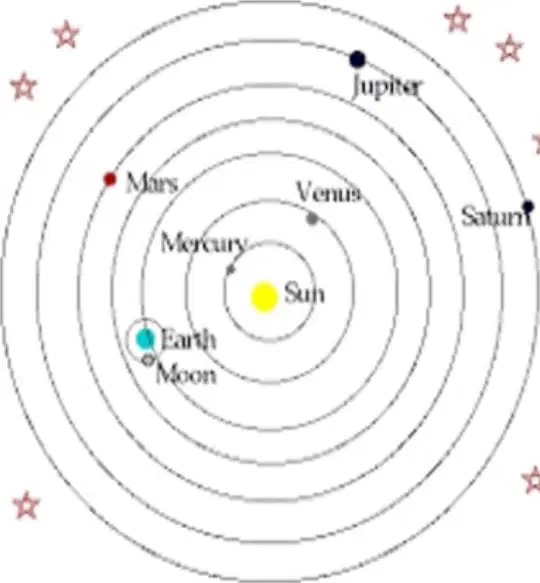
Look at the diagram of the heliocentric model. Which planet is shown closest to the Sun?
Mercury
Venus
Earth
Mars
According to Kepler's Law of Planetary Motion, all planets revolve around the sun not in circular orbits but in ________ orbits.
elliptical
rectangular
triangular
parabolic
According to Kepler's Law of Planetary Motion, the closer a planet is to the sun, the ________ it moves.
faster
slower
colder
larger
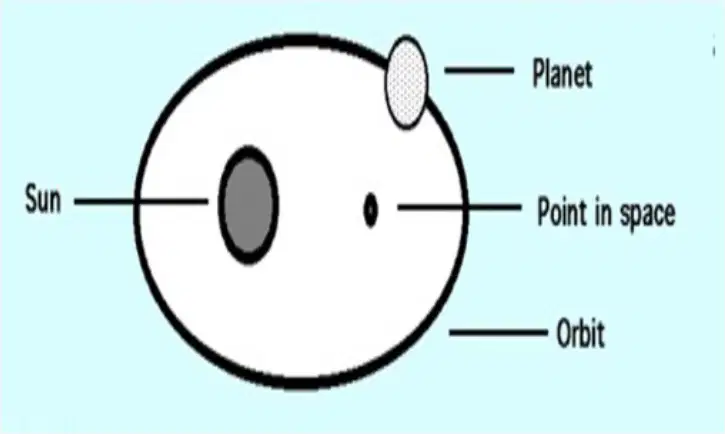
In the given diagram of a planet's orbit, which label corresponds to the Sun?
Label on the left side
Label on the right side
Label at the top
Label at the bottom
Read the passage about the Darwinian Revolution. Who published the book 'On the Origin of Species' in 1859?
Charles Darwin
Isaac Newton
Albert Einstein
Gregor Mendel
What is the process called in which only the fittest organisms survive and adapt to their environment?
natural selection
photosynthesis
mutation
osmosis
Read the passage about the Darwinian Revolution. True or False: The theory of evolution was immediately accepted by everyone when it was introduced.
True
False
The main reason the theory of evolution became controversial was:
It conflicted with religious beliefs
It was not supported by any scientific evidence
It was first proposed in the 21st century
It promoted the idea of a flat Earth
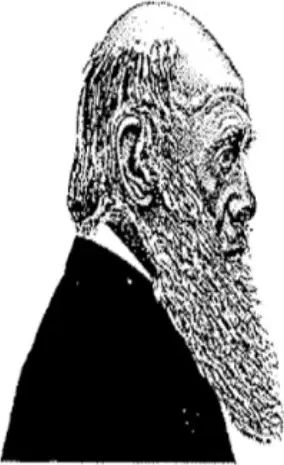
This image symbolizes which concept in the context of Darwin's theory?
Natural selection
Genetic drift
Artificial selection
Lamarckism
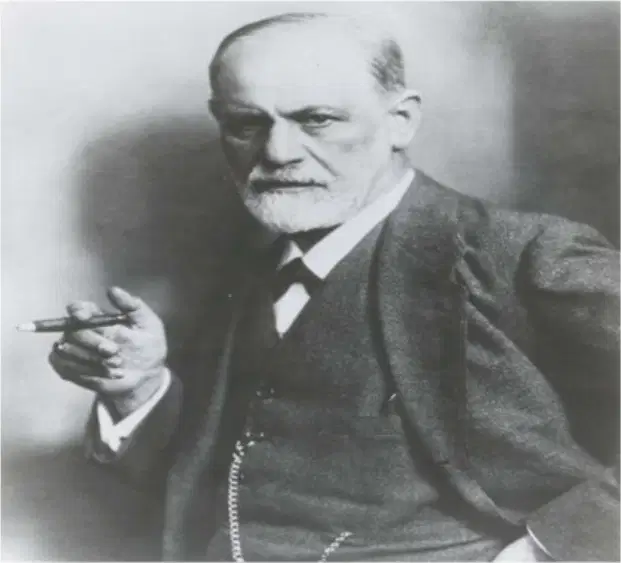
Who was able to change people's perception of psychology with his revolutionary theory of psychoanalysis?
Sigmund Freud
Ivan Pavlov
B.F. Skinner
Jean Piaget
What are the three conflicting elements of personality according to Freud's theory?
id, ego, and superego
conscious, preconscious, and unconscious
reality, fantasy, and morality
pleasure, reality, and morality
Read the passage about the Freudian Revolution. True or False: Freud's theory of psychoanalysis explains that only conscious factors influence behavior and emotions.
True
False
In which century did Sigmund Freud introduce his theory of psychoanalysis?
17th century
18th century
19th century
20th century
What was psychology classified under before Freud's influence?
Philosophy
Biology
Mathematics
Chemistry
Freud's theory of psychoanalysis changed the perception of psychology by:
emphasizing the role of the unconscious mind in human behavior
focusing solely on observable behavior
rejecting the importance of childhood experiences
eliminating the need for therapy
The development of science and technology in the Philippines has already come a _________
long way
short stop
quick turn
dead end
Many significant inventions and discoveries have been accomplished and attributed to whom?
Americans
Filipinos
Europeans
Australians
According to the passage, what did early Filipino settlers use as medicine during the pre-colonial period?
Minerals
Certain plants and herbs
Animal products
Manufactured drugs
What engineering feat was achieved by the natives of the Cordilleras during the pre-colonial period?
Building stone castles
Constructing rice terraces by hand
Creating underground tunnels
Building wooden bridges
The irrigation system used by the natives of the Cordilleras utilized water from the _______ and mountain tops to achieve an elaborate farming system.
forests
rivers
valleys
plains
Which of the following was NOT mentioned as a technological development by early Filipinos in the pre-colonial period?
Weaving cotton
Making glass ornaments
Inventing the steam engine
Building boats
Early Filipino settlers implemented systems of farming and animal-raising during the pre-colonial period.
True
False
According to the passage, what did the Spaniards provide the Philippines with during the Colonial Period?
Modern means of construction
Modern means of transportation
Modern means of communication
Modern means of agriculture
Which of the following schools was established in Cebu in 1595?
Colegio de San Ignacio
Colegio de San Ildefonso
Colegio de Nuestra Senora del Rosario
University of Santo Tomas
The University of Santo Tomas was established in Manila in ____
1611
1595
1700
1650
Which hospital, established in 1578, specializes in Infectious Diseases?
San Lazaro Hospital
Philippine Heart Center
St. Luke's Medical Center
Makati Medical Center
The Chinese General Hospital was established in 1891.
True
False
According to the passage, what was the main purpose of establishing the Bureau of Science during the American occupation in the Philippines?
The sole purpose of nurturing development in the field of science and technology.
To promote American culture and language in the Philippines.
To establish military dominance in the region.
To regulate trade and commerce between the Philippines and the United States.
Which of the following institutions was established in 1908 during the Colonial Period in the Philippines?
Bureau of Science
University of the Philippines
University of Santo Tomas
Department of Education
The American occupation in the Philippines led to the modernization of almost all aspects of life, including the promotion of science and technology.
True
False
Name two ways in which the promotion of science and technology was intensified in the Philippines during the American occupation.
Establishment of schools, universities, boards, and bureaus; growth of higher education; rise of professional organization of scientists and engineers.
Abolition of all science-related institutions and discouragement of scientific research.
Complete ban on foreign scientific literature and closure of all technical schools.
Focus solely on traditional agriculture and elimination of engineering courses.
After achieving independence from the colonizers, the Philippines continued to pursue programs in which field under different administrations?
Agriculture
Science and Technology
Sports
Literature
According to the passage, what were some reasons for the deterioration of science in the Philippines that led to the creation of the National Science Development Board (NSDB)?
Lack of government support, lack of scientists, and lack of public awareness of science.
Abundance of funding, high number of scientists, and strong public interest in science.
Excessive government intervention, surplus of scientific equipment, and widespread scientific literacy.
International collaboration, advanced research facilities, and strong science education programs.
Which of the following agencies was NOT mentioned as being coordinated for the development of science in the Philippines?
Philippine Atomic Energy Commission (PAEC)
National Institute of Science and Technology (NIST)
Philippine Sports Commission (PSC)
Philippine Coconut Research Institute
Who was the president mentioned in the passage that ushered advancements in science and technology in the Philippines?
Ferdinand Marcos
Corazon Aquino
Gloria Macapagal Arroyo
Joseph Estrada
The National Science and Technology Authority is now known as the _________?
Department of Science and Technology (DOST)
Department of Trade and Industry (DTI)
Department of Education (DepEd)
Department of Health (DOH)
Which agency is responsible for atmospheric, geophysical, and astronomical services in the Philippines?
NIST
PAGASA
PAEC
NAST
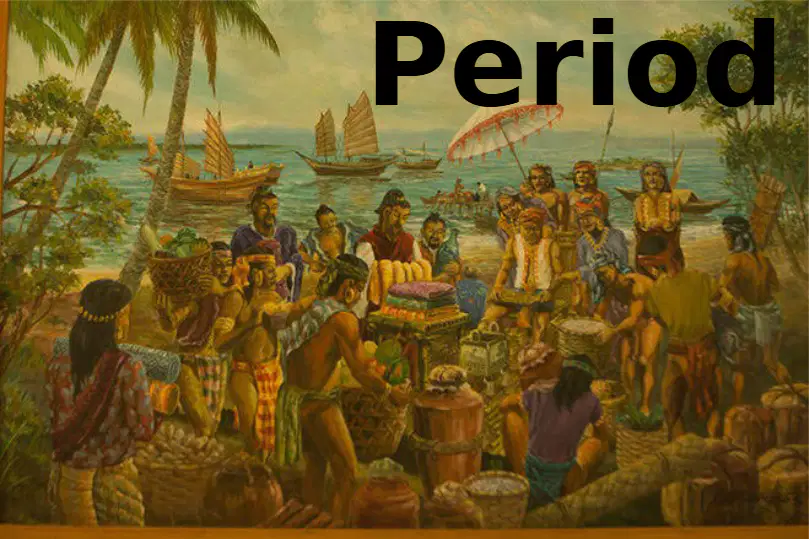
Scientific and technological development in the Philippines began in the pre-colonial period.
True
False

Even before the Spaniards came to the Philippine islands, early Filipino settlers were already using certain plants and herbs as medicine. What is the name of the herbal plant shown in the image labeled 'a'?
Akapulko
Ampalaya
Balbas-pusa
Bayabas
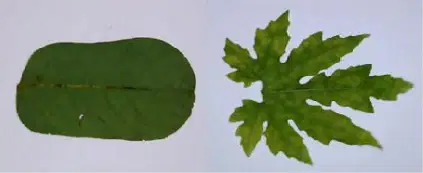
Even before the Spaniards came to the Philippine islands, early Filipino settlers were already using certain plants and herbs as medicine. What is the name of the herbal plant shown in the image labeled 'b'?
Akapulko
Ampalaya
Balbas-pusa
Bayabas
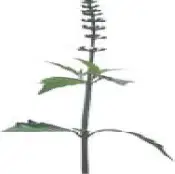
Even before the Spaniards came to the Philippine islands, early Filipino settlers were already using certain plants and herbs as medicine. What is the name of the herbal plant shown in the image labeled 'c'?
Akapulko
Ampalaya
Balbas-pusa
Bayabas
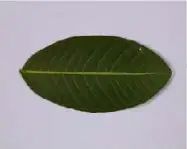
Even before the Spaniards came to the Philippine islands, early Filipino settlers were already using certain plants and herbs as medicine. What is the name of the herbal plant shown in the image labeled 'd'?
Bayabas
Lagundi
Malunggay
Niyog-niyogan

Even before the Spaniards came to the Philippine islands, early Filipino settlers were already using certain plants and herbs as medicine. What is the name of the herbal plant shown in the image labeled 'e'?
Lagundi
Malunggay
Oregano
Sambong

What is the name of the herbal plant shown in the image labeled 'f'?
Malunggay
Oregano
Sambong
Tsaang-gubat
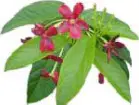
Even before the Spaniards came to the Philippine islands, early Filipino settlers were already using certain plants and herbs as medicine. What is the name of the herbal plant shown in the image labeled 'g'?
Niyog-niyogan
Oregano
Sambong
Tsaang-gubat

Even before the Spaniards came to the Philippine islands, early Filipino settlers were already using certain plants and herbs as medicine. What is the name of the herbal plant shown in the image labeled 'h'?
Oregano
Sambong
Tsaang-gubat
Ulasimang-bato

Even before the Spaniards came to the Philippine islands, early Filipino settlers were already using certain plants and herbs as medicine. What is the name of the herbal plant shown in the image labeled 'i'?
Sambong
Tsaang-gubat
Ulasimang-bato
Yerba-buena

What is the name of the herbal plant shown in the image labeled 'j'?
Tsaang-gubat
Ulasimang-bato
Yerba-buena
Akapulko

Even before the Spaniards came to the Philippine islands, early Filipino settlers were already using certain plants and herbs as medicine. What is the name of the herbal plant shown in the image labeled 'k'?
Ulasimang-bato
Yerba-buena
Akapulko
Ampalaya

Even before the Spaniards came to the Philippine islands, early Filipino settlers were already using certain plants and herbs as medicine. What is the name of the herbal plant shown in the image labeled 'l'?
Yerba-buena
Akapulko
Ampalaya
Balbas-pusa
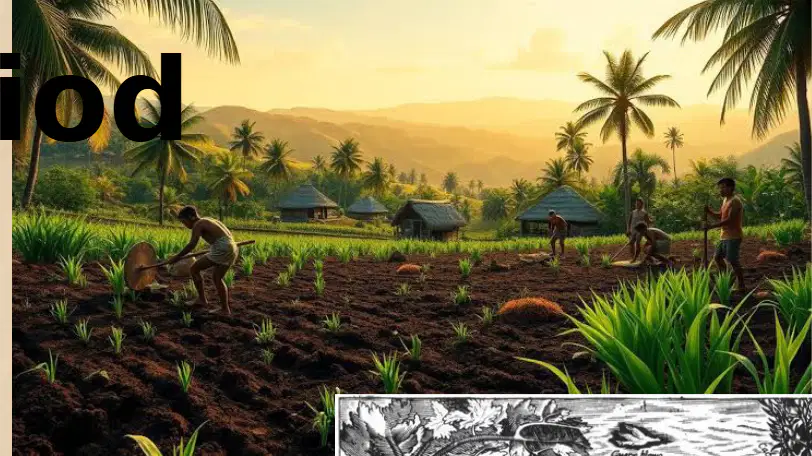
During the Pre-Colonial Period, what systems were implemented according to the passage?
Systems of farming and animal-raising
Systems of trade and commerce
Systems of education and writing
Systems of government and law
During the Pre-Colonial Period, systems of _______ and animal-raising were also implemented.
farming
mining
trading
hunting
Systems of farming and animal-raising were implemented during the Pre-Colonial Period.
True
False
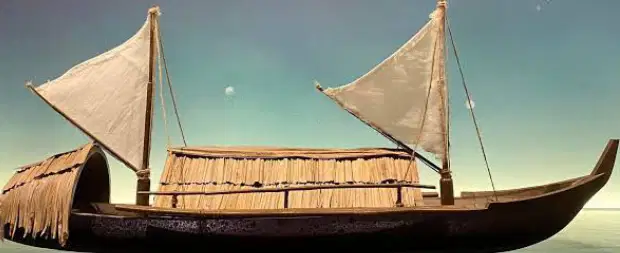
Pre-Colonial Period: Moreover, Filipinos developed modes of transportation. What mode of transportation is shown in the first image?
Airplane
Car
Boat
Bicycle
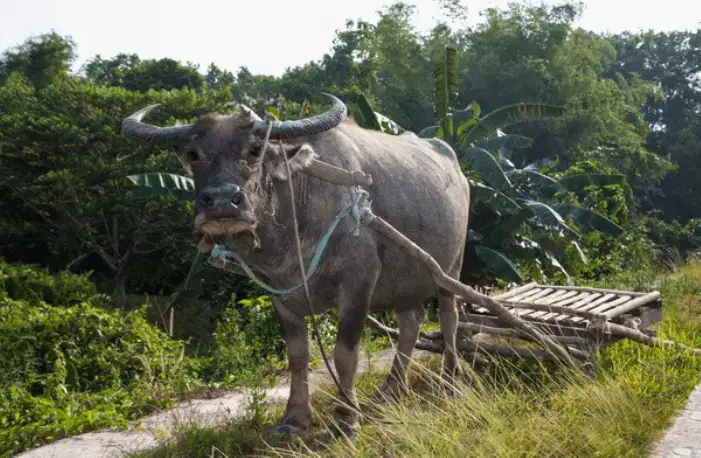
What mode of transportation is shown in the second image?
Carabao-drawn cart
Train
Motorcycle
Airplane
According to the passage, who built the rice terraces by hand during the Pre-Colonial Period?
The natives of the Cordilleras
Spanish colonizers
American missionaries
Chinese traders
What was the main purpose of building rice terraces by the natives of the Cordilleras?
To create beautiful landscapes
To cultivate crops on the mountainsides
To build houses
To protect against invaders
The irrigation system developed by the natives used water from which sources?
Rivers and lakes
Forests and mountain tops
Oceans
Underground wells
The people were able to cultivate crops on the mountainsides in ______ temperatures.
cold
hot
humid
dry
What activity was practiced until the importation of cast iron from Sarawak and China during the Pre-Colonial Period?
Extraction of iron ores
Mining gold
Building stone houses
Fishing
During the Pre-Colonial Period, people learned to weave _________
cotton
silk
nylon
polyester
Which of the following was made during the Pre-Colonial Period?
Glass ornaments
Plastic toys
Steel bridges
Paper books
What type of rice fields did people cultivate during the Pre-Colonial Period?
Lowland rice dike fields
Mountain rice paddies
Desert rice fields
Urban rice gardens
Name one type of field, other than lowland rice dike fields, that was cultivated during the Pre-Colonial Period.
Terraced fields
Desert fields
Urban fields
Salt pans
Which of the following was an activity during the Pre-Colonial Period?
Building boats
Driving cars
Flying airplanes
Printing newspapers
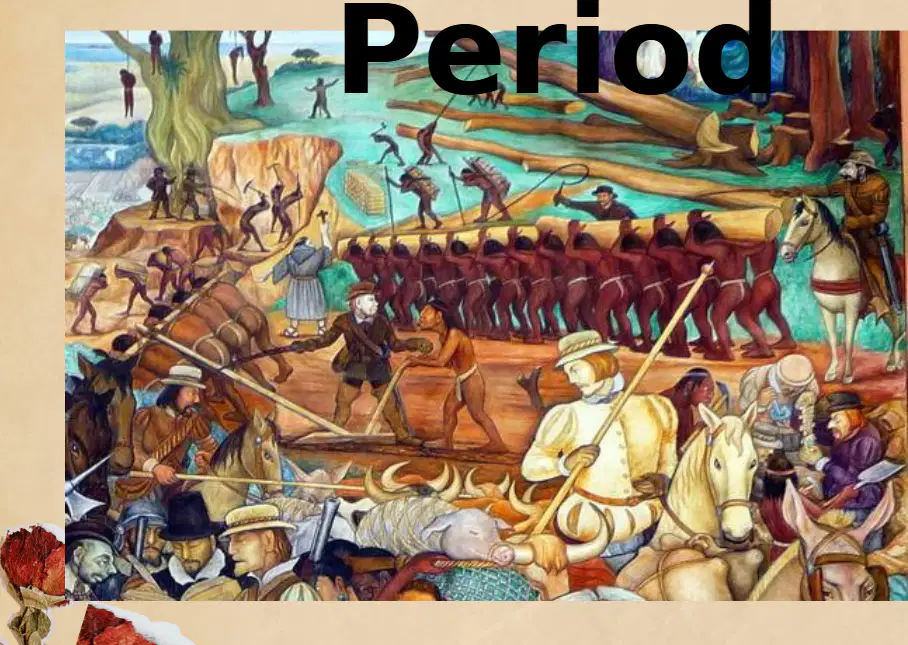
Look at the images depicting scenes from the Colonial Period. What is the main theme shown in both images?
Peaceful trade between nations
Colonization and conquest
Modern technology
Space exploration
One way in which the arrival of colonizers impacted the indigenous people was:
Loss of land and resources
Increase in indigenous population
Preservation of indigenous culture
Improved equality for indigenous people
Read the passage: Colonization by the Spaniards provided the Philippines with modern means of construction. Walls, roads, bridges and other large infrastructures were built using some of the engineering skills and tools brought by the Spaniards.
Walls
Roads
Skyscrapers
Bridges
The Spaniards brought modern _______ and tools to the Philippines, which helped in building large infrastructures.
engineering skills
farming techniques
musical instruments
cooking recipes
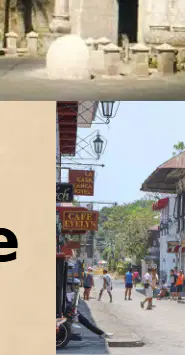
According to the passage, who introduced these types of construction to the Philippines?
Americans
Spaniards
Japanese
Chinese

