
 Worksheets
What is Saving and Why Save?
Total questions: 13
Worksheet time: 7mins
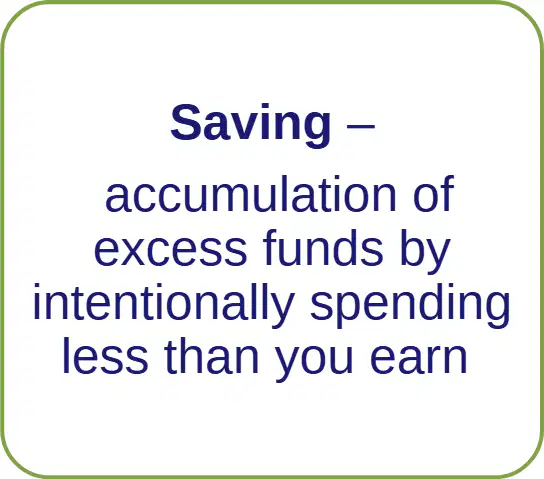
Which statement best defines saving as presented in the lesson?
Spending less than you earn to accumulate excess funds
Using all income for consumption of goods and services
Borrowing money to pay for emergencies
Investing in the stock market for long-term growth

Which statement best explains how savings reduce financial risk?
Savings are a monetary asset that adds to net worth and are very liquid.
Savings are a liability that decreases total assets.
Savings are only useful for long-term investments and are hard to access.
Savings do not affect a person’s financial position.
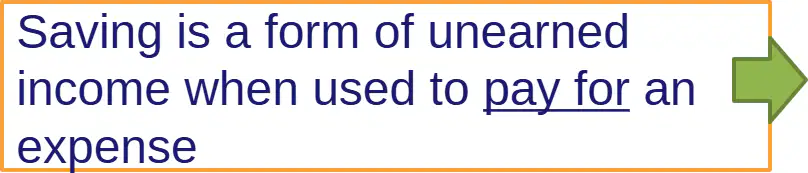
On an income and expense statement, when is saving categorized as unearned income?
When money is being saved and set aside
When interest earned or money from savings is used to pay for an expense
When wages are received from a job
When taxes are deducted from a paycheck
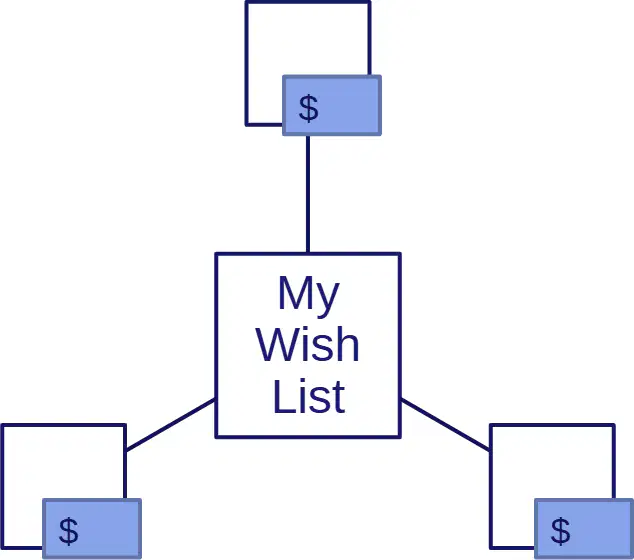
Which action best matches the goal of this activity: My Saving Quest Part 1: My Wish List?
Memorize definitions of banking terms
Brainstorm a personal wish list, estimate each item’s cost, and choose one to start saving for
Calculate compound interest on a savings account
Compare different credit card rewards programs
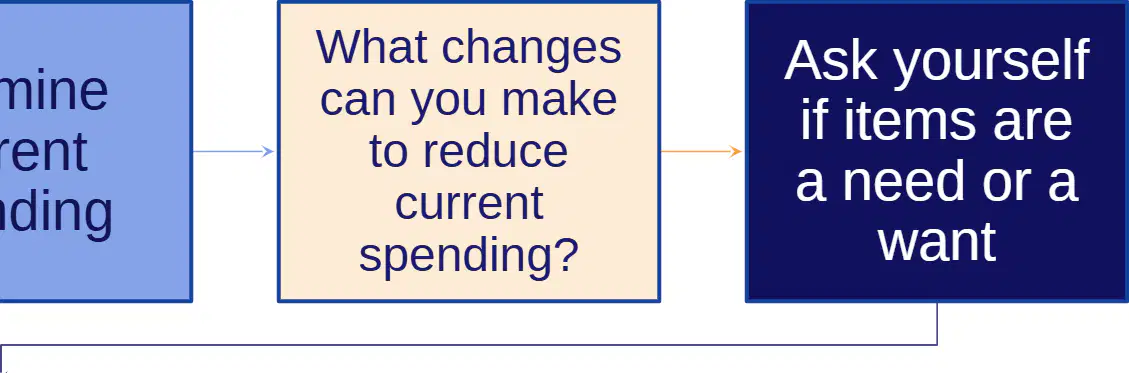
Which action best reflects the strategy of reducing expenses by distinguishing needs from wants?
Buying a new video game because it’s on sale
Packing lunch instead of buying fast food daily
Upgrading to a more expensive phone plan for extra data
Hiring a lawn service to save time

Which question is part of setting a clear savings goal?
How can the goal be achieved?
Which brand is the most popular?
Who else is saving?
What is the weather next month?

Which action best matches the instruction: "Identify three changes you will make to your current income or spending today to start saving for the future"?
Write down three new purchases you want next month
List three specific ways to reduce spending or increase income now
Explain why saving is difficult for most people
Keep track of how much money you spent last year

Which action best represents the Pay Yourself First principle shown in the diagram?
Spending on wants, then saving what is left
Saving a predetermined amount automatically each time you are paid, before spending
Saving only when a big purchase is coming up
Waiting to save until the end of the month if money remains
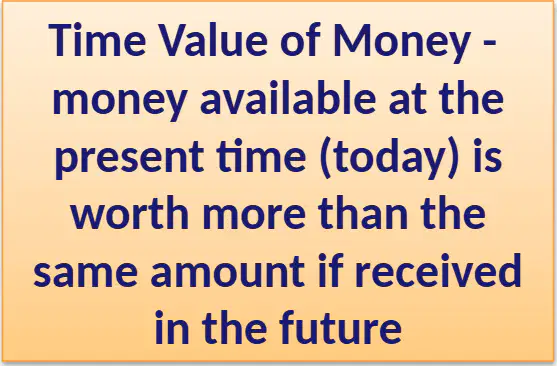
According to the definition of the Time Value of Money, which statement is most accurate?
Money today is worth the same as money in the future.
Money available today is worth more than the same amount received in the future.
Money in the future always buys more than money today.
Money only grows in value if there is no interest rate.
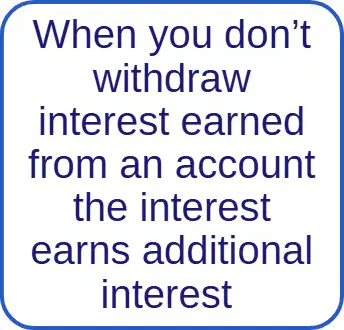
A savings account pays interest that is left in the account. Based on the concept of compounding, what happens next?
The earned interest disappears unless withdrawn.
The account earns additional interest on the previously earned interest.
The interest rate automatically decreases to zero.
Depository institutions stop offering secure accounts.
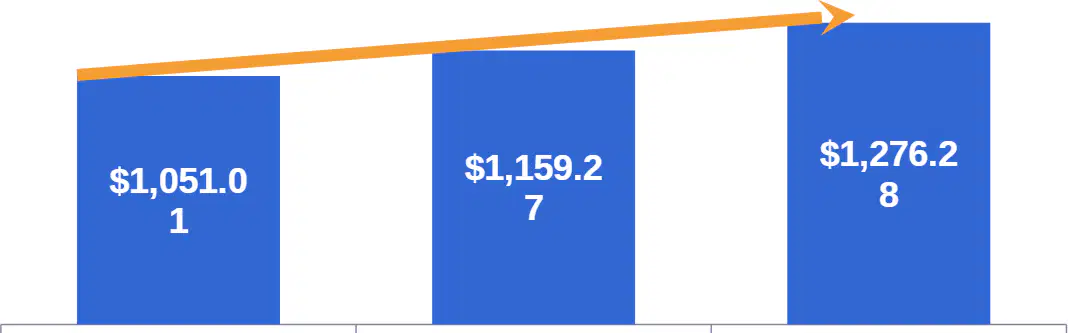
At a constant time period of 5 years with compounding, what is the main effect of a higher interest rate on $1,000 saved?
It reduces the total amount earned
It has no effect on earnings
It results in more money earned
It only changes the principal
Felix saved 50permonthfor18yearsfrombirth,whileSavannahsaved 350 per month for 4 years starting as a freshman. If they earned the same interest rate and now have about the same balance (~$19,500), what does this example best illustrate about time and the time value of money?
Starting earlier allows smaller monthly contributions to grow to similar balances
Higher monthly contributions always beat starting early
Interest rate is the only factor that matters
Monthly contributions do not affect savings outcomes

A diagram shows that at a 7% rate, an investment grows much larger by Year 50 than by Year 20, and another diagram says to maximize return: save as much and as often as possible, save for as long as possible, and save at the highest interest rate possible. Which choice best explains why waiting longer to withdraw increases the final amount?
Compounding lets interest earn more interest over time, so value accelerates with more years.
The account adds a one-time bonus only after 50 years.
The interest rate automatically doubles every decade.
Longer time reduces the original amount invested, making growth faster.

