
NEW
Font size
 Worksheets
T-Shirt Data
Total questions: 50
Worksheet time: 25mins
How many T-shirts are sold globally each year? Annually, we sell and buy _______ T-shirts globally.
2 billion
200 million
10 billion
500 million
What does it mean that 2 billion T-shirts are sold annually?
The classic white cotton T-shirt is rare
The classic white cotton T-shirt is one of the most common garments in the world
T-shirts are not popular
Only a few people wear T-shirts
Fill in the blank: The first stage in the life cycle of a T-shirt is _______.
FARM
STORE
FACTORY
TRUCK
Fill in the blank: The second stage in the life cycle of a T-shirt is _______.
HARVEST
DESIGN
PACKAGING
RETAIL
Fill in the blank: The third stage in the life cycle of a T-shirt is _______.
GIN (SEPARATE)
DYE (COLOR)
WEAVE (FABRICATE)
PACK (SHIP)
Fill in the blank: The fourth stage in the life cycle of a T-shirt is _______.
MILL (SPIN, COMB)
PACKAGING
RETAIL
DYEING
Fill in the blank: The fifth stage in the life cycle of a T-shirt is _______.
MANUFACTURED (WEAVE, DYE)
PACKAGED FOR SALE
RETAIL DISPLAY
CONSUMER USE
Fill in the blank: The sixth stage in the life cycle of a T-shirt is _______.
MANUFACTURED (SEWN IN SHIRT)
PACKAGED FOR SALE
DYED AND PRINTED
COTTON HARVESTED
Fill in the blank: The seventh stage in the life cycle of a T-shirt is _______.
DISTRIBUTION
MANUFACTURING
RECYCLING
PACKAGING
Fill in the blank: The eighth stage in the life cycle of a T-shirt is _______.
STORE
COTTON FARM
DYEING
PACKAGING
Fill in the blank: The ninth stage in the life cycle of a T-shirt is _______.
HOME-CONSUMER
MANUFACTURING
RECYCLING
PACKAGING
Fill in the blank: The tenth stage in the life cycle of a T-shirt is _______.
LAUNDRY ROOM
COTTON FIELD
PACKAGING
RETAIL STORE
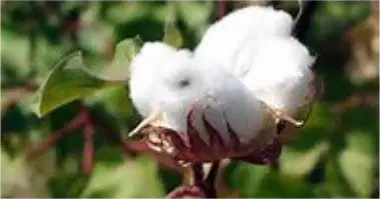
Where does a T-shirt begin its life?
Factory
Farm
Store
School
In which countries is cotton for T-shirts commonly grown?
United States, China, India
Brazil, Canada, Russia
Australia, Egypt, France
Mexico, Japan, Germany
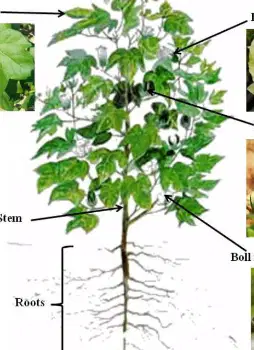
Cotton seeds are ______ (planted), irrigated (watered), and grown to produce fluffy bolls.
sewn
sown
shown
sworn
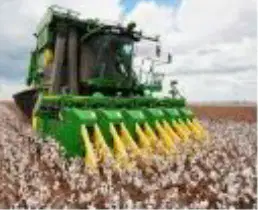
According to the passage, how does the harvest take place?
By hand
By large self-driving machines that harvest (pick) the cotton
By animals
By wind
Fill in the blank: The average cost of a combine harvester is _______.
$1.3 million (for new John Deere combines)
$50,000 (for used models)
$100,000 (for small tractors)
$500,000 (for mid-range models)
New John Deere combines are priced at $1.3 million stock.
True
False

What does the cotton gin machine do?
It plants cotton seeds
It separates the bolls from the cotton seed
It waters the cotton plants
It dyes the cotton
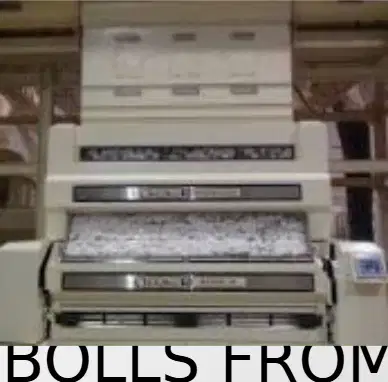
The cotton gin presses cotton into ______ kg bales.
225
100
500
350

According to the information provided, what does cotton require in huge amounts?
Water
Fertilizer
Sunlight
Sand

How many liters of water are needed to produce the average t-shirt?
1,000 liters
2,700 liters
5,000 liters
10,000 liters
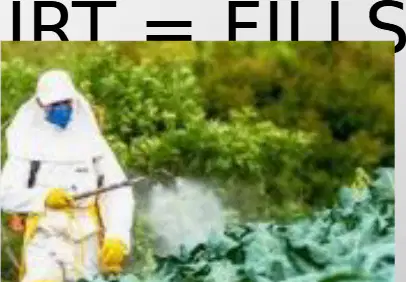
Cotton uses more pesticides than any other crop.
True
False
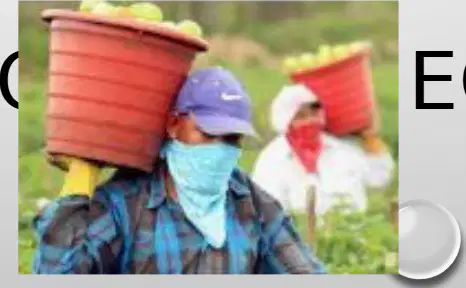
Pesticides can harm the health of ________ workers.
field
office
factory
bank
Fill in the blank: Pesticides can damage the surrounding ________ system.
eco
digestive
solar
nervous

What is the process called where cotton is blended, carded, combed, pulled, stretched, and twisted into ropes of yarn?
Slivers
Ginning
Weaving
Spinning
Usually, the cotton is shipped to which countries for processing in mills?
USA and Canada
China and India
Brazil and Egypt
Australia and Turkey
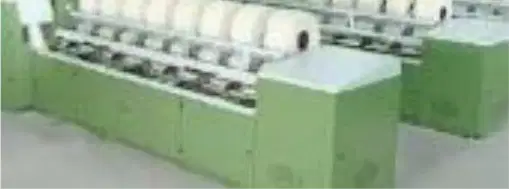
High-tech machines are used in the cotton mill process.
True
False
What are the main steps involved in processing cotton in a mill?
Blend, card, comb, pull, stretch, twist the cotton into ropes of yarn called slivers.
Wash, dye, cut, and sew the cotton into fabric.
Harvest, dry, press, and pack the cotton for shipping.
Soak, ferment, grind, and bake the cotton fibers.
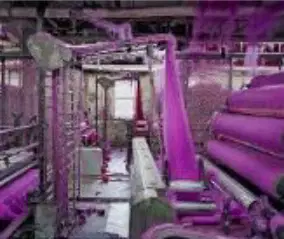
What is sent to the mill during the manufacturing process?
Yarn
Paper
Plastic
Metal
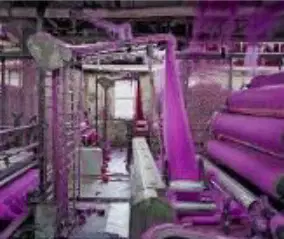
What do huge circular knitting machines weave yarn into?
Grey sheets of rough fabric
Colorful silk scarves
Woolen socks
Cotton towels
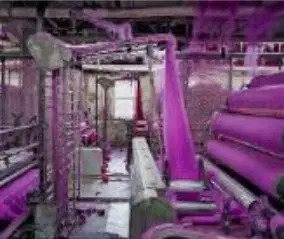
After weaving, how are the grey sheets of rough fabric treated?
With heat and chemicals until they turn soft and white
They are immediately dyed with bright colors
They are cut into small pieces and sold as scraps
They are packed and sent directly to stores
Where is cloth shipped to for manufacturing into shirts?
Bangladesh, China, India & Turkey
USA, UK, Canada & Australia
France, Germany, Italy & Spain
Japan, South Korea, Vietnam & Thailand
Which country is the largest exporter of manufactured shirts?
China
Bangladesh
India
Turkey

Refer to the image of workers in a factory. What activity are they performing?
Stitching cloth into T-shirts
Packing electronic gadgets
Assembling cars
Baking bread
According to the passage, shirts are sent to which type of countries to sell them for a profit?
Low income countries
High income countries
Middle income countries
All countries
According to the passage, shirts are distributed by which of the following methods?
Ship, Truck & Train
Airplane, Bicycle & Car
Bus, Subway & Helicopter
None of the above
What percentage of global carbon emissions is accounted for by clothing production?
5%
10%
20%
50%
By how much did garment production increase from 1994 to 2014?
100%
200%
400%
800%
Garment production reached how many garments per year by 2014?
8 billion
80 billion
800 million
8 million
Fill in the blank: Garment production increased by _____% from 1994 to 2014.
400%
100%
250%
600%

EXPORTER SELL TO ______.
STORES
FARMERS
STUDENTS
PATIENTS

STORES SELL TO ______. (Fill in the blank)
CUSTOMERS
EMPLOYEES
SUPPLIERS
MANAGERS
According to the consumer stats, how much did the average American spend on NEW clothing and footwear in 2023?
$400
$800
$1,600
$2,000
According to the consumer stats, the same new clothing purchased SECOND HAND might be 50% to 75% off and cost ______ to $800.
$400
$100
$200
$600
Fill in the blank: One way to be an environmentally friendly home-consumer is to purchase clothing ______ hand.
2nd
1st
fresh
brand new
Fill in the blank: Buy products made with ______ materials or organic to be a responsible home-consumer.
recycle
plastic
synthetic
artificial
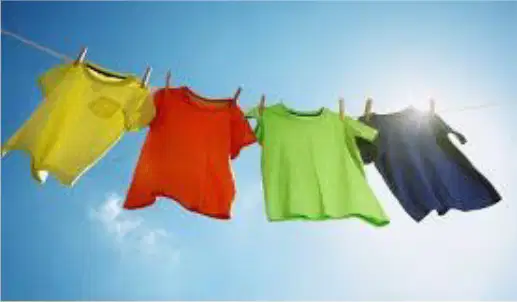
Fill in the blank: Line dry clothing to save ______.
energy
water
time
money
Fill in the blank: Donate ______ instead of throwing them away.
clothing
food
books
toys
Fill in the blank: Reuse clothing as ______ tools to reduce waste.
cleaning
cooking
writing
measuring

