
 Worksheets
Empires of Mesopotamia
Total questions: 83
Worksheet time: 1hrs 13mins
Sargon the Great created the world's first empire
Babylonian
Assyrian
Sumerian
Akkadian
Created cuneform
Sumerian
Babylonian
Neo Babylonian
Assyrian
Hammurabi creates one of the earliest law codes.
Sumerian
Babylonian
Neo-Babylonian
Assyrian
Created the Epic of Gilgamesh
Sumerian
Babylonian
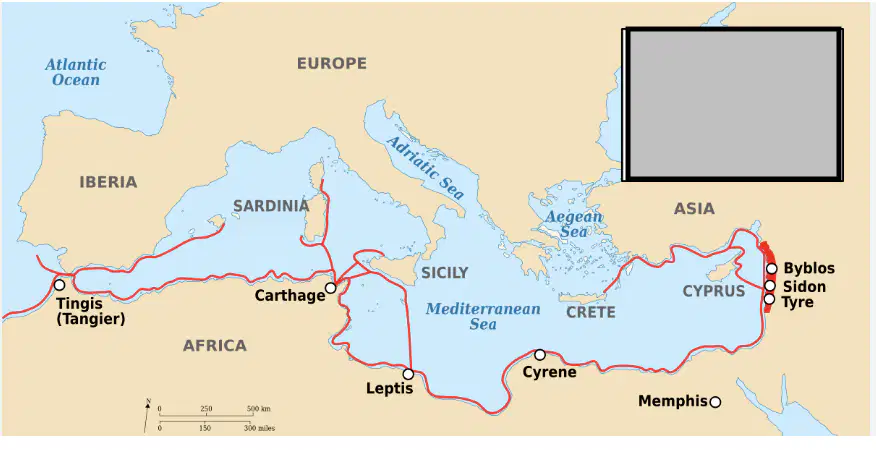
Phoenician
Persian
The first civilization to use metal weapons and chariots in battle.
Akkadian
Babylonian
Assyrian
Phoenician
A civilization based mostly on trading.
Sumerian
Phoenician
Akkadian
Neo Babylonian
Created the first alphabet in which each letter equals a sound
Assyrian
Sumerian
Babylonian
Phoenician
Locatded on the coast of the Mediteranean Sea
Sumerian
Akkadian
Phoenician
Neo-Babylonian
First civilization to use irrigation on the Tigris and Euphrates Rivers
Sumerian
Phoenician
Babylonian
Akkadian
Ruled by King Nebuchadnezzar II
Sumerian
Assyrian
Neo-Babylonian
Persian
King Darius I organized empire into Satraps (provinces with Governors)
Babylonian
Sumerian
Persian
Assyrian
Location of the Hanging Gardens
Sumerian
Assyrian
Neo-Babylonian
Akkadian
Empire that reigned for the longest time
Assyrian
Babylonian
Phoenician
Sumerian
Which empire is pictured here?
Assyrian
Babylonian
Assyrian
Phoenician
Empire founded by Cyrus the Great
Persian
Babylonian
Sumerian
Assyrian
Why is the area around Mesopotamia known as the "Fertile Crescent"?
the rivers made it perfect for farming
because the desert protected it from invaders
because it rarely rained there
because the Sumerians planted flowers along the river banks to make it beautiful

How did the Mesopotamians use this building? (Choose 2)
They used it for religious worship.
They used it as a home for slave labor.
They used it as the king's home.
They used it to store important government records.
Which of these events occurred first?
Trading centers grew into cities.
Agricultural practices improved.
Not everyone was needed for farming.
Some people specialized in a trade.
Why are Mesopotamians considered polytheists?
They worshiped by giving offerings.
They worshiped in a temple.
They all had an "Aunt Polly."
They believed in many gods.
How did government in Mesopotamia change after the decline of Sumer?
The Akkadians created the first regional empire, and all of Mesopotamia was ruled by one king.
The Akkadians created the world's first democracy.
The Akkadians created one city-state, and the Babylonians took over the rest.
The Akkadians created new monarchies, and a different king ruled in each city-state.
What ideas from the Code of Hammurabi are still important today? (Choose 2)
having one set of laws for everyone
making punishments more severe than the crime
holding people accountable for their actions
using an oral tradition to pass down laws
How did Mesopotamians use cuneiform and clay tablets?
to record laws and important information
to produce a food surplus
for transportation of crops and people
to build large temples known as ziggurats
Even though very few people could read, the Babylonian King Hammurabi ordered that his laws be displayed where all the people could see them. These laws, called the Code of Hammurabi, were written on _________.
clay tablets
papyrus scrolls
a huge black stone
the walls of his palace

Use the map to answer this question. Which landform covered most of ancient Mesopotamia?
the Tigris and Euphrates River Valley
the Caspian Sea
the Nile River
the Syrian Desert
Why is Hammurabi's Code Significant? (choose 2)
our laws are the same today
it was one of the first written law codes
It influenced later law codes
it caused the Babylonains to be conquered
This is a good brought into a country
import
export
barter
trade
This is a good or service sent out of a country
import
export
barter
trade
A skilled person who makes products
craftsman
scribe
noble
caravan
A person of high rank
noble
craftsman
currency
resource
To exchange a good or service for another good or service
barter
agriculture
scribe
caravan
A type of government with a single person as it's head. Often a king or queen.
monarchy
democracy
social hierarchy
craftsman
A group of people travelling together for safety.
caravan
crafstman
trade
scribe
A form of money used by a country or nation.
currency
barter
trade
agriculture
Growing crops and raising livestock (animals)
agriculture
trade
barter
monarchy
What problem caused by Sumerian city-states' independence from one another?
They were unable to trade crops with one another.
They could not defend themselves against stronger groups.
They had very few different natural resources available.
Which of these leaders of empires came first?
Cyrus
Sargon
Hammurabi
Nebuchadrezzar
A problem that all four Mesopotamian empires had was difficulty in...
controlling such a large area
choosing strong leaders
trading with other empires
Why were Sumerian city-states left open to attacks by stronger groups?
they were not united
they didn't build walls around their city-states
they had a weak army
List the four empires of Mesopotamia in order from the first to the last.
Akkadian, Babylonian, Assyrian, Neo-Babylonian
Neo-Babylonian, Akkadian, Assyrian, Babylonian
Assyrian, Neo-Babylonian, Babylonia, Akkadian
Akkadian, Assyrian, Neo-Babylonian, Babylonian
Who was the leader of the Akkadian empire?
Sargon
Hammurabi
Euphrates
Cyrus
What did Sargon use to gain control of all of Mesopotamia, including Sumer?
Military skills
The Force
Strict laws
Who was the leader of the Babylonian empire?
Sargon
Hammurabi
Euphrates
Cyrus
What was one of the wonders of the ancient world that Nebuchadrezzar created?
The Hanging Gardens
The Great Pyramids
Lighthouse
Colossus
Which army was one of the first to use iron weapons?
the Akkadian army
the Chaldean army
the Assyrian army
the Egyptian army
A group of traveling merchants was called . . .
an astronomer
a market
a caravan
a province
Which two rivers are found in Mesopotamia?
Nile and the Euphrates
Nile and the Yangtze
Tigris and the Yangtze
Tigris and the Euphrates
Annual flooding actually helped farmers by...
leaving behind flecks of gold used for making money
leaving silt behind that helped crops grow
making it easier to travel upstream
making it easier to transport goods by boat
Early Mesopotamians believed in
a single god
ancestor-worship
animal-worship
many gods
What is a ziggurat?
a government building
a temple
a school
a place to store grain
Of the following, which group of people belonged to the upper class of Sumerian Society?
merchants
artisans
priests
farmers
How did the Assyrians maintain control over their large empire? Select ALL that apply
by building roads that connected the provinces
by reducing taxes for poor citizens
by appointing governors to run provinces
by being just and fair
Who united Akkad and Sumer, in turn creating the World's very first empire?
Hammurabi
Nabopalassar
Sargon
Nebuchadnezzar

a group of traveling merchants
caravan
astronomer
province
scribe
The Assyrians had a successful military because
they made and fought with iron weapons.
their soldiers were giants.
their soldiers were poorly trained.
they had many weapons.
The Sumerians were a civilization but not an empire. What feature did the Akkadian, Babylonian, and Assyrian empires have that the Sumerians lacked?
One government ruled several groups
Rulers claimed to get power from the gods
Many beautiful works of art were produced
Public works such as irrigation were organized
the way a region or country uses resources to produce and sell or trade goods and services to meet a people's needs and wants
economy
mercantilism
trade
sales
An empire is _________.
a small city with its own independent ruler
a collection of temples and ziggurats
one government that rules different lands and peoples
a system of trade using a barter system
The Sumerians were divded into independent groups that acted like small countries, each with its own ruler. These were called_______.
empires
city-states
provinces
monarchies
The exchange of goods and services without using money.
barter
artisan
economy
scarcity
What is the term that describes the discovery of farming?
domesticated
Neolithic Age
Paleolithic Age
Agricultural Revolution
Which development occurred after Neolithic people made permanent shelter?
hunting animals
growing crops
living in societies
herding animals
Which of the following happened when man began to farm
There were communities where people could do jobs other than farming jobs
They were constantly attacked by wild animals
They had more meat in their diet
They had to move from place to place following crops
Where did the first civilizations rise?
near rivers
near mountains
North America
Near a sea
What is it called when you produce more crops or food than needed to feed the society?
Job Specialization
Surplus
Leftovers
Wasteful
Which of the following did Sumerians NOT invent?
the wheel
writing
fire
the plow
Sumerians practiced polytheism, meaning the belief in
many gods
one god
no god
Who would have ben at the TOP of Sumerian social hierarchy?
kings
priests/nobles
skilled craftsmen/merchants
farmers
slaves
Sumer is located in southeast Mesopotamia.
True
False
The Sumerians were always peaceful and had no need of armies or walls around their cities
True
False
A society has a stable food supply if
it gives food to the king
it has enough food for its people
it buys food from other groups
it gets food by hunting and fishing
The Sumerian civilization had a social structure with different social levels and jobs. A social structure is:
the way a civilization is organized
how many taxes a king collects from slaves
the way scribes record social events
how the government treats the lower classes
Who had the responsibilities of:
Leading the army
Enforcing the laws
Building Temples
The King
the priests
the scribes
the council
Which Sumerian belief about the king helped strengthen the social order?
He was supported by the gods
He cared most about the poor
He consulted with wise advisers
He wanted everyone to be happy

The building in the picture was most closely related to which of these features of Sumerian civilization?
food
writing
religion
government
The name of Mesopotamia comes from its location, which was
between two rivers
in mountain foothills
near a region of many conflicts
at the site of the earliest cities
Why did the rivers flood in the spring?
Heavy rain fell throughout the area.
Strong winds blew from the Persian Gulf.
Ice that had formed on the rivers broke into bits.
Snow melted in the mountains where the rivers began.

About how many miles long is the Euphrates River according to this map?
3000 miles
200 miles
1700 miles
10,000 miles

The Tigris and lower Euphrates rivers flow in a generally ___________________ direction until they reach the body of water called the ___________________.
southeast, Persian Gulf
northeast, Mediterranean Sea
west, Atlantic Ocean
north, Dead Sea

