
 Worksheets
Non-Communicable Diseases Quiz
Total questions: 38
Worksheet time: 19mins
What is a non-communicable disease?
A disease that can be spread from person to person
A disease that cannot be spread from person to person
A disease that only affects animals
A disease that is always fatal
Which of the following is an example of a non-communicable disease?
Influenza
Asthma
Chickenpox
Measles
What does the term "chronic" refer to?
A condition that appears suddenly and disappears quickly
A condition that is always present
Present continuously on and off over a long period of time
A condition that only affects children
What is an allergy?
A mild reaction to a substance
An extreme sensitivity to a substance
A disease that can be spread from person to person
A temporary condition
Which of the following is an example of an unhealthy behavior that can lead to non-communicable diseases?
Exercising regularly
Smoking
Eating fruits
Drinking water
How can the environment contribute to non-communicable diseases?
By providing clean air
By causing some diseases or making others worse
By offering healthy food options
By promoting physical activity
What are allergens?
Substances that cause allergic reactions
A powdery substance released by plants
Chemicals released by immune cells
Substances that prevent allergies
What is pollen?
A type of allergen
A powdery substance released by the flowers of some plants
A chemical released by immune cells
A type of histamine
What are histamines?
Substances that cause allergic reactions
A powdery substance from plants
Chemicals that the immune cells release to draw more blood and lymph to the area affected by the allergen
A type of pollen
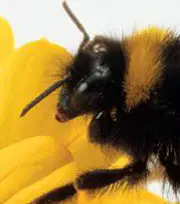
What type of insect-related item is considered a common allergen?
Insect bites or stings
Insect wings
Insect eggs
Insect shells
Which of the following foods is likely to be a common allergen?
Bread
Nuts
Rice
Pasta

What should people with asthma or other respiratory conditions do when smog is especially heavy?
Exercise outdoors
Limit their time outdoors
Increase outdoor activities
Ignore the smog
What are antihistamines used for?
To increase the production of histamines
To reduce the production of histamines
To block air passages
To relax muscles around air passages
What is asthma?
A condition that strengthens air passages
A chronic inflammatory disorder of the airways
A disease that increases muscle mass
A temporary blockage of the airways
What do bronchodilators do?
Block the air passages
Increase the production of histamines
Relax the muscles around the air passages
Cause air passages to narrow
Which of the following is NOT a common trigger of asthma?
Physical activity
Air pollutants
Rapid breathing
High cholesterol
How can the environment be managed to help with asthma?
Keep windows closed
Manage the environment
Use strong perfumes
Ignore air quality
What is a recommended action for someone with asthma?
Take medication
Avoid all medications
Only use herbal remedies
Ignore medical advice
What is an allergy?
A mild reaction to a substance
An extreme sensitivity to a substance
A type of infection
A form of exercise
What might happen if you have an allergy and are around flowers?
You feel sleepy
You start to sneeze and get itchy
You become very hungry
You feel very cold
What is pollen?
A type of insect
A powdery substance released by the flowers of some plants
A kind of fruit
A form of bacteria
To which type of cells do antibodies stick in the immune system?
Red blood cells
Neurons
Mast cells
Muscle cells
What is the role of histamines in an allergic reaction?
They destroy allergens.
They draw more blood and lymph to the affected area.
They produce antibodies.
They reduce inflammation.
Which of the following is a common allergic reaction affecting the eyes?
Eyes can be red, watery, and itchy.
Nose can be runny and irritated.
Throat can become irritated and start swelling.
Skin can break out in a rash or hives.
What is a common allergic reaction that affects the nose?
Throat can become irritated and start swelling.
Nose can be runny and irritated. Sneezing is common.
Skin can break out in a rash or hives.
Digestive system can be upset.
Which system can become irritated, leading to coughing and difficulty breathing?
Digestive system
Respiratory system
Circulatory system
Nervous system
What can happen to the skin as a result of an allergic reaction?
Skin can become irritated and break out in a rash or hives.
Skin can become dry and cracked.
Skin can become oily and shiny.
Skin can become pale and cold.
Which of the following is a symptom of an upset digestive system due to an allergic reaction?
Coughing and difficulty breathing
Cramping, stomach pains, and diarrhea
Red, watery, and itchy eyes
Runny and irritated nose
What do antihistamines do?
Increase the production of histamines
Reduce the production of histamines
Eliminate allergens from the body
Strengthen the immune system
What is asthma?
A temporary condition affecting the skin
A chronic inflammatory disorder of the airways
A disease that affects the digestive system
A condition that improves breathing
What problem does asthma cause in the air passages?
It makes them wider
It makes them more flexible
It causes them to become narrow or blocked
It strengthens them
What are the two types of medications used in managing asthma?
Relievers and Preventers
Relievers and Controllers
Controllers and Inhalers
Inhalers and Preventers
What is the function of bronchodilators in asthma management?
They increase blood pressure.
They relax the muscles around the air passages.
They strengthen the heart muscles.
They reduce blood sugar levels.
What will you learn to describe about asthma in this lesson?
What it is and how it is treated
How it is caused and spread
How it is prevented
How it affects animals
What healthful behaviors will you practice to manage in this lesson?
Diabetes
Asthma
Heart disease
Obesity
Which of the following is a symptom of an asthma attack?
Fever
Shortness of breath
Rash
Headache
What is a common symptom of an asthma attack that involves the chest?
Tightness or fullness in the chest
Itching in the chest
Redness in the chest
Swelling in the chest
Which of the following is NOT a symptom of an asthma attack?
Coughing
Wheezing
Dizziness
Shortness of breath

