
 Worksheets
Infection Control Scenario Discussion
Total questions: 100
Worksheet time: 50mins
The potential infection control risks associated with this situation include:
Spread of pathogens due to improper hygiene practices
Improved patient safety through strict protocols
Reduced risk of cross-contamination
Elimination of all infection risks
The immediate actions you should take to minimize the risk of infection spreading in this scenario are:
Wash your hands and disinfect surfaces immediately.
Ignore the situation and continue as normal.
Only inform your supervisor without taking any action.
Wait for symptoms to appear before responding.
Long-term infection control measures that should be implemented in the clinic to prevent similar situations in the future include:
Establishing strict hand hygiene protocols
Reducing the number of staff members
Limiting patient access to the clinic
Eliminating all medical equipment
Infection control is critical in a healthcare setting because it impacts both patient and staff safety by:
Reducing the risk of disease transmission and protecting health.
Increasing the spread of infections among patients.
Making healthcare environments less safe for staff.
Encouraging the growth of harmful bacteria.
What are Isolation Precautions?
Preventative steps needed to be taken by healthcare workers and staff to prevent the spread or transmission of infections.
Steps to increase patient comfort during hospital stays.
Procedures for disposing of non-infectious waste.
Guidelines for scheduling patient appointments.
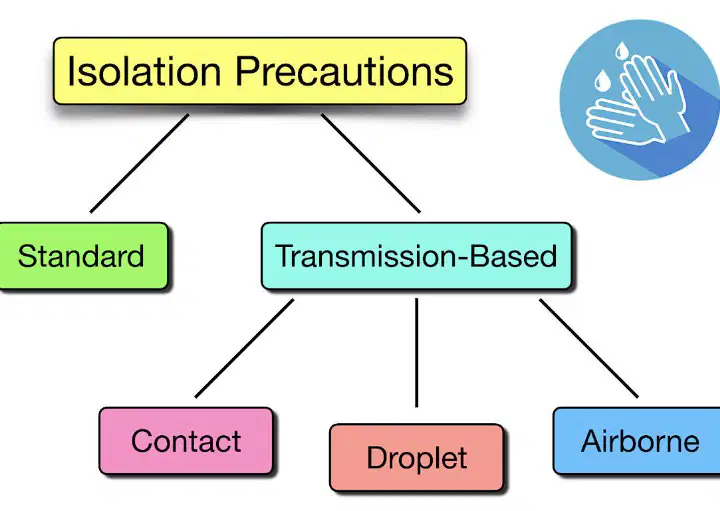
Which of the following is NOT a type of Transmission-Based Precaution?
Contact
Droplet
Airborne
Standard
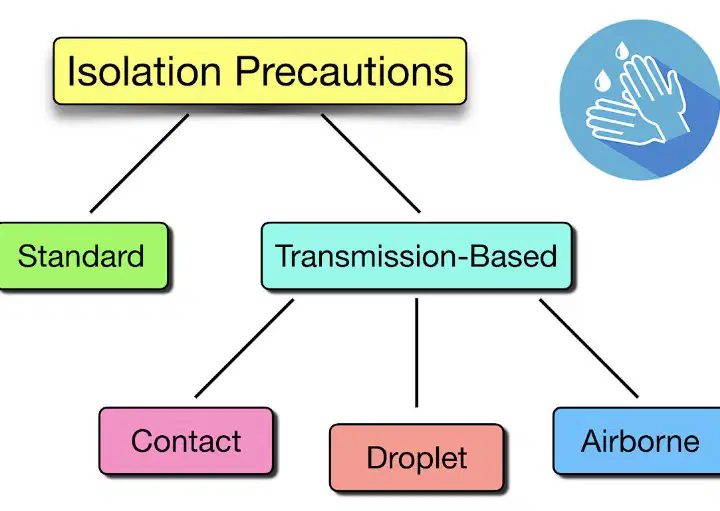
Isolation Precautions are divided into which two main categories?
Standard and Transmission-Based
Primary and Secondary
Direct and Indirect
Universal and Selective
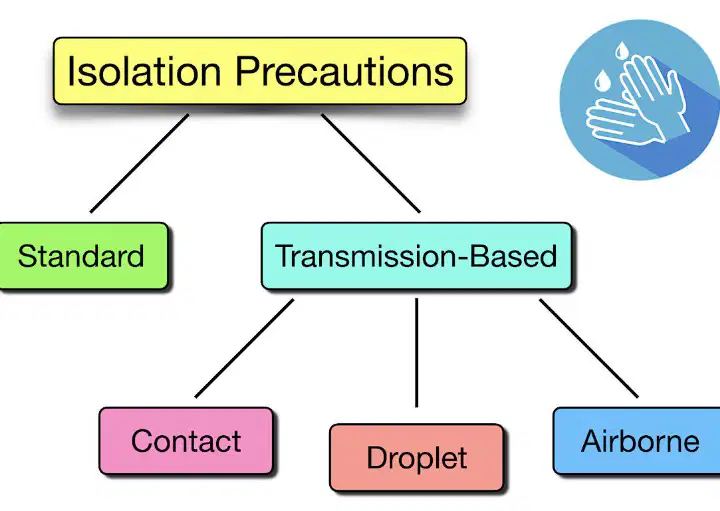
Match the following types of Transmission-Based Precautions with their names:
Pink
A
Orange
B
Blue
C
Which of the following is the foundation for preventing transmission of infectious disease?
Standard Precautions
Transmission-Based Precautions
Contact Precautions
Airborne Precautions
Standard Precautions are established for the safety of _________.
healthcare workers
patients only
visitors only
administrative staff only
Standard Precautions should be applied to all patients across all healthcare settings because every patient is potentially infected.
True
False
What should healthcare workers always do when anticipating contact with blood, body fluids, non-intact skin, lesions, or mucous membranes?
Always protect yourself.
Ignore standard precautions.
Only wash hands after contact.
Wear gloves only if convenient.
Match the following types of Isolation Precautions with their categories:
Standard
Transmission-Based
Contact
Standard
Droplet
Transmission-Based
Airborne
Transmission-Based
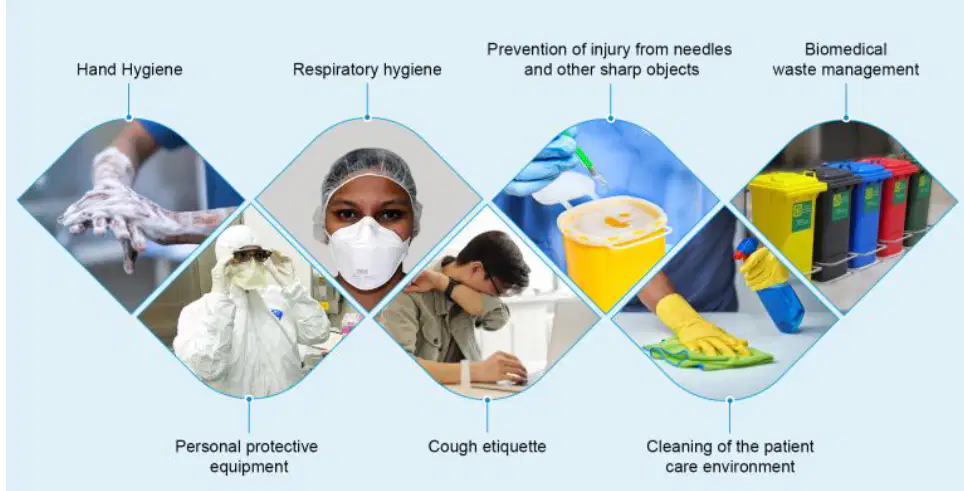
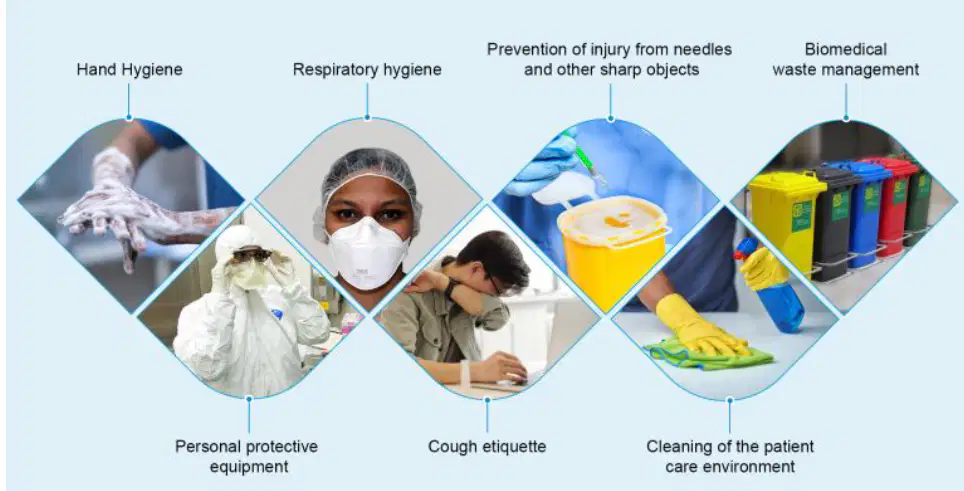
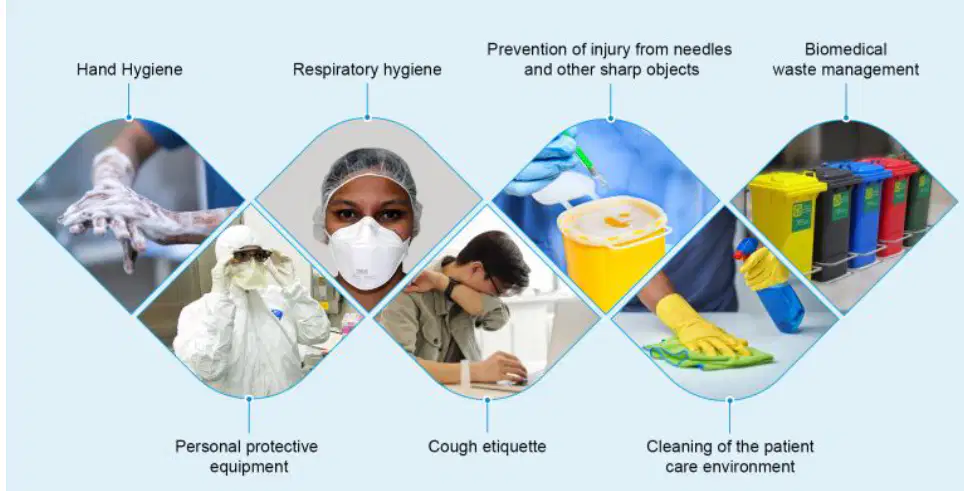
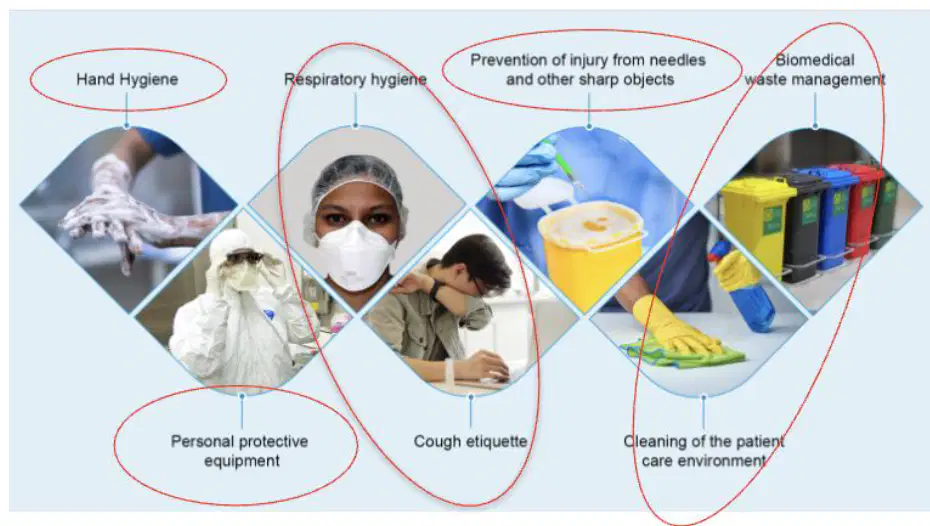
Which of the following is an element of standard precautions?
Hand Hygiene
Running
Painting
Singing
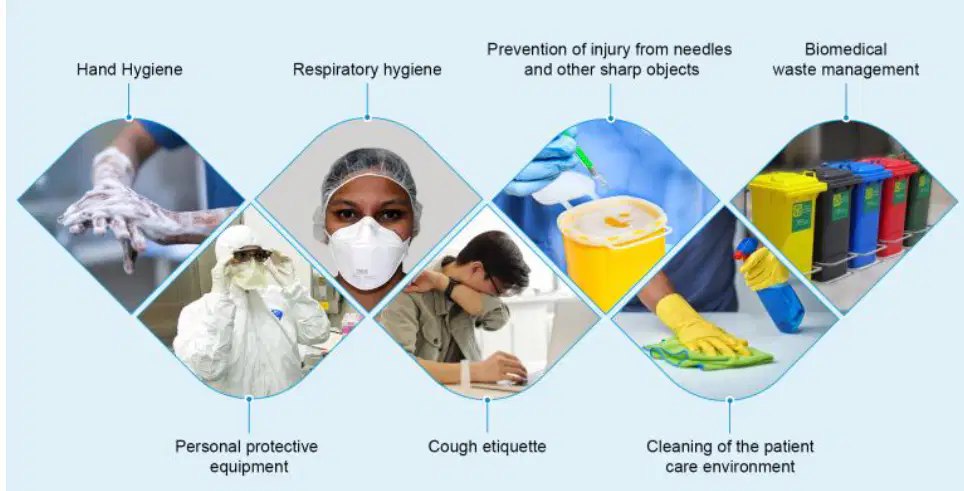
Fill in the blank: ________ hygiene is an important element of standard precautions.
Respiratory
Foot
Hair
Nail

Prevention of injury from needles and other sharp objects is an element of standard precautions.
True
False
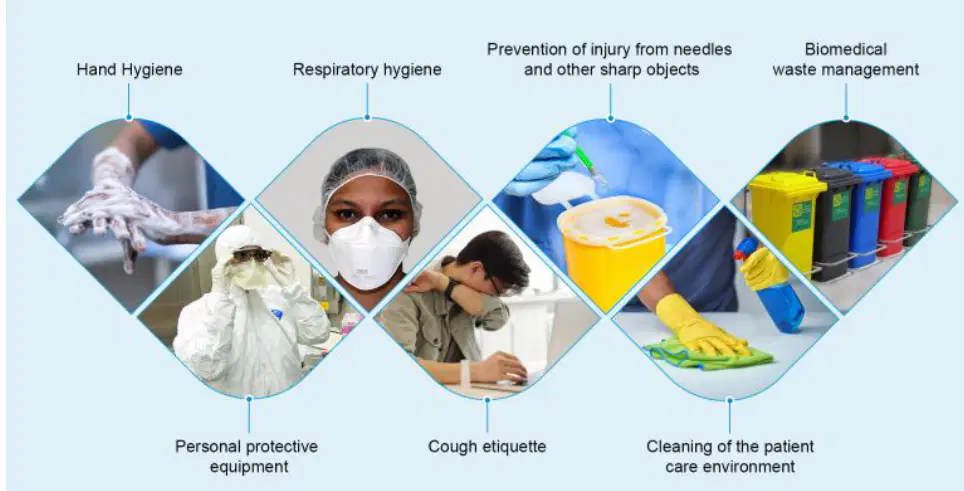
Which of the following is NOT an element of standard precautions?
Biomedical waste management
Personal protective equipment
Cough etiquette
Playing video games
Fill in the blank: Wearing ________ is a part of standard precautions to protect oneself from infections.
Personal protective equipment
Casual clothing
Jewelry
Sandals
The purpose of cough etiquette as an element of standard precautions is to:
prevent the spread of respiratory infections
improve patient comfort during illness
reduce the need for hand hygiene
eliminate the use of face masks

Fill in the blank: Cleaning of the ________ care environment is an element of standard precautions.
patient
kitchen
office
playground

According to the standard precautions for hand hygiene, when should you wash your hands after contact with blood, body fluids, secretions/excretions, or contaminated items?
After contact with blood, body fluids, secretions/excretions, or contaminated items
Before entering the hospital premises
Only at the end of your shift
Before putting on gloves
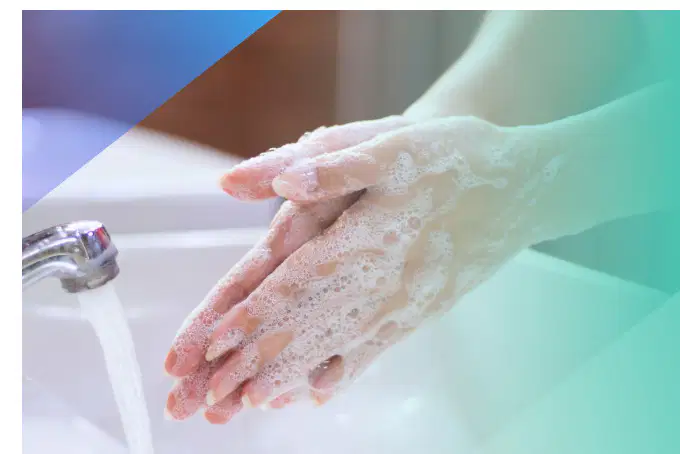
According to the standard precautions for hand hygiene, when should you wash your hands immediately after removing gloves?
Immediately after removing gloves
Before putting on gloves
Only at the end of your shift
Only if your hands look dirty
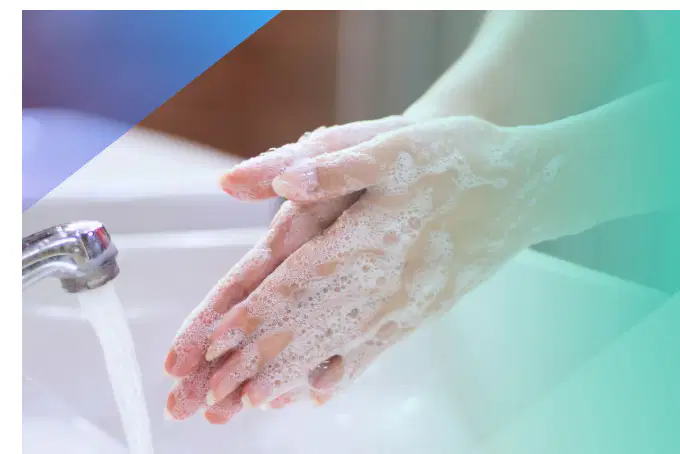
According to the standard precautions for hand hygiene, when should you wash your hands between patient contact?
Between patient contact
Only at the end of the shift
Only before eating
Only after using the restroom
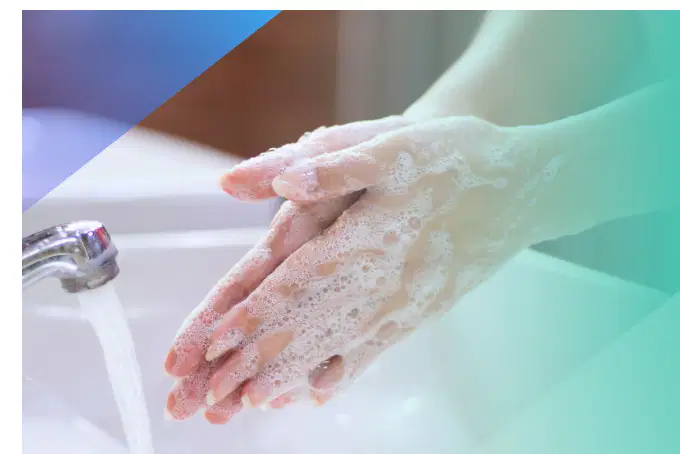
According to the standard precautions for hand hygiene, when should you wash your hands before and after food preparation?
Before and after food prep
Only after food prep
Only before food prep
Only if hands look dirty
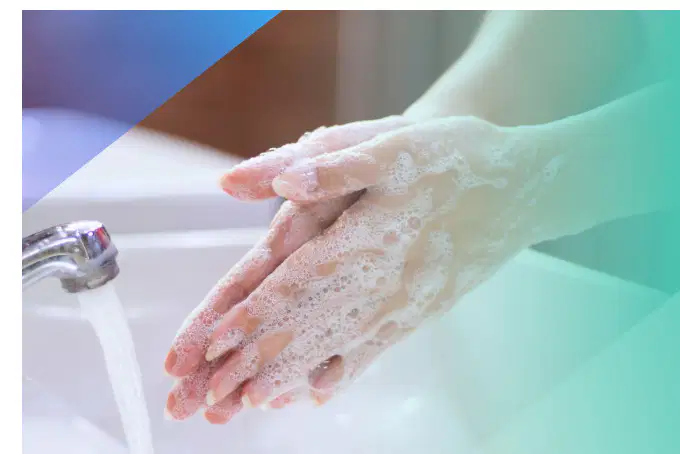
According to the standard precautions for hand hygiene, when should you wash your hands after using the bathroom?
After using the bathroom
Before using the bathroom
Only before eating
Only after touching animals
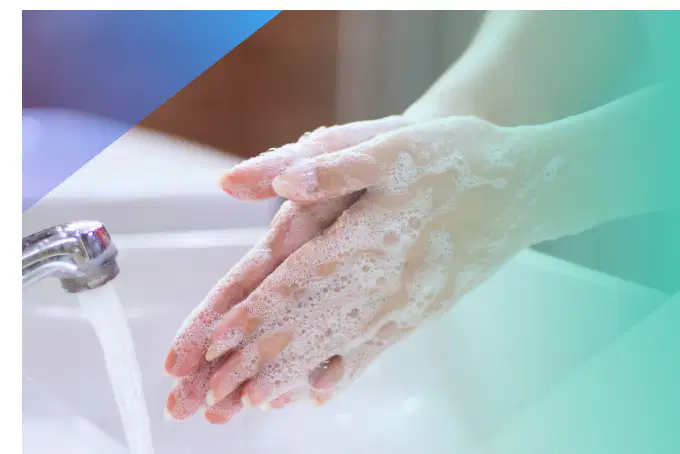
According to the standard precautions for hand hygiene, when should you wash your hands after blowing your nose?
After blowing your nose
Before eating
After putting on gloves
Before going to bed
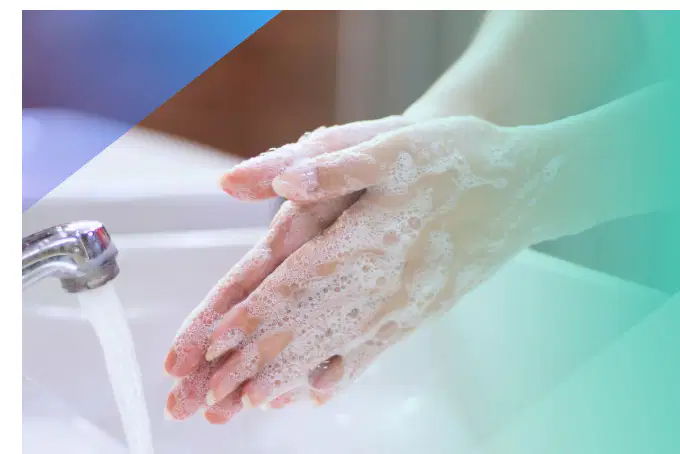
According to the standard precautions for hand hygiene, when should you wash your hands after touching or caring for an animal?
After touching/caring for an animal
Before entering the animal's area
Only if the animal appears sick
Only at the end of the workday
Fill in the blank: Gloves should be worn when anticipating contact with ______, body fluids, secretions/excretions, or contaminated items.
blood
hair
clothing
shoes
Fill in the blank: Gloves should be worn when touching ______ membranes or non-intact skin.
mucus
bone
hair
muscle
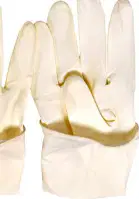
Fill in the blank: Gloves should be worn when an ______ risk is identified.
infection
allergy
temperature
noise
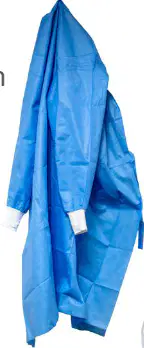
Fill in the blank: A gown should be worn when ______ may become soiled.
clothing
food
furniture
equipment
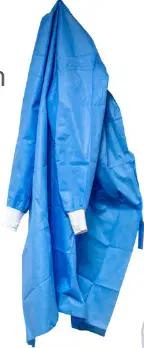
Fill in the blank: A gown should be worn when an ______ risk is identified.
infection
allergy
injury
temperature

Fill in the blank: Mask and eye protection should be worn when splashes or sprays of blood, body fluids, or secretions/excretions are ______.
possible
unlikely
harmless
rare
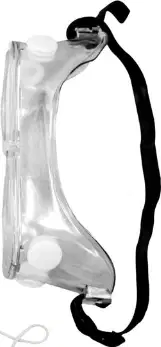
Fill in the blank: Mask and eye protection should be worn when an ______ risk is identified.
infection
allergy
injury
fatigue
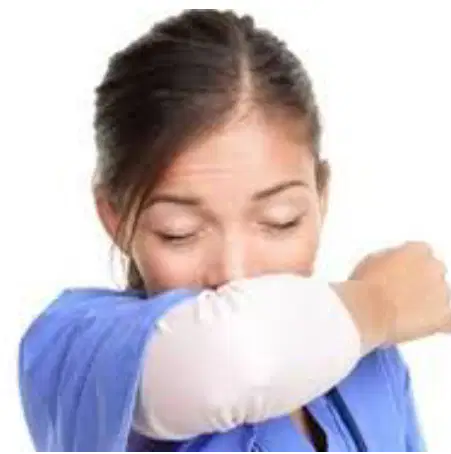
According to the standard precautions for respiratory hygiene and cough etiquette, what should you use to cover your mouth/nose when sneezing or coughing?
A tissue
Your hand
A book
Your sleeve
According to the standard precautions for respiratory hygiene and cough etiquette, what should you do when your hands are contaminated with respiratory secretions?
Perform hand hygiene
Wipe hands on clothing
Ignore and continue working
Use hand sanitizer only if gloves are not available
According to the standard precautions for respiratory hygiene and cough etiquette, when should you wear a surgical mask?
When you are outside
If necessary
Only at night
Never
According to the standard precautions for respiratory hygiene and cough etiquette, what should you do if possible?
Maintain space
Share personal items
Ignore symptoms
Cough without covering your mouth
Fill in the blank: DO NOT _____, bend, break, or hand-manipulate used needles/sharps.
recap
sterilize
label
dispose
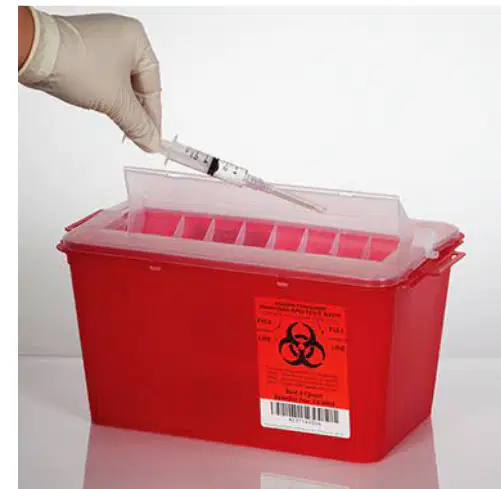
Where should used sharps be placed?
In a regular trash can
In a puncture-resistant container
In a recycling bin
On a table
Fill in the blank: One of the standard precautions for sharps safety is _____ education.
Patient
Financial
Technical
Nutritional
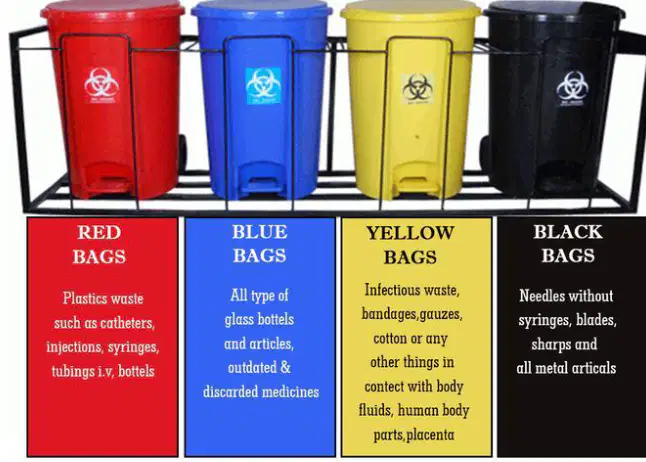
Which type of waste should be disposed of in RED BAGS?
Infectious waste, bandages, gauzes, cotton or any other things in contact with body fluids, human body parts, placenta
Plastics waste such as catheters, injections, syringes, tubings, i.v., bottles
Needles without syringes, blades, sharps and all metal articles
All type of glass bottles and articles, outdated & discarded medicines
Which color bag is used for infectious waste, bandages, gauzes, cotton or any other things in contact with body fluids, human body parts, placenta?
Red
Blue
Yellow
Black
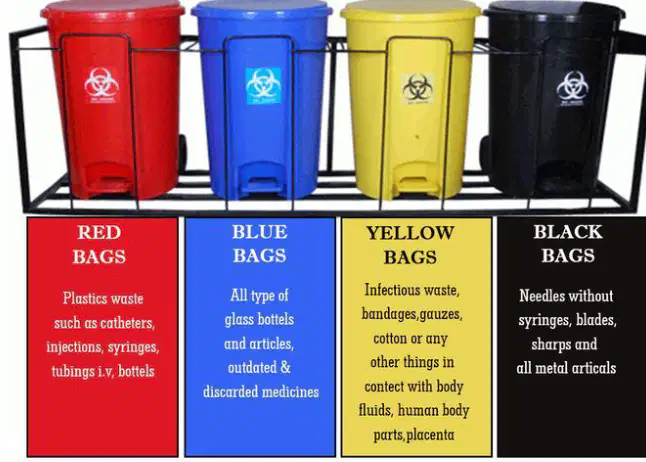
Which type of waste should be disposed of in BLACK BAGS?
Needles without syringes, blades, sharps and all metal articles
Plastics waste such as catheters, injections, syringes, tubings, i.v., bottles
Infectious waste, bandages, gauzes, cotton or any other things in contact with body fluids, human body parts, placenta
All type of glass bottles and articles, outdated & discarded medicines
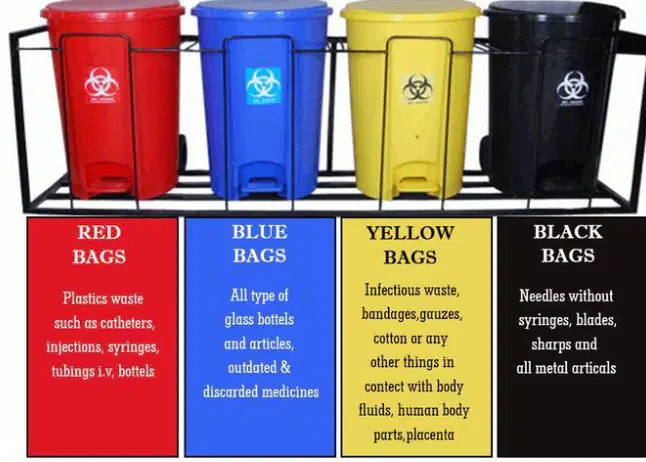
Which color bag is used for all type of glass bottles and articles, outdated & discarded medicines?
Red
Blue
Yellow
Black
Fill in the blank: One of the standard precautions for environmental controls is to _______ environmental surfaces, especially frequently used areas.
clean/disinfect
ignore
paint
cover with paper
Fill in the blank: Facility procedures should be followed for waste management, soiled linens, ________, etc.
biohazards
furniture
stationery
appliances
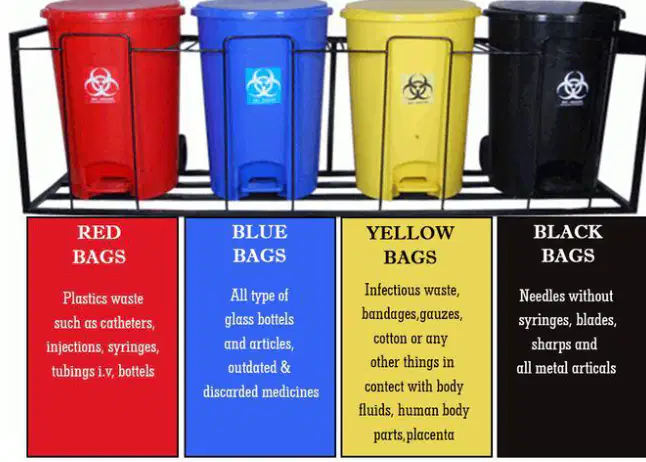
Match the following bag colors to the correct type of waste:
Red
Infectious waste, bandages, gauzes, cotton or any other things in contact with body fluids, human body parts, placenta
Blue
Plastics waste such as catheters, injections, syringes, tubings, i.v., bottles
Yellow
Needles without syringes, blades, sharps and all metal articles
Black
All type of glass bottles and articles, outdated & discarded medicines
Fill in the blank: One of the elements of standard precautions is ________ hygiene.
Hand
Foot
Hair
Nail
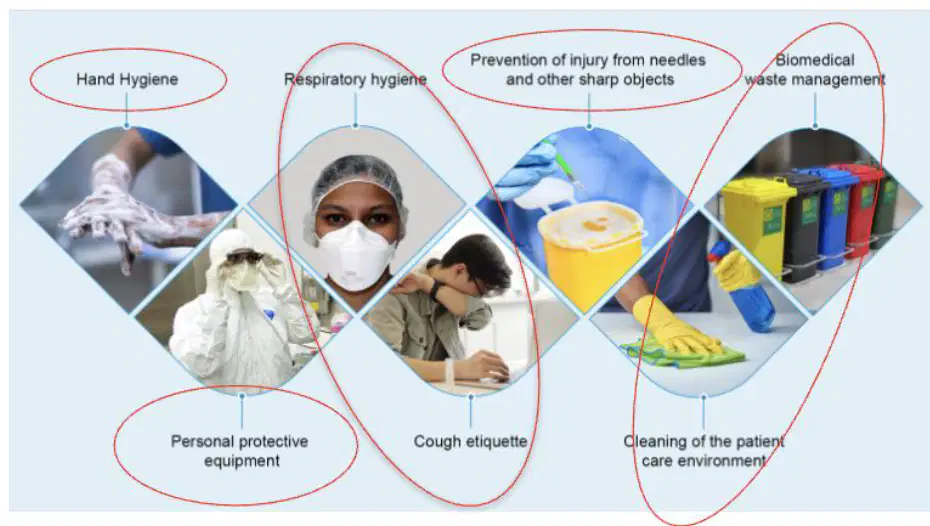
Fill in the blank: Personal ________ equipment (PPE) is an element of standard precautions.
protective
productive
preventive
progressive
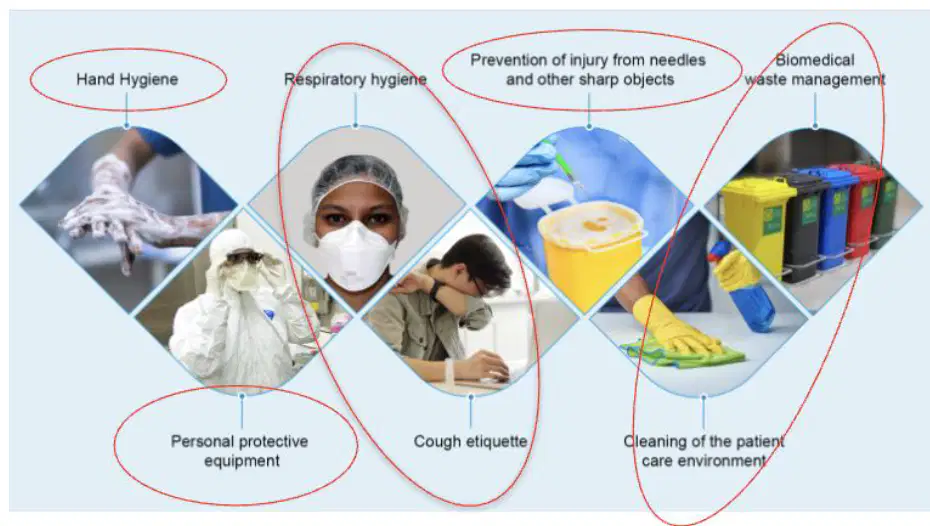
Fill in the blank: Cough etiquette and ________ hygiene are important elements of standard precautions.
respiratory
hand
oral
food
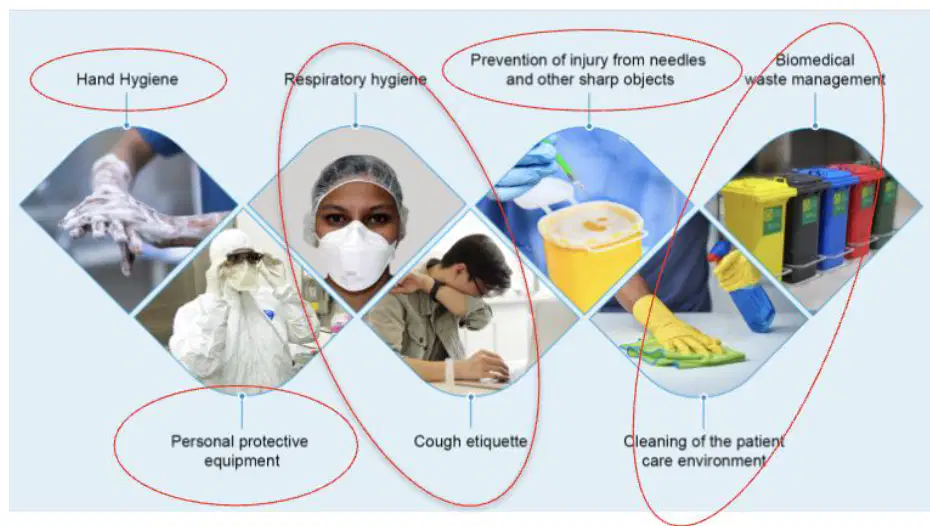
Fill in the blank: Prevention of injury from ________ or needle sticks is a key element of standard precautions.
sharps
medications
bandages
gloves
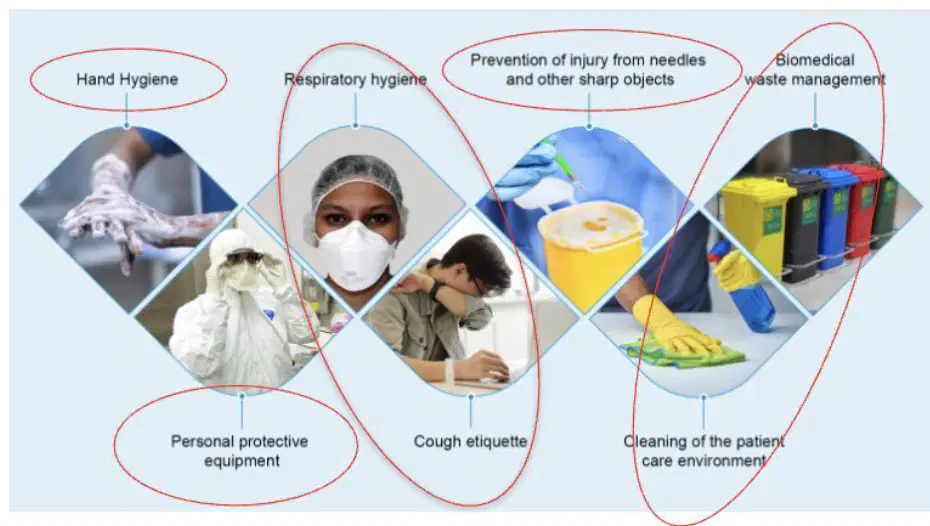
Fill in the blank: Cleaning, disinfecting, and ________ management are part of standard precautions.
waste
food
air
light
A healthcare worker is caring for a patient with a wound that is draining fluid. What standard precautions should be implemented?
Wearing gloves and practicing hand hygiene
Only wearing a mask
No precautions are necessary
Using only a gown
A healthcare worker changing a patient's soiled linens should implement which standard precautions?
Wearing gloves and practicing hand hygiene
Only wearing a mask
Using sterile technique for all linen changes
No precautions are necessary
Standard precautions that should be implemented when administering an IV injection include:
Wearing gloves and using aseptic technique
Not washing hands before the procedure
Reusing needles for multiple patients
Avoiding the use of personal protective equipment
Standard precautions are used for all patients, regardless of their infection status.
True
False
____ is a crucial step in preventing infection during healthcare procedures.
Hand hygiene
Wearing jewelry
Skipping gloves
Ignoring protocols
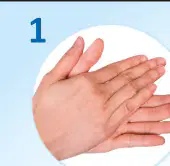
What is the first step of hand hygiene?
Rub palms together
Dry hands with a towel
Apply lotion to hands
Put on gloves
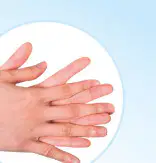
What is the second step of hand hygiene?
Rub palms together, with fingers interlaced
Rinse hands with water
Dry hands with a towel
Apply hand lotion
What is the third step of hand hygiene?
Rub right palm over left dorsum with interlaced fingers and vice versa
Apply enough soap to cover all hand surfaces
Rinse hands with water
Dry hands thoroughly with a single-use towel
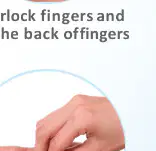
What is the fourth step of hand hygiene?
Interlock fingers and rub the back of fingers
Rinse hands with water
Apply soap to wet hands
Dry hands with a clean towel
What is the fifth step of hand hygiene?
Rotational rubbing of right thumb clasped in left palm and vice versa
Rinse hands with water
Apply enough soap to cover all hand surfaces
Rub hands palm to palm
What is the sixth step of hand hygiene?
Rotational rubbing backwards and forwards of fingertips and thumb of right hand in left palm and vice versa
Rinse hands with water
Apply enough soap to cover all hand surfaces
Rub hands palm to palm
List the 6 steps of hand washing as discussed in class.
1. Wet hands with water 2. Apply enough soap to cover all hand surfaces 3. Rub hands palm to palm 4. Rub back of each hand with palm of other hand 5. Rub palm to palm with fingers interlaced 6. Rinse hands with water
1. Apply soap to dry hands 2. Rub hands on clothes 3. Rinse with cold water only 4. Dry with a dirty towel 5. Skip interlacing fingers 6. Use sanitizer instead of soap
1. Wet hands with water 2. Apply soap only to palms 3. Rub palms together 4. Skip rubbing back of hands 5. Rinse quickly 6. Dry with air only
1. Wet hands with water 2. Apply soap 3. Rub hands for 5 seconds 4. Rinse immediately 5. Dry with paper towel 6. Touch face after washing
What are the 5 elements of standard precautions?
1. Hand hygiene 2. Use of personal protective equipment (PPE) 3. Respiratory hygiene/cough etiquette 4. Safe injection practices 5. Safe handling of potentially contaminated equipment or surfaces
1. Wearing gloves only 2. Using face masks only 3. Avoiding patient contact 4. Using hand sanitizer only 5. Disposing of all waste in regular trash
1. Hand hygiene 2. Wearing a lab coat 3. Using stethoscopes 4. Taking patient history 5. Safe handling of food
1. Hand hygiene 2. Use of personal protective equipment (PPE) 3. Wearing sandals 4. Safe injection practices 5. Safe handling of food
What type of agencies are the CDC and WHO?
The CDC (Centers for Disease Control and Prevention) and WHO (World Health Organization) are government-run agencies focused on public health and disease prevention.
The CDC and WHO are financial regulatory agencies.
The CDC and WHO are space exploration agencies.
The CDC and WHO are environmental protection agencies.
According to the meme, what must you do to avoid getting sick?
Wash your hands.
Eat more candy.
Skip breakfast.
Watch more TV.
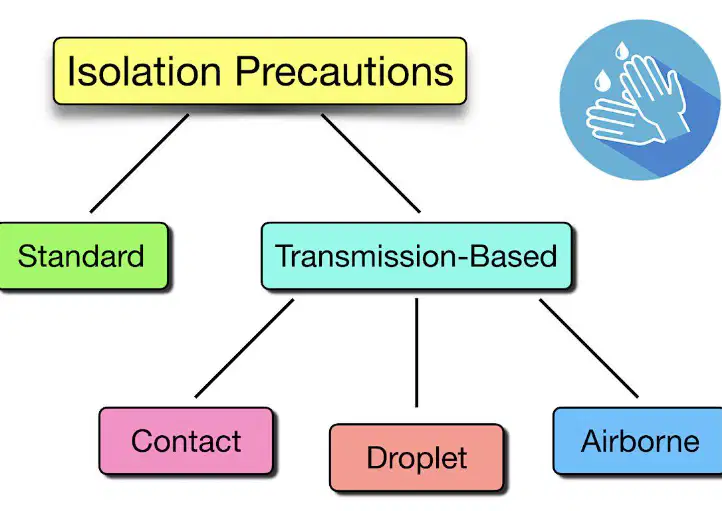
What are isolation precautions?
Steps to increase infection
Preventative steps needed to be taken by healthcare workers and staff to prevent the spread or transmission of infections
Steps to treat infections
None of the above
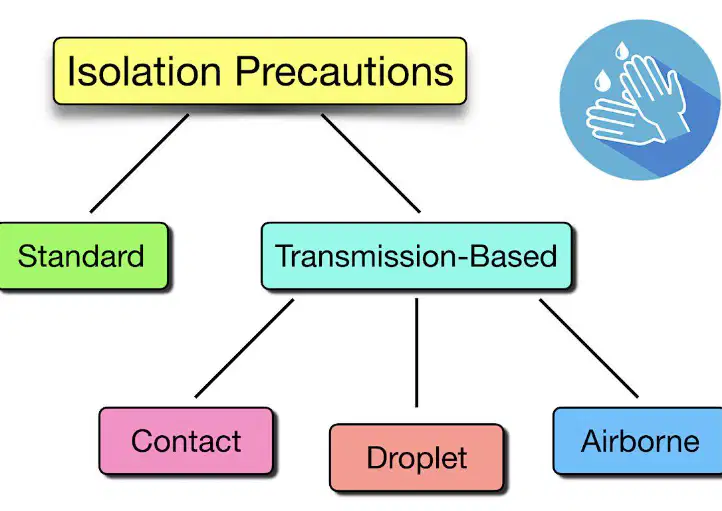
Fill in the blank: The two main types of isolation precautions are ______ and Transmission-Based.
Standard
Contact
Protective
Reverse
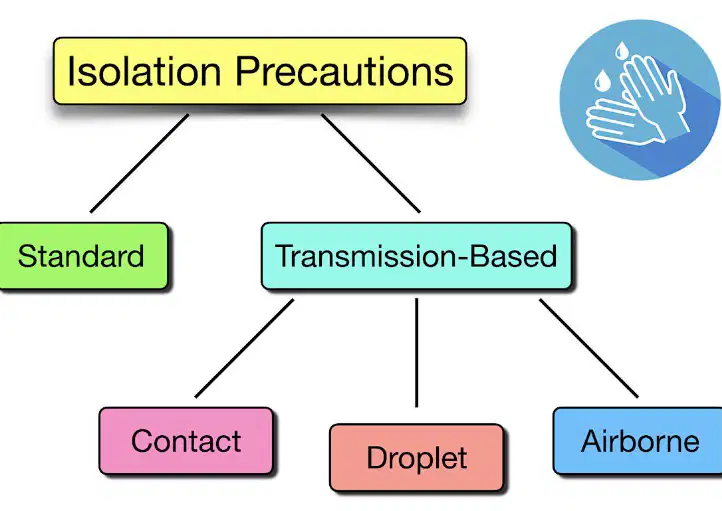
Which of the following is NOT a type of Transmission-Based isolation precaution?
Contact
Droplet
Airborne
Standard

Match the following types of isolation precautions with their categories:
Transmission-Based
B
Standard
A
Transmission-Based
C
Transmission-Based
D
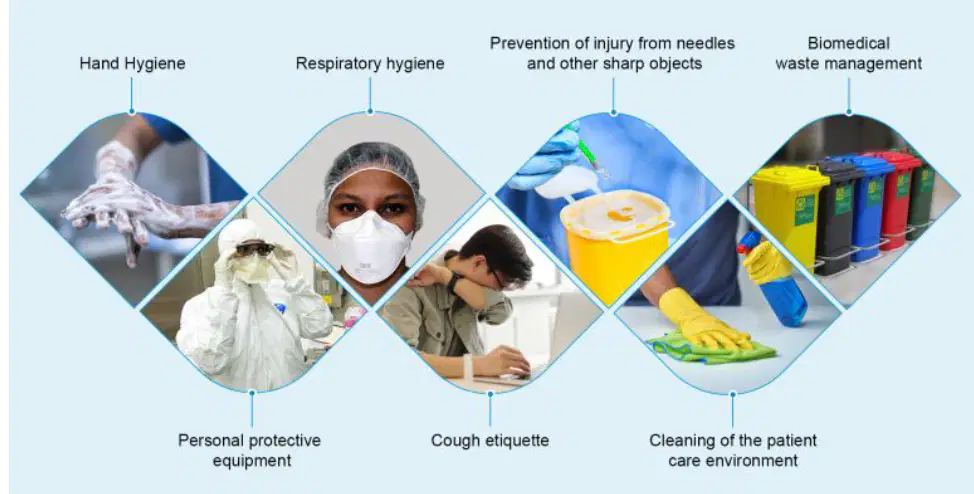
Which of the following is a standard precaution in healthcare?
Hand Hygiene
Skipping hand washing
Ignoring cough etiquette
Not using protective equipment
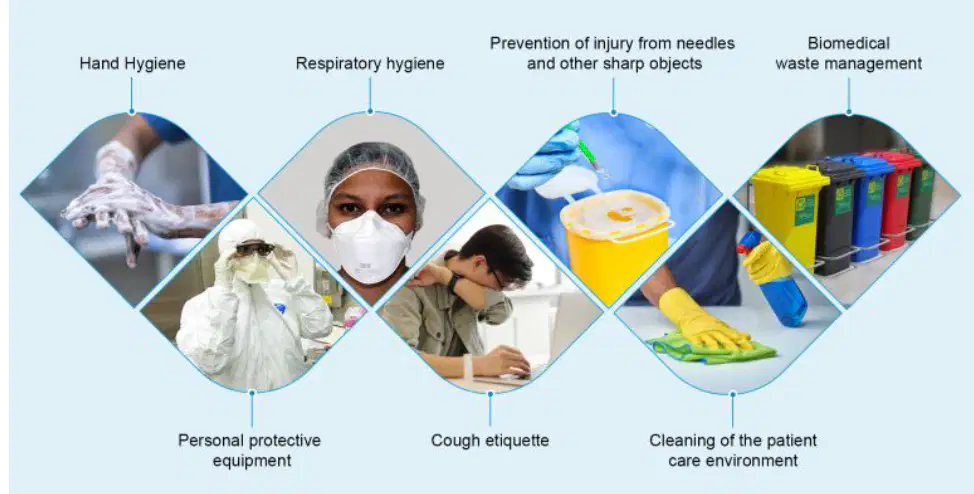
What does PPE stand for in standard precautions?
Personal Protective Equipment
Public Protection Exercise
Patient Protective Environment
Personal Patient Equipment
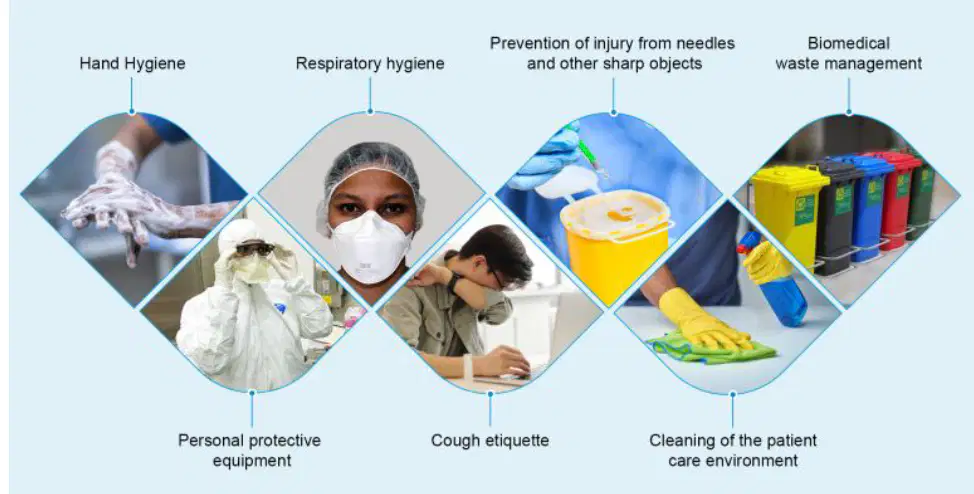
Cough etiquette is important in preventing the spread of infections.
True
False
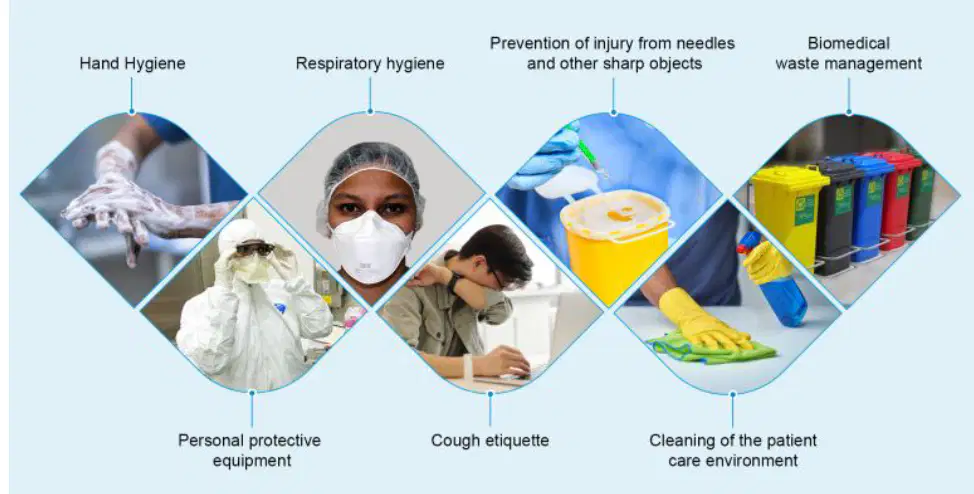
Fill in the blank: Prevention of injury from ______ and other sharp objects is a standard precaution in healthcare.
needles
bandages
gloves
stethoscopes
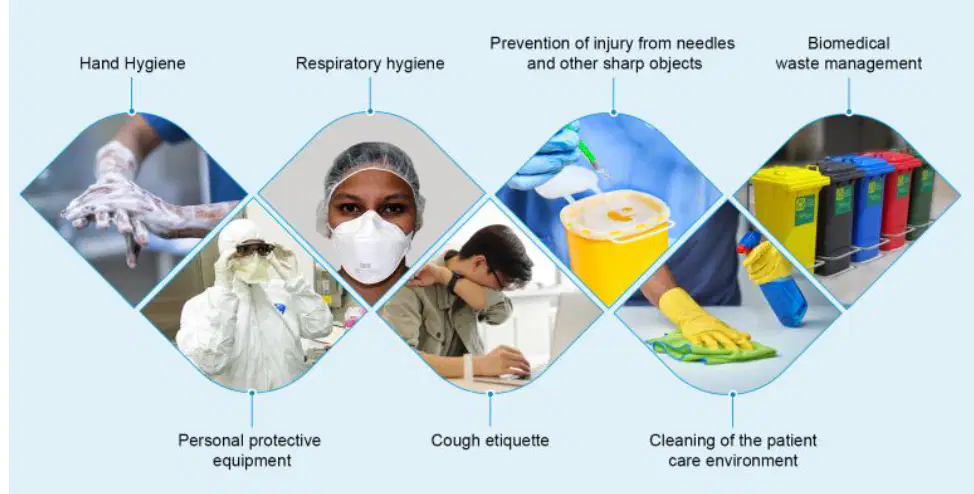
Which of the following is NOT part of biomedical waste management?
A) Segregating waste in color-coded bins
B) Mixing all waste together
C) Disinfecting waste containers
D) Proper disposal of sharps
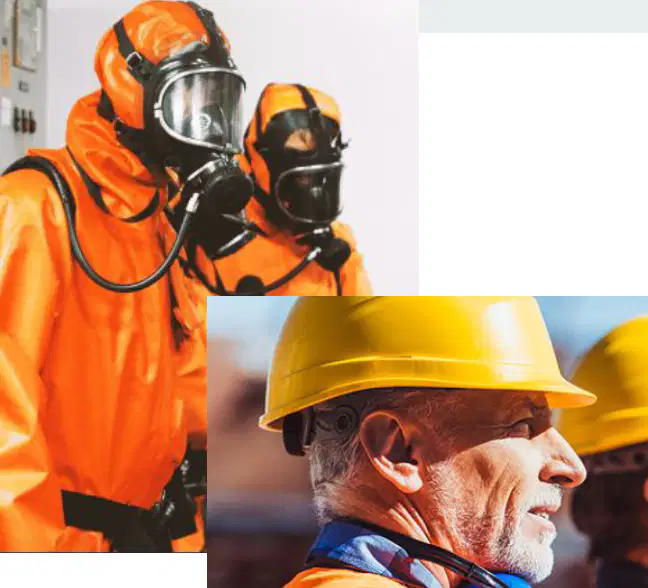
What does PPE stand for?
Personal Protective Equipment
Public Protection Equipment
Personal Preventive Equipment
Protective Public Equipment
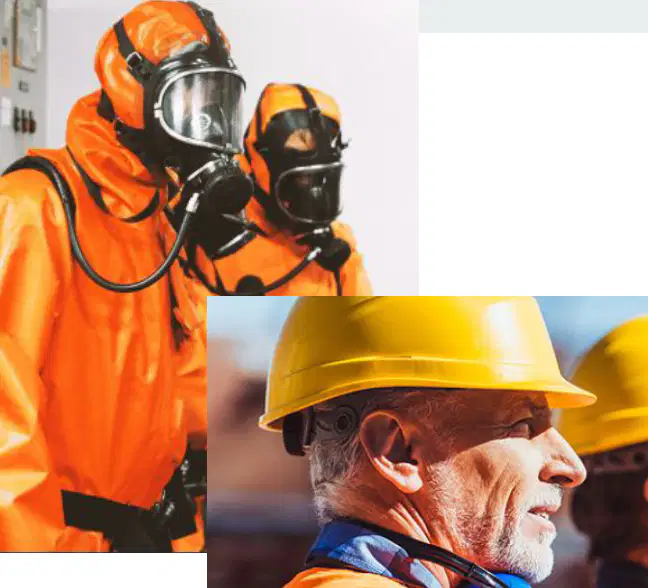
Fill in the blank: PPE is any equipment people wear to reduce the chances of getting ______ or sick.
injured
tired
hungry
bored
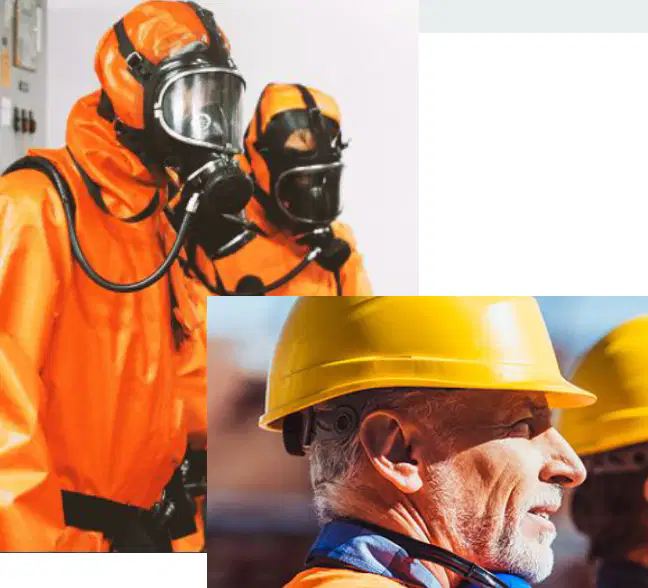
Which of the following is NOT mentioned as an example of PPE?
A) Helmets
B) Goggles
C) Gloves
D) Protective clothing
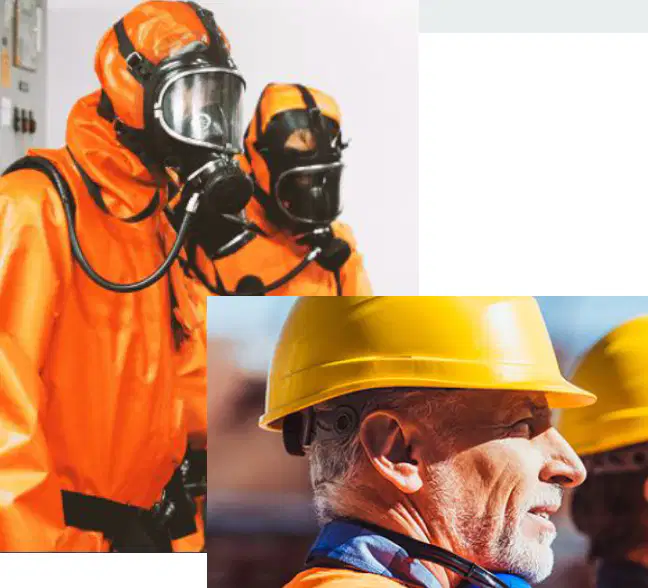
Appropriate PPE should be safe, clean, reliable, comfortable, and fit appropriately.
True
False
Donning means to put on and use PPE properly to achieve the intended protection and minimize the risk of ________.
exposure
comfort
visibility
mobility
Doffing means removing PPE in a way that avoids ________.
self-contamination
discomfort
wasting time
equipment damage
noise
What does PPE stand for?
Personal Protective Equipment
Public Policy Education
Professional Performance Evaluation
Primary Power Equipment
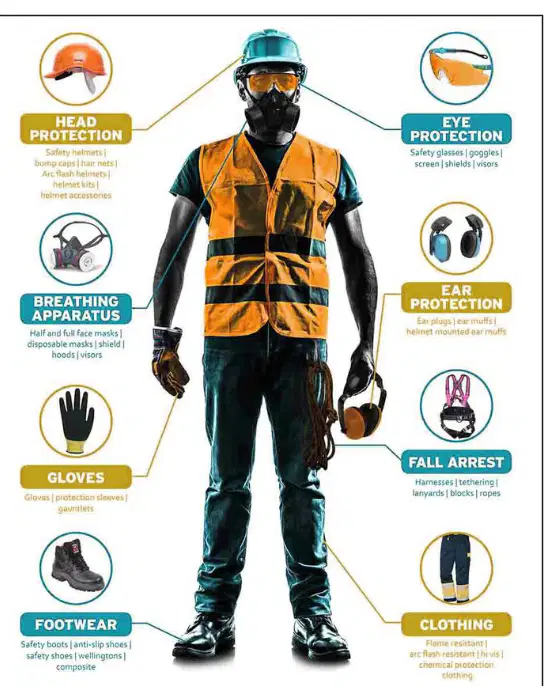
Match the type of PPE with its description:
Head Protection
Safety helmets, bump caps, helmet accessories
Eye Protection
Safety glasses, goggles, visors
Ear Protection
Ear plugs, ear muffs
Breathing Apparatus
Half and full face masks, visors
Gloves
Gloves, protection sleeves

Which of the following is used for head protection?
Safety boots
Safety helmets
Gloves
Ear plugs
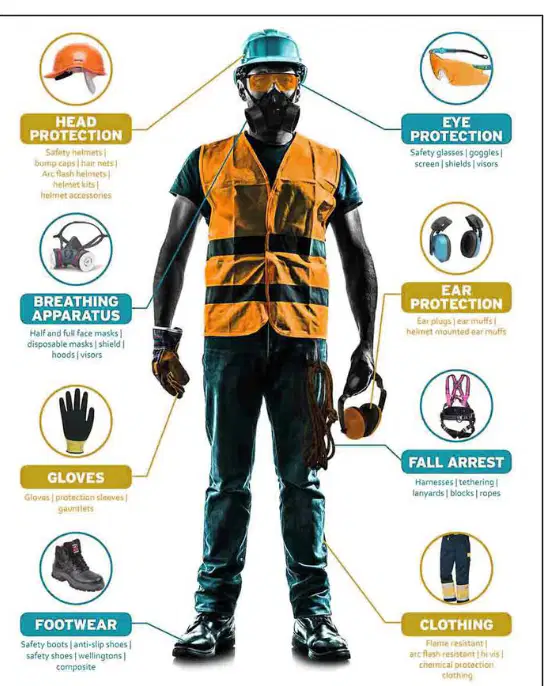
Which PPE is used to protect your eyes?
Gloves
Safety glasses
Safety boots
Harnesses
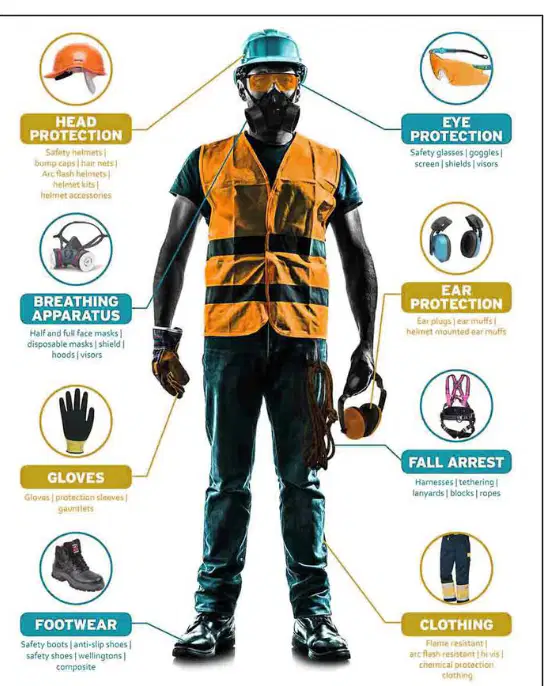
Which PPE is used for hearing protection?
Ear plugs
Safety boots
Gloves
Visors
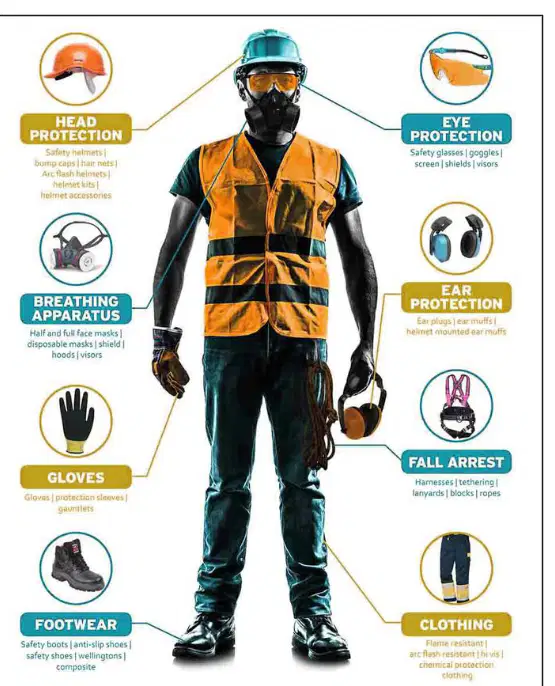
Which PPE is used for breathing protection?
Gloves
Half and full face masks
Safety boots
Ear muffs
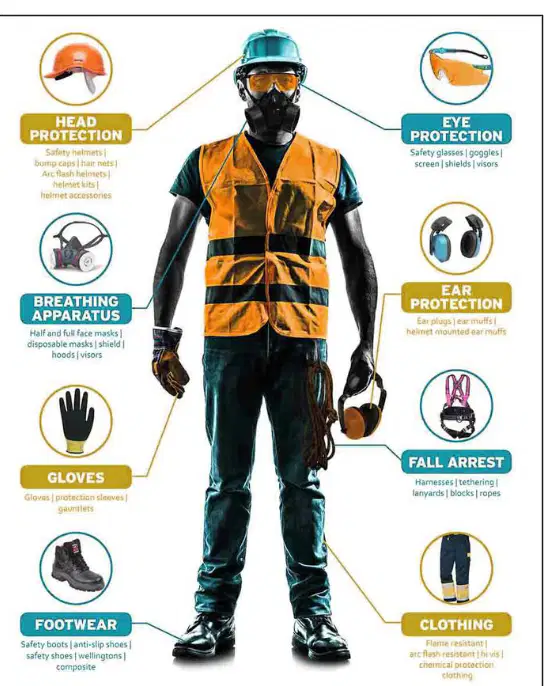
Which PPE is used for hand protection?
Gloves
Safety boots
Ear plugs
Harnesses
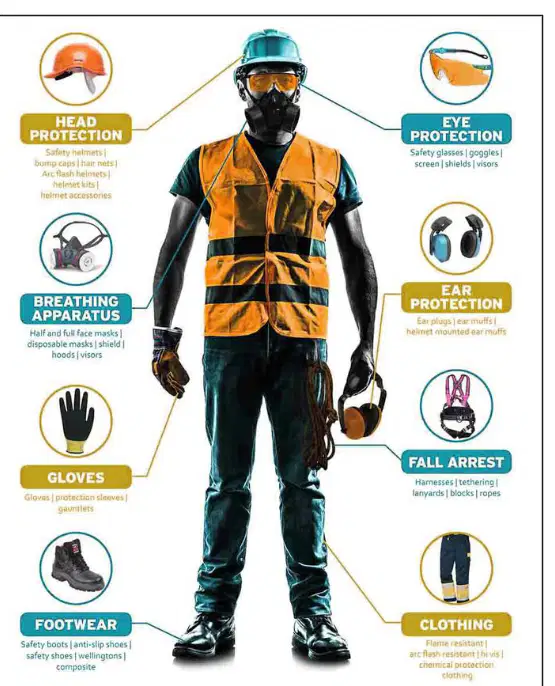
Which PPE is used for fall protection?
Harnesses
Safety glasses
Gloves
Safety boots
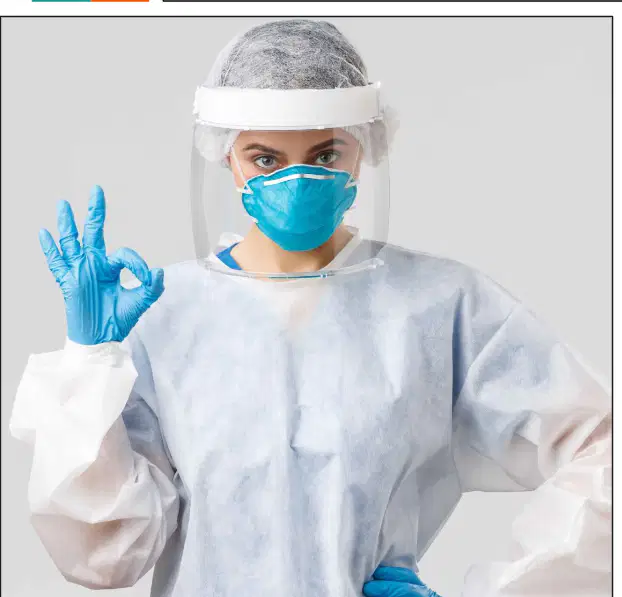
Which of the following is a type of PPE used in the medical field?
Gown
Scarf
Apron
Tie
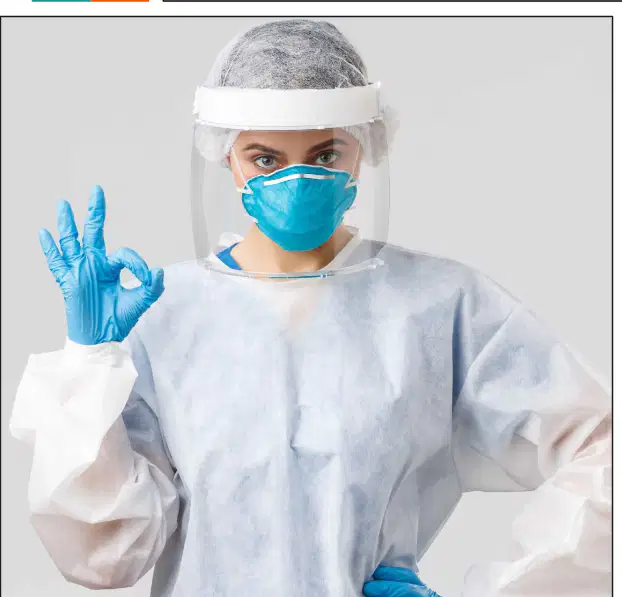
Which of the following is worn on the face to protect from airborne particles in the medical field?
Mask
Socks
Belt
Watch
Fill in the blank: A ________ is a type of respirator commonly used in the medical field for protection against airborne particles.
N95
Surgical Mask
Cloth Mask
Dust Mask
Which of the following PPE items is used to protect the eyes in the medical field?
Goggles
Shoes
Gloves
Apron
Fill in the blank: A ________ is a transparent shield worn over the face for protection in the medical field.
faceshield
stethoscope
bandage
thermometer
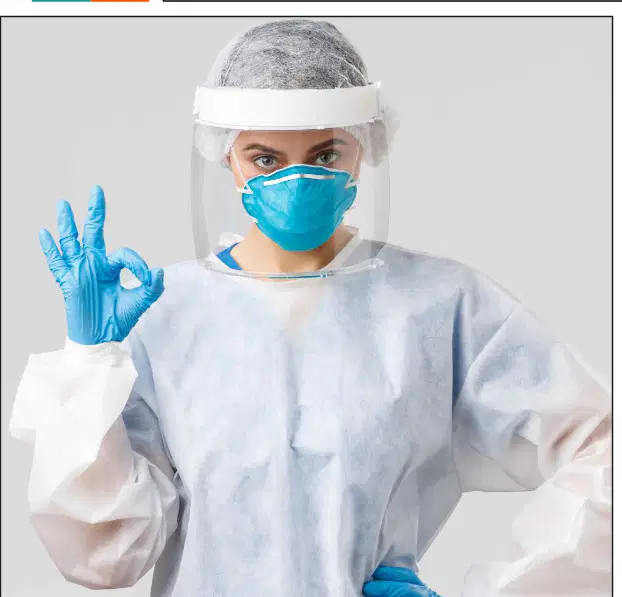
Which PPE item is worn on the hands for protection in the medical field?
Gloves
Mask
Gown
Head cover
Fill in the blank: A ________ is worn on the head as part of PPE in the medical field.
head cover
glove
apron
shoe cover
Which of the following PPE items is worn on the feet in the medical field?
Shoe covers/booties
Gloves
Mask
Goggles
Fill in the blank: ________ are worn on the legs as part of PPE in the medical field.
leg covers
face masks
gloves
goggles

