Worksheets
Understanding Risks, Safety, and Emergency Responses
Total questions: 31
Worksheet time: 17mins
What does the term 'risk' refer to?
A situation with no possible outcomes
A guaranteed positive outcome
An action taken with exposure to danger or loss
An action taken with no consequences
What is a key consideration when assessing risks?
Taking risks without preparation
Acknowledging possible outcomes
Avoiding all risks
Ignoring possible outcomes
What phrase is often associated with risk-taking?
Risk guarantees success
Risk is unnecessary
Risk always leads to failure
With big risk comes big reward
What should you ask yourself in a risky situation?
Am I prepared for the consequences if this does not work?
Can I avoid all risks?
Is risk always harmful?
Will this risk guarantee success?
What should always be prioritized in risky situations?
Entertainment
Safety, health, and wellbeing
Financial gain
Peer approval
What is a common reason people take risks?
To impress others
To avoid consequences
To guarantee success
To follow strict rules
What is a sign of manipulation in risky situations?
Expecting others to compromise their health or safety
Providing support
Encouraging safety
Avoiding dangerous acts
What is the purpose of the DRSABCD action plan?
To avoid medical assistance
To encourage risky behavior
To ignore injuries
To address life-threatening conditions and protect others
What should you do if you are unsure about medical assistance?
Wait for someone else to act
Avoid calling for help
Ignore the situation
Call triple zero (000)
What is anaphylaxis?
A common cold
A minor injury
A serious, potentially life-threatening allergic reaction
A mild allergic reaction
What is used to treat anaphylactic shock?
A cold compress
A painkiller
An EpiPen
A bandage
What is the most common type of asthma in children?
Chronic asthma
Severe asthma
Persistent asthma
Intermittent asthma
What is a characteristic of persistent asthma?
Occasional attacks
Frequent symptoms and attacks
No need for medication
No impact on daily life
Which group is most affected by drowning?
Adults over fifty
Middle-aged individuals
Children under five
Teenagers
What percentage of drowning deaths in children aged 0–4 occur after a fall into water?
78%
30%
94%
50%
What is a key aspect of water safety?
Taking risks near water
Avoiding all water activities
Understanding potentially unsafe water environments
Ignoring unsafe environments
What does the "S" stand for in DRSABCD?
Support
Send for help
Send for others
Start CPR
You need to perform CPR on a casualty, what is the correct procedure?
1 breath: 5 compressions
30 breaths: 2 compressions
30 Compressions: 2 breaths
30 compressions: 1 breath
What does CPR actually stand for?
Cardio-pulse resusitation
Cardiopulmonary research
Can perform resuscitation
Cardiopulmonary resuscitation
What is the saying used to help check if a person is breathing?
Look, Listen, Feel
Listen, Look, Feel
Check, Squeeze, Ask
Look, Listen, Touch
Which injury is the priority – bleeding arm or broken leg?
Bleeding Arm
Broken Leg
How far would you compress the chest of an adult during CPR?
1/4 of chest depth
1/2 of chest depth
1/3 of chest depth
3/4 of chest depth
When giving rescue breaths, how do you know you are breathing enough air into the casualty?
Watch for their skin to change colour
Just blow as hard as you can
Breathe until their chest rises
Check for an increased pulse rate
Which statement is FALSE regarding when it is ok to stop performing CPR on a casualty?
When qualified help arrives and takes over
When somebody tells you to
The casualty starts breathing normally
You become physically unable to continue
How far would you compress the chest of an adult during CPR?
1/4 of chest depth
1/2 of chest depth
1/3 of chest depth
3/4 of chest depth
What is the rate of compression when performing CPR?
100-120 per minute
100-120 per hour
100-130 per minute
100-128 per minute
What is the sequence when opening up the casualty's airway?
Pinch nose, Tilt Head backwards by lifting the chin
Cover nose, Tilt Head Sideways by pushing the cheek
Pinch Chin, Tilt head forwards, lifting the nose
Pinch Nose, Tilt head backwards by lifting the ears
What number do you call for emergency services in Australia
911
123
000
101
When arriving at a first aid scene, who is the most important person?
Casualty
Yourself
Bystanders
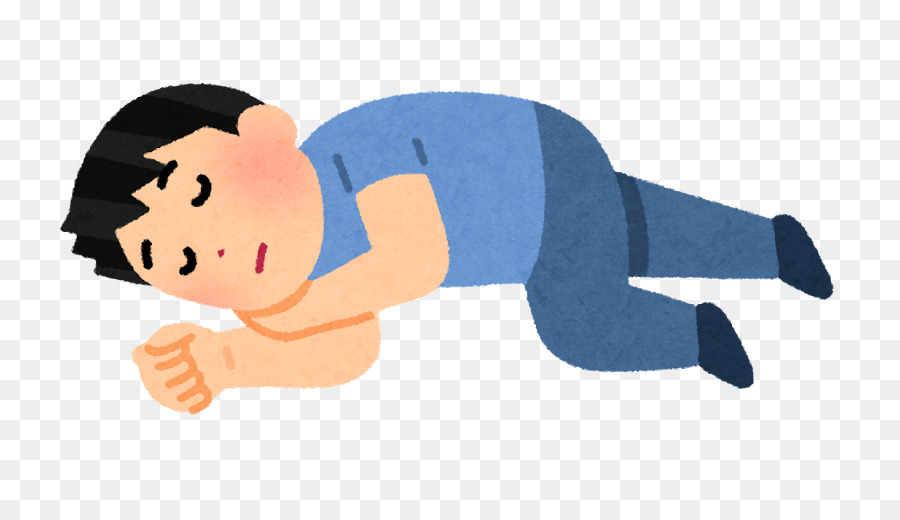
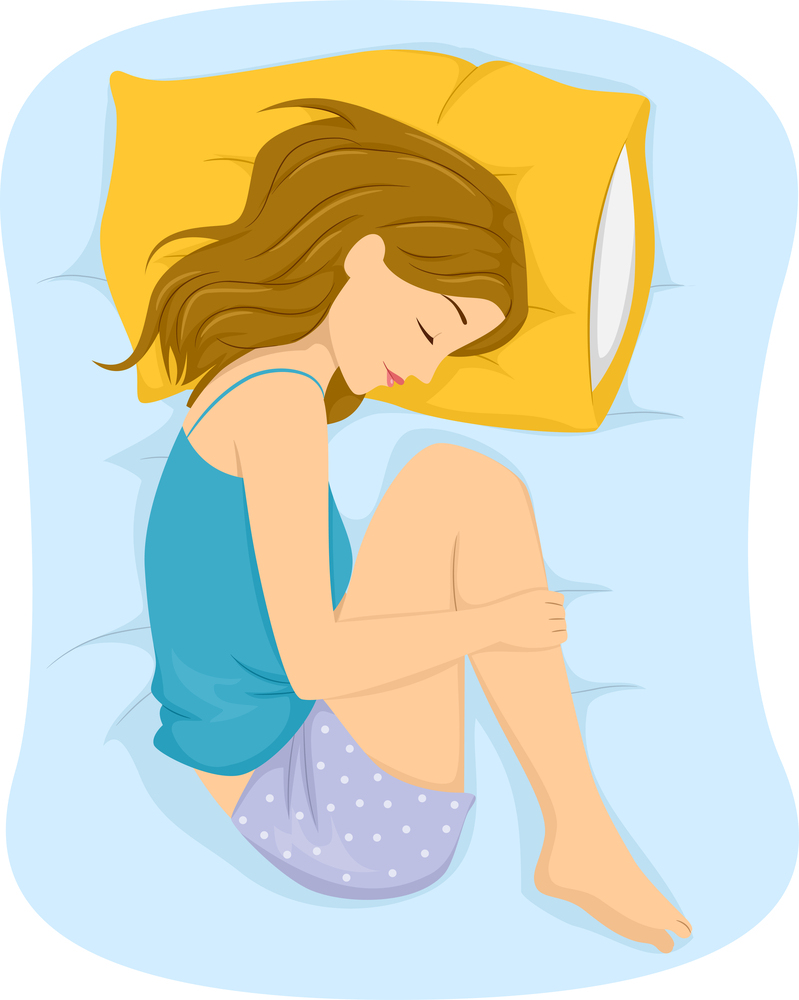
Which of the following is the correct recovery position?