
 Worksheets
Finishing Materials
Total questions: 60
Worksheet time: 30mins
Why do we apply finishes to materials?
To enhance the aesthetic appeal of a product
To increase the durability of a product
To protect the product from damage
All of the above
Why are finishes considered important in production?
They reduce production costs
They improve the quality and longevity of products
They simplify the manufacturing process
They eliminate the need for raw materials
Which factor determines the type of finish to use in production?
The color of the product
The material of the product
The size of the product
The location of the production facility
What is the primary purpose of applying a finish to a product?
To increase the weight of the product
To enhance visual appeal and provide protection
To reduce the cost of manufacturing
To make the product biodegradable
Which of the following is an example of a finish applied for protection?
Paint
Dye
Heat-resistant coating
Glitter
What should be considered when selecting an appropriate finish for a product?
The size and weight of the product
The compatibility of the finish with the material and its function
The cost of the finish only
The color of the finish
Which of the following is an example of a finish applied for aesthetic purposes?
Rust-resistant coating
Paint or dye
Heat-resistant coating
Anti-mould treatment
Why might a finish be applied to make a material stronger or last longer?
To improve its aesthetic appeal
To prevent corrosion, staining, rust, or mould growth
To reduce its weight
To make it biodegradable
What is the primary purpose of surface preparation?
To enhance the color of the surface
To ensure the finish applied is effective
To make the surface waterproof
To increase the weight of the material
What can wire wool be used for during surface preparation?
To remove rust from metal
To smooth plastics
To remove roughness caused by dust and debris between coats
To polish wood
Which material requires degreasing to remove oils before applying a finish?
Wood
Metal
Plastic
Glass
What type of paper is used to remove imperfections between coats of paint on metal?
Glass-paper
Silicon carbide paper (wet and dry)
Wire wool
Cork block
What is a self-finishing material?
A material that requires a finish to enhance its appearance
A material that does not require a finish (e.g., plastic)
A material with a protective coating applied to its surface
A material with a coating applied to enhance its performance
Which type of finish is applied to enhance the performance of a material, such as waterproofing?
Surface finish
Special finish
Smart finish
Self-finishing
What is the purpose of a special finish?
To enhance the appearance of a material
To make a material water-resistant
To apply a protective coating to the surface of a material
To make a material heat-resistant
What is Goretex engineered to be?
Heat resistant
Water resistant
Scratch resistant
Fireproof
What is Nomex commonly used for?
Making materials waterproof
Enhancing the appearance of materials
Personal Protective Equipment (PPE) due to its heat resistance
Adding a protective coating to materials
What does the term "built-in finish" refer to in specialist materials?
A finish that is applied manually after production
A finish that is integrated into the material during manufacturing
A finish that enhances the appearance of the material
A finish that requires spraying to be effective
What is the primary material used for galvanising?
Aluminium
Iron and steel
Copper
Titanium
Which metal finishing process uses electrolysis to build protective layers onto the base of the material?
Galvanising
Anodising
Electroplating
Powder Coating
What is the main reason for using electroplating on iron and steel?
To add colour
To prevent rust and corrosion
To improve ergonomic features
To add hard, protective coating
Which metal finishing process involves dipping a metallic object into a tank of thermoplastic coating?
Powder Coating
Plastic Dip Coating
Paint
Oil/Grease
What is the primary application of powder coating?
Prevent corrosion
Add hard, protective coating
Improve ergonomic features
Add shine and improve looks
Which process uses machine buffing or hand polishing with a cloth to add shine and improve looks?
Oil/Grease
Polish
Paint
Electroplating
What is the main reason for using paint as a metal finish?
Prevent corrosion and improve looks
Add shine and improve looks
Increase corrosion resistance
Improve ergonomic features
What is the primary material used for anodising?
Iron and steel
Aluminium, titanium, magnesium
Copper
Any metal
What is a natural characteristic of wood that makes it prone to damage?
It is resistant to moisture.
It is prone to attack from moisture, insects, and weathering.
It is immune to insect damage.
It does not require any protective finishes.
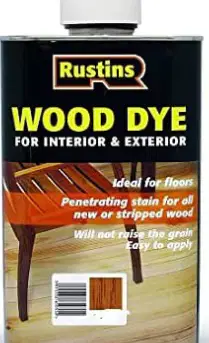
What is the purpose of using wood stains or color washes on wood grain?
To make the wood waterproof.
To change its color or shade and provide additional protection.
To make the wood resistant to fire.
To remove the natural grain of the wood.
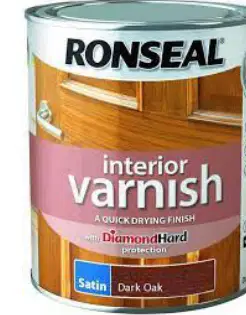
Why should finishes be applied to wood?
To make the wood heavier.
To preserve the material as it is susceptible to wet and dry rot.
To make the wood lighter.
To remove the natural grain of the wood.
Which type of wood finish is applied by buffing or by hand with a cloth and adds a dull sheen while bringing out the grain of the wood?
Wax Polish
French Polish
Varnish
Paint (Oil or water-based)
What is the primary material used for French Polish application?
Hardwoods (mahogany)
Softwoods
MDF (Medium Density Fiberboard)
Any wood
Which wood finish is commonly used for boat decking due to its protective properties and aesthetic appeal?
Varnish
Wood Stain
Exterior Wood Stain
Cellulose Sealant
Which wood finish is used to apply colour or bring out the wood grain and is suitable for both interior and exterior furniture?
Wood Stain
Wax Polish
French Polish
Cellulose Sealant
What is the main reason for using Exterior Wood Stain on sheds, garden furniture, trellis, and fences?
Preservative to protect from elements
High gloss finish
Adds dull sheen
Seals surface prior to further finish
Which wood finish adds protective coating and improves aesthetics, making it suitable for internal doors, frames, and skirting boards?
Paint (Oil or water-based)
Varnish
Wax Polish
Exterior Wood Stain
What must be done to the surface of the metal before applying cellulose or acrylic paint?
It must be polished and waxed.
It must be cleaned, de-greased, and primed.
It must be heated and cooled.
It must be sanded and coated with oil.
Why is an undercoat applied before the color in painting metals?
To make the paint dry faster.
To achieve a full, rich color.
To prevent the paint from cracking.
To make the surface smoother.
What additional layer is applied to cars and other shiny products after the paint layer?
A layer of wax.
A clear lacquer.
A layer of primer.
A layer of enamel.
What is the primary purpose of electroplating?
To increase the weight of the metal product
To provide a protective layer and enhance aesthetic qualities
To make the metal product magnetic
To change the chemical composition of the metal product
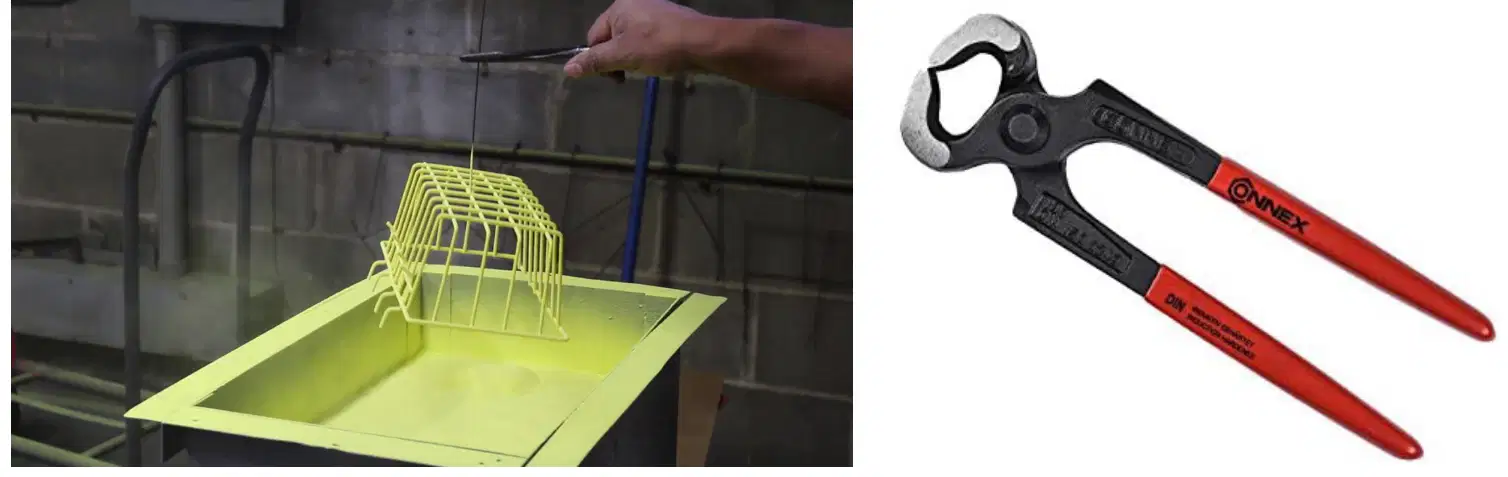
What is the purpose of polymer dip coating in metal finishes?
To create a rough surface on the metal.
To ensure the metal is resistant to heat.
To give the metal a tight-fitting and even finish.
To make the metal lighter in weight.
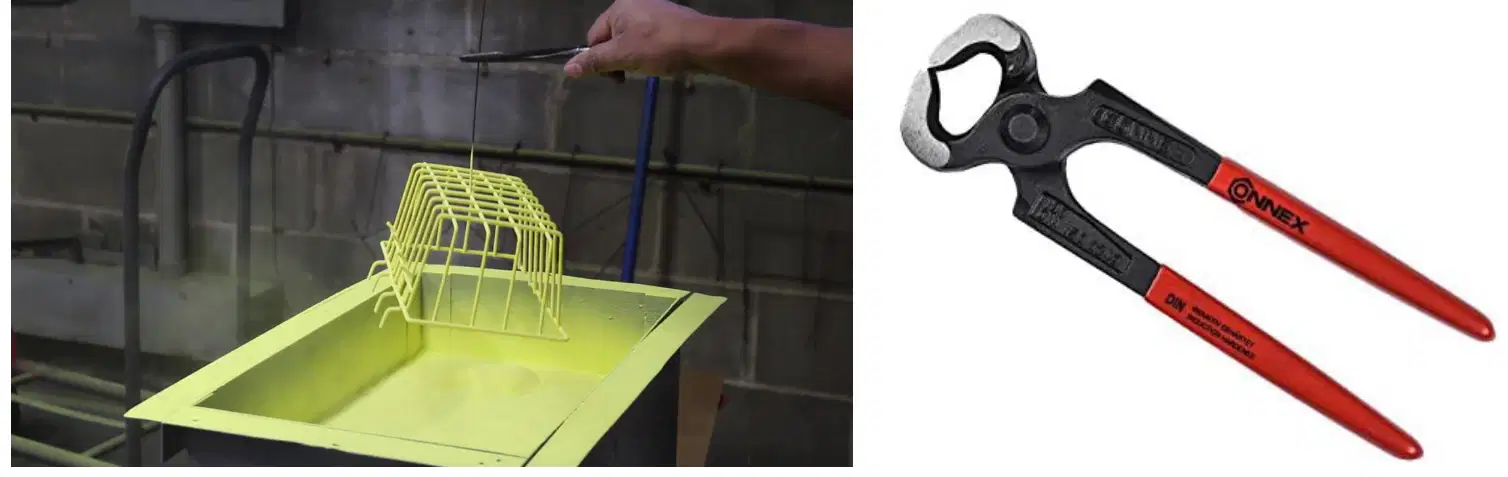
What is the first step in the polymer dip coating process?
Dipping the metal into the polymer powder tank.
Heating the metal product.
Blowing air into the polymer powder tank.
Cooling the metal product.
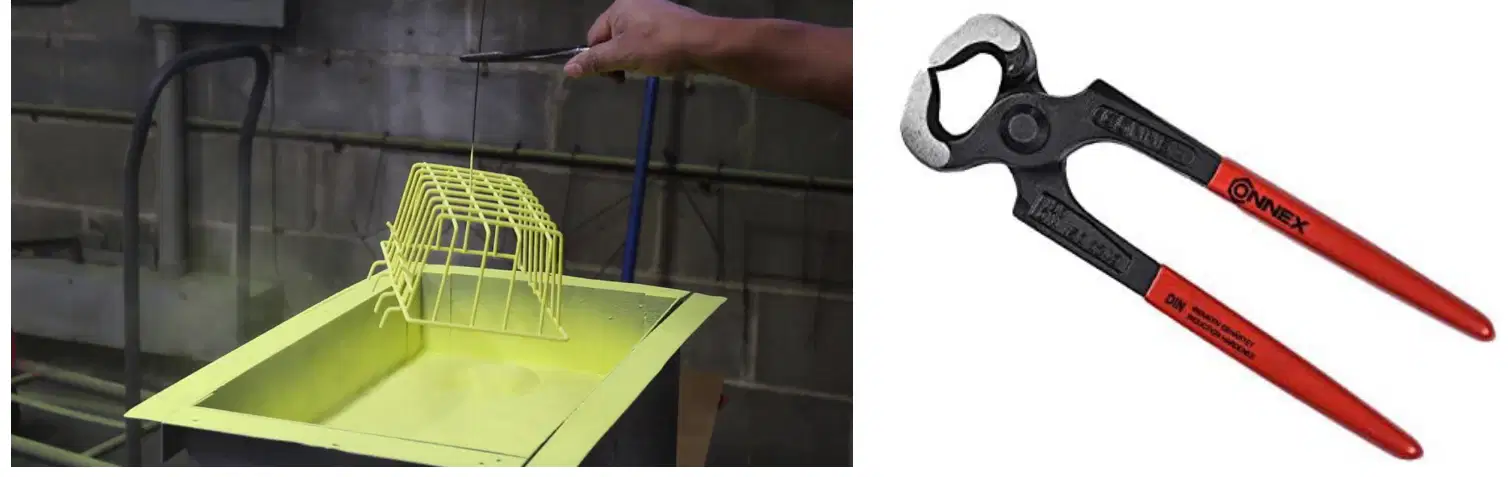
Why is air blown into the polymer powder tank during the polymer dip coating process?
To cool the polymer powder.
To ensure even distribution of the powder.
To heat the polymer powder.
To remove impurities from the powder.

Which type of products commonly use polymer dip coating?
Wooden furniture.
Wire coat hangers and outdoor equipment.
Glassware.
Paper products.
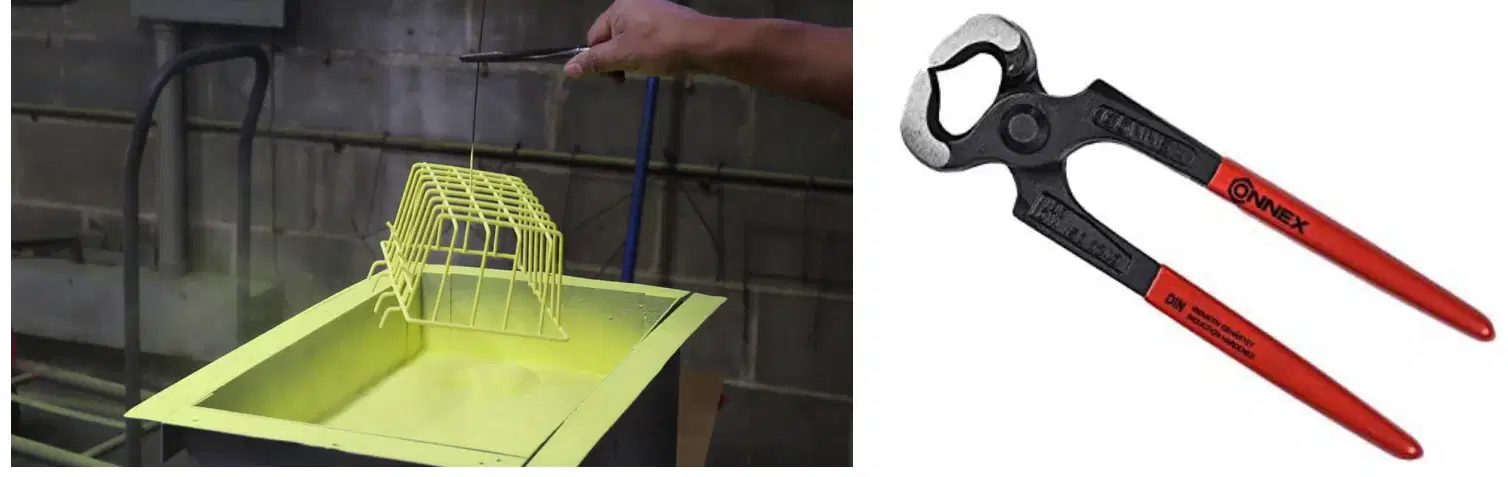
What happens to the polymer powder when the hot metal is dipped into it?
The polymer powder evaporates.
The polymer powder melts into a polymer, giving a tight-fitting finish.
The polymer powder hardens instantly.
The polymer powder changes color.
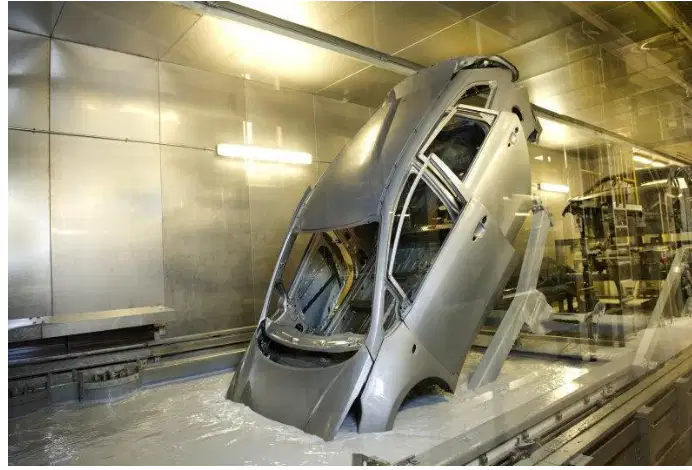
What is the process of coating metals with zinc called?
Tin plating
Galvanizing
Electroplating
Anodizing
Which of the following products is commonly tin plated?
Car bodies
Food cans
Hinges
Screws
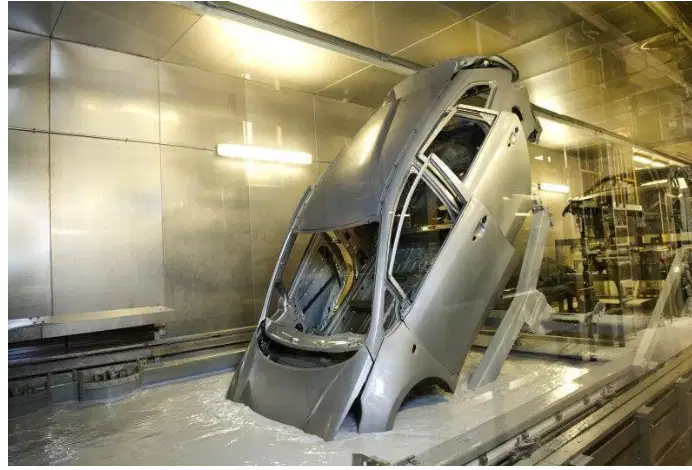
Why is metal dip coating often used for inexpensive metals?
To make the metal more expensive
To provide a decorative finish
To protect the metal from corrosion
To increase the melting point of the metal
What happens to the polymer powder after it is sprayed onto the product in the powder coating process?
It is washed off with water.
It is baked in an oven to form an even coat.
It is left to dry naturally.
It is polished with a cloth.
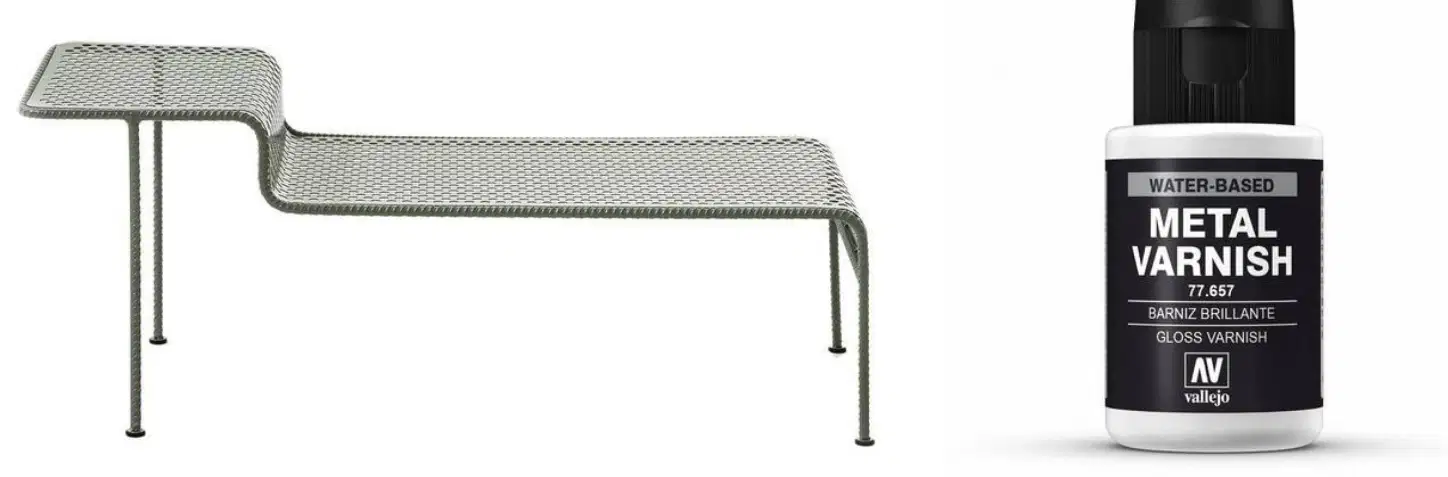
What is the primary purpose of metal varnishing?
To add color to metals
To provide a clear surface finish and resistance to corrosion
To make metals heavier
To remove rust from metals
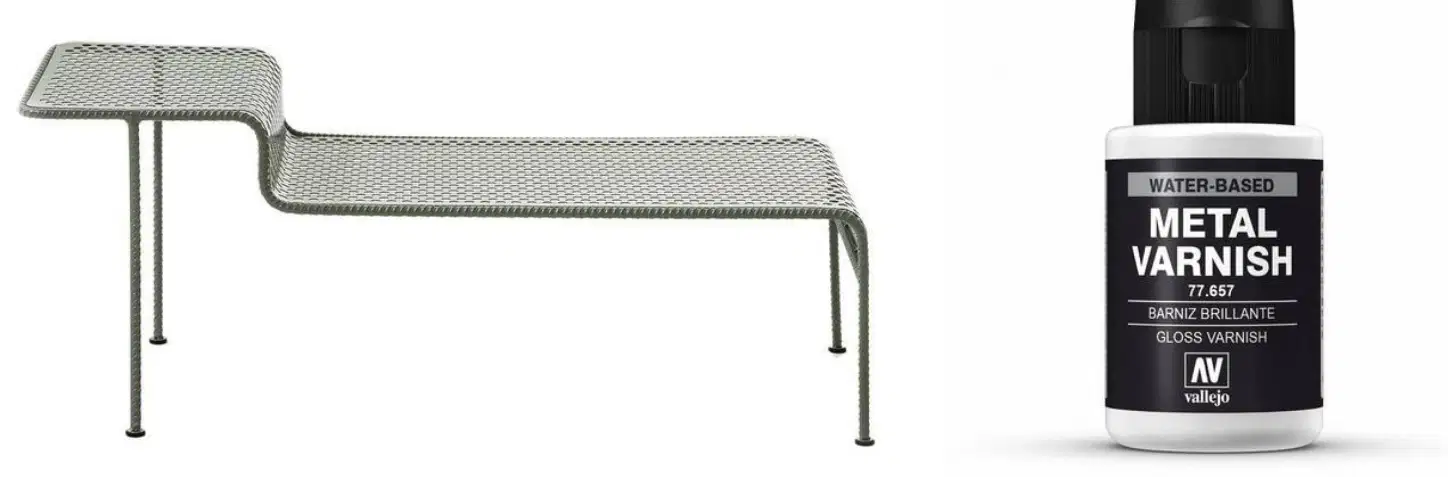
How is varnish applied to metals?
By dipping the metal in water
By applying it like paint or spray
By heating the metal
By rubbing it with sandpaper
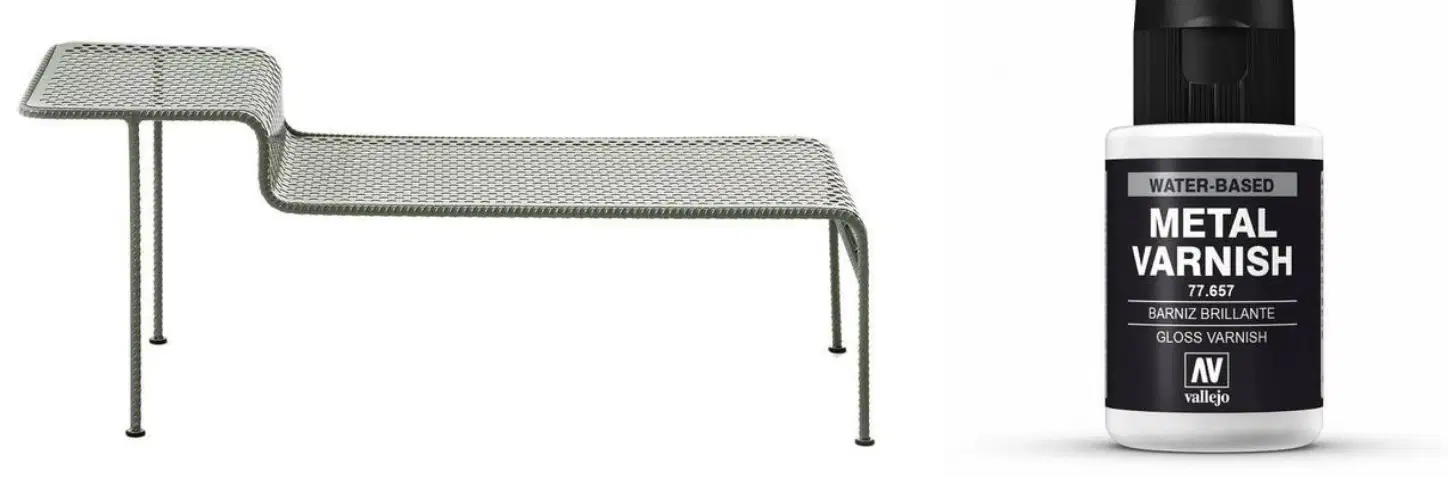
What is a characteristic of varnish used on metals?
It contains pigments for coloring
It is completely clear without any pigment
It is used to make metals magnetic
It is applied only to non-metal surfaces
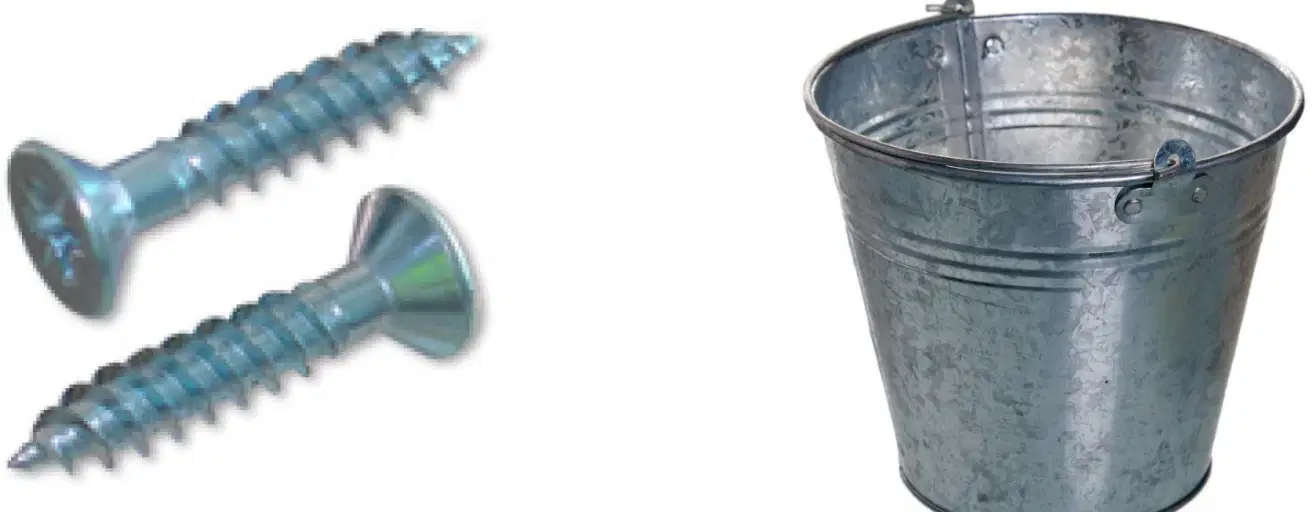
What is galvanizing primarily used for?
Coating steels
Painting metals
Polishing surfaces
Strengthening alloys
Which material is used in the galvanizing process?
Copper
Zinc
Aluminum
Iron
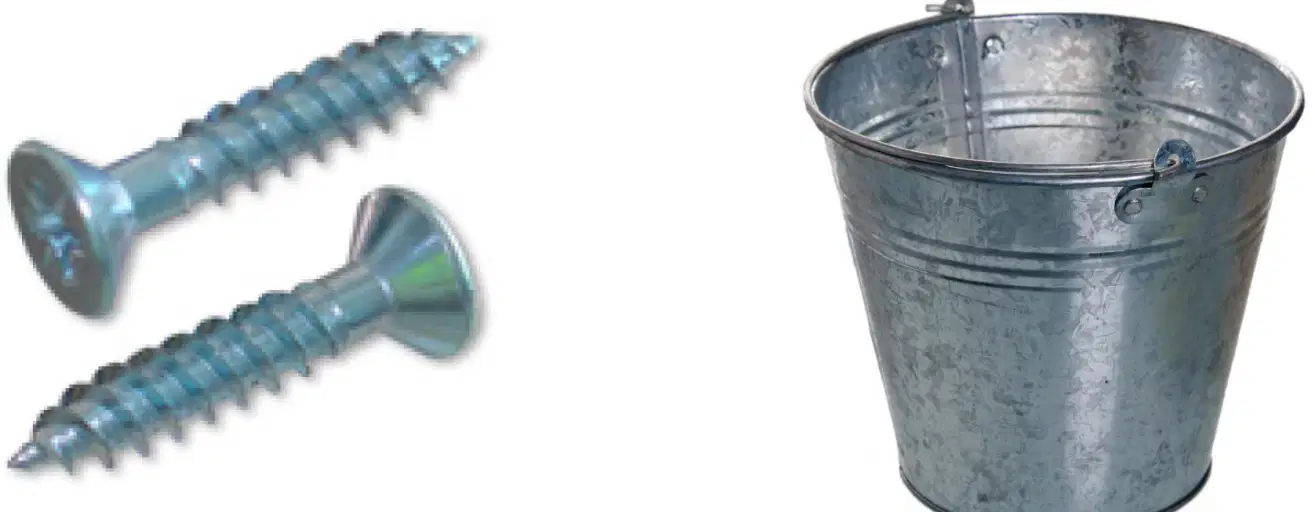
Which of the following products is commonly galvanized for outdoor use?
Wooden beams
Plastic containers
Steel support beams
Ceramic tiles
What is the purpose of galvanizing steel products?
To make them lighter
To coat them with zinc for protection
To change their color
To increase their flexibility
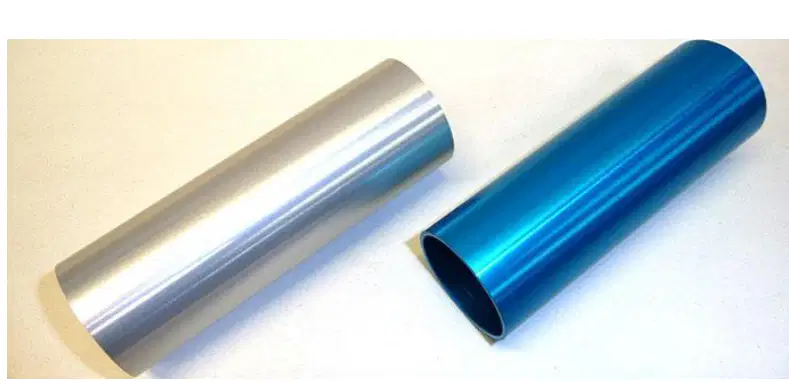
How does anodising differ from electroplating?
Anodising penetrates the surface of the material, while electroplating does not.
Electroplating enhances the oxide layer, while anodising removes it.
Anodising adds a plastic coating, while electroplating adds a metal coating.
Electroplating is used for aluminium, while anodising is used for steel.
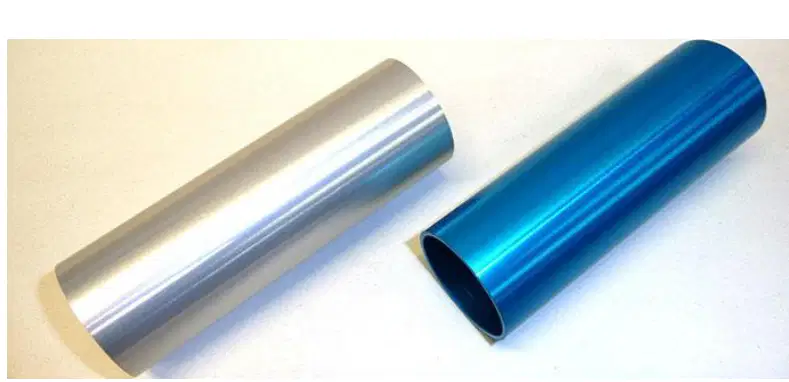
What is one benefit of anodising aluminium products?
Increased hardness and toughness.
Reduced weight of the product.
Improved electrical conductivity.
Enhanced flexibility of the material.
Select two advantages of spray painting compared to applying paint with a brush.
Faster application and smoother finish
Requires more effort and time
Produces uneven coating
Limited color options
Which of the following are important safety precautions to take when spray painting?
Wear protective gear and ensure proper ventilation
Use a brush instead of spray paint
Avoid cleaning the spray equipment
Ignore the manufacturer's instructions
What material is used to dip coat metal?
Plastic
Wood
Glass
Rubber

