
 Worksheets
Characteristics of Matter
Total questions: 110
Worksheet time: 2hrs 50mins
Choose all of the items that could be used to describe the physical characteristics of matter.
Size
Color
Smell
Smoothness
Select the two types of properties that can be used to describe matter.
Gravitational
Physical
Texture
Chemical
A physical change causes...
Matter to change
Matter to stay the same
Matter to be added
Matter to be taken away
A chemical change causes...
Matter to change
Matter to stay the same
Matter could be added
Matter could be lost
When you mix vinegar with baking soda, lots of bubbles form. This is evidence of what kind of change?
Physical Change
Chemical Change
When you tear a piece of paper into smaller pieces, what kind of change has occurred?
Physical Change
Chemical Change
Choose all of the examples for evidence that a chemical change has occurred.
Bubbles
Change in color
The matter of the object has not changed.
The matter of the object has changed into something different
An element is...
Material that can not be broken down into a more simple form.
Always made of different atoms
Material that is made up of the same type of atoms.
The smallest unit of matter
An atom...
Causes physical changes
Is the smallest building block of matter.
Causes chemical changes
Is made up of a nucleus, protons, neutrons, and electrons.
Protons are located inside the nucleus of an atom. What is their electric charge?
Positive
Negative
Neutral
Electrons are found zooming around the outside of an atom. What is their electric charge?
Positive
Negative
Neutral
Neutrons are found inside the nucleus of an atom. What is their electric charge?
Positive
Negative
Neutral
Protons have a positive charge. Where in the atom are they located?
Inside the nucleus
Zooming around outside the atom.
Electrons have a negative electric charge. Where are they located in the atom?
Inside the nucleus
Zooming around outside of the atom
The neutron has no electric charge. Where is it located in the atom?
Inside the nucleus
Zooming around outside of the atom
The atomic number of an atom is determined by what?
The number of protons in the atom
The number of electrons in the atom
The number of neutrons in the atom
The number given on the period table for each atom

What is the atomic number of this atom?
1
1.008
H
Hydrogen
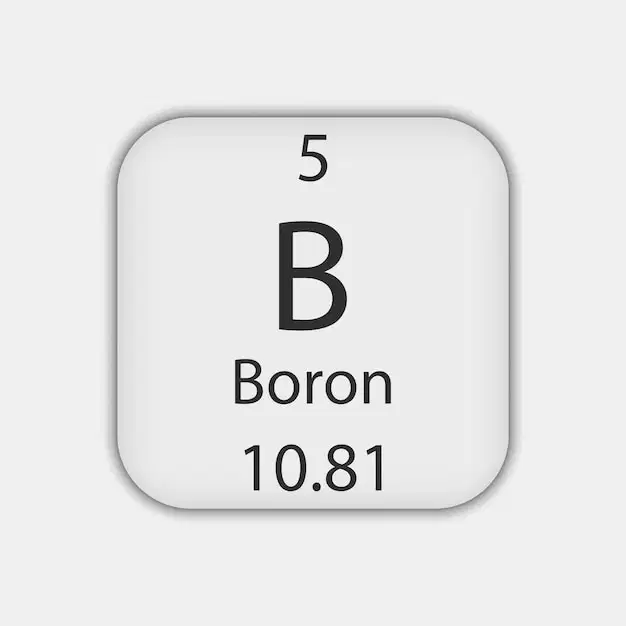
What is the atomic number of this atom?
Boron
B
10.81
5
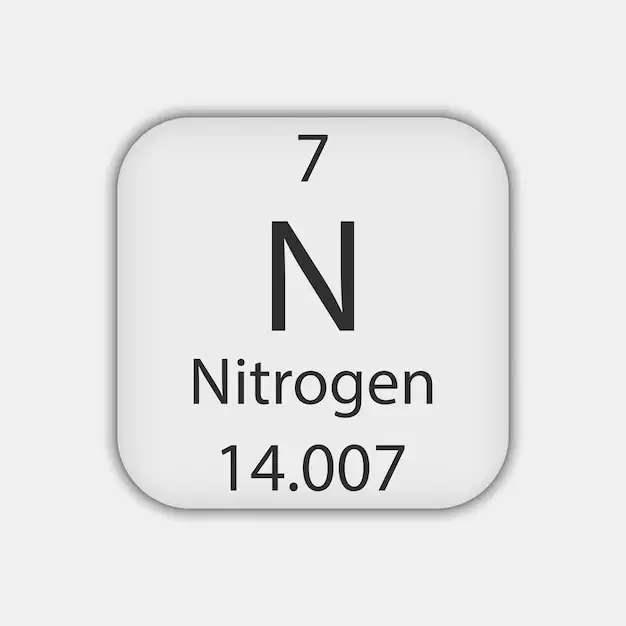
What is the atomic number of this atom?
Nitrogen
7
14.007
N
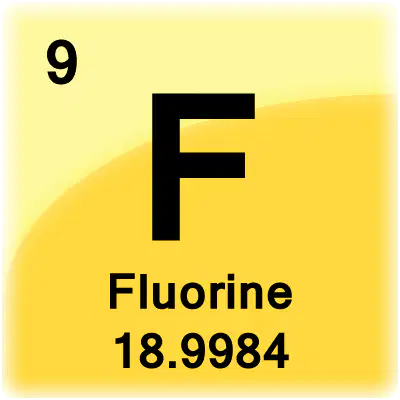
What is the atomic number of this atom?
18.9984
F
9
Fluorine
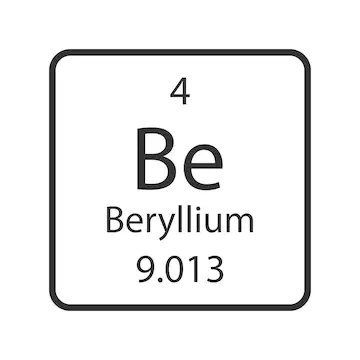
How many protons does this element have?
9.013
4
B
Beryllium
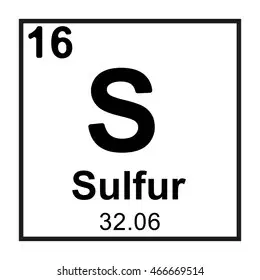
How many protons does this element have?
Sulfur
16
S
32.06
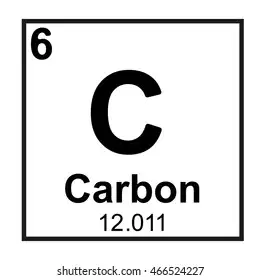
What is the atomic symbol for this element?
C
Carbon
6
12.011

What is the atomic symbol for this element?
8
O
Oxygen
15.999

What is the atomic symbol for this element?
10
Ne
Neon
20.1797
Chopping wood into smaller pieces so they fit into your fireplace is an example of what kind of change?
Physical change
Chemical change
Burning wood causes fire to release heat, light, and turns into something new. This is an example of what kind of change?
Physical change
Chemical change
During a chemical change, matter is turned into something new and different.
True
False
During a physical change, matter changes into something new and different.
True
False
During a chemical change, matter stays the same.
True
False
During a physical change, matter changes into something new and different.
True
False
Which subatomic particle is responsible for the negative charge of an atom?
Nucleus
Electron
Neutron
Proton
What type of change occurs when iron rusts?
Physical change
Chemical change
What is the atomic symbol for the element with atomic number 1?
N
O
He
H
Which subatomic particle is found outside the nucleus and has a negative charge?
Electron
Neutron
Proton
What type of change occurs when ice melts into water?
Chemical change
Physical change
What is the atomic symbol for the element with atomic number 8?
O
Ox
8
Oxygen
Which subatomic particle has no electric charge?
Electron
Neutron
Proton
What type of change occurs when iron rusts?
Physical change
Chemical change
What is the atomic symbol for the element with atomic number 6?
Cu
Ca
Cl
C
Physical Properties are
chemical changes
are properties that can be observed without changing the matter's identity
are properties that can be observed that change the matter into new matter with new properties
Anything that has mass and takes up space
Matter
weight
volume
mass
Most physical changes are easily reversible. Hint - Is it easy to melt and freeze ice?
True
False
______ is the amount of matter in an object.
Mass
Weight
Volume
Which of the following are used to describe the physical property of different materials?
color, shape, and hardness
magnetism, heat, and hardness
reflectivity, color, and heat
__________ is how strongly gravity pulls on an object. If an object has more mass, it also has more ___________.
weight
matter
mass
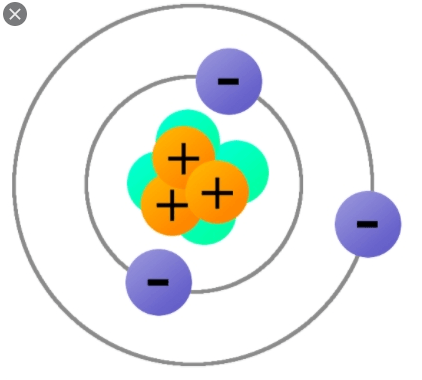
Which part of an atom is represented by the blue circles?
electrons
neutrons
protons
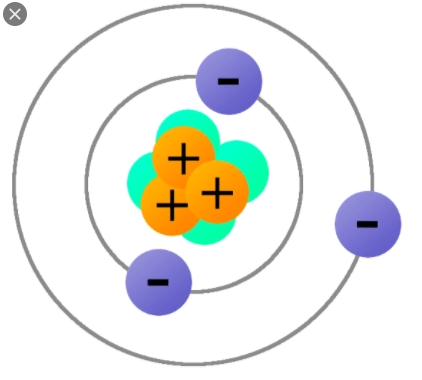
Which part of an atom is represented by the orange circles?
electrons
neutrons
protons
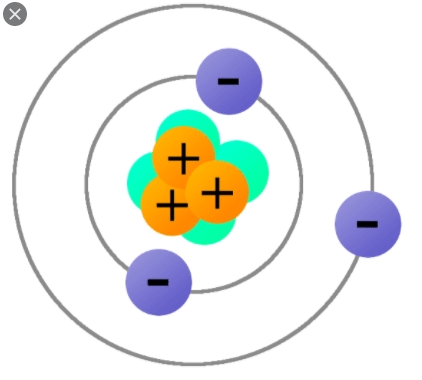
Which part of an atom is represented by the green circles?
neutrons
protons
electrons
The center of an atom is called the _____.
proton
nucleus
element
molecule
All types of matter are made up of _____.
atoms
elements
molecules
compounds
_____ is a material that cannot be broken down into anything simpler by chemical reactions.
molecule
nucleus
compound
element
Atoms are combined to make _____.
molecules
elements
neutrons
electrons
Which of these describes a property of all matter?
all matter gives off light
all matter is attracted by magnets
all matter is made of atoms
all matter dissolves in water
All matter is made of _________.


Atoms are made up of ________________
energy
electrons
subatomic particles
gasses

The subatomic particles that make up an atom.
solid, liquid, gas
electrons, protons, nucleus
energy, protons, nucleus
electrons, protons, neutrons

__________ are negatively charged particles that are in the orbitals around the nucleus.
protons
nucleus
neutrons
electrons

A proton has a ___________ charge.
positive
negative
neutral
massive.
An electron has a _________ charge
positive
neutral
negative
massive
A neutron has _________ charge or is ________.
negative ... neutral
positive .... neutral
no .... negative
no ... neutral


The smallest part of any element. Made up of protons, neutrons and electrons.
Atom
AMU
Ion
Isotope

The negatively charged particles in an atom
Proton
Electron
Neutron
Electron Cloud
Which TWO of the following subatomic particles are inside the nucleus?
protons
electrons
neutrons
There are no subatomic particles in the nucleus of an atom.

All matter is made of _________.
The subatomic particles that make up an atom.
solid, liquid, gas
electrons, protons, nucleus
energy, protons, nucleus
electrons, protons, neutrons
What is this subatomic particle that has positive charge?
Electron
Neutron
Proton
Megatron

What is the Chemical Symbol for Aluminum?
A
AL
Al
Am

What is the Atomic Number for Lithium?
5
Row 1
8
3
A substance that cannot be broken down into another substance is called
An Element. An element contains one type of atom.
A solution or mixture of particles.
An Element. An element contains different types of atoms.
Chemical change

Lighting a match
physical change
chemical change

Boiling Water
physical change
chemical change

Cutting a banana
physical change
chemical change

Cutting Wood
physical change
chemical change

Burning Wood
physical change
chemical change

Crumpling Paper
physical change
chemical change

Apple rotting
physical change
chemical change

Cooking eggs
physical change
chemical change

Cutting your hair
physical change
chemical change

Mixing lemonade
physical change
chemical change

Baking bread
physical change
chemical change

Popping popcorn
physical change
chemical change

Ice pop melting
physical change
chemical change

Cutting paper
physical change
chemical change

A car rusting
physical change
chemical change

Fireworks exploding
physical change
chemical change

Glass breaking
physical change
chemical change
Which is an example of a chemical change?
paper cut into small pieces
chocolate melting in a pan
flour and sugar mixed in a bowl
cookies baking in an oven
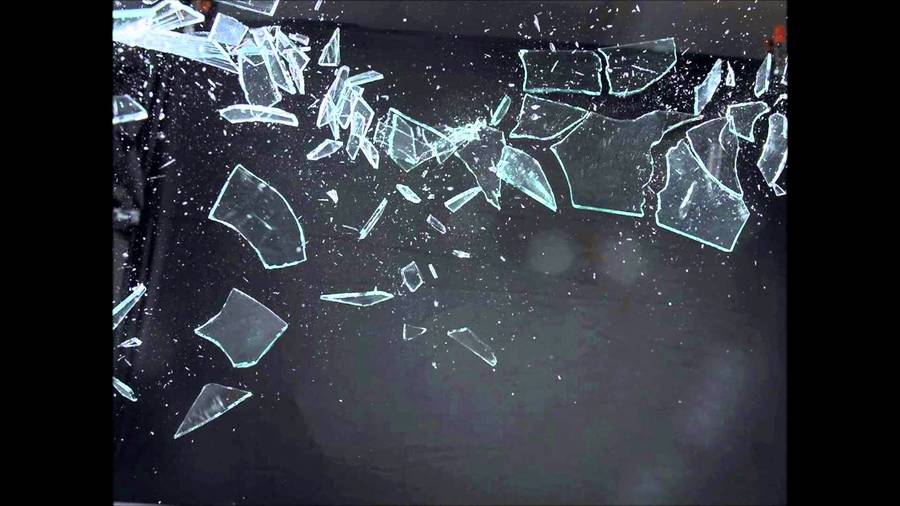
Is glass breaking into tiny shards an example of a chemical or physical change?
Chemical Change
Physical Change
Which is an example of a physical change?
Cooking
Buring Wood
Ripping paper
Digesting Food

Freezing juice is a
Chemical Change
Physical Change

Melting a chocolate bar is a
Physical Change
Chemical Change
Willy Wonka's Job
Is spoiling food (food that is going bad) a physical or chemical change?
Physical Change
Chemical Change
Is squeezing oranges to make orange juice a physical or chemical change?
Physical Change
Chemical Change



