
 Worksheets
Key trades: Plumber
Total questions: 40
Worksheet time: 20mins
According to the list of key trades on a construction site, which role is primarily associated with installing and maintaining pipework for water and heating systems?
Electrician
Plumber
Carpenter
Bricklayer
Select all responsibilities that typically fall under a plumber’s work within a domestic property.
Installing hot and cold water systems
Installing central heating systems
Wiring lighting circuits
Fitting sanitation and drainage systems
Which set best describes items a plumber may install as part of their duties?
Bathroom suite, radiators, boilers and controllers
Kitchen cabinets, worktops and skirting boards
Concrete footings, blockwork and cavity ties
Paint finishes, wallpaper and decorative mouldings
Which trade from the key trades list is least likely to be responsible for sanitation and drainage systems in a domestic property?
Plasterer
Plumber
Electrician
Carpenter
Based on the text, which task is the electrician primarily responsible for in a domestic property installation?
Installing timber roof structures for loft spaces
Fitting wiring for lighting and power supply, including cables, sockets, switches and light fittings
Hanging internal and external doors with appropriate ironmongery
Installing skirting boards and architrave around rooms
Select all items that fall within an electrician’s scope in domestic installations.
Choosing and installing suitable cables and wires for the system
Mounting sockets, switches and light fittings
Hanging doors and window frames
Designing timber roof structures
In domestic property work, carpenters (also known as joiners) are responsible for which group of tasks?
Installing wooden fixtures such as doors, windows, timber roof structures, skirting and architrave
Running electrical circuits for lighting and power, including sockets and switches
Connecting gas appliances and testing gas pressure
Laying ceramic tiles and waterproof membranes in bathrooms
Which statement best distinguishes the roles of electricians and carpenters in domestic installations?
Electricians and carpenters both focus on wooden fixtures, but electricians finish surfaces while carpenters wire lights
Electricians manage wiring, power and lighting components, whereas carpenters install wooden fixtures including doors, windows, roof timbers, skirting and architrave
Carpenters handle power supply equipment, while electricians install skirting and architrave
Both trades are responsible for timber structures and electrical sockets
According to the material on bricklayers, which task falls within their responsibility when constructing a property?
Installing internal and external walls, including doorways and window openings
Applying textured finishes and coving to ceilings
Rendering external walls with plaster
Fitting dry lining panels in living spaces
Select all activities typically undertaken by a plasterer within a property as described in the material.
Dry lining
Textured finishes
Coving
Installing ornamental brickwork
Which set correctly matches each trade with a key material they primarily install based on the text?
Bricklayer — brickwork, stonework, and concrete blocks; Plasterer — plaster on walls and ceilings
Bricklayer — plaster on ceilings; Plasterer — concrete blocks in foundations
Bricklayer — coving and textured finishes; Plasterer — ornamental brickwork
Bricklayer — dry lining; Plasterer — window openings
Some plasterers also perform an additional exterior task. What is this task?
Rendering external walls
Constructing archways with brickwork
Installing window openings
Laying concrete block foundations
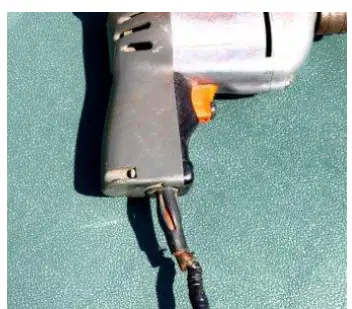
Electric shocks are a real hazard on construction sites. Which practice most directly reduces the risk of electric shock when using portable electrical tools?
Relying on extension cords to reach distant outlets
Carrying out regular inspections and using electrical equipment correctly
Using metal ladders near energized equipment to improve stability
Working in wet areas to keep dust down
Which statement best explains why great care must be taken with electrical equipment in a customer's property?
Electric shocks only occur outdoors, so indoor tools need no checks
Electric shocks can occur both on construction sites and within customer properties
Household circuits automatically prevent all shocks
Only high‑voltage tools present any shock risk
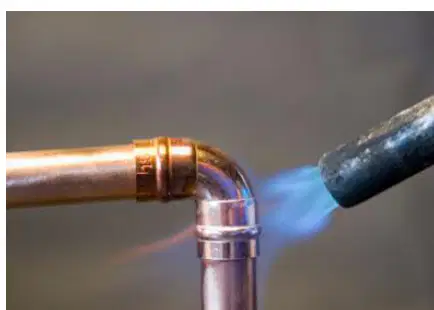
Hot work can cause burns. Select all measures that help prevent burns during welding and soldering.
Wear appropriate PPE for hot work
Use warning signs where components may be hot
Touch the joint quickly to check temperature
Ignore chemical hazards because only heat causes burns
Apart from heat from welding and soldering, which additional sources can lead to burns according to the material?
Mechanical vibration and noise
Chemicals and the consequences of an electric shock
Cold exposure during winter
Ultraviolet light from fluorescent lamps

Cuts and abrasions are common in working life. What is the principal method to avoid them for hands, arms, and body?
Work without gloves to maintain dexterity
Use the correct personal protective equipment (PPE)
Rely on experience instead of protection
Wear casual clothing to stay comfortable
Which set of actions collectively represents best practice for preventing electric shocks when operating site equipment?
Look after and maintain electrical equipment
Carry out regular inspections of electrical equipment
Use electrical equipment correctly
Increase power output to finish tasks faster
Dust inhalation can seriously affect the operative’s lungs. Which control is most appropriate when grinding, using powder, or creating sawdust?
Wear ear defenders to reduce noise exposure
Use a dust mask or face mask suited to the material
Increase ventilation by opening a window only
Delay the task until dust settles naturally
Select all statements that reflect good practice for respiratory protection in dusty tasks.
Match the breathing apparatus to the specific situation
Any cloth covering over the mouth is sufficient
Respiratory protection is needed when creating sawdust
Dust inhalation is harmless for trained operatives
Working at heights is always a hazard. Which statement best explains the risk?
Only long falls can cause injury, short falls are safe
Even a short fall from height can seriously injure a person
Risk exists only when standing on ladders above 10 metres
Proper footwear alone eliminates height-related risk
Training requirements for access equipment when working at heights include which of the following?
Good training is essential for all tradespeople
Training is optional for experienced workers
Only supervisors need training on access equipment
Training is required only when working outdoors
Lifting and carrying items on site pose a hazard especially to which part of the body, and why?
Hands, due to cuts from sharp edges
Back, because incorrect lifting and heavy loads can cause damage
Eyes, from dust stirred by movement
Knees, because bending always causes injury
Which combination of controls best minimises risks during manual handling on site?
Correct training in manual handling techniques
Using the correct PPE
Avoiding all lifting tasks regardless of weight
Relying on a colleague to carry the load without training
Solvents are used on site quite often and create significant hazards. According to best practice, which statement describes an essential requirement when using solvents for cleaning and joining plastic components?
Training is optional if the solvent is diluted with water.
Training in correct use is required and manufacturer recommendations must be followed.
Solvents are safe as long as they are stored in sealed metal cans.
Solvents should only be used outdoors and never inside a building.
Which practice aligns with safe handling of chemicals that create vapours used on site?
Mix different cleaning chemicals to increase effectiveness.
Use chemicals that create vapours only in enclosed areas to contain fumes.
Use chemicals in well‑ventilated areas and follow the manufacturer’s recommendations.
Avoid reading labels because vapours dissipate quickly.
Select all statements that reflect the risks and control measures for vapours from various chemicals used on site.
Mixing cleaning chemicals can result in dangerous vapours.
Ventilation and adherence to manufacturer guidance are required.
Vapours from site chemicals are harmless if exposure is brief.
Respiratory hazards from vapours are mitigated by using them in well‑ventilated areas.
Asbestos is a significant hazard, particularly in older properties. What is the required action if asbestos is suspected to have been found on site?
Continue work and collect a sample for personal testing.
Stop work immediately and report it to your supervisor.
Ignore it if the material looks sealed and undamaged.
Document the finding at the end of the day and proceed with tasks.
Which statement best characterizes asbestos as described for construction contexts?
A non‑fibrous material rarely used in construction, now considered safe.
A fibrous material commonly used in the construction trade that has been found to be highly dangerous.
A lightweight plastic used only for plumbing components and harmless when dry.
A natural vapour‑forming compound that poses risk only when mixed with solvents.
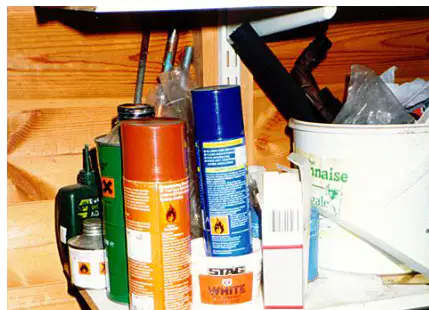
In relation to the image of assorted cans and containers, what key safety message is emphasized for solvent use?
Solvents pose no hazard if kept near other tools.
Training in correct use and adherence to manufacturer recommendations are essential.
Only flammable solvents require any special precautions.
Solvents should be replaced with water to eliminate risks.
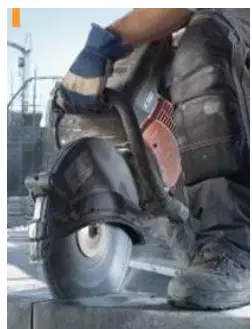
According to the guidance on vibration hazards, which practice best reduces the risk of white finger syndrome when using power tools?
Operate power tools continuously to finish faster
Use power tools only for short periods with regular breaks
Grip tools tighter to reduce wobble
Ignore vibration if wearing general-purpose gloves

Which statement accurately describes noise-related risks from power tools and an appropriate control measure?
Noise is temporary and does not require PPE
Excess noise can permanently damage hearing; correct training and PPE reduce risk
Hearing damage only occurs outdoors; indoor work is safe
Ear ringing after work indicates safe exposure
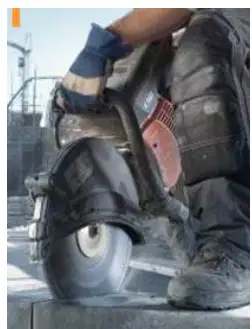
Select all measures recommended to control vibration hazards on site.
Take regular breaks during power tool use
Extend operating time to acclimate to vibration
Receive correct training
Rely solely on tool guards without PPE
Which scenario exemplifies an extreme temperature hazard described in the material?
Working in a customer’s loft on a hot summer’s day
Using a manual screwdriver at room temperature
Walking between buildings in mild spring weather
Storing tools in a climate-controlled workshop
Which items or preparations may be part of the correct PPE choice for adverse weather conditions before work starts?
Sunblock and weather-appropriate PPE
Extra coffee to stay alert
Open-toed footwear for ventilation
Removing PPE to prevent overheating
Which sources, besides outdoor weather, can create extreme temperatures in the workplace?
Industrial coolers or industrial dryers
Battery-powered hand torches
Office computers
Paint rollers
Which action best prevents slips, trips, and falls on site according to good workmanship practices?
Leaving extension leads trailing to keep them accessible
Tidying up after yourself and storing items neatly
Stacking materials loosely for quick reuse
Relying on customers to identify hazards
Select all practices that contribute to avoiding slips, trips, and falls in a work area.
Informing the customer about site hazards
Not leaving trailing leads where people walk
Keeping tools and materials stored neatly
Walking faster to get past clutter
When grinding produces sparks, what personal protective equipment is most directly intended to protect your eyes?
Hearing protection
Safety goggles or a face shield
Steel-toe boots
High-visibility vest
Sparks from grinding can create airborne particles. Which precaution helps reduce inhalation of these particles?
Wearing a dust mask rated for fine particulates
Standing closer to the grinding wheel to finish faster
Removing the guard to increase visibility
Using only cloth gloves as respiratory protection

