
Font size
 Worksheets
Infection Control and Prevention Quiz
Total questions: 100
Worksheet time: 50mins
Which of the following best describes the term "pathogen"?
A microorganism that causes disease
A type of medication used to treat infections
A cell that helps fight infections
A nutrient required for growth
Which link in the chain of infection can be broken to prevent the spread of disease?
Any link in the chain
Only the source of infection
Only the susceptible host
Only the mode of transmission
What is the primary purpose of standard precautions in healthcare settings?
To prevent the spread of infection
To diagnose diseases
To treat patients with medication
To improve patient comfort
How do transmission-based precautions differ from standard precautions?
They are used for patients known or suspected to be infected with specific pathogens
They are only used in laboratories
They are less strict than standard precautions
They are only used for non-infectious diseases
Which method is most effective in controlling exposure to bloodborne pathogens in healthcare facilities?
Using personal protective equipment (PPE)
Ignoring safety protocols
Sharing needles between patients
Avoiding hand hygiene
What is the main difference between sanitization, disinfection, antisepsis, and sterilization?
The level of control over the growth of pathogens
The color of the cleaning agents used
The temperature at which they are performed
The time of day they are used
As a healthcare worker, how can you help prevent the spread of diseases?
By ignoring safety protocols
By following proper hygiene and infection control procedures
By avoiding patient contact
By only treating healthy patients
What precautions do you take to keep your patients safe?
Not washing hands before procedures
Using personal protective equipment and sanitizing equipment
Sharing medical tools between patients without cleaning
Allowing visitors without restrictions
How do the precautions for keeping patients safe differ from those for keeping yourself safe as a healthcare worker?
There is no difference; all precautions are the same
Precautions for patients focus on preventing infection to them, while precautions for yourself focus on protecting you from exposure
Only patients need precautions, not healthcare workers
Healthcare workers should take fewer precautions than patients
What are disease-causing agents called?
Pathogens
Antibodies
Enzymes
Hormones
Which of the following is NOT one of the six major types of infectious agents?
Bacteria
Viruses
Helminths
Enzymes
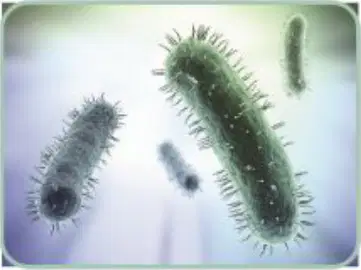
List any three types of infectious agents mentioned in the material.
Bacteria, Viruses, Fungi
Enzymes, Hormones, Antibodies
Vitamins, Minerals, Proteins
Red blood cells, White blood cells, Platelets

Which type of infectious agent is most likely to be multicellular and visible to the naked eye?
Helminths
Viruses
Bacteria
Rickettsiae
Explain why it is important to know the different types of infectious agents when diagnosing diseases.
Because different agents require different treatments and understanding them helps in accurate diagnosis.
Because all agents are treated the same way.
Because infectious agents are not related to diseases.
Because only bacteria cause diseases.
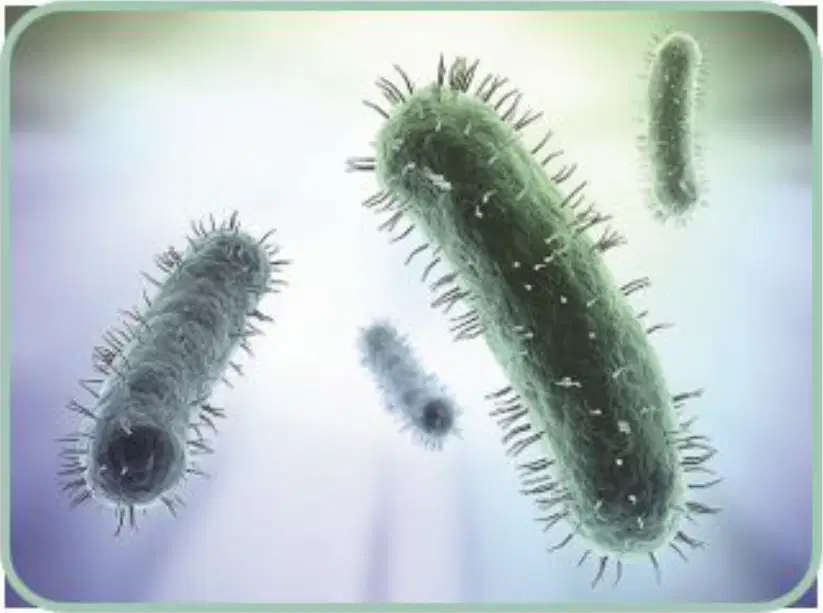
Which of the following best describes bacteria?
One-celled microorganisms with distinct shapes and arrangements
Multi-celled organisms with no specific shape
Viruses that infect only plants
Fungi that reproduce by spores
What is the primary treatment for bacterial infections?
Antibiotics
Antivirals
Vaccines
Chemotherapy
What has contributed to the recent rise of drug-resistant bacteria?
Increased use of vaccines
Inappropriate antibiotic use
Improved sanitation
Decreased hospital visits
Which of the following is NOT typically associated with healthcare-associated infections (HAIs) related to drug-resistant bacteria?
MRSA
VRE
TB
Influenza
Explain how inappropriate antibiotic use can lead to the rise of drug-resistant bacteria in healthcare settings.
It kills all bacteria, including beneficial ones, making room for viruses.
It allows some bacteria to survive and adapt, making them resistant to antibiotics.
It increases the number of fungal infections.
It prevents bacteria from reproducing entirely.
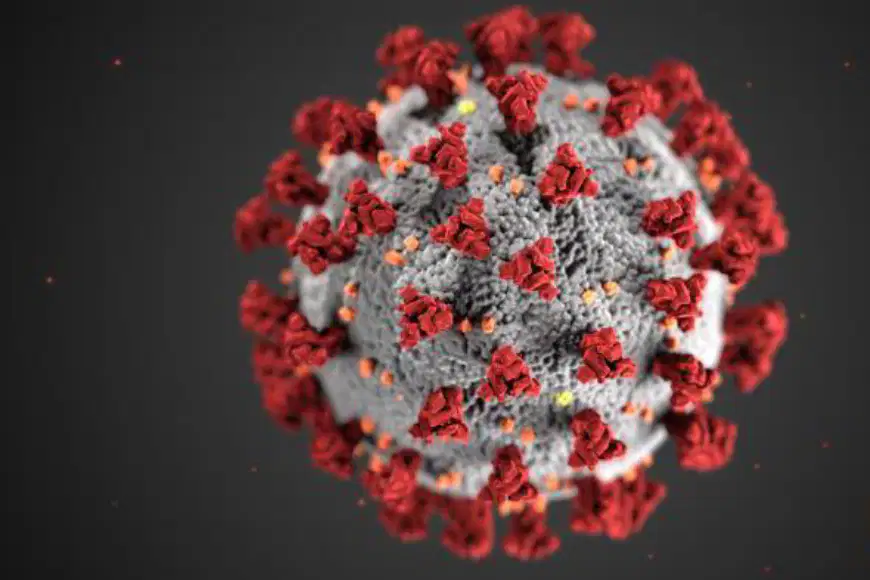
Which of the following best describes a virus?
A microscopic pathogen that takes over and reproduces inside other cells and requires a host to survive.
A single-celled organism that can reproduce on its own.
A multicellular organism that lives independently.
A type of bacteria that can be treated with antibiotics.
Which of the following is NOT used to treat viral infections?
Antibiotics
Vaccines
The immune system
Antiviral medications
How are viruses usually spread?
Through contact with body fluids
By eating contaminated food only
Through direct sunlight exposure
By breathing in pollen
Which of the following diseases is caused by a virus?
Chicken pox
Strep throat
Tuberculosis
Athlete’s foot
Why are vaccines important in relation to viral infections?
They can help prevent viral infections.
They cure bacterial infections.
They are used to treat fungal diseases.
They eliminate all pathogens instantly.
Explain why antibiotics are not effective against viruses, and suggest an alternative method for preventing viral infections.
Antibiotics target bacteria, not viruses; vaccines can help prevent viral infections.
Antibiotics kill all pathogens; hand washing is the only prevention.
Antibiotics are too weak for viruses; eating healthy is the only prevention.
Antibiotics are only for animals; exercise is the only prevention.
Which of the following statements is true about most fungi?
Most fungi are parasitic microbes that live in soil and on plants.
Most fungi are bacteria that live in water.
Most fungi are viruses that infect animals.
Most fungi are protozoa that live in the air.
What is a common one-celled fungus that can cause infections in the vagina or mouth?
Yeast
Mold
Bacteria
Protozoa
Which type of fungal spores can cause lung infections?
Mold spores
Yeast spores
Bacterial spores
Viral spores
What is a potential risk associated with some antifungal medications?
They can be toxic to the liver.
They can cause heart attacks.
They can increase blood pressure.
They can cause blindness.
Explain why antifungal medications must be used with caution, based on their potential effects.
Some antifungal medications are toxic to the liver, so they must be used carefully to avoid liver damage.
Antifungal medications are always safe and have no side effects.
Antifungal medications can cause lung infections.
Antifungal medications are only effective against bacteria.
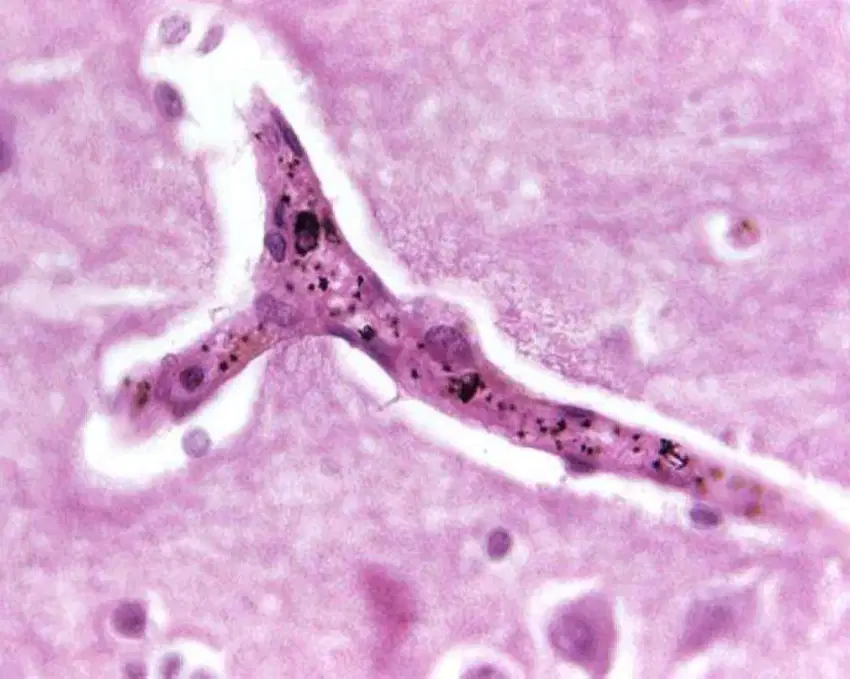
Which type of microorganism is often found in dirty water and decaying material?
Protozoa
Bacteria
Virus
Fungi
What illness can be caused by drinking water that contains protozoa?
Dysentery
Influenza
Diabetes
Tuberculosis
How is malaria transmitted?
Via mosquitos
By drinking contaminated water
Through sexual activity
By airborne droplets
Which disease mentioned is transmitted via sexual activity?
Trichomoniasis
Malaria
Dysentery
Influenza
Explain why protozoa found in dirty water can pose a health risk to humans.
They can cause diseases such as dysentery when ingested.
They help clean the water.
They improve digestion.
They prevent bacterial growth.
Compare the transmission methods of malaria and trichomoniasis.
Malaria is transmitted by mosquitos, while trichomoniasis is transmitted via sexual activity.
Both are transmitted by mosquitos.
Both are transmitted via sexual activity.
Malaria is transmitted by contaminated water, trichomoniasis by air.
A community is experiencing an outbreak of dysentery. Based on the information provided, what is a likely source of the outbreak and what preventive measure would you recommend?
Contaminated drinking water; recommend improving water sanitation.
Airborne transmission; recommend wearing masks.
Mosquito bites; recommend using insect repellent.
Sexual activity; recommend abstinence.
Which of the following is NOT a type of helminth?
Roundworm
Tapeworm
Thorny-headed worm
Flatworm
How can helminths be spread to a food source or water supply?
Through the air
From feces of an infected animal
By direct skin contact
Through insect bites
Explain why proper sanitation is important in preventing the spread of helminths in a community.
It reduces the risk of worms entering food and water supplies from infected animal feces.
It makes food taste better.
It increases the number of beneficial bacteria.
It prevents animals from getting sick.
Which of the following best describes ecto-parasites?
Blood-sucking insects
Water-dwelling mammals
Photosynthetic plants
Airborne viruses
What role do ecto-parasites play when they bite another mammal?
They act as transmitters or vectors, passing pathogens from one host to another
They provide nutrients to the host
They clean the host’s wounds
They help the host reproduce
What are Rickettsiae?
Very small bacteria commonly passed through ectoparasite bites
Large viruses found in water
Fungi that grow on plants
Protozoa that live in soil
Explain how ecto-parasites contribute to the spread of diseases among mammals.
By acting as vectors, transferring pathogens from one host to another through their bites
By producing toxins that kill pathogens
By increasing the host’s immune response
By preventing other parasites from attaching to the host
What does the term "drug-resistant bacteria" mean?
Bacteria that are not killed or controlled by antibiotics
Bacteria that are helpful to humans
Bacteria that only live in drug environments
Bacteria that cause viral infections
Why have some bacteria become drug-resistant?
Overuse and misuse of antibiotics
Lack of exposure to drugs
Bacteria naturally avoid all drugs
Drugs are always effective against bacteria
What does it mean when bacteria are described as "drug-resistant"?
Strains of bacteria have developed the ability to resist normal antibiotic treatment.
Bacteria are killed by all types of antibiotics.
Bacteria can only survive in drug-free environments.
Bacteria are immune to all forms of medication, including antivirals.
Which of the following is a reason why drug-resistant bacteria are created?
Antibiotics are used inappropriately.
Antibiotics are only used for viral infections.
Antibiotics are never prescribed for bacterial infections.
Antibiotics are always completed as prescribed.
Which of the following practices can contribute to the development of drug-resistant bacteria? (Select the BEST answer)
Prescribing antibiotics for a virus
Completing the full course of antibiotics
Using antibiotics only when necessary
Matching the correct antibiotic to the diagnosis
A patient is prescribed antibiotics but does not complete the full course. What is a possible consequence of this action?
Development of drug-resistant bacteria
Immediate recovery from illness
No effect on bacterial resistance
Increased effectiveness of antibiotics
Why is it important to match the correct antibiotic to the diagnosis (Dx)?
To prevent the creation of drug-resistant bacteria
To ensure antibiotics are used for viral infections
To reduce the cost of treatment
To avoid using any medication
What can healthcare providers do to prevent the spread of drug-resistant bacteria?
Use antibiotics only when necessary and follow proper hygiene protocols
Increase the use of antibiotics for all patients
Avoid washing hands between patient visits
Ignore infection control guidelines
Which of the following strategies can help stop the evolution of new drug-resistant bacteria?
Limiting unnecessary antibiotic prescriptions
Prescribing antibiotics for viral infections
Using antibiotics in animal feed without restrictions
Ignoring patient education about antibiotic use
What is the main action encouraged by the image shown in the learning material?
Think
Run
Sleep
Eat
Why is it important to reflect on what you learned yesterday?
It helps you remember and build on previous knowledge.
It makes you forget what you learned.
It is not important at all.
It only helps with physical activities.
If you are asked, "What did you learn yesterday?", which of the following is the best way to respond?
By recalling and sharing something new you understood or practiced.
By ignoring the question.
By talking about what you ate for lunch.
By listing random words.

What is the term used to describe all elements that must be present for infectious diseases to be spread?
Chain of infection
Chain of transmission
Chain of prevention
Chain of immunity
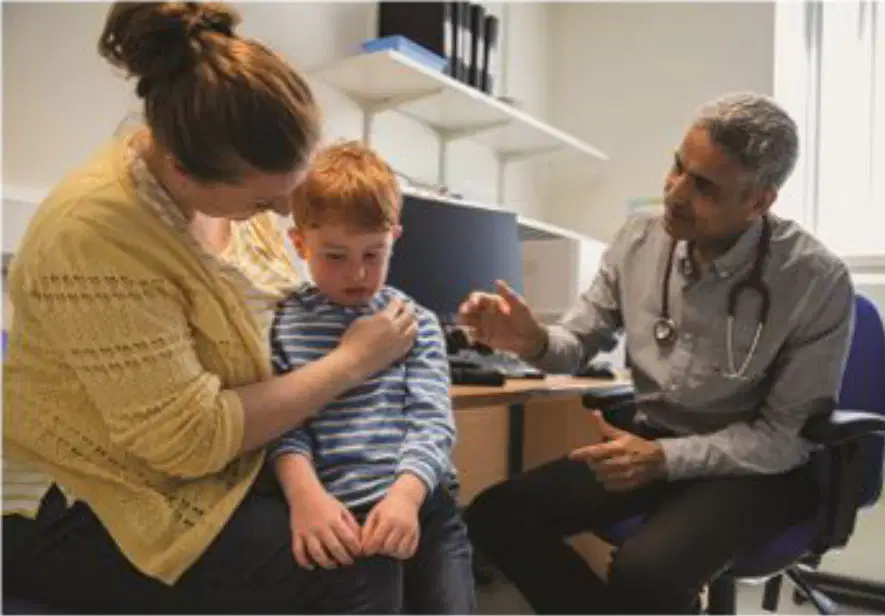
Why is each link in the chain of infection important?
Each link is an opportunity to prevent infection
Each link increases the severity of infection
Each link determines the type of infection
Each link reduces the risk of infection
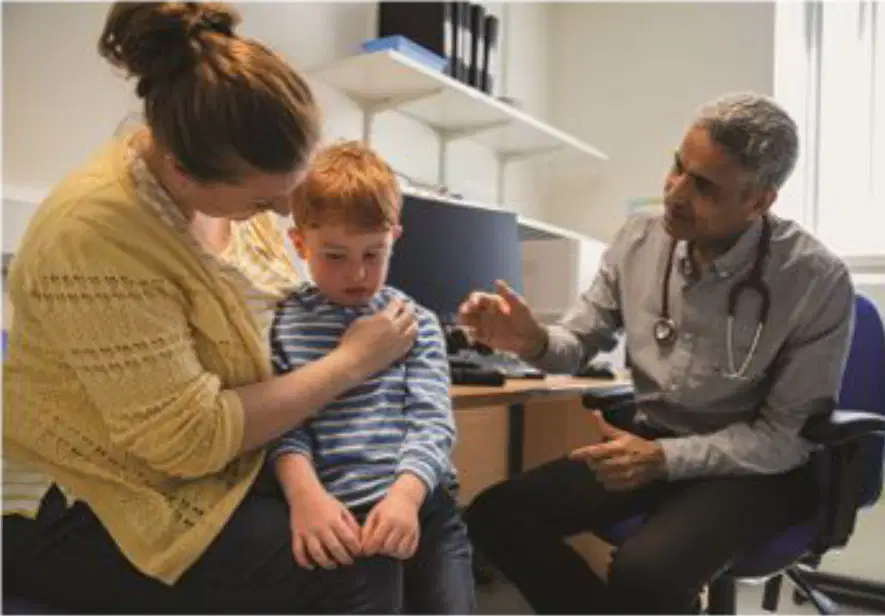
What must be present for infection to occur according to the chain of infection concept?
Each link in the chain
Only the first link in the chain
Only the last link in the chain
Only the strongest link in the chain
As of October 28, 2025, how many confirmed measles cases were reported in the United States, marking its largest outbreak in over 30 years?
1,648
648
2,648
1,048
Which region experienced its worst measles year in over 25 years in 2024?
Europe
Asia
Africa
South America
All six WHO regions have reported increased cases of which disease, according to the provided information?
Measles
Influenza
Tuberculosis
Malaria
Based on the information, what can be inferred about the global trend of measles cases in recent years?
Measles cases have increased in all WHO regions.
Measles cases have decreased worldwide.
Only the United States has seen an increase in measles cases.
Measles has been eradicated in Europe.
What virus causes measles?
Measles virus
Influenza virus
Rhinovirus
Hepatitis B virus
Which of the following is a possible complication of measles?
Pneumonia
Diabetes
Hypertension
Arthritis
Measles can lead to which of the following neurological conditions years after infection?
Subacute sclerosing panencephalitis (SSPE)
Multiple sclerosis
Parkinson's disease
Alzheimer's disease
Why is measles considered especially dangerous for certain populations?
It is fatal in the very young and immunocompromised individuals
It only causes mild symptoms in all age groups
It is easily treated with antibiotics
It does not spread from person to person
Explain why vaccination is important in breaking the chain of measles transmission, considering the risks listed.
Vaccination prevents the spread and severe complications of measles, such as pneumonia, encephalitis, SSPE, miscarriage, and death, especially in vulnerable populations.
Vaccination only helps with mild symptoms and is not necessary for severe cases.
Vaccination is only needed for adults, not children.
Vaccination does not affect the transmission of measles.
What is the bacterium that causes Pertussis, commonly known as Whooping cough?
Streptococcus pneumoniae
Bordetella pertussis
Escherichia coli
Mycobacterium tuberculosis
Which age group is most at risk for severe complications from Pertussis?
Teenagers
Adults over 65
Infants less than 6 months old
Children aged 5-10 years
Which of the following is NOT a possible complication of Pertussis?
Pneumonia
Apnea
Diabetes
Seizures
Explain why vaccination is important in breaking the chain of Pertussis transmission, especially for infants under 6 months old.
Vaccination prevents all types of coughs
Vaccination reduces the risk of severe complications and protects those most vulnerable, such as infants under 6 months old
Vaccination is only necessary for adults
Vaccination has no effect on Pertussis transmission
Which bacterium is responsible for causing diphtheria?
Corynebacterium diptheriae
Streptococcus pneumoniae
Escherichia coli
Staphylococcus aureus
What systems in the body can be damaged by the toxin produced by Corynebacterium diptheriae?
Respiratory system, heart, kidneys, and nervous system
Digestive system, liver, and pancreas
Muscular system and skeletal system
Endocrine system and reproductive system
At the site of infection, what does the bacteria produce that can obstruct breathing?
A thick, gray covering made up of bacteria and dead skin cells
A thin, red rash
A watery blister
A hard, white lump

Explain how diphtheria can lead to breathing difficulties. Use evidence from the information provided.
The bacteria produce a thick, gray covering at the site of infection, which can obstruct breathing.
The bacteria cause muscle spasms that restrict airflow.
The bacteria release a gas that fills the lungs.
The bacteria cause swelling in the feet, making it hard to walk.

Which of the following best describes an infectious patient?
A patient who can transmit disease to others.
A patient who is recovering from surgery.
A patient who has a non-communicable condition.
A patient who is immune to infections.
What is the primary reason for identifying infectious patients in a healthcare setting?
To prevent the spread of disease.
To provide extra medication.
To ensure they get more visitors.
To allow them to leave the hospital early.
According to standard infection control practices, what should you always assume about patients regarding infectiousness?
Only patients with visible symptoms are infectious.
Only patients with a confirmed diagnosis are infectious.
Everyone is potentially infectious.
Only elderly patients are infectious.
Why is it important to assume that all patients are infectious in a healthcare setting?
It helps to avoid unnecessary precautions.
It ensures consistent infection control and reduces the risk of disease transmission.
It saves time during patient assessment.
It only applies to patients with known infections.
If a healthcare worker only treats patients with visible symptoms as infectious, what risk does this pose?
It increases the risk of spreading infections from asymptomatic patients.
It reduces the need for personal protective equipment.
It ensures all patients are treated equally.
It has no impact on infection control.

Who developed the guidelines for standard precautions in healthcare settings?
The CDC
The FDA
The WHO
The NIH

What is the primary purpose of standard precautions in healthcare settings?
To prevent the spread of infections
To increase patient comfort
To reduce healthcare costs
To improve hospital aesthetics

Why should the basic level of infection control be used for all patients?
To protect both the patients and healthcare workers
Only to protect healthcare workers
Only to protect patients with known infections
To comply with hospital dress codes
Imagine you are a healthcare worker. How would applying standard precautions benefit both you and your patients?
It reduces the risk of infection for everyone involved
It makes paperwork easier
It increases the number of patients you can see
It eliminates the need for handwashing
Which of the following is considered a standard precaution in healthcare settings?
Hand hygiene
Skipping patient records
Ignoring equipment maintenance
Avoiding patient communication
What does PPE stand for in the context of standard precautions?
Personal Patient Examination
Personal Protective Equipment
Professional Practice Essentials
Patient Protection Essentials
Which standard precaution helps prevent the spread of airborne diseases?
Respiratory hygiene
Needle and sharps safety
Safe injection practices
Patient placement
Why is proper handling, cleaning, disinfecting, and sterilizing of healthcare-related equipment important?
It reduces the risk of infection transmission
It makes equipment look new
It increases equipment cost
It shortens patient waiting time

A nurse is preparing to administer an injection. Which standard precaution should they follow to ensure safety?
Safe injection practices
Ignoring hand hygiene
Skipping PPE
Avoiding equipment sterilization
Which of the following is one of the most important ways to reduce the spread of infection?
Hand hygiene
Wearing sunglasses
Eating healthy foods
Exercising daily
What is recommended for regular hand hygiene?
Washing hands with plain or antibacterial soap
Using only water
Wiping hands on clothes
Using scented lotions
Which of the following is an appropriate time to perform hand hygiene in all settings?
Before preparing food
After watching TV
Before going to bed
After reading a book
In healthcare settings, when should hand hygiene be performed before an activity?
Before touching a patient
After leaving the building
Before making a phone call
After writing a report
After which activity should hand hygiene be performed in all settings?
After handling raw foods
After reading a newspaper
After watching a movie
After listening to music
Why is alcohol-based hand sanitizer gel recommended for hand hygiene?
It helps reduce the spread of infection
It makes hands smell nice
It moisturizes the skin
It is cheaper than soap
Which of the following is a reason to perform hand hygiene after patient care in healthcare settings?
After removing soiled gloves
After making a bed
After turning off the lights
After opening a window
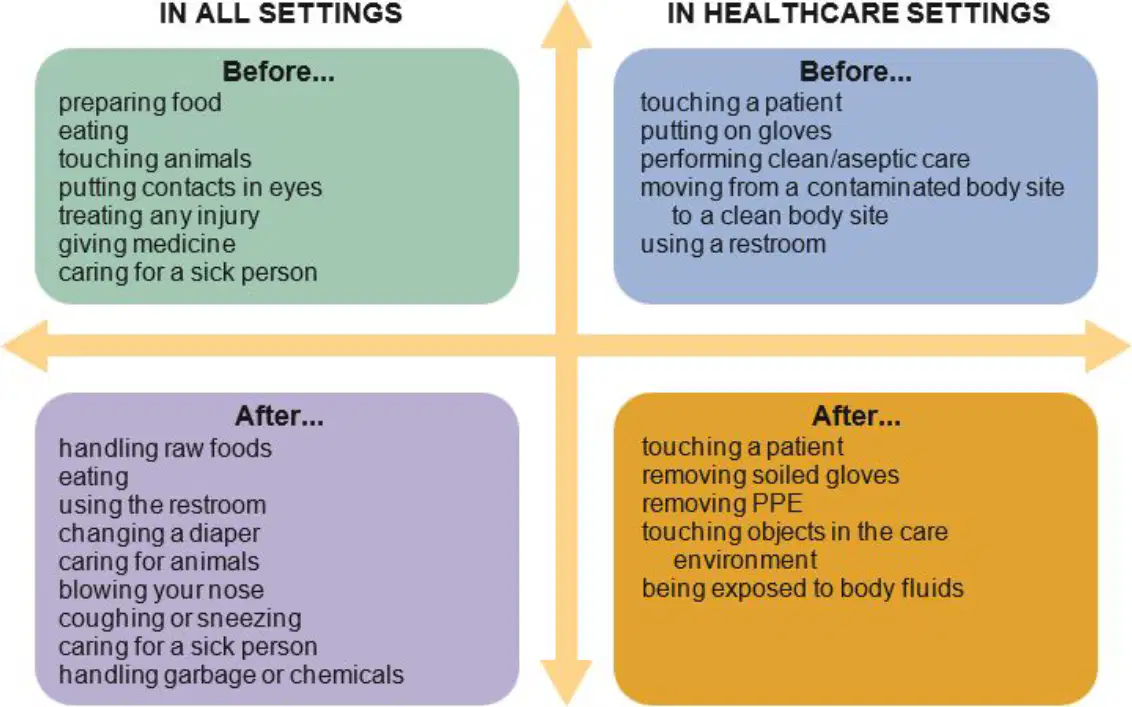
Select the correct diagram that shows when to perform hand hygiene in all settings and healthcare settings, divided into "Before" and "After" activities.
Diagram showing hand hygiene timing in various settings
Diagram of the human digestive system
Diagram of the respiratory system
Diagram of the water cycle
Which of the following is NOT listed as a time to perform hand hygiene in all settings?
After handling garbage or chemicals
Before eating
After using the restroom
Before going to sleep
What is a key difference between hand hygiene in all settings and in healthcare settings?
Healthcare settings include hand hygiene before performing clean/aseptic care
All settings require hand hygiene after using a computer
Healthcare settings do not require hand hygiene after touching a patient
All settings require hand hygiene before using a restroom

