
 Worksheets
8th- Cardiorespiratory System Quiz
Total questions: 31
Worksheet time: 31mins
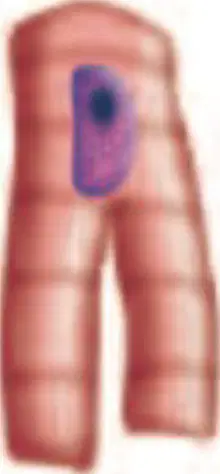
What do cells form when they group together?
Organs
Organ systems
Tissues
Organisms
What is the main role of the circulatory system in the human body?
To transport blood and nutrients
To digest food
To control movement
To produce hormones
What are the three main parts of the circulatory system?
Heart, lungs, and blood
Heart, blood vessels, and blood
Heart, brain, and blood
Heart, arteries, and plasma
How many chambers does the heart have?
Two
Three
Four
Five
What are the three types of blood vessels?
Arteries, veins, and capillaries
Plasma, platelets, and red blood cells
Nerves, muscles, and bones
Lymph, plasma, and arteries
What are the names of the top two chambers of the heart?
Atria
Ventricles
Arteries
Veins
Which blood vessels carry oxygen-rich blood from the heart to the rest of the body?
Arteries
Veins
Capillaries
Nerves
How does oxygen-poor blood return to the heart?
Through veins
Through arteries
Through capillaries
Through nerves

What is the main function of the aorta in the heart?
To carry blood from the heart to the lungs
To carry blood from the heart to the rest of the body
To bring blood from the body to the heart
To bring blood from the lungs to the heart

Which part of the heart pumps oxygenated blood to the body?
Right Atrium
Right Ventricle
Left Atrium
Left Ventricle
Which of the following is NOT one of the four main components of blood?
Red blood cells
White blood cells
Platelets
Bone marrow
What is the main function of red blood cells?
Fight diseases and protect the body from infection
Carry oxygen and carbon dioxide
Help the clotting process
Provide nutrients to tissues
Which blood component helps fight diseases and protect the body from infection?
Platelets
Plasma
White blood cells
Red blood cells
What do platelets do in the blood?
Carry oxygen
Help the clotting process
Transport nutrients
Fight infections
What is plasma?
A type of blood cell that carries oxygen
A liquid where the other components float in
A cell that helps with blood clotting
A cell that fights infection
How does blood get its red color?
From plasma
From white blood cells
From red blood cells
From platelets
Which blood cells are the most numerous in our body?
Platelets
Red blood cells
White blood cells
Plasma
Which blood component helps stop bleeding by forming clots?
Platelets
Plasma
Red Blood Cells (RBCs)
White Blood Cells (WBCs)
What is the color of oxygenated blood?
Bright red
Deep red-purple
Blue
Green

How does deoxygenated blood appear in color?
Bright red
Deep red-purple
Yellow
Orange
What are blood vessels?
Tubes or channels that carry blood throughout our body.
Organs that produce blood.
Cells that fight infections.
Bones that support the body.
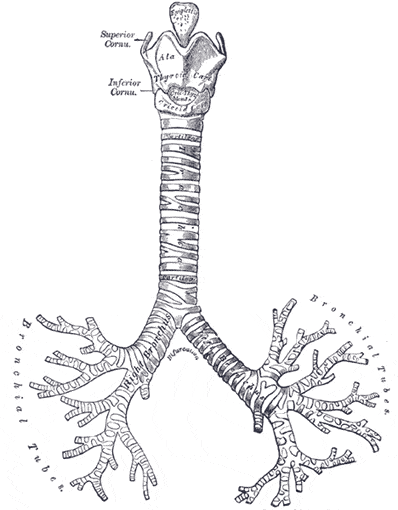
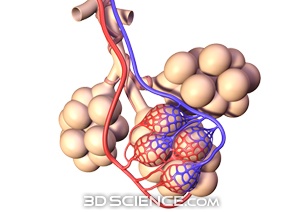

What is the target heart rate zone for 12-14 old years?
103-176 bpm
What does RPE stand for?
What is the target heart rate zone on an RPE scale?
9 to 10 on the RPE scale
5 to 8 on the RPE scale
What is the only artery in the human body that carries oxygen-poor blood?
What happens in capillaries?

