
Font size
 Worksheets
SS1 WEEKEND ONLINE BIOLOGY PREPARATORY TEST
Total questions: 100
Worksheet time: 2hrs 27mins
Which one is NOT a bacterium?
Staphylococcus aureus
HIV
Streptococcus pyogenes
E. Coli
Check ALL of the eukaryotes in the list
Red fox
Homo sapiens
HIV
Staphylococcus aureus
Euglena viridis
(a) is a group of living organisms , who have the same ancestry , they can breed with each other and their looks and functions are the same .
Which one is a similarity of pro and eukaryotic cells?
having DNA
having membrane bound organelles
having a nucleus
being younger
Check ALL of the sexual reproduction types
Binary fission
Bacterial conjugation
Sexual encounter
Conjugation
(a) is an entire inactive, hostless virus particle.
Which category is the biggest / most inclusive?
species
genus
family
order
Check ALL the viral infections in the list
Measles (kanyaró)
Anthrax
Small pox (kanyaró)
Hepatitis (fertőző májgyulladás)
Diphteria (torokgyík)
(a) is the ordering/classifying of organisms into groups on the basis of their evolutionary relationships.
Which of the following is the correct definition for adapation?
Heritable traits that increase an organism's ability to survive and reproduce in an environment
The combination of chemical reactions through which an organism builds up or breaks down materials
Group in an experiment that is exposed to the same conditions at the experimental group except for the independent variable
An organism made up of a single cell
Which of the following is the correct definition for metabolism?
Heritable traits that increase an organism's ability to survive and reproduce in an environment
The combination of chemical reactions through which an organism builds up or breaks down materials
Group in an experiment that is exposed to the same conditions at the experimental group except for the independent variable
A stable state of conditions in the body that are necessary for life
Which of the following is the correct definition for homeostasis?
Heritable traits that increase an organism's ability to survive and reproduce in an environment
The combination of chemical reactions through which an organism builds up or breaks down materials
Group in an experiment that is exposed to the same conditions at the experimental group except for the independent variable
A stable state of conditions in the body that are necessary for life
An organism made up of a single cell is the definition for what term?
Unicellular
Multicellular
Asexual Reproduction
Sexual Reproduction
An organism made up of many cells is the definition for what term?
Unicellular
Multicellular
Asexual Reproduction
Sexual Reproduction
Type of reproduction in which cells from two parents unite to form the first cell of a new organism is an example of what term?
Unicellular
Multicellular
Asexual Reproduction
Sexual Reproduction
The process of reproduction involving a single parent and offspring who are genetically identical to the parent is an example of...
Unicellular
Multicellular
Asexual Reproduction
Sexual Reproduction
Color, smell, touch and observations are examples of what type of data?
Qualitative
Quantitative
Height, weight, and mass are examples of what type of data?
Qualitative
Quantitative
A well-tested explanation that unifies a broad range of observations and hypotheses, enabling scientist to make accurate predictions about new situations is an example of what term?
Theory
Hypothesis
Inference
A logical interpretation based on prior knowledge and experience is an example of what term?
Theory
Hypothesis
Inference
An if then statement or a possible exlanation for a set of observations or possible answers to a scientific question is the definition of what term below?
Theory
Hypothesis
Inference
The factor that is deliberately changed in an experiment, such as giving dogs dentabones in an experiment when they normally do not get dentabones is an example of....
Control Group
Dependent Variable
Experimental Group
Independent Variable
The factor that is measured and changes as a result of the independent variable, such as collecting the amount of plaque on dogs teeth in the group that receieved and did not receive a dentabone is an example of....
Control Group
Dependent Variable
Experimental Group
Independent Variable
The group in an experment that is exposed to the same conditions as the experiemental group except for the independent variable is an example of....
Control Group
Dependent Variable
Experimental Group
Independent Variable
The group that receives the independent variable, for example is receiving the dentabones an example of the...
Control Group
Dependent Variable
Experimental Group
Independent Variable

Which characteristic is shown in the image?
Organisms grow and develop
Organisms react to stimuli
Organisms can adapt
Organisms use and obtain energy
Organisms are made up of cells

Which characteristic is shown in the image?
Organisms reproduce
Organisms react to stimuli
Organisms can adapt
Organisms use and obtain energy
Organisms are made up of cells

Which characteristic is shown in the image?
Organisms reproduce
Organisms react to stimuli
Organisms can adapt
Organisms use and obtain energy
Organisms are made up of cells

Which characteristic is shown in the image?
Organisms reproduce
Organisms react to stimuli
Organisms can adapt
Organisms use and obtain energy
Organisms are made up of cells

In the image shown, what is the stimulus?
the plant bending towards the light
the light source
In the image shown, what is the response?
the plant bending towards the light
the light source
Which is NOT an example of adaptation?
camels have humps that store fat for extended periods without food
animals have special membranes in the back of their eyes to help them see in the dark
fishes have gills to breath underwater
white pigeons are easily spotted by predators
Choose the statement(s) TRUE for ALL organisms
have cells
can move
grow or develop
use sunlight to make food
have features that help them adapt
Any living thing is called a _____________.
organism
cell
matter
atom
The basic unit of living things are known as ____________.
cells
matter
atom
organism

Biology is the study of...
living things
gravity
chemical reactions
social relationships

All living things ___ to the environment in order maintain homeostasis.
grow
respond
consume
evolve

Regulating the body in order to keep a constant internal state
stimuli
irritability
homeostasis
survive
_____ is all the chemical processes that happen in an organism, many of which help the organism use and store energy.
virus
metabolism
evolution
response
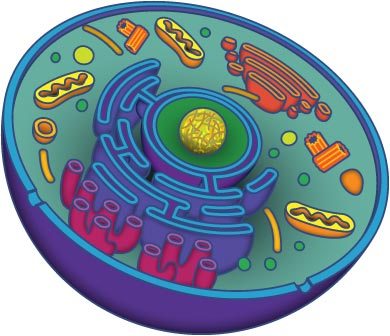
What is the basic structural and functional unit of all living things?
atom
cell
bacteria
animalcules


The 3 parts of the Cell Theory are...?
All living things are composed of cells
Cells are the basic units of structure and function in living things
All cells are produced from other cells
All living things are composed of cells
Cells are the basic units of dance and vibes in living things
All cells are destroyed from other aliens
All living things are composed of Jell-O
Cells are the basic units of structure and function in living things
All cells are produced from factories in Canada
All living things are composed of cells
Cells do karate and practice eating whole pies in their free time
All cells are produced from other cells
What does it mean to say that a cell membrane is semipermeable?
it allows some materials to pass through
it allows nothing to enter the cell, only to leave
It only allows things into the cell and not out
it allows all materials to pass through
What is the function of an organelle?
to take up space
to carry out a specific function in the cell
to carry out all the functions of a cell
to create new cells
What organelle do many ribosomes connect themselves to?
lysosome
mitochondria
endoplasmic reticulum
golgi apparatus
Which organelle uses enzymes to break down waste in a cell?
Lysosome
Ribosome
Chloroplast
Golgi Apparatus
What is the function of the mitochondria?
to capture energy from the sun and turn it to sugar
to release usable energy for the cell
to store energy for when the cell needs it
to remove waste from the cell
What organelle allows plants to create their glucose?
Mitochondira
Lysosome
Ribosome
Chloroplast
Which of the following is not one of the 5 things all cells have?
cell membrane
cytoplasm
DNA
nucleus
What is the difference the key difference between prokaryotic and eukaryotic cells?
Prokaryotes have a nucleus, Eukaryotes do not
Eukaryotes have a nucleus, Prokaryotes do not
Prokaryotes have a cell membrane, Eukaryotes do not
Eukaryotes have ribosomes, Prokaryotes do not
Which of the following organelles do plants have that animals to not? (Select all that apply)
Cell wall
Golgi Apparatus
Endoplasmic Reticulum
Chloroplasts
Ribosomes
Which organelle provides structure and protection to plant cells?
cell membrane
ribosome
golgi apparatus
cell wall
What is the name of the "packages" the golgi body creates?
Vacuoles
Lysosomes
Vesicles
Ribosomes
Which of the following is not part of the nucleus?
Chromatin
Centrioles
Nuclear Envelope
Nuclear Pores
Nucleolus

What type of cell is this?
Plant
Animal
Prokaryote

What type of cell is this?
Plant
Animal
Prokaryote

What type of cell is this?
Plant
Animal
Prokaryote

These diagrams demonstrate how cells can differ in:
size and densities
modes of locomotion
means of replication
cell structures
Which structure and function are common to all plants and some protists and distinguish them from all animals?
chloroplasts that conduct photosynthesis
mitochondria that conduct photosynthesis
chloroplasts that conduct cellular respiration
mitochondria that conduct cellular respiration
Living organisms can be classified as prokaryotes or eukaryotes. Which two structures are common to both prokaryotic and eukaryotic cells?
cell wall and nucleus
cell wall and chloroplast
plasma membrane and nucleus
plasma membrane and cytoplasm
Which of the following is true about cells?
In general, prokaryotic cells do not have a true nucleus or membrane-bound organelles, whereas eukaryotic cells contain both a nucleus and organelles enclosed by membranes.
In general, eukaryotic cells do not have a true nucleus or membrane-bound organelles, whereas prokaryotic cells contain both a nucleus and organelles enclosed by membranes.
Both eukaryotic cells and prokaryotic cells always contain both a true nucleus that is well-defined and organelles that are separated from the cytoplasm by membranes.
Neither prokaryotic cells nor eukaryotic cells ever contain both a true nucleus that is well-defined and organelles that are separated from the cytoplasm by membranes.
Within eukaryotic cells, there is an intricate network of ___ with unique functions.
organelles
molecules
tissues
atoms
Which statement best compares eukaryotic cells and prokaryotic cells?
Eukaryotic cells are smaller than prokaryotic cells.
Prokaryotic cells are more complex than eukaryotic cells.
Prokaryotic cells contain a distinct central organelle, and eukaryotic cells do not.
Eukaryotic cells contain membrane-bound organelles, and prokaryotic cells do not.
What is the single most abundant compound in living organisms?
fat
sugar
water
carbon
Lungs and capillaries both have porous linings that allow certain substances to move into or out of the structures. Which function do these porous linings most likely serve in living organisms?
heat release
gas exchange
carbohydrate absorption
osmotic pressure regulation
What are the basic building blocks of all organisms?
bones
organs
cells
muscles
Alveoli are microscopic air sacs in the lungs of mammals. Which statement best describes how the structure of the alveoli allows the lungs to function properly?
They increase the amount of energy transferred from the lungs to the blood.
They increase the flexibility of the lungs as they expand during inhalation.
They increase the volume of the lungs, allowing more oxygen to be inhaled.
They increase the surface area of the lungs, allowing efficient gas exchange.
Complex organisms are made up of many?
people
animals
bacteria
systems
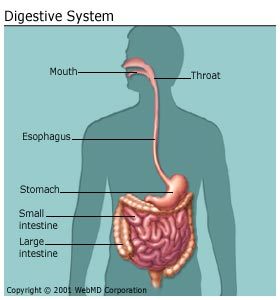

What are organs made out of?
cells
organisms
tissues
organ systems

The stomach is an example of an:
organ
organ system
organism
tissue
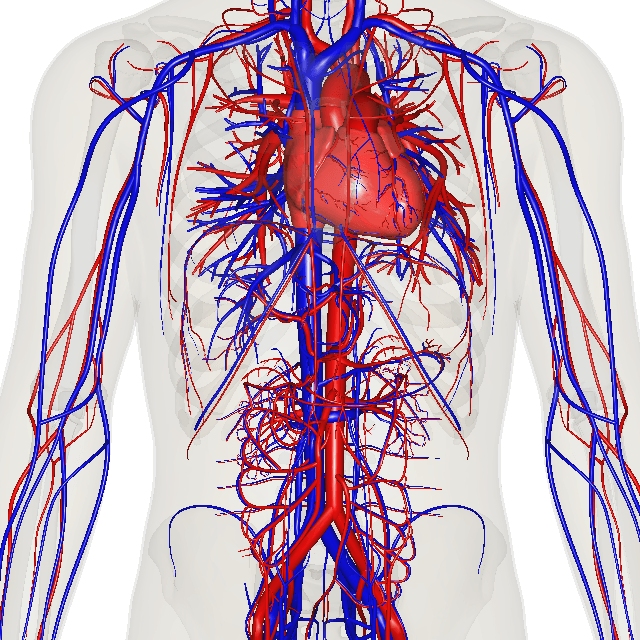

Structures in a cell that have specialized jobs.
Similar concept to organs for the human body.
Tissue
Molecule
Atom
Organelles

The basic building block of living things, made up of organelles.
Tissue
Organelle
Cell
Atom

Groups of cells with similar functions.
Organs
Molecules
Tissues
Organelles

Group of tissues with similar functions.
Organelles
Cells
Tissues
Organs

Group of organs with similar functions.
Organism
Cell
Organ
System
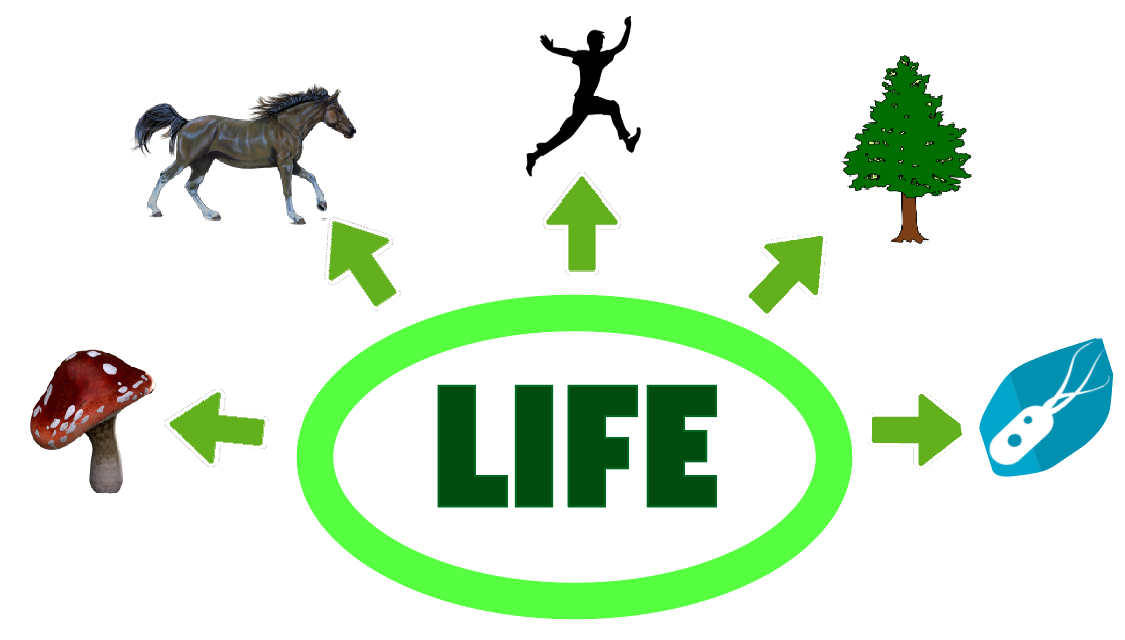
Any single living individual, and can refer to a single human, animal, plant,
Protista, bacteria, or fungi.
Community
Cell
Population
Organism

Organisms who are members of the same species in an ecosystem.
Organism
Population
Organ
Community

Group of populations in an area.
Organism
Ecosystem
Community
Biosphere

A biological community that includes various species and their physical environment (Biotic and Abiotic Factors).
Organism
Community
Biosphere
Ecosystem
Which of the following kingdoms have organism with cells, tissues, organs and systems?
Animalia
Eubacteria
Archaebacteria
Protista
An example of an ORGANELLE is...

the liver

bone tissue

chloroplast

respiratory system
What is NOT an example of a cell?

red blood cells

bone cells

plant cell

stomach
TISSUE, in biology, is a group of
(a)
In biology, an ORGAN is....

a group of tissues for hygiene purposes

a musical instrument

a group of tissues e.g. heart
an organelle

This image shows different biological
cells
tissues
organs
systems
It is mainly membrane-enclosed spaces stacked on top of each other
Rough ER
Mitochondria
Smooth ER
Golgi Apparatus
It provides the cell with energy
Vesicle
Nucleus
mitochondria
Vacuole

