
Font size
 Worksheets
Unit 4 AP Exam
Total questions: 94
Worksheet time: 1hrs 3mins
Which structure is primarily responsible for gas exchange in the lungs?
Trachea
Bronchi
Alveoli
Diaphragm
Which event occurs during inspiration?
Diaphragm relaxes and moves upward
Thoracic cavity volume decreases
Air pressure inside lungs increases
Diaphragm contracts and moves downward
What is the primary function of the respiratory system?
Transport of nutrients
Exchange of gases between the body and the environment
Production of digestive enzymes
Pumping blood throughout the body
Which part of the brain controls the rate and depth of breathing?
Cerebrum
Medulla oblongata
Hypothalamus
Cerebellum
What term describes the maximum amount of air that can be exhaled after a maximal inhalation?
Tidal volume
Residual volume
Vital capacity
Inspiratory reserve volume
What factor most directly affects respiratory capacity?
Eye color
Skin temperature
Physical fitness and lung elasticity
Digestive efficiency
What causes normal breath sounds such as vesicular and bronchial sounds?
Air moving through the respiratory passages
Heart beating near the lungs
Blood flowing through pulmonary veins
Vibrations from the vocal cords
During external respiration, which gas moves from the alveoli into the blood?
Carbon dioxide
Nitrogen
Oxygen
Helium
What happens to carbon dioxide during internal respiration?
It binds to hemoglobin only
It diffuses from body cells into the blood plasma
It moves from alveoli to capillaries
It is stored in the lungs
Which factor can increase respiratory rate?
Decreased CO₂ levels in blood
Increased carbon dioxide or hydrogen ion concentration
Low body temperature
Alkaline blood pH
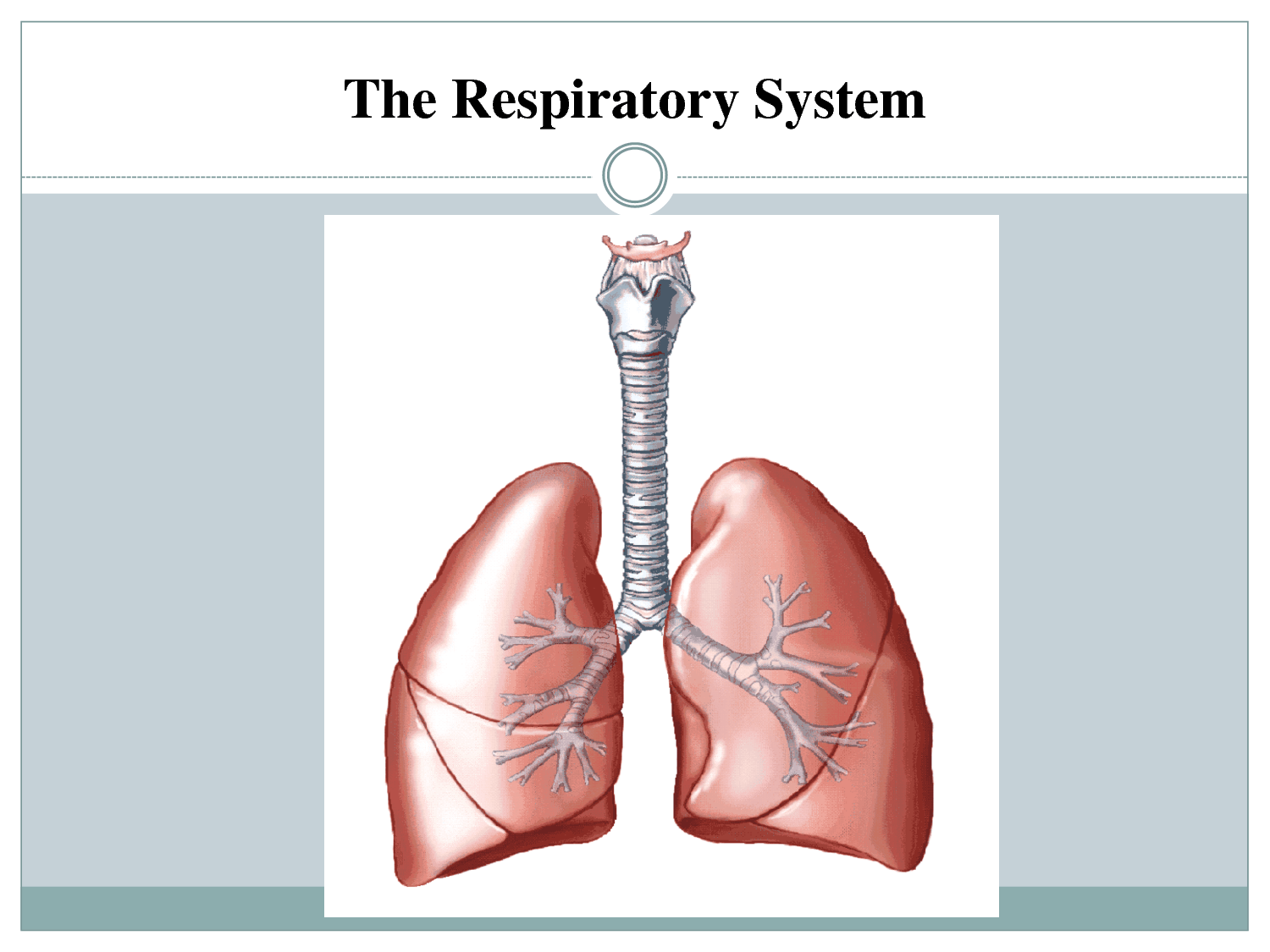

What is the scientific name for the human windpipe?
Trachea
Medulla Oblongata
Adam's Apple
Aorta


Which structure serves as the main passageway for air entering the respiratory system?
Nasal cavity
Esophagus
Pharynx
Epiglottis
The larynx functions primarily to:
Produce sound and protect the trachea from food entry
Exchange gases between blood and air
Transport oxygen in the bloodstream
Store carbon dioxide temporarily
Which of the following correctly describes the functional zones of the respiratory system?
Circulatory and respiratory zones
Conducting and respiratory zones
Internal and external zones
Upper and lower zones
The conducting zone includes all of the following structures except:
Bronchi
Alveoli
Trachea
Nasal cavity
What is the main function of the respiratory zone?
Warming and humidifying air
Gas exchange between air and blood
Filtering out pathogens
Regulating air pressure

What is D?
Trachea
Oropharynx
Epiglottis
Nasopharynx
Which muscle plays a key role in expanding the thoracic cavity during inhalation?
Deltoid
Quadriceps
Biceps
Diaphragm
What is the name of the tiny hair-like structures that help filter and move particles out of the respiratory tract?
Bronchioles
Cilia
Capillaries
Alveoli
Which process describes the movement of oxygen from the lungs into the blood?
External respiration
Internal respiration
Cellular respiration
Ventilation
What is hematopoiesis?
The breakdown of red blood cells
The process of blood clot formation
The destruction of bone marrow
The formation of blood cells in the bone marrow
During hematopoiesis, which type of stem cell gives rise to all blood cell types?
Epithelial stem cell
Hematopoietic stem cell
Myocyte stem cell
Osteogenic stem cell
What is hemostasis?
Oxygen transport through hemoglobin
The process of stopping blood loss after vessel injury
Destruction of platelets in the spleen
Exchange of gases between capillaries and tissues
Which of the following lists the correct sequence of events in hemostasis?
Platelet plug → coagulation → vascular spasm
Coagulation → vascular spasm → platelet plug
Vascular spasm → platelet plug → coagulation
Platelet plug → fibrin breakdown → vasoconstriction
Which blood type is considered the universal donor?
A+
AB+
O−
B−

The name of the membrane that covers the heart is _____.
parietal
pericardial
pleural
visceral
Type of circulation that refers to blood flow from the heart to the lungs and back to the heart again?
Systemic circulation
Renal circulation
Portal circulation
Pulmonary circulation
Types of cells in the blood that causes blood clots to form
Platelets
Blood
Plasma
Hemoglobin
White blood cells
Blood enters the right atrium is ________.
oxygen rich
deoxygenated
oxygenated
all of the above
What is the primary role of blood in the human body?
Lubricating joints and bones
Transporting gases, nutrients, hormones, and waste products
Generating electrical impulses for muscle movement
Producing enzymes for digestion
What is the average blood volume in a healthy adult?
1–2 liters
3–4 liters
5–6 liters
8–10 liters
In the fetus, blood cells are primarily formed in the:
Bone marrow
Liver and spleen
Lungs
Heart
In adults, the majority of blood cell formation occurs in the:
Red bone marrow of flat and long bones
Yellow bone marrow
Spleen
Thymus
Which of the following correctly lists the main components of blood?
Plasma, enzymes, and water
Plasma, red blood cells, white blood cells, and platelets
Serum, oxygen, and carbon dioxide
Water, proteins, and electrolytes only
At any given time, only about ________ of your body's blood is in your arteries.
10% to 15%
20% to 30%
30% to 40%
40% to 45%
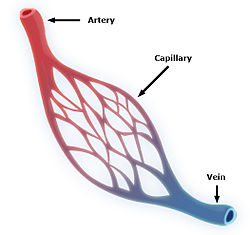


Which statement best describes the anatomy of arteries?
Thick, muscular, and elastic walls that carry blood away from the heart
Thin walls with valves to prevent backflow
Single-cell-thick walls for diffusion
Walls made mostly of connective tissue with little muscle
What is the main function of veins?
Carry blood away from the heart
Exchange gases and nutrients
Return blood to the heart and prevent backflow using valves
Regulate blood pressure through muscle contraction
Capillaries are specialized to:
Store blood for later use
Transport only oxygen-rich blood
Allow exchange of gases, nutrients, and wastes between blood and tissues
Pump blood through the circulatory system
Blood pressure is most commonly measured using which device?
Electrocardiogram
Thermometer
Sphygmomanometer and stethoscope
Pulse oximeter
Which of the following factors can increase blood pressure?
Dehydration and relaxation
Stress, increased blood volume, and arterial stiffness
Sleep and vasodilation
Low sodium intake and exercise training

Name part N.
Right atrium
left atrium
right ventricle
left ventricle

Name part I.
pericardium
mediastinum
septum
unknownum


#7
Left atrium
Right ventricle
Right atrium
Aorta


Identify the structure labeled at 1
Pulmonary Vein
Superior Vena Cava
Inferior Vena Cava
Pulmonary Artery

Identify the structure at 6
Superior Vena Cava
Aorta
Pulmonary Vein
Pulmonary Artery
What is the correct pathway of blood through the heart and vascular system?
Right atrium → right ventricle → pulmonary veins → lungs → left atrium → left ventricle → aorta → body
Right atrium → right ventricle → pulmonary arteries → lungs → left atrium → left ventricle → aorta → body
Left atrium → left ventricle → body → right atrium → lungs → right ventricle
Right atrium → lungs → left atrium → body → left ventricle
Which of the following lists the correct order of the heart’s conduction system?
SA node → Purkinje fibers → AV node → Bundle of His
SA node → AV node → Bundle of His → Purkinje fibers
AV node → SA node → Bundle branches → Purkinje fibers
SA node → Bundle branches → AV node → Purkinje fibers
Which heart structure separates the right and left sides to prevent mixing of oxygenated and deoxygenated blood?
Septum
Atrium
Valve
Aorta
During the cardiac cycle, which event occurs during ventricular systole?
Atria contract and fill the ventricles
Ventricles contract, forcing blood into the arteries
The AV valves open and semilunar valves close
Blood flows passively from veins into atria
What causes the characteristic “lub-dub” heart sounds?
Movement of blood through the vessels
Closure of the heart valves during the cardiac cycle
Opening of the semilunar valves
Contraction of the myocardium

The structure indicated by the red arrow is the
aorta.
coronary arteries.
pulmonary arteries.
pulmonary veins.
superior vena cava.

Where is the sinoatrial node?
(a)

What is Number 8
(a)
Where is the atrioventricular node?
6
1
5
Where is the Bundle of His?
6
3
2
What is Number 6
(a)
How are efferent nerves best described?
Nerves that originate in the periphery and carry signals to the spinal cord
Nerves that originate in the brain and carry signals to the spinals cord
Nerves that originate in the periphery and carry signals to the brain
Nerves that originate in the central nervous system and carry signals to the periphery
What is the location and function of a dendrite?
Is found on the neuron and functions to receive impulses from other nerves
Is found in the hypothalamus and functions to send signals to the pituitary
Is found in the medulla oblongata and functions to send signals to the spinal cord
A. Is found at the terminus of the axon and functions to connect to muscle
A dog is startled by a gunshot. Which of the following sympathetic effects are most likely to occur?
Constriction of the pupils, increased heart rate, and urination
Dilation of the pupils, increased heart rate, and urination
Dilation of the pupils, increased heart rate, and lack of urination
Constriction of the pupils, decreased heart rate, and lack of urination
The neurotransmitter norepinephrine stimulates fight or flight reactions in what system?
Parasympathetic system
Sensory neuron system
Somatic motor neuron system
Sympathetic system
Where is the autonomic division of the nervous system found?
As a part of the peripheral nervous system
As a part of the central nervous system
In the spinal cord
In the brain
The autonomic nervous system is divided into what branches?
Somatic and sympathetic branches
Somatic and parasympathetic branches
Sympathetic and parasympathetic branches
Sympathetic and sensory branches
What are the two general regions the nervous system can be divided into?
Upper and lower
Central and peripheral
Sympathetic and parasympathetic
Somatic and autonomic
What does the CNS consist of?
Heart and lungs
Nerves throughout the body
Brain and spinal cord
Stomach and intestines
What is the main function of the sympathetic nervous system?
Digestion
Movement coordination
Fight or flight response
Rest and digest
What is the role of myelin in the nervous system?
Regulating blood pressure
Insulating axons
Releasing histamine
Producing stomach acid
What happens during an action potential?
Digestive system activation
Neurons rest
Glial cells release neurotransmitters
Rapid change in charge along the neuron's axon
Found at the posterior base of the cerebrum and is in charge of balance and coordinating movements:
Thalamus
Reticular Formation
Hypothalamus
Cerebellum


What part of a neuron includes the nucleus and cell organelles?
cell body
myelin sheath
axon
nodes of Ranvier
Which cells produce myelin sheath?
Schwann cells
interneurons
astrocytes
satellite cells
What chemicals are stored in and released from axon terminals?
neurotransmitters
Schwann cells
dendrites
astrocytes

