
 Worksheets
Benchmark 1 Review
Total questions: 96
Worksheet time: 2hrs 30mins

The energy of electrons or electric charges
Chemical
Electric
Mechanical
Kinetic

The energy of a compound as its atoms are rearranged (such as in food or a battery)
thermal
mechanical
potential
chemical

All of the kinetic energy due to random motion of the particles that make up an object; heat energy
thermal
electric
potential
nuclear

Energy that travels in waves (electric and magnetic properties) - such as sunlight, xrays, and microwaves
Electric
Mechanical
Electromagnetic
Kinetic

Energy that comes from changes in the nucleus of an atom
thermal
mechanical
electric
nuclear
The potential energy of motion PLUS the kinetic energy of motion
kinetic
potential
mechanical
chemical

Stored up energy of motion
kinetic
potential
mechanical
energy
The ability to do work or cause change
kinetic
potential
matter
energy

energy of motion
kinetic
potential
mechanical
electromagnetic
If an item has mass and height ABOVE the surface of the Earth, then the item has ____________________
elastic potential energy
gravitational potential energy
If a cotton ball and a brick are both held 30 feet above the ground, which object has more gravitational potential energy?
the cotton ball, because it has more mass
the cotton ball, because it has less mass
the brick, because it has more mass
the brick, because it has less mass
Kinetic Energy is related to which of the following?
mass and gravity
mass and speed
density and color
speed and texture
An 18-wheeler and a motorcycle are both traveling 60mph. Which one has more kinetic energy?
They both have the same amount
the 18-wheeler because it has more mass even though the speed is the same
the motorcycle because it has less mass

The energy stored in a bow right before you release the arrow is called ______________________________
gravitational potential energy
elastic potential energy
chemical energy
kinetic energy
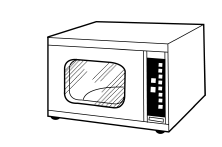

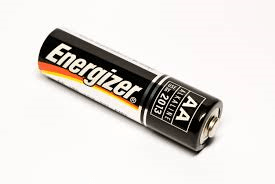

Which of the following best describes the energy transformations that occur when a flashlight that runs on batteries is turned on?
chemical to mechanical to electrical to radiant
radiant to electrical to sound
chemical to radiant to mechanical to electrical
electric to radiant to chemical

Thermal energy is also known as
light
heat
radiation

Light energy is also known as
radiant energy
thermal energy
heat energy
nuclear energy

Most of the world's energy is solar. Solar energy is energy from the
Earth
Solar panels
Sun
Moon
What is geothermal energy?
Energy from the Sun
Energy made by wind spinning a turbine
Energy collected using the heat of the Earth
Energy collected by a hamster running on a wheel connected to a generator



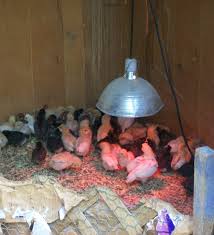
Biotic factors are...
living things
non-living things
undead things
Abiotic factors are...
living things
non-living things
undead things
Some examples of biotic factors would be
trees
insects
bacteria
all of the above
Which of these is NOT an abiotic factor?
water
temperature
grass
soil
What might living organisms compete for?
shelter
food
water
all of the above
Which of the following is an abiotic factor that plants depend on?
seed-eating birds
insect pollinators
ants building their nests in trees
nutrients in the soil
Which of the following is a biotic factor?
humans
bridges
roads
water
Which of the following is an abiotic factor that could be used for shelter?
a tree
a bush
a bridge
a field of corn
What makes up an environment?
only biotic factors
only abiotic factors
both biotic and abiotic factors
neither biotic nor abiotic factors
Which choice is an example of a relationship between an abiotic factor and a biotic factor?
sun shining on a tree
bacteria infecting an organism
a lion eating a zebra
a bird eating seeds
What are some examples of resources over which plants compete?
space, water, and animals
water, light , and space
sugar, temperature and carbon dioxide
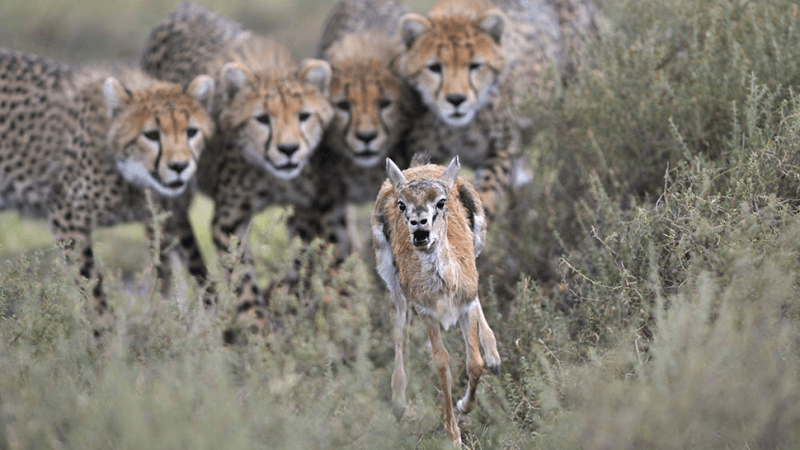
Hawks and owls eat the same type of food and struggle with one another to get their food. What is this an example of?
Competition
Biotic factor
Symbiosis
Population
This is a biotic factor:
grass
rocks
soil
What are some examples of resources over which plants compete?
space, water, and animals
water, light , and space
sugar, temperature and carbon dioxide
In a certain ecosystem, foxes and snakes prey on the same rabbits. What would INCREASE the competition between the foxes and snakes?
An increase in foxes and snakes
A smaller habitat for the foxes, snakes, and rabbits
A reduction (fewer) rabbits in the ecosystem
All of the above
What is competition in an ecosystem?
How all the living and nonliving things in an area interact.
A single, self-contained living thing
An interaction between organisms or species in which both require a resource that is in limited supply
What is an ecosystem?
Something in the environment that is needed for organisms to survive but is only available in fixed amounts
A system that includes all the biotic and abiotic factors in an area and their interactions
A system that includes all the biotic factors in an area and their interactions
Which factor is NOT abiotic?
water
seaweed
sand
sunlight

Refer to the food chain above. If a disease causes most of the pike in the pond to die, what will most likely happen to the perch population?
Osprey will eat the perch so the population of perch will decrease.
The perch population will increase, which will cause a decrease in the minnow population.
The perch population will stay the same because it has no predator.

A student wants to investigate competition between two organisms. For the investigation, it is most important that the student should choose organisms that –
reproduce at a faster rate.
are both active during the night.
have the different adaptations.
require the same resources.

Rabbits and deer eat leaves, twigs, fruits and nuts, grass, corn, and alfalfa. Are the items listed in their diet biotic or abiotic?
biotic
abiotic
What is the definition of Symbiosis?
In mutualism, both organisms (a)
In parasitism, one organism benefits while the other gets (a)
In commensalism, one organism benefits while the other one is (a)
Definition of Prey
animal that is hunted for as food
animal that hunts organisms for food
Definition of Predator
animal that is hunted for as food
animal that hunts other animals for food

Select the best symbiotic relationship that these two organisms would express
mutualism
commensalism
parasitism

Select the best symbiotic relationship that these two organisms would express
mutualism
commensalism
parasitism

Select the best symbiotic relationship that these two organisms would express
mutualism
commensalism
parasitism

Select the best symbiotic relationship that these two organisms would express
mutualism
commensalism
parasitism

Select the best symbiotic relationship that these two organisms would express
mutualism
commensalism
parasitism

Select the best symbiotic relationship that these two organisms would express
mutualism
commensalism
parasitism

Select the best symbiotic relationship that these two organisms would express
mutualism
commensalism
parasitism

Select the best symbiotic relationship that these two organisms would express
mutualism
commensalism
parasitism
As prey population goes up... predator populations go (a)
As prey population numbers go down, which means a decrease in food for predators... predator population numbers go...
(a)
Mosquitos bite humans and suck out blood, which they use as food. The human may become sick from the bite. Which symbiosis is this?
mutualism
parasitism
commensalism
predation
The remora, also known as suckerfish, share a relationship with nearby sharks. Remoras have suckers attached to their fins. They attach to the bodies of sharks. The shark provides transportation for the remora. The remora feeds on scraps of food that are left behind. Which symbiosis is this?
mutualism
parasitism
commensalism
predation
A tapeworm attaches to the inside of the intestines of a dog. The tapeworm gets food by eating the dog's partly digested food. The dog loses nutrients. Which symbiosis is this?
mutualism
parasitism
commensalism
predation
In southern Asia, a mongoose and hornbill bird protect each other. They take turns guarding each other from predators while the other one sleeps. What kind of symbiosis is this?
mutualism
parasitism
commensalism
predation
Ants live in acacia trees and feed on their nectar. The ants provide protection for trees. When plant-eating aniamals try to feed on the tree, the ants sting the animals. Which symbiosis is this?
mutualism
parasitism
commensalism
predation
Barnacles are crustaceans that cannot move independently. They attach to the bodies of whales. When the whale moves, the barnacles catch plankton for food. The whale is not harmed. What kind of symbiosis is this?
mutualism
parasitism
commensalism
predation
Coyotes and badgers are know for working together. Coyotes catch prey that is above ground. Badgers hunt prey that is underground. They, the animals share their food with each other. Which symbiosis is this?
mututalism
parasitism
commensalism
predation
In oceans, goby fish and coral share a relationship. The small goby fish eats seaweed that is competing with the coral. The fish gets a protective shelter in the coral. What type of relationship is this?
mutualism
parasitism
commensalism
predation
When a bee visits a flower for nectar, pollen grains stick to their hind legs. This pollen later falls off and pollinates another flower. What symbiosis is this?
mutualism
parasitism
commensalism
predation
Zebras are often seen with birds called ox-peckers. The ox-peckers feed on ticks that live on the zebra's skin. Which symbiosis is this?
mutualism
parasitism
commensalism
predation
Clown fish live in the tentacles of the sea anemone. These tentacles sting the sea anemone's prey. Anemones get their food from the waste of the clown fish. The clown fish is protected from predators by the stinging tentacles. Which symbiosis is this?
mutualism
parasitism
commensalism
predation
Cheetahs have excellent camouflage abilities, and strong muscles to run very fast enabling them to catch a gazelle. Which symbiosis is this?
mutualism
parasitism
commesalism
predation
Wild dogs might be small, but they make up for it by resorting to pack behavior. The strategy is simple: coordinate an attack, isolate an gazelle, tire it, and bring it down by grabbing its tail and nose. Which type of symbiosis is this?
mutualism
parasitism
commensalism
predation
In the marine biome, the great white shark is the apex predator. It usually preys on elephant seals. What kind of symbiosis is this?
mutualism
parasitism
commensalism
predation
In Africa, crocodiles lie with their mouths open. A small bird, called a plover, flies in the open mouth of a crocodile and feeds on the meat stuck in the crocodile's teeth. The crocodile does not harm the bird, and the bird gets a meal. Which kind of symbiosis is this?
mutualism
parasitism
commensalism
predation

