wayground logo

Free Printable Worksheets

Font size

S
M
L
XL
Worksheets

Catastrophic Events

Total questions: 100

Worksheet time: 2hrs 40mins

Name
Class
Date
1.
What catastrophic event results in destruction along a narrow path?
a)
a volcanic eruption
b)
a tsunami
c)
a hurricane
d)
a tornado
2.
what is this
a)
tornado 
b)
landslide
c)
typhoon 
d)
hurricane
3.
What causes damage in a hurricane?
a)
Winds
b)
Flooding
c)
Storm Surge
d)
All of the above
4.
What catastrophic event would be of greatest risk to a grassland?
a)
hurricane
b)
flood
c)
tsunami
d)
wildfire
5.
Which storms have the strongest winds?
a)
hailstorms
b)
tornadoes
c)
earthquakes
d)
hurricanes
6.
Which natural disaster uses the Richter scale to measure strength? 
a)
Earthquake
b)
Tornado
c)
Tsunami
d)
Hurricane
7.
a)
Caused by an asteroid or meteor entering the Earth's atmosphere and hitting the Earth.
b)
Caused by shift in the Earth's tectonic plates
c)
Caused by rotation and convection currents rising up over warm ocean water
d)
Sometimes created when two air masses with different temperatures meet
8.
a)
Caused by an asteroid or meteor entering the Earth's atmosphere and hitting the Earth.
b)
Caused by shift in the Earth's tectonic plates
c)
Caused by rotation and convection currents rising up over warm ocean water
d)
Sometimes created when two air masses with different temperatures meet
9.
a)
Usually the result of human negligence, but can also be caused by lightning
b)
Created by a weakness in the Earth's crust.  Magma rises up from mantle
c)
Storm surge causes massive flooding.  Wind damage causes structural damage to homes and businesses
d)
High winds cause destruction to everything in its path.
10.
a)
Usually the result of human negligence, but can also be caused by lightning
b)
Created by a weakness in the Earth's crust.  Magma rises up from mantle
c)
Storm surge causes massive flooding.  Wind damage causes structural damage to homes and businesses
d)
High winds cause destruction to everything in its path.
11.
A sudden shift in the earth's crust is called a...
a)
Earthquake 
b)
Volcano 
c)
Tsunami
d)
Flood
12.
This catastrophic event starts by lightening or a camper...
a)
Volcano
b)
Tornado
c)
Wildfire
d)
Drought
13.
A large storm associated with low pressure, forms over water is called...
a)
Flood
b)
Hurricane
c)
Tsunami 
d)
Blizzard
14.
Debris from space is called...
a)
Tornado 
b)
Wildfire
c)
Volcano 
d)
Meteor
15.
A spinning funnel cloud which causes much destruction is called a...
a)
Tornado 
b)
Earthquake
c)
Tsunami 
d)
Hurricane 
16.
What catastrophic event is caused by an unusually large amount of water for an area?
a)
Hurricane
b)
Flood
c)
Blizzard
d)
Tsunami 
17.
A large wave created by an underwater earthquake is called a...
a)
Earthquake 
b)
Hurricane
c)
Tsunami 
d)
Flood
18.
An extensive amount of snow over a short period is called a...
a)
Blizzard
b)
Flood
c)
Tsunami 
d)
Hurricane 
19.
When lava or ash spew from a mountain vent, what catastrophic event does this describe? 
a)
Volcano 
b)
Drought
c)
Wildfire
d)
Meteor
20.
A long period with no rain is called a...
a)
Earthquake
b)
Wildfire
c)
Drought
d)
Tornado 
21.
How does lake-effect snow form?
a)
Warm, moist air blows over colder land and then over water. 
b)
Warm, dry air blows over large lakes and then over land.  
c)
Cold, moist air blows over warm land and then over water.  
d)
Cold, dry air blows over large lakes and then over land.  
22.
One of the best places to seek protection during a tornado is...
a)
in the attic.
b)
beside either the stove or the refrigerator. 
c)
in the garage. 
d)
in the basement of a well-build building.  
23.
The most dangerous aspect of a snowstorm is often the...
a)
high winds. 
b)
depth of snow. 
c)
brightness.
d)
air temperature.  
24.
Thunderstorms form within...
a)
high altocumulus clouds.
b)
high cirrocumulus clouds. 
c)
large cumulonimbus clouds.  
d)
low cirrus clouds.  
25.
Hurricanes typically form over...
a)
cold ocean water. 
b)
tropical rain forests. 
c)
warm ocean water. 
d)
very dry land masses. 
26.
One example of a safe place to be during a thunderstorm is...
a)
riding in a boat. 
b)
swimming in a lake.
c)
sitting under a tree. 
d)
crouching in a low area.  
27.
If people are asked to evacuate during a hurricane watch, they are being asked to...
a)
seek shelter in their homes.  
b)
move away from the windows in their homes. 
c)
leave the area temporarily. 
d)
move away permanently.  
28.
A storm is a(n):
a)
"dome" of water that sweeps across the coast where a hurricane lands.  
b)
huge body of air that has similar temperature, humidity, and air pressure at any given height.  
c)
boundary where unlike air masses meet and do not easily mix.  
d)
violent disturbance in the atmosphere.  
29.
Rain washing away soil from a hillside
a)
Weathering
b)
Erosion
c)
Deposition
30.
Which of the following natural disasters have the MOST impact on TEXAS?
a)
hurricanes
b)
floods
c)
tornadoes
d)
earthquakes
31.
Which storms have the strongest winds?
a)
hailstorms
b)
tornadoes
c)
earthquakes
d)
hurricanes
32.
Which of these is not an impact to the ecosystem after a hurricane?
a)
Fires throughout the area
b)
Poor water quality in the area
c)
Erosion of beaches
d)
Massive flooding
33.
Floods happen when_________
a)
too much snow and winds are present
b)
too much rain in a short period of time
c)
too much rain in mountains
d)
too much rain inside a cave
34.
Tornadoes can negatively affect an ecosystem when
a)
the saltwater they bring kills off burrowing insects
b)
their strong winds uproot many of the important plants
c)
the rise in water level they produce introduces harmful salt
d)
they bring higher temperatures favored by birds
35.
Which of the following is the most likely effect on flooding on an ecosystem?
a)
Increase in organisms that reproduce in fresh water
b)
More rapid growth of grasses and shrubs
c)
Fish that feed on plants will have to compete more
d)
Nutrients will increase in deeper layers of the soil
36.
Which catastrophic event would likely result in trees being knocked over and the disappearance of most plants and animals along a narrow path in a forest ecosystem?
a)
Tornado
b)
Volcanic Eruption
c)
Flash Flood
d)
Earthquake
37.
The arrows represent  air rising from the ocean to the atmosphere Rising warm air leads to the formation of
a)
Tsunamis
b)
High Tides
c)
Hurricanes
d)
Density Currents
38.
How does the convection of air produce thunderstorms?
a)
by causing warm air to sink and cold air to rise
b)
by causing warm air to rise and cold air to sink
c)
by causing both warm air and cold air to rise
d)
by causing both warm air and cold air to sink
39.
Which is not an impact to the ecosystem after a drought?
a)
Water is scarce and causes organisms to find new sources of water elsewhere.
b)
Floods will wipe out all the vegetation
c)
Herbivores will have to leave and find food elsewhere
40.
Which of these is not an impact to the ecosystem after a hurricane?
a)
Fires throughout the area
b)
Poor water quality in the area
c)
Erosion of beaches
d)
Massive flooding
41.
A recent flood in the area has caused many short term changes to the ecosystem. Which is a long term change?
a)
Standing water in the streets and sewers
b)
Temporary displacement of organisms
c)
Permanent change in the landscape
d)
Poor water quality in rivers and streams
42.
Which is the best synonym for catastrophic?
a)
Advantageous
b)
Successful
c)
Disaster
d)
Fortunate
43.
Lava or ash spewing from a mountain vent.
a)
Earthquake
b)
Flood
c)
Drought
d)
Volcano
44.
Caused by an unusually large amount of water for an area
a)
Earthquake
b)
Flood
c)
Drought
d)
Volcano
45.
A sudden shift in the earth's crust
a)
Earthquake
b)
Flood
c)
Drought
d)
Volcano
46.
A spinning funnel cloud which causes much destruction
a)
Tornado
b)
Hurricane
c)
Tsunami
d)
Meteor
47.
A large wave created by an underwater earthquake
a)
Tornado
b)
Hurricane
c)
Tsunami
d)
Meteor
48.
Debris from space
a)
Tornado
b)
Hurricane
c)
Tsunami
d)
Meteor
49.
A large storm associated with low pressure, forms over water
a)
Tornado
b)
Hurricane
c)
Tsunami
d)
Meteor
50.
An extensive amount of snow over a short period 
a)
Wildfire
b)
Blizzard
c)
Meteor
d)
Hurricane
51.
Starts by lightning or a camper
a)
Wildfire
b)
Blizzard
c)
Meteor
d)
Hurricane
52.
Changes to landscape due to erosion.
a)
Short term impact
b)
Long term impact
53.
Standing water and flooding.
a)
Short term impact
b)
Long term impact
54.
Temporary displacement of organisms.
a)
Short term impact
b)
Long term impact
55.
Permanent displacement of organisms.
a)
Short term impact
b)
Long term impact
56.
Forests wiped out by a wildfire.
a)
Short term impact
b)
Long term impact
57.
Wind damage to buildings.
a)
Short term impact
b)
Long term impact
58.

Which of these is NOT an impact to the ecosystem after a hurricane?

a)

Fires throughout the area

b)

Poor water quality in the area

c)

Erosion of beaches

d)

Massive flooding

59.

Which of the following is NOT a benefit from a catastrophic event?

a)

A flooded river deposits nutrients on the riverbank.

b)

A wildfire returns nutrients to the soil.

c)

A flood provides extra water to the environment.

60.
Tornadoes can negatively affect an ecosystem when
a)
the saltwater they bring kills off burrowing insects
b)
their strong winds uproot many of the important plants
c)
the rise in water level they produce introduces harmful salt
d)
they bring higher temperatures favored by birds
61.

Which of the following is an example of a benefit of a flooded river?

a)

Burial and uprooting of plants

b)

Deposition of nutrients in the surrounding soil

c)

Removal of leaves from tall trees

d)

Increased formation of habitats for organisms

62.

Which of the following correctly matches the catastrophic event with its impact?

a)

Heavy flooding increases the number of species in an area.

b)

A tornado causes seawater to move onto the coast.

c)

A hurricane increases erosion and makes a beach smaller.

d)

A wildfire increases the number of habitats for organisms.

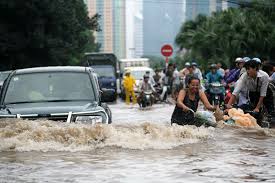
63.
What catastrophic event does this picture depict? 
a)
Tsunami
b)
Tornado
c)
Hurricane
d)
Earthquake
64.
What catastrophic event does this picture depict? 
a)
Tsunami
b)
Tornado
c)
Hurricane
d)
Earthquake
65.
Which of the following natural disasters have had the LEAST impact on TEXAS
a)
hurricanes
b)
floods
c)
tornadoes
d)
earthquakes
66.

What catastrophic event could cause plants to die due to salt water invasion?

a)

Hurricane

b)

Tornado

c)

Flood

d)

Wild Fire

67.

What catastrophic events adds nutrients back to the soil?

a)

Tornado

b)

hurricane

c)

Flood

d)

Forest Fire

68.

What catastrophic event could cause contaminated water?

a)

Tornado

b)

Flood

c)

Forest Fire

d)

Volcanic Eruption

69.

A tsunami is a large wave caused by

a)

a hurricane.

b)

global warming.

c)

an undersea earthquake, a volcanic eruption, or coastal landslide.

70.

Natural disasters are almost always caused by human error.

a)

true

b)

false

71.

Which is the best synonym for catastrophic?

a)

Advantageous

b)

Successful

c)

Disasterous

d)

Fortunate

72.

The permanent displacement of organisms would be an example of a

a)

long term effect of a natural disaster.

b)

short term effect of a natural disaster.

73.

What is the relationship between ecological succession and equilibrium in an ecosystem?

a)

Ecological succession helps maintain equilibrium in an ecosystem.

b)

Ecological succession prevents ecosystems from ever reaching equilibrium.

c)

There is no relationship between ecological succession and equilibrium.

d)

Ecological succession and equilibrium are the same thing

74.

A hurricane hits a coastal prairie and destroys the habitat. Years later there is an appearance of small plants with rapidly spreading roots on newly formed coastal sand dunes. This vegetation describes--

a)

a microhabitat

b)

primary succession

c)

secondary succession

d)

biodiversity

75.

What is the main difference between primary and secondary succession?

a)

primary begins with soil formation and secondary starts with soil intact

b)

primary is the first stage and secondary is the second stage

c)

primary builds plant communities and secondary builds animal communities

d)

primary occurs after natural disasters and secondary occurs after disturbances to the ecosystem
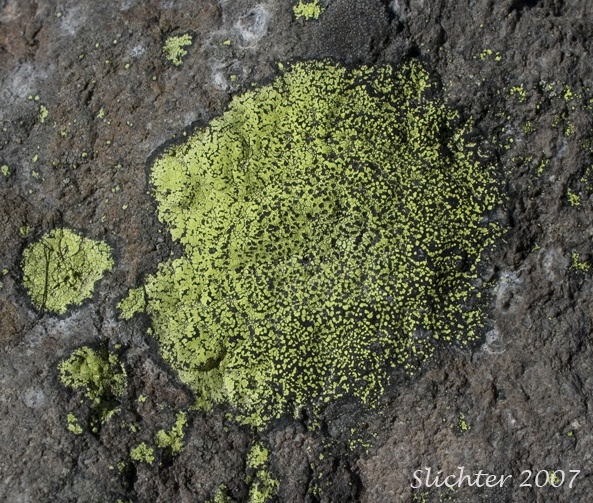
76.
What is the name given to lichen or algae after a primary succession?
a)
pioneer species
b)
volunteer species
c)
founder species
d)
conqueror species
77.
Where are hurricanes most likely to do the most damage?
a)
Near the coast
b)
In the forest
c)
In a desert
d)
On the North Pole
78.
What catastrophic event results in destruction along a narrow path?
a)
a volcanic eruption
b)
a tsunami
c)
a hurricane
d)
a tornado
79.
Which storms have the strongest winds?
a)
hailstorms
b)
tornadoes
c)
earthquakes
d)
hurricanes
80.

All of the following are caused by hurricanes except:

a)

Salt intrusion

b)

Flooding

c)

Wild Fires

d)

Storm Surge

81.

How would this hurricane affect a terrestrial (land) habitat in Jacksonville Mississippi?

a)

High winds blowing houses away

b)

Salt water Fish species will loose their Homes

c)

Flooding will cause ground dwelling animals to loose their home

d)

Sea Birds will no longer have nesting habitat
82.
Which is not an impact to the ecosystem after a drought?
a)
Water is scarce and causes organisms to find new sources of water elsewhere.
b)
Floods will wipe out all the vegetation
c)
Herbivores will have to leave and find food elsewhere
83.
A long period with no rain
a)
Earthquake
b)
Flood
c)
Drought
d)
Volcano
84.
What causes damage in a hurricane?
a)
Winds
b)
Flooding
c)
Storm Surge
d)
All of the above
85.
What catastrophic event would be of greatest risk to a grassland?
a)
hurricane
b)
flood
c)
tsunami
d)
wildfire
86.
A long high sea wave caused by an underwater Earthquake, landslide or underwater volcanic
a)
Typhoon
b)
Flood
c)
Tornado
d)
Tsunami
87.
Which of the following natural disasters have had the LEAST impact on TEXAS
a)
hurricanes
b)
floods
c)
tornadoes
d)
earthquakes
88.
What are the two most destructive parts of a hurricane?
a)
wind and water
b)
wind and debris
c)
debris and lightning
d)
lightning and wind
89.

When a tornado forms, it can be seen as a __________?

a)

a funnel cloud

b)

a giant cloud

c)

a dark colored cloud

90.

Wildfires can move quickly and destroy large areas of land in a few minutes.

a)

True

b)

False

91.
What is the shaking of the Earth’s crust caused by a release of energy?
a)
Earthquake
b)
Epicenter
c)
Fault
d)
Plate
92.

Catastrophic events impact ecosystems as well as people

a)

True

b)

False

93.

Ecosystems with high biodiversity have higher sustainability to stress such as catastrophic events

a)

True

b)

False

94.
An explosive discharge of magma, rock, ash, and gases
a)
Earthquake
b)
Asteroid Impact
c)
Volcanic Eruption
d)
Cyclone
95.
a)
Total destruction of landscape including entire ecosystems.  Air quality is damaged over a large area.
b)
Everything in the path can be burned and all organisms are forced to leave the immediate area.
c)
Extensive damage to roads and structure from violent shaking.  Landscapes may change.
d)
Total destruction of landscape.  Can cause an extinction event if large enough.
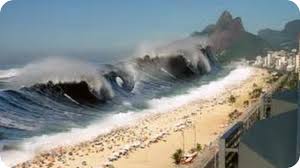
96.
The catastrophic event shown here is a/an_________
a)
hurricane
b)
flood
c)
tsunami
d)
tornado
97.

An earthquake occurs in the Pacific Ocean. The effect that is most likely to result from this earthquake is -

a)

the collapse of buildings in the central United States

b)

extreme flooding along coastal regions

c)

a crater will form on the ocean floor

d)

a hurricane will develop

98.

Which is not an example of an area that is likely to undergo primary succession?

a)

a volcanic eruption leaving behind hardened lava flows

b)

a glacier begins to melt and move leaving behind exposed rock

c)

a barnacle-encrusted rock is exposed on shore at low tide

d)

a landslide exposes bare bedrock

99.

In the process of ecological succession, grasses appear before shrubs because grasses -

a)

loosen the dirt for new trees to take root

b)

provide food for animals returning to the area

c)

require plenty of sunlight to make their own food

d)

can grow rapidly even in areas with shallow soil
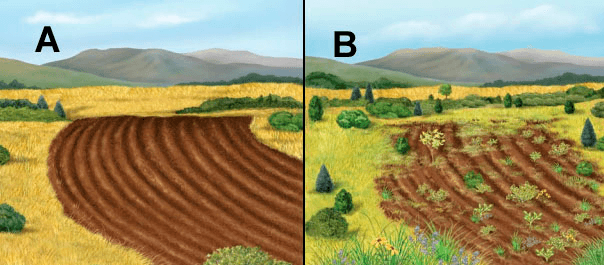
100.
What type of succession is shown going from figure A to figure B?
a)
primary succession
b)
ecological succession
c)
secondary succession
d)
intermediate