
 Worksheets
Chemistry Unit Review
Total questions: 100
Worksheet time: 3hrs 47mins
Fill in the blank: _______ is an example of a chemical reaction.
A) Burning fireworks
B) Melting ice
C) Mixing Kool-Aid with water
Which of the following is NOT a chemical reaction?
A) Baking a cake
B) Melting ice
C) Burning fireworks
D) Burning Paper
Fill in the blank: Baking a cake is considered a _______.
A) Chemical Reaction
B) Physical Change
What happens to metal over a long period of time when it is exposed to the environment?
It melts
It rusts
It evaporates
It freezes
Which of the following is a chemical change?
Cutting an apple
Breaking a glass
Boiling an egg
Tearing a piece of paper
Which of the following statements describe chemical reactions? Select THREE that apply.
Dissolving sugar in iced tea to make sweet tea.
Cooking pancakes on a griddle.
Two clear solutions, lead nitrate and potassium iodide, are combined and a yellow solid forms.
A beaker feels cool to the touch after vinegar and baking soda are mixed in it.
Water mixed with red drink mix forms a red liquid.
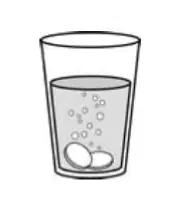
Which of the following is LESS dense than water?
the glass
the tablets
the bubbles
Changes in which one or more new substance is formed are called
phases of matter
chemical changes
physical changes

Rust is a form of oxidation. This is what type of change?
Physcial
Chemical
A new substance is formed during which type of change?
Physical Change
Chemical Change


Label the picture as a physical change or a chemical change.
physical change
chemical change

Label the picture as a physical change or a chemical change.
physical change
chemical change
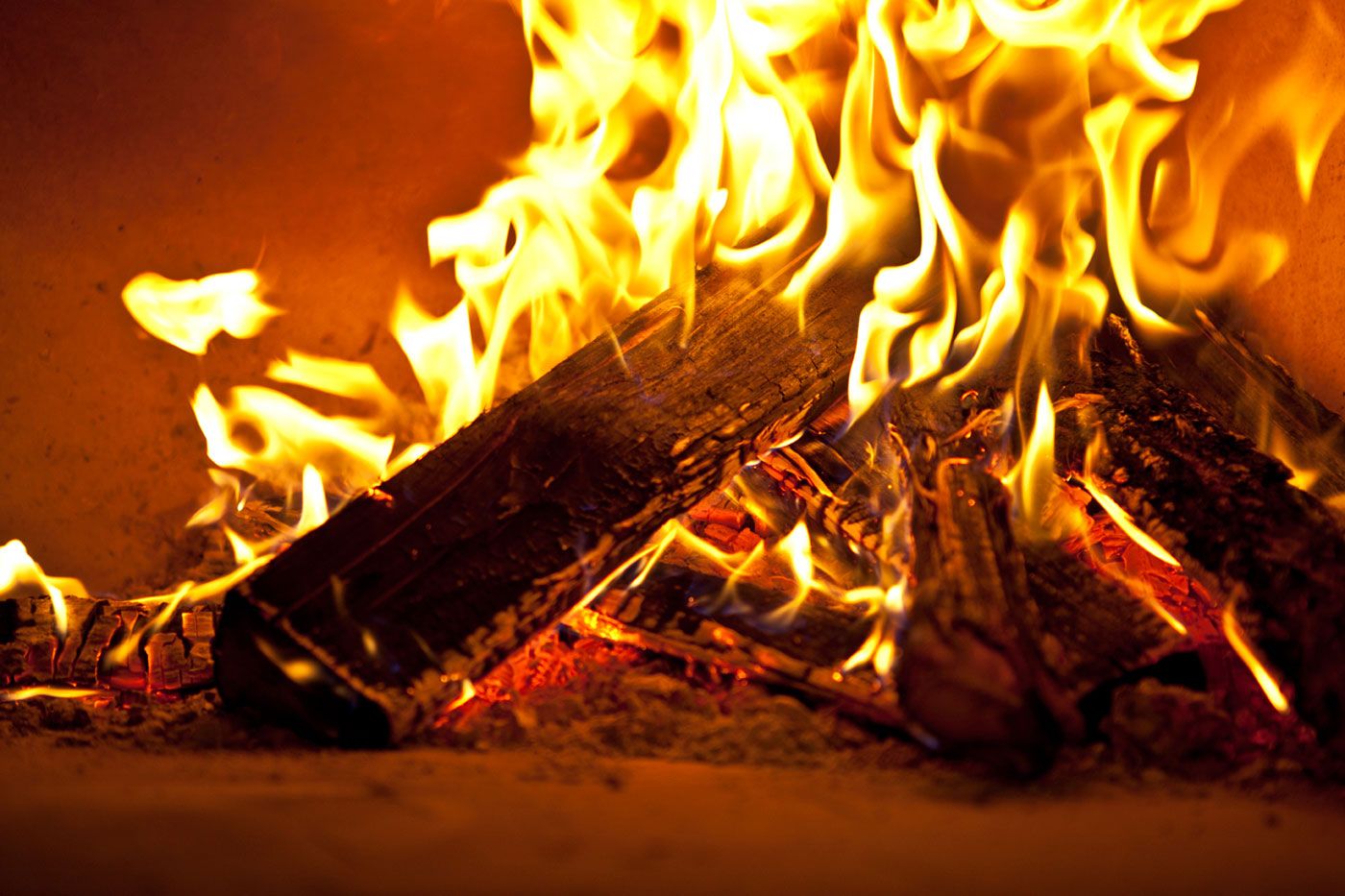

physical change
chemical change
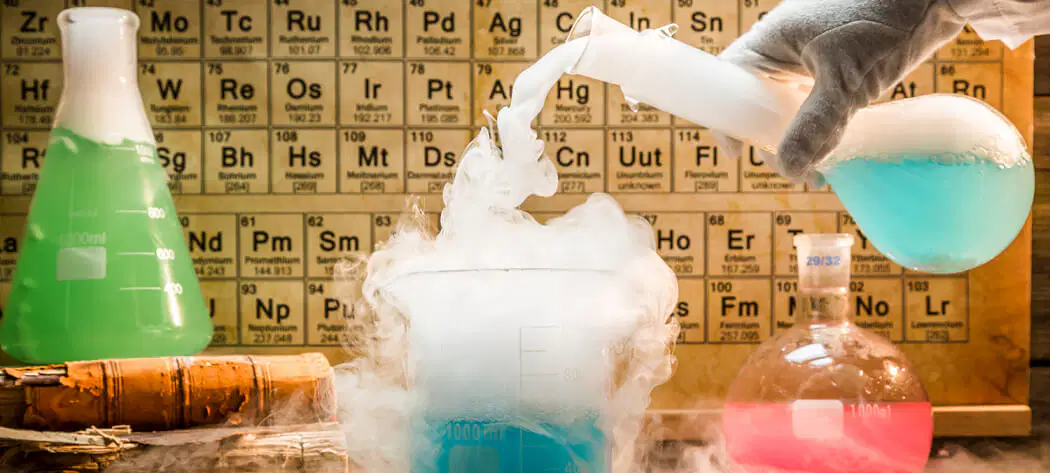
Which of the following are evidence of a chemical change?
A new color appears
Bubbles of gas are formed
Precipitate forms
Heat or light is produced
All of these
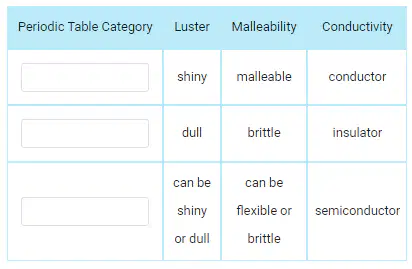
A shiny, malleable, conductor is a (a)
A dull,brittle, insulator is a (a)
A shiny or dull, flexible or brittle, semiconductor is a (a)
Sofia is making a new necklace for her jewelry store. She is looking for a material that is shiny, malleable, and ductile. Which of the following elements would work the best?
Hydrogen (H)
Oxygen (O)
Carbon (C)
Gold (Au)

A metal can be made into a thin sheet and bend without breaking. This is called –
malleability
conductivity
luster
ductility

The three basic types of elements listed on the periodic table of the elements are:
metals, metalloids, nonmetals
rare earth elements, metals, nonmetals
Noble metals, noble gasses, rare earth elements
Metalloids, coinage metals, noble gasses

Potassium is shiny, a good conductor, and malleable. What type of element is potassium?
metal
metalloid
nonmetal

Elements in the shaded area can best be described as -
Malleable
Brittle
Dull
Insulators
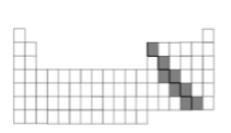
Elements in the shaded area can best be described as -
Shiny and brittle
Insulators
Good conductors

left side
right side
on the zigzag line

left side
right side
on the zigzag line

Metalloids are on the_________ of the periodic table.
Left side
Right Side
Stairstep

Which elements are to the right of the zig zag?
metals
nonmetals
metalloids
superconductors

Which elements are colored red?
nonmetals
metals
metalloids
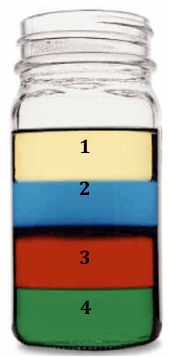
Which two substances are the most dense?
Which solid substance is the most dense?

Which statement is correct?
Corn syrup is more dense than water.
Water is more dense than corn syrup.
Water is less dense than oil.
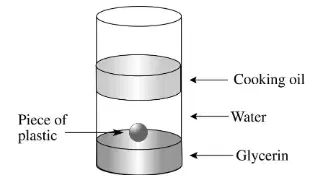
Water is more dense than cooking oil but less dense than glycerin.
True
False
Which substance is the least dense?
Water
Glycerin
C
P
Plastic is (a) dense than water but (b)
dense than glycerin.
Which two substances more dense than milk but less dense than corn syrup?
Which two substances are the least dense?
Which substances are more dense than canola oil and less dense than milk? Pick 2.
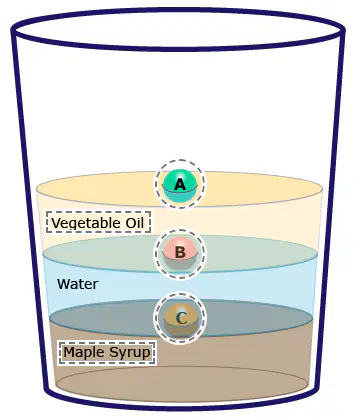
Which ball is the least dense?
A
B
C
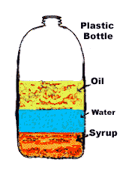


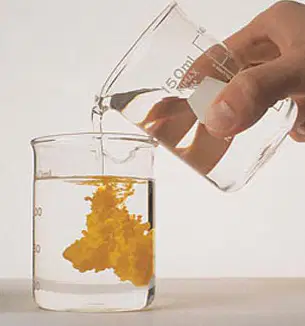
Two colorless liquids are mixed and a solid forms. How do we know a chemical change happened?
A preciptiate formed
The temperature decreased
A gas formed
Light was produced
Which pictures show a chemical change?
Which pictures show something new WAS made?
Which pictures show a physical change?
Which pictures show that something new was NOT made?
Which processes show a chemical change?
Which processes show a physical change?
In your vinegar and baking soda experiment, which two observations indicated a chemical change occurred?
gas production
temperature change
unexpected color change
precipitate production
Identify the metals.
Identify the nonmetals.
Identify the metalloids.

Iron is a good conductor of heat and electricity, malleable and ductile. What type of element is Iron?

Boron is shiny, brittle, and a semiconductor. What type of element is boron?

Sulfur is a dull, yellow, brittle, insulator. What type of element is sulfur?
Which element is a nonmetal?
Which type of element is titanium?
metal
metalloid
nonmetal
Which type of element is potassium?
metal
metalloid
nonmetal

All of these properties describe metals except...
malleable
conductors
brittle
shiny

Metal
Nonmetal
Metalloid

Metal
Nonmetal
Metalloid

Metal
Nonmetal
Metalloid

Metal
Nonmetal
Metalloid

Look at the chart. Which answer choice correctly describes the chart?
Column A describes metals
Column A describes nonmetals
Column B describes metalloids
Both Column A and Column B describe metals

Based on these observations, which sample is most likely a nonmetal? (drag the correct answer up here) (a)
Fill in the blank: Heat and ___________ travel easily through metals.
electricity
dull
changed
luster
metals

Metal
Nonmetal
Metalloid

Metal
Nonmetal
Metalloid

Metal
Nonmetal
Metalloid

Are NOT good conductors of heat.
Metals
Nonmetals
Metalloids
Sometimes are good conductors of heat.
Metals
Nonmetals
Metalloids

Nonmetals are 'brittle' or
strong
easily broken
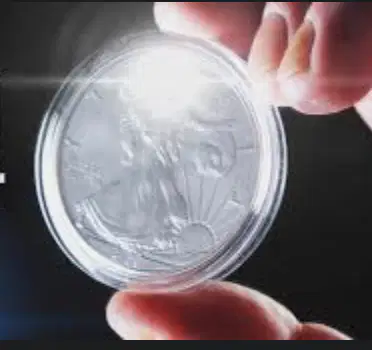
Metals are 'shiny' and reflective.
Luster
Malleable
Ductile
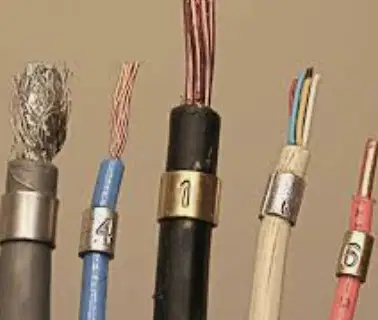
Metals are able to be pulled into wires.
luster
malleable
ductile


The table shows the properties of four elements. What type of element is sulfur?
nonmetal
metal
metalloid
All of these properties describe metals except...
malleable
conductors
brittle
shiny
left side
right side
on the zigzag line
left side
right side
on the zigzag line


