wayground logo

Free Printable Worksheets

Font size

S
M
L
XL
Worksheets

Are You Ready for Wednesday's Test?

Total questions: 100

Worksheet time: 1hrs 14mins

Name
Class
Date
1.
Where are hurricanes most likely to do the most damage?
a)
Near the coast
b)
In the forest
c)
In a desert
d)
On the North Pole
2.
What catastrophic event results in destruction along a narrow path?
a)
a volcanic eruption
b)
a tsunami
c)
a hurricane
d)
a tornado
3.
A prolonged period lacking rainfall that leads to a shortage of water.
It hadn't rained for three months straight and the _________ began to kill our crops. 
a)
Forest Fire
b)
Epidemic
c)
Heatwave
d)
Drought
4.
Which storms have the strongest winds?
a)
hailstorms
b)
tornadoes
c)
earthquakes
d)
hurricanes
5.
Which of the following natural disasters have the MOST impact on TEXAS?
a)
hurricanes
b)
floods
c)
tornadoes
d)
earthquakes
6.
The arrows represent  air rising from the ocean to the atmosphere Rising warm air leads to the formation of
a)
Tsunamis
b)
High Tides
c)
Hurricanes
d)
Density Currents
7.
Which is the best synonym for catastrophic?
a)
Advantageous
b)
Successful
c)
Disaster
d)
Fortunate
8.
Caused by an unusually large amount of water for an area
a)
Earthquake
b)
Flood
c)
Drought
d)
Volcano
9.
A sudden shift in the earth's crust
a)
Earthquake
b)
Flood
c)
Drought
d)
Volcano
10.
A spinning funnel cloud which causes much destruction
a)
Tornado
b)
Hurricane
c)
Tsunami
d)
Meteor
11.
A large storm associated with low pressure, forms over water
a)
Tornado
b)
Hurricane
c)
Tsunami
d)
Meteor
12.
The center of a hurricane is called the ______.
a)
center
b)
brain
c)
eye
d)
circle
13.
A spinning funnel cloud which causes much destruction
a)
Tornado
b)
Hurricane
c)
Tsunami
d)
Meteor
14.
An extensive amount of snow over a short period 
a)
Wildfire
b)
Blizzard
c)
Meteor
d)
Hurricane
15.
Where do hurricanes form?
a)
In a river or stream
b)
Over the ocean
c)
At plate boundaries
d)
Under the Earth
16.
What catastrophic event would be of greatest risk to a coastal area?
a)
hurricane
b)
drought
c)
none of the above
d)
all of the above
17.
what is this
a)
tornado 
b)
landslide
c)
typhoon 
d)
hurricane
18.
Any natural event that occurs on earth and causes significant changes or damage
a)
catastrophic event
b)
ecosystems
c)
weathering
d)
deposition
19.
How are hurricanes named?
a)
monthly
b)
numerically
c)
by size
d)
alphabetically
20.
Hurricane season is from _______ to _______.
a)
January to July
b)
June to November
c)
November to June
d)
July to January
21.
Hurricanes are ranked according to:
a)
Fujita Scale
b)
damage they cause
c)
wind speed
d)
location
22.
What are the two most destructive parts of a hurricane?
a)
wind and water
b)
wind and debris
c)
debris and lightning
d)
lightning and wind
23.
Where does the energy come from that helps to form severe weather?
a)
the center of the earth
b)
the sun
c)
mankind
d)
wildfires
24.
A mass of snow, ice and rocks falling rapidly down a mountainside
a)
Blizzard
b)
Cyclone
c)
Avalanche
d)
Severe Storm
25.
A tropical storm that forms an "eye" in the Atlantic Ocean, central and NE Pacific Ocean or Carribean Sea and is measured as F1-F5 depending on wind speeds
a)
Flood
b)
Tornado
c)
Tsunami
d)
Hurricane
26.
A destructive fire that spreads quickly but rejuvenates the soil
a)
Volcanic Eruption
b)
Wildfire
c)
Asteroid Impact
d)
Typhoon
27.

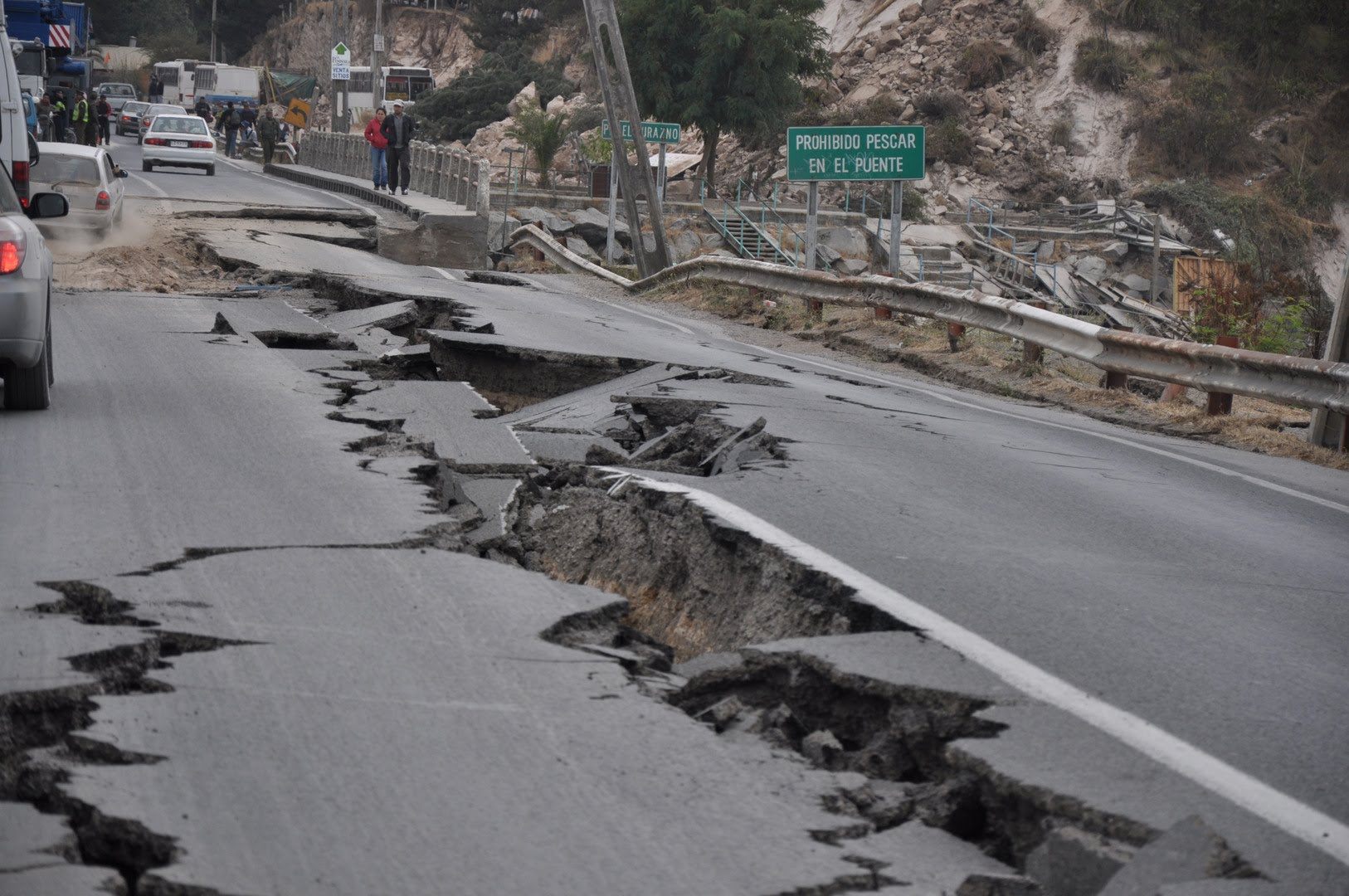
What is shown in the picture?

a)

hurricane

b)

tornado

c)

earthquake

d)

tsunami

28.
a)
Usually the result of human negligence, but can also be caused by lightning
b)
Created by a weakness in the Earth's crust.  Magma rises up from mantle
c)
Storm surge causes massive flooding.  Wind damage causes structural damage to homes and businesses
d)
High winds cause destruction to everything in its path.
29.

What is shown in the picture?

a)

hurricane

b)

tornado

c)

earthquake

d)

landslide

30.
What is the source for warming up ocean water?
a)
the sun
b)
water movement
c)
wind
d)
fish peeing in the ocean water
31.
The pressure inside a hurricane is _______.
a)
High
b)
Low
32.
In order for a hurricane to form, the water must be ________.
a)
Cool
b)
Warm
c)
Cold
d)
Hot
33.

The center of a hurricane is called the ______.

a)

center

b)

brain

c)

eye

34.

The major difference between a tropical storm and a hurricane is __________.

a)

rainfall amounts

b)

wind speed

c)

air temperature

35.
What causes damage in a hurricane?
a)
Winds
b)
Flooding
c)
Storm Surge
d)
All of the above
36.
Hurricanes develop in ________ regions.
a)
Arctic
b)
Tropical
c)
Arid
d)
None of the above
37.
2. Which are bigger, hurricanes or tornadoes?
a)
Tornadoes
b)
Hurricanes
38.
10. What is the strongest category of hurricane?
a)
Category 5
b)
Category 10
c)
Category 1
39.
What is the name of a hurricane in Asia?
a)
Cyclone
b)
Typhoon
c)
Bob
d)
Dennis
40.
What is the name of a hurricane in North America?
a)
Hurricane
b)
Typhoon
c)
Cyclone
d)
Tornado
41.
What are conditions like in the eye of the hurricane?
a)
Very rainy
b)
Very windy
c)
Calm and possibly sunny
d)
Cloudy and humid
42.
What is the “fuel” that “feeds” a hurricane
a)
cold air
b)
dry air
c)
warm and moist air
d)
warm and dry air
43.

What is the Coriolis Effect and how does it effect global winds?

a)

Curving of winds due to rotation of earth curves wind counterclockwise in Northern Hemisphere and clockwise in the Southern Hemisphere

b)

curve of global winds caused by global rotation clockwise in Northern Hemisphere and counterclockwise in Southern Hemisphere

c)

Movement of ocean currents caused by earth rotation' counterclockwise in Northern Hemisphere and clockwise in Southern Hemisphere

d)

What is the Coriolis Effect

44.

How does the Coriolis Effect influence hurricanes and cyclones

a)

determines the direction of the wind rotation (spin)

b)

determines how powerful they will be

c)

determines where they form

45.

What is erosion?

a)

The process by which weathered material is moved by wind, water, ice and gravity

b)

The process by which weathered material is deposited by wind, water, ice and gravity

c)

The changing of environmental conditions

46.

What are the four different ways that erosion occurs?

a)

Wind and water

b)

Flooding and strong winds

c)

Wind, water, ice, and gravity

47.

What are the impacts of erosion on coastal areas?

a)

erosion attracts many tourists every year to coastal areas

b)

wildlife depends on the cycle of erosion

c)

erosion slowly eats away at beaches making them smaller

48.

How does erosion shape the Earth's surface?

a)

erosion gives the Earth a natural curvature

b)

Forces such as wind, water, ice and gravity move weathered material after it is worn away.

c)

erosion takes a very long time

49.

What is deposition

a)

A talk a lawyer gives in a courtroom for his client

b)

depositing important nutrients for plants

c)

process by which weathered and eroded material is deposited by wind, water, ice, and gravity.

50.

What is weathering?

a)

chasing storms and relaying information to meteorologists to warn the public

b)

when more than one storm type remains in the area longer than one hour

c)

process by which exposed rock and other surfaces are broken down

51.

How is weathering different from erosion?

a)

weathering is the movement of sediments to other locations and erosion is the breaking down of the earth's surface

b)

neither is correct

c)

weathering is the breaking down of the earth's surface and erosion is the movement of weathered sediments to other locations

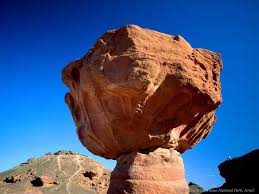
52.
Small pieces of rock broken down by weathering and then settling in an area is called_______?
a)
sediment
b)
weathering
c)
deposition
d)
CJ
53.

The natural process by which atmospheric and environmental agents, such as wind, rain, and temperature changes, disintegrate and decompose rocks are known as...

a)

Weathering

b)

Erosion

c)

Deposition

d)

Decomposition

54.

What is the process that picks up and moves weathered rocks?

a)

Deposition

b)

Landslide

c)

Weathering

d)

Erosion

55.

Deposition changes the Earth’s surface because bits of broken rock and soil _____.

a)

stop rivers from flowing.

b)

make rich farmlands.

c)

are dropped in new places and laid down.

d)

move very slowly.

56.
The process by which water, ice, wind, or gravity moves weathered rock and soil from one place to another.
a)
Weathering
b)
Erosion
c)
Deposition
d)
Crop Rotation
57.
Layers of sediment forming at the bottom of the ocean floor is an example of
a)
Weathering
b)
Erosion
c)
Deposition
d)
Awesome Science
58.
Flood water pounding against a canyon wall and wearing it down is an example of
a)
Weathering
b)
Erosion
c)
Deposition
d)
An avalanche
59.
What is the type of water that moves underground?
a)
surface water
b)
water table
c)
groundwater
d)
watershed
60.
A layer of permeable rock that allows water to flow through.
a)
ground water
b)
aquifer
c)
subsidence
d)
point source
61.
Water that collects in cracks and pores in underground soil and rock layers.
a)
surface water
b)
ground water
c)
aquifer
d)
watershed
62.
An area of land where the surface water and ground water drain into a particular body of water.
a)
aquifer
b)
watershed
c)
subsidence
d)
divide
63.
In Texas, why is it dangerous if wastewater is emptied directly into local rivers, lakes, and bays?
a)
Wastewater can flow too quickly into the ocean and cause the sea level to rise.
b)
Wastewater can evaporate and cause air pollution.
c)
 Wastewater does not mix well with fresh water, so disrupts the flow of fresh water.
d)
Wastewater often contains contaminants that can kill aquatic organisms.
64.
Watersheds are important because they
a)
prevent surface runoff
b)
increase the soils pore space
c)
removes salt from ocean water
d)
prevents floods and provides fresh water
65.
Overflow from a pipe at a sewage treatment plant is a point source pollution
a)
True
b)
False
66.
What do you call the land that water flows across, under, and through on its way to a body of water?
a)
Tributary
b)
River system
c)
Headwaters
d)
Watershed
67.
Biotic factors of a watershed are:
a)
Living
b)
Non-living
68.
What do you call an area of higher ground that separates watersheds?
a)
River
b)
Divide
c)
Tributary
d)
Flood Plain
69.
What do you call the land that water flows across on its way to a larger body of water?
a)
Runoff
b)
Ridgeline
c)
Watershed
d)
Tributary
70.
Smaller streams and rivers (tiny rivers) that feed into a large river or lake are called ________.
a)
Runoff
b)
Watersheds
c)
Tributaries
d)
River Systems
71.
All of the following are examples of wetlands except:
a)
Bogs
b)
Prairies
c)
Marshes
d)
Swamps
72.
What is all the water that runs off the surface of the land and washes into rivers, streams, and other waterways called?
a)
Runoff
b)
Storm Drain
c)
Surface Water
d)
Tributary
73.
The sliding down of a mass of earth from a mountain or cliff.
a)
Sinkhole Formation
b)
Sand Storm
c)
Landslide
d)
Avalanche
74.
Another name for a hurricane in the Indian Ocean
a)
Tornado
b)
Tsunami
c)
Typhoon
d)
Blizzard
75.
A sudden shift in the earth's crust is called a...
a)
Earthquake 
b)
Volcano 
c)
Tsunami
d)
Flood
76.
This catastrophic event starts by lightening, human activity or extreme heat and dry grass...
a)
Volcano
b)
Tornado
c)
Wildfire
d)
Drought
77.
What catastrophic event is caused by an unusually large amount of water for an area?
a)
Hurricane
b)
Flood
c)
Blizzard
d)
Tsunami 
78.
A long period with no rain is called a...
a)
Earthquake
b)
Wildfire
c)
Drought
d)
Tornado 
79.
Hurricanes typically form over...
a)
cold ocean water. 
b)
warm lakes water 
c)
warm ocean water. 
d)
very dry land masses. 
80.
What will most likely happen after the wildfire?
a)
 the area will remain charred and burned forever
b)

small plants will begin to grow in the area first

c)

animals will return first

d)
all living organisms will move away permanently.  
81.

A long high sea wave caused by an underwater Earthquake, landslide or underwater volcanic eruption

a)

Typhoon

b)

Flood

c)

Tornado

d)

Tsunami

82.
Where do hurricanes form?
a)
In a river or stream
b)
Over the ocean
c)
At plate boundaries
d)
Under the Earth
83.
What catastrophic event would be of greatest risk to a grassland?
a)
hurricane
b)
flood
c)
tsunami
d)
wildfire
84.
What catastrophic event would be of greatest risk to a coastal area?
a)
hurricane
b)
drought
c)
none of the above
d)
all of the above
85.
Rain washing away soil from a hillside
a)
Weathering
b)
Erosion
c)
Deposition
86.
Where are hurricanes most likely to do the most damage?
a)
Near the coast
b)
In the forest
c)
In a desert
d)
On the North Pole
87.
The best method to prevent erosion is to
a)
remove all trees
b)
build homes
c)
grow plants/vegetation
d)
mine
88.
Which of the following natural disasters have had the LEAST impact on TEXAS
a)
hurricanes
b)
floods
c)
tornadoes
d)
earthquakes
89.
The catastrophic event shown here is a/an_________
a)
avalanche
b)
strom
c)
earthquake
d)
wildfire
90.
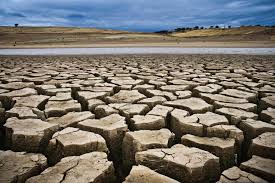
The catastrophic event shown here is a/an_________
a)
tsunami
b)
hurricane
c)
tornado
d)
storm
91.
The catastrophic event shown here is a/an_________
a)
fire
b)
flood
c)
drought
d)
ash
92.

Define Ecoregion

a)

spots in Texas

b)

an area defined by its environment

c)

locations

d)

sections

93.

What Catastrophic Event in the panhandle plains causes the most wind erosion?

a)

Hurricanes

b)

Tornadoes

c)

Flooding

d)

Humans

94.

What catastrophic event causes the most most water erosion in the gulf coast?

a)

Hurricanes

b)

Tornadoes

c)

Flash Floods

d)

Earthquakes

95.
This is a picture of the __________ ecoregion of Texas.
a)
High Plains
b)
Gulf Coast Plains and Marshes
c)
Piney Woods
d)
Hill Country
96.
Waves dropping sand on the beach
a)
Weathering 
b)
Erosion
c)
Deposition
97.
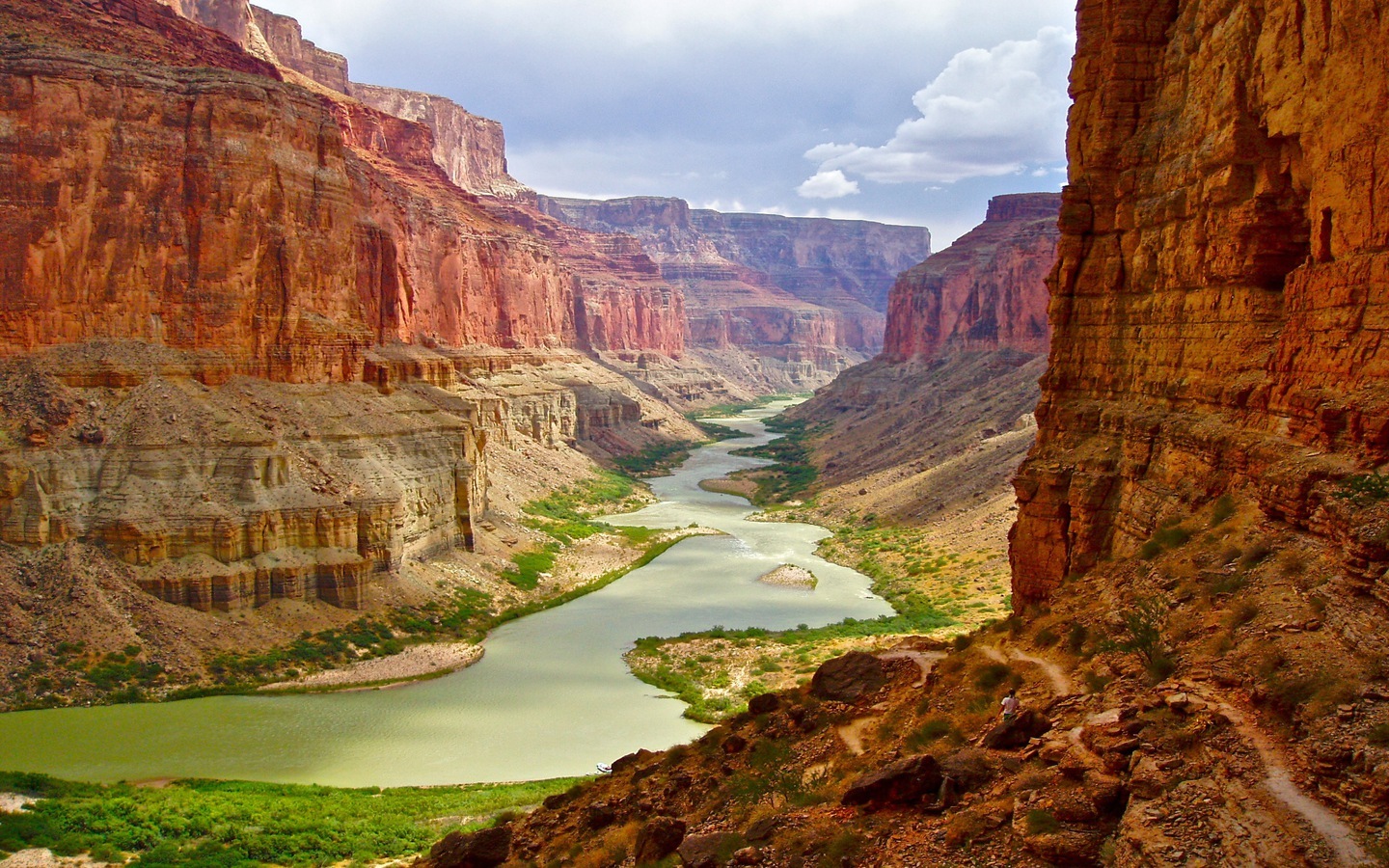
Flood water pounding against a canyon wall and wearing it down
a)
Weathering
b)
Erosion
c)
Deposition
98.
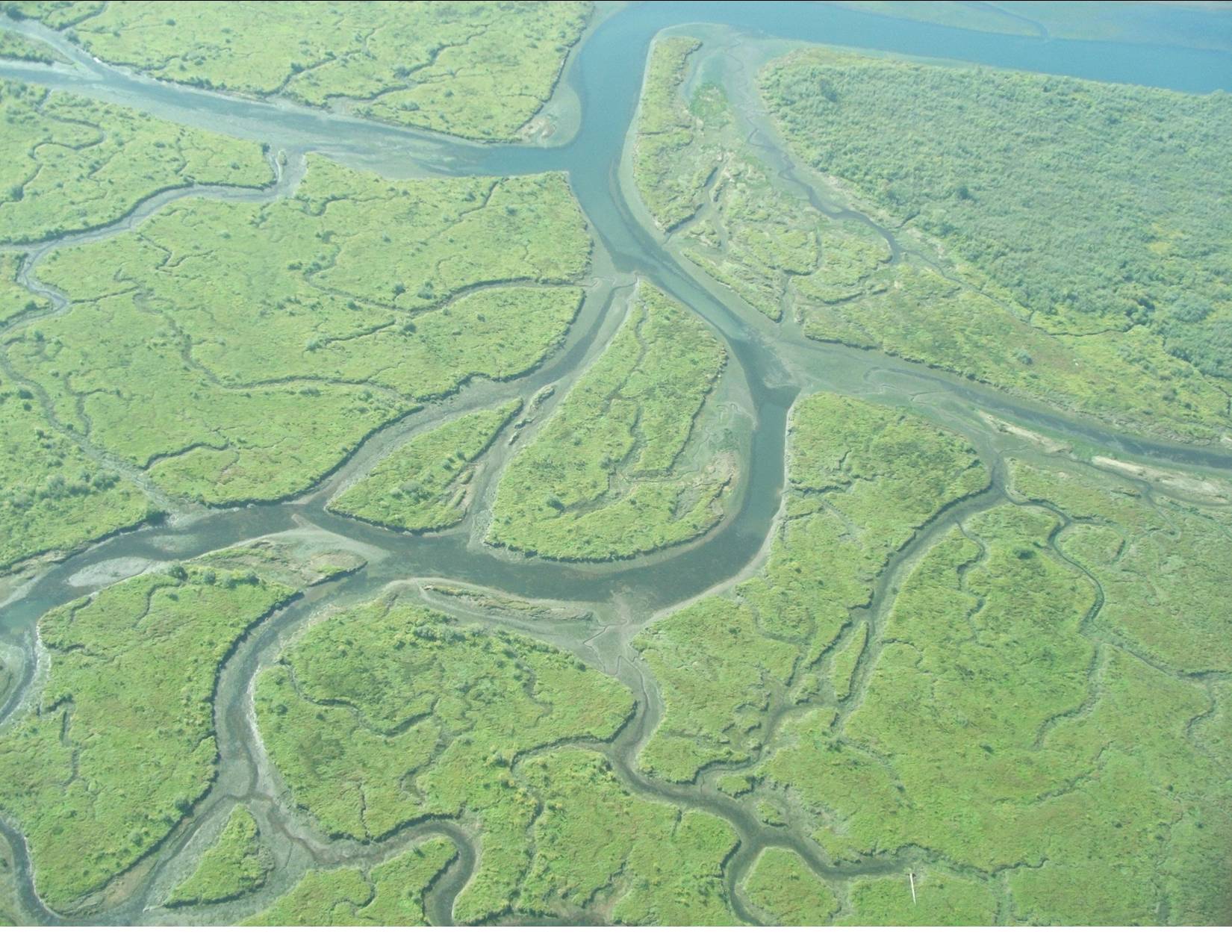
Deltas forming at the mouths of rivers is called?
a)
Weathering
b)
Erosion
c)
Deposition
99.
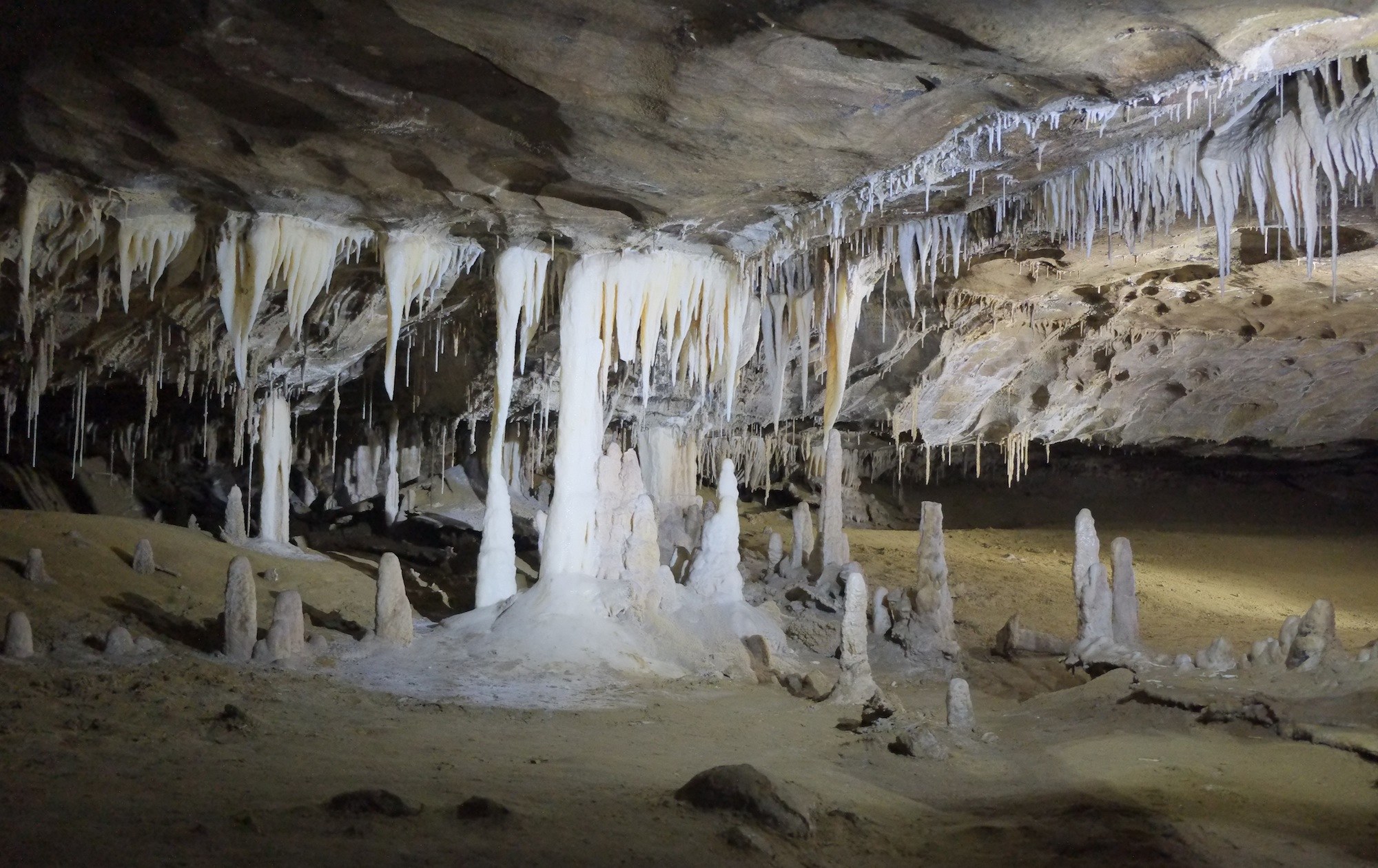
Which of the following is the most important agent of chemical weathering to form this cave?
a)
Water - It can carry acid and dissolve rock
b)
Erosion - Moves the rocks from one place to another
c)
Wind - It displaces rocks
d)
Exfoliation - New cracks give chemical reactions the chance to operate
100.
Any underground layer of permeable rock or sediment that holds water and allows it to flow is called an 
a)
Acquifer
b)
Ocean
c)
Water table
d)
Water shed