
NEW
Font size
 Worksheets
Baking and Data Processing Quiz
Total questions: 28
Worksheet time: 14mins
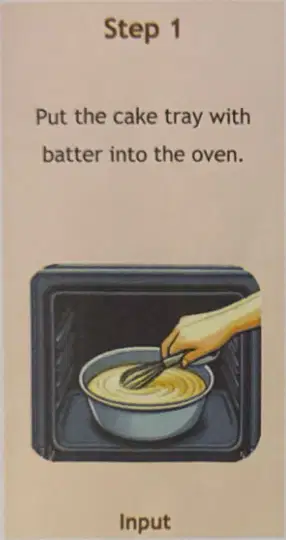
What is the first step in the process of baking a cake using an oven?
Putting the cake tray with batter into the oven
Setting the alarm for the oven
Consuming the baked cake
Decorating the cake
What is the term used to describe the process of converting data into meaningful information?
Data collection
Data processing
Data storage
Data analysis
What is data?
Raw facts like numbers, words, and pictures
Information that is meaningful and organized
A process of washing clothes using a washing machine
A decision made from information
What is information?
Data that is put together and changed into a meaningful form
Raw facts like numbers, words, and pictures
A piece of audio or video
A meaningless collection of data items
Why is information important?
It is needed for everyday activities and decisions are made from it
It is a meaningless collection of data items
It is raw facts like numbers, words, and pictures
It is a process of making orange juice using a blender
What is an example of decision-making in data processing?
Sorting data in ascending order
Multiplying numbers
Checking if a student's mark is greater than 50 to determine if they passed
Subtracting numbers
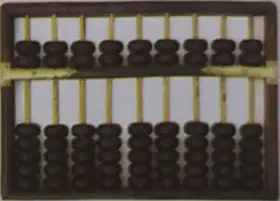
Who invented the abacus, and how long ago was it created?
The Chinese, nearly 2000 years ago
French mathematician Pascal, in 1642
German mathematician Leibniz, in 1671
Ancient Egyptians, nearly 3000 years ago

What was the Pascaline, and who invented it?
The first mechanical calculator, invented by French mathematician Pascal
A device for complex calculations, invented by German mathematician Leibniz
A counting tool, invented by the Chinese
A modern computer, invented by Charles Babbage

What was the main improvement of the Leibniz calculator over the Pascaline?
It could perform more complex calculations
It was smaller in size
It was invented earlier
It could only add and subtract numbers

What was the approximate weight of the ENIAC computer?
10 tons
20 tons
30 tons
40 tons
Who is known as the "father of computers"?
Alan Turing
Charles Babbage
Ada Lovelace
John von Neumann
What is one characteristic of modern-day computers?
They are only used for calculations.
They are available in many designs and sizes.
They cannot perform multiple tasks.
They are only used for entertainment.
What is the main purpose of robotics?
To replicate human or animal actions
To create virtual assistants
To recommend videos
To design self-driving cars

What is Sophia the robot known for?
Being the first robot to be considered a citizen of a country
Inventing artificial intelligence
Leading a social media platform
Working in healthcare
Which of the following is NOT one of the main groups of computers based on size, performance, cost, and functionality?
Super computers
Mainframe computers
Mini computers
Quantum computers
Which of the following fields commonly uses super computers?
Climate research
Graphic design
Social media management
Photography
What does FLOPS stand for in the context of super computers?
Floating Point Operations Per Second
Fast Logical Operations Per Second
Fixed Logical Operations Per Second
Floating Point Output Per Second
Which type of computer is more expensive, mainframe computers or mini computers?
Mini computers
Mainframe computers
Both are equally expensive
Neither is expensive
Where are mini computers commonly used?
Banking and telecommunication
Universities, institutes, and departments
Home entertainment systems
Space exploration
What is a key difference between mainframe computers and mini computers?
Mainframe computers are less expensive than mini computers
Mini computers have less memory power and processing speed than mainframe computers
Mini computers can support more users than mainframe computers
Mainframe computers are used for home purposes, while mini computers are used for business purposes
What are micro computers also known as?
Supercomputers
Personal computers (PCs)
Mainframe computers
Servers
Where are micro computers commonly used?
Factories and warehouses
Homes, schools, and offices
Space research centers
Military bases
What makes computers useful for storing large amounts of information?
Computers have limited memory.
Computers can recall stored information when required.
Computers cannot perform multiple tasks simultaneously.
Computers are prone to careless mistakes.
What are computer crimes often associated with?
Playing games online.
Hacking financial details like credit card numbers.
Using computers for educational purposes.
Watching movies on computers.
What is e-waste?
Abandoned electrical or electronic equipment
Recycled plastic materials
Non-toxic waste from industries
Waste generated from food processing
What toxic substances are commonly found in e-waste?
Beryllium, cadmium, mercury, and lead
Iron, copper, zinc, and aluminum
Plastic, rubber, and glass
Carbon dioxide, methane, and sulfur dioxide
Approximately how much e-waste is produced worldwide annually?
10 million tons
50 million tons
100 million tons
5 million tons

What is the correct position of the computer screen in relation to the eyes for ergonomic workspace arrangement?
Above the eye level
At or below the eye level
At the chest level
At the knee level

