
 Worksheets
Basics of Microbiology (UNIT 1)
Total questions: 25
Worksheet time: 13mins
Why are bacteria important for the environment and human life?
They cause only diseases.
They are important for the natural cycling of elements and beneficial to human life.
They are only used in food production.
They are harmful to all living organisms.
Rickettsiae are obligate intracellular parasites. What does this mean?
They can multiply outside living cells.
They can only multiply within living cells.
They do not require living cells to survive.
They are always free-living organisms.
Both actinomycetes and fungi are valuable sources of which of the following?
Antibiotics and enzymes
Vitamins and minerals
Sugars and starches
Oxygen and carbon dioxide
What is the typical size range of protozoa?
0.2 to 2 µm
2 to 200 µm
200 to 2000 µm
0.02 to 0.2 µm
Some species of protozoa are known to cause which disease?
Tuberculosis
Malaria
Influenza
Diabetes
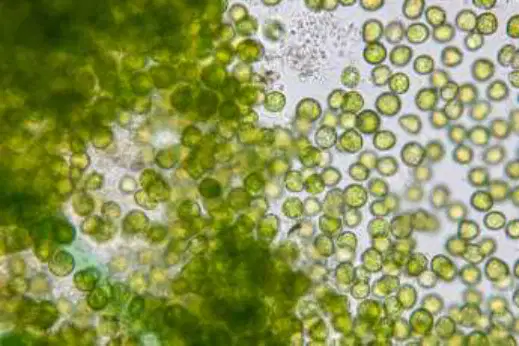
Which of the following statements correctly describes algae?
Unicellular or multicellular aerobic eukaryotic microorganisms that live in aquatic environments.
Non-cellular microorganisms that can only be seen with an electron microscope.
Prokaryotic organisms that lack chlorophyll.
Multicellular anaerobic microorganisms found in deserts.
Viruses are classified as obligate intracellular parasites because:
They require a host cell to reproduce, making them dependent on infecting living cells, which allows them to cause diseases such as AIDS and influenza.
They can photosynthesize and live independently, making them harmless to humans.
They are multicellular and can survive outside host cells, making them less likely to cause disease.
They are visible with a light microscope and do not require a host cell for reproduction.
Athanasius Kircher made observations of "small worms invisible to the naked eye" in the blood of patients suffering from which disease?
Plague
Malaria
Tuberculosis
Influenza
Which disease-causing agent did Robert Koch establish as the causative agent of anthrax?
Mycobacterium tuberculosis
Bacillus anthracis
Vibrio cholerae
Staphylococcus aureus
Who discovered chemotherapeutic agents and developed differential staining methods?
Sir Alexander Fleming
Paul Ehrlich
S.A. Waksman
Sir Howard W. Florey
In what year did Sir Alexander Fleming discover penicillin?
1912
1929
1945
1905
Which pair of scientists developed methods for industrial penicillin production?
Lord Joseph Lister and Paul Ehrlich
Sir Alexander Fleming and S.A. Waksman
Sir Howard W. Florey and E.B. Chain
Gerhard Domagk and Paul Ehrlich
Which branch of microbiology focuses on infectious diseases in humans, their causative agents, diagnosis, treatment, and prevention?
Medical Microbiology
Food Microbiology
Soil Microbiology
Aquatic Microbiology
Aquatic microbiology investigates microorganisms and their activities in which environments?
Fresh and marine water bodies
Soil and crops
Human tissues
Food products
Which of the following antibiotics is NOT mentioned as being produced by aquatic microorganisms?
Amoxicillin
Penicillin
Streptomycin
Tetracycline
A farmer is interested in using microbes to improve crop yield and reduce plant diseases. Which branch of microbiology would be most relevant, and what specific role do microbes play? (DoK Level 3)
Agricultural Microbiology; microbes act as biofertilizers and help control plant diseases.
Medical Microbiology; microbes help diagnose plant diseases.
Aquatic Microbiology; microbes purify irrigation water.
Food Microbiology; microbes preserve harvested crops.
Which microorganism is mentioned as being able to degrade spent media in industrial processes?
Streptomyces venezuelae
Escherichia coli
Bacillus subtilis
Saccharomyces cerevisiae
Why are prokaryotes considered to have an ancient origin?
They evolved after eukaryotic cells
They are the first life forms on Earth
They have complex organelles
They are only found in modern environments
Which of the following is a characteristic of prokaryotic cells?
Lack a membrane bounded organelle.
Possess membrane bounded organelles.
Contain a true nucleus.
Have linear DNA.
Which type of DNA structure is found in prokaryotes?
Circular DNA
Linear DNA
Double helix DNA only
Fragmented DNA
What is a key difference in the flagella of prokaryotic and eukaryotic cells?
Microtubules are absent in prokaryotic flagella but present in eukaryotic flagella.
Microtubules are present in both.
Microtubules are absent in both.
Microtubules are present only in prokaryotic flagella.
Which inclusions can be found in the cytoplasm of a bacterial cell?
Ribosomes, mesosomes, granules, vacuoles, and nuclear body
Cell wall and plasma membrane
Flagella, fimbriae, and capsule
Nucleus and nucleolus
Some bacteria possess external appendages. Which of the following is NOT one of them?
Flagella
Fimbriae (pili)
Capsule
Lysosome
What is the main component of the cell wall in bacteria?
Peptidoglycan
Cellulose
Chitin
Lignin
Which of the following best describes the structure of peptidoglycan?
Repeating units of N-acetylglucosamine and N-acetylmuramic acid linked by tetrapeptide side chains and pentapeptide cross-bridges
Repeating units of glucose and fructose linked by glycosidic bonds
Repeating units of amino acids linked by peptide bonds
Repeating units of fatty acids linked by ester bonds

