
Font size
 Worksheets
Muscular Diseases and Treatments
Total questions: 93
Worksheet time: 47mins
Which term describes the formation of a fibrous band of tissue that holds two surfaces together due to inflammation or trauma?
Adhesion
Atrophy
Ataxia
Carpal tunnel syndrome
What is the inability to coordinate voluntary muscle activity called?
Atrophy
Adhesion
Ataxia
Carpal tunnel syndrome
Which disease or condition is characterized by the wasting away or shrinkage of muscle size?
Atrophy
Adhesion
Carpal tunnel syndrome
Ataxia
Carpal tunnel syndrome (CTS) is marked by pain, burning, and itching or tingling due to an inflamed median nerve and tendons in which part of the body?
Wrist
Elbow
Shoulder
Knee
A patient complains of pain, burning, and tingling in their wrist. Based on the symptoms, which condition might they be experiencing?
Carpal tunnel syndrome (CTS)
Atrophy
Adhesion
Ataxia
If a person is unable to coordinate their voluntary muscle activity, which condition do they most likely have?
Ataxia
Atrophy
Adhesion
Carpal tunnel syndrome
Which condition involves the formation of tissue that abnormally connects two surfaces together?
Adhesion
Atrophy
Carpal tunnel syndrome
Ataxia
A doctor observes that a patient's muscles are shrinking in size. What is the medical term for this condition?
Atrophy
Adhesion
Ataxia
Carpal tunnel syndrome
Which of the following best describes a contracture?
Permanent tightening of skin, muscles, tendons, ligaments, and fascia
Sudden, abnormal, involuntary contraction
Progressive disease that weakens muscles
Lack of muscular coordination
What is a convulsion?
A sudden, abnormal, involuntary contraction
Permanent tightening of skin and muscles
A progressive disease that weakens muscles
A mild form of ataxia
Duchenne muscular dystrophy (DMD) primarily affects which part of the body?
Muscles of the shoulder and pelvic girdle
Muscles of the face and neck
Bones of the arms and legs
Skin and connective tissue
Which condition is described as a mild form of ataxia that produces shaky, unsteady movements?
Dystaxia
Convulsion
Contracture
Duchenne muscular dystrophy
A student is asked to identify a disease that is progressive and weakens the muscles of the shoulder and pelvic girdle. Which disease should they choose?
Duchenne muscular dystrophy (DMD)
Contracture
Dystaxia
Convulsion
If a person experiences a lack of muscular coordination that produces shaky, unsteady movements, which term best describes their condition?
Ataxia
Contracture
Convulsion
Duchenne muscular dystrophy
What is the medical term for inflammation of a fascia?
Fasciitis
Flaccidity
Hemiparesis
Hemiplegia
Which condition describes muscles that are flabby, relaxed, or have defective or absent tone?
Flaccidity
Fasciitis
Hemiplegia
Hemiparesis
Hemiparesis is best described as:
Weakness or slight paralysis on one side of the body
Total paralysis on one side of the body
Inflammation of a fascia
Muscles being flabby and relaxed
What is the difference between hemiparesis and hemiplegia?
Hemiparesis is slight paralysis, while hemiplegia is total paralysis on one side of the body.
Hemiparesis affects muscles, while hemiplegia affects bones.
Hemiparesis is inflammation, while hemiplegia is relaxation.
Hemiparesis is total paralysis, while hemiplegia is slight paralysis on one side of the body.
Which term describes the excessive growth or abnormal enlargement of a muscle?
Hypertrophy
Hypotonia
Impingement syndrome
Atrophy
What is the loss of muscle tone called?
Hypotonia
Hypertrophy
Impingement syndrome
Dystrophy
Impingement syndrome occurs when which of the following happens?
Tendons of the shoulder become compressed by the bones of the shoulder
Muscles lose their tone
Muscles grow excessively
Bones become brittle
A patient is experiencing pain in their shoulder due to the tendons being compressed by the bones. Which condition are they most likely suffering from?
Impingement syndrome
Hypertrophy
Hypotonia
Osteoporosis
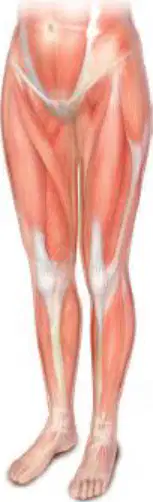
Which disease is characterized by progressive muscular weakness and skeletal muscle deterioration due to a genetic cause?
Muscular dystrophy
Myalgia
Myasthenia gravis
Arthritis
What is the medical term for muscle pain?
Myalgia
Muscular dystrophy
Myasthenia gravis
Osteoporosis
Which disease is a chronic autoimmune disorder that causes voluntary muscle weakness, worsening after activity and improving after rest?
Myasthenia gravis
Muscular dystrophy
Myalgia
Multiple sclerosis
Explain how myasthenia gravis affects muscle function and why symptoms may improve after rest.
It causes muscle weakness due to autoimmune attack on muscle receptors, and rest allows temporary recovery of muscle strength.
It causes muscle pain due to inflammation, and rest reduces inflammation.
It causes muscle growth, and rest allows muscles to recover and grow.
It causes joint stiffness, and rest reduces stiffness.
What is the term for herniation or protrusion of muscle through a tear in the fascia?
Myocele
Myolysis
Myoma
Leiomyosarcoma
Which disease is characterized by degeneration or deterioration of muscle tissue?
Myolysis
Myoma
Leiomyoma
Myocele
A tumor of the muscle is called:
Myoma
Leiomyoma
Myolysis
Myocele
What is a benign tumor of smooth muscle called?
Leiomyoma
Leiomyosarcoma
Myolysis
Myoma
Which condition refers to a malignant tumor of smooth muscle?
Leiomyosarcoma
Leiomyoma
Myoma
Myolysis
Compare and contrast leiomyoma and leiomyosarcoma in terms of their tumor characteristics.
Leiomyoma is benign, while leiomyosarcoma is malignant.
Both are benign tumors.
Leiomyoma is malignant, while leiomyosarcoma is benign.
Both are malignant tumors.
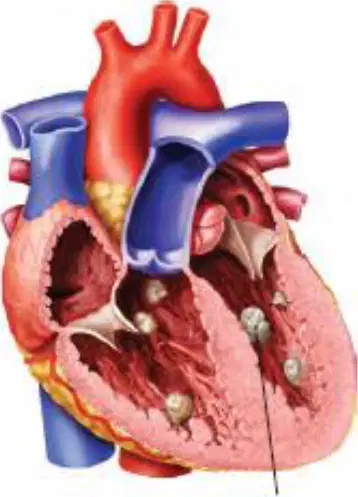
Which type of tumor is described as benign and consists of striated muscle that occurs on or in the smooth muscle of the heart?
Rhabdomyoma
Rhabdomyosarcoma
Lipoma
Osteosarcoma
What type of tumor is rhabdomyosarcoma?
Malignant tumor of skeletal muscle
Benign tumor of smooth muscle
Malignant tumor of cardiac muscle
Benign tumor of adipose tissue
Compare rhabdomyoma and rhabdomyosarcoma in terms of their malignancy and the type of muscle they affect.
Rhabdomyoma is benign and affects smooth muscle; rhabdomyosarcoma is malignant and affects skeletal muscle.
Rhabdomyoma is malignant and affects skeletal muscle; rhabdomyosarcoma is benign and affects smooth muscle.
Both are malignant and affect skeletal muscle.
Both are benign and affect smooth muscle.
Which term refers to the abnormal softening of muscle tissue?
Myomalacia
Myositis
Myorrhexis
Paraplegia
What is the definition of myoparesis?
Weakness or mild muscular paralysis
Inflammation of a muscle
Rupture of a muscle
Abnormal sensation
Which disease is characterized by the rupture or tearing of a muscle?
Myorrhexis
Myomalacia
Paraplegia
Paresthesia
What does myositis refer to?
Inflammation of a muscle
Paralysis of both legs
Abnormal sensation
Softening of muscle tissue
Paraplegia is best described as:
Paralysis of both legs and often the lower trunk
Weakness of the arms
Inflammation of the spine
Abnormal sensation in the feet
Which condition involves abnormal sensation such as tingling, numbness, itching, prickling, or burning?
Paresthesia
Myositis
Myomalacia
Myoparesis
A patient complains of tingling and numbness in their legs, but no pain. Which disease or condition is most likely present?
Paresthesia
Paraplegia
Myorrhexis
Myomalacia
If a person has paralysis of both legs and the lower trunk, which term would a doctor use to describe their condition?
Paraplegia
Myoparesis
Myositis
Myorrhexis
How would you distinguish between myomalacia and myositis based on their definitions?
Myomalacia is softening of muscle tissue, while myositis is inflammation of a muscle.
Myomalacia is inflammation of a muscle, while myositis is softening of muscle tissue.
Both refer to abnormal sensation in muscles.
Both refer to paralysis of muscles.
A sports injury results in the tearing of a muscle. What is the medical term for this condition?
Myorrhexis
Myomalacia
Myoparesis
Paresthesia
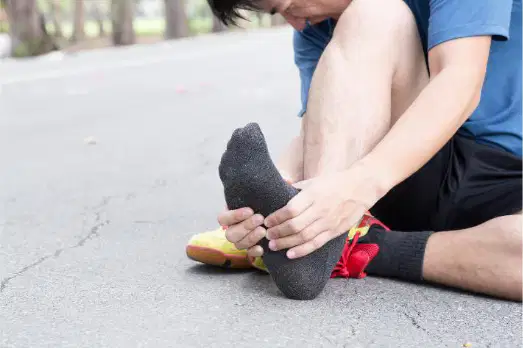
What is plantar fasciitis?
Inflammation of the plantar fascia
Paralysis of all four extremities
Muscular stiffness
Inflammation of the knee joint
Quadriplegia is best described as:
Paralysis of all four extremities
Inflammation of the plantar fascia
Muscular stiffness
Swelling of the hands
Which term refers to muscular stiffness or a stiff muscle?
Rigor or rigidity
Plantar fasciitis
Quadriplegia
Arthritis
A patient is unable to move both arms and both legs. Which condition do they most likely have?
Quadriplegia
Plantar fasciitis
Rigor or rigidity
Tendonitis
If someone is experiencing inflammation in the tissue connecting their heel bone to their toes, which condition might they have?
Plantar fasciitis
Rigor or rigidity
Quadriplegia
Osteoporosis
How does rigor or rigidity differ from quadriplegia?
Rigor or rigidity involves muscle stiffness, while quadriplegia involves paralysis of all four extremities.
Rigor or rigidity is inflammation, while quadriplegia is muscle pain.
Rigor or rigidity affects the feet, while quadriplegia affects the hands.
Rigor or rigidity is a bone condition, while quadriplegia is a skin condition.
Which disease is characterized by the loss of muscle mass, strength, and function as a result of aging?
Sarcopenia
Shin splint
Spasm
Sprain
What is a shin splint caused by?
Muscle tearing away from the tibia
Stretching of a ligament
Sudden muscle contraction
Loss of muscle mass
Which term describes an involuntary sudden movement or convulsive muscular contraction?
Spasm
Strain
Sprain
Sarcopenia
A sprain is defined as the stretching or tearing of which structure?
Ligament
Muscle
Tendon
Bone
What is the difference between a sprain and a strain?
A sprain affects ligaments, while a strain affects muscles or tendons.
A sprain affects muscles, while a strain affects ligaments.
Both affect bones.
Both affect only tendons.
Which term refers to pain in the tendon?
Tenalgia or tenodynia
Tremor
Tetany
Tendinitis or tendonitis
What is the definition of tendinitis or tendonitis?
Inflammation of a tendon
Pain in the muscle
A state of sustained muscular contraction
Repetitive shaking of the body
Tetany is best described as which of the following?
A state of sustained muscular contraction
Pain in the tendon
Inflammation of a tendon
Involuntary shaking of the body
Which disease or condition is characterized by involuntary, repetitive shaking or quivering of a part or parts of the body?
Tremor
Tetany
Tenalgia
Tendinitis
A patient complains of pain in their tendon. Which condition are they most likely experiencing?
Tenalgia or tenodynia
Tetany
Tremor
Tendinitis or tendonitis
If a person is experiencing involuntary, repetitive shaking of their hand, which term best describes this condition?
Tremor
Tetany
Tenalgia
Tendinitis
What does the word part "my/o" mean in medical terminology?
Muscle
Abnormal
Sensation
Hernia
What is the definition of "myocele"?
Abnormal sensation
Herniation or protrusion of a muscle
Inflammation of a nerve
Loss of muscle function
Which word part means "hernia"?
par-
-esthesia
-cele
my/o
What does the prefix "par-" mean in the term "paresthesia"?
Muscle
Normal
Abnormal
Hernia
What is the meaning of the suffix "-esthesia"?
Hernia
Sensation
Muscle
Abnormal
What is the definition of "paresthesia"?
Herniation of a muscle
Abnormal sensation
Normal muscle function
Loss of sensation
If a patient is diagnosed with "myocele," what condition do they have?
Abnormal muscle growth
Herniation or protrusion of a muscle
Loss of muscle sensation
Muscle inflammation
How would you break down the word "paresthesia" to understand its meaning?
par- = abnormal; -esthesia = sensation
my/o = muscle; -cele = hernia
par- = muscle; -cele = hernia
my/o = abnormal; -esthesia = sensation
What does the prefix "quadri-" mean in the term "quadriplegia"?
Two
Four
Three
Five
What is the meaning of the suffix "-plegia" as used in medical terminology?
Inflammation
Swelling
Paralysis
Pain
Which of the following best defines "quadriplegia"?
Inflammation of four tendons
Paralysis of all four limbs
Pain in the legs
Swelling of the arms
In the term "tendinitis," what does the root "tendin/o" refer to?
Muscle
Bone
Tendon
Nerve
What does the suffix "-itis" indicate in medical terms?
Paralysis
Inflammation
Weakness
Fracture
Which of the following is the correct definition of "tendinitis"?
Paralysis of a tendon
Inflammation of a tendon
Swelling of a muscle
Pain in the bone
If a patient is diagnosed with "tendinitis," which part of their body is affected?
Bone
Muscle
Tendon
Skin
Given the word parts, how would you break down the term "quadriplegia" to explain its meaning?
quadri- = four; -plegia = inflammation
quadri- = two; -plegia = pain
quadri- = four; -plegia = paralysis
quadri- = three; -plegia = swelling
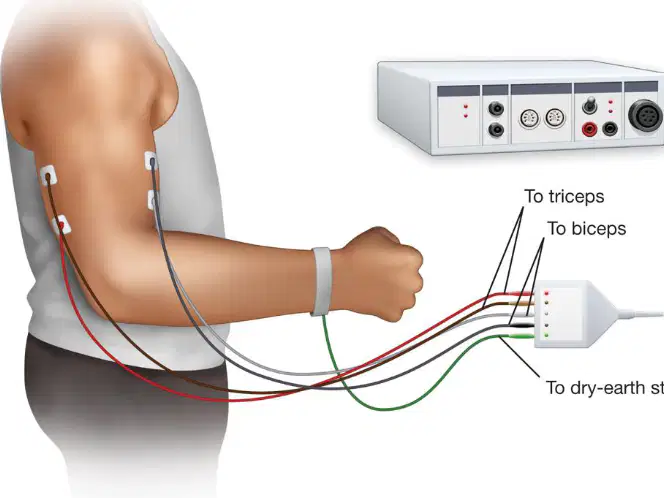
What does an Electromyogram (EMG) record?
The contraction of a muscle as a result of electrical stimulation
The blood flow in arteries
The temperature of the skin
The amount of oxygen in the blood
What is the main purpose of goniometry?
To measure the range of motion in a joint
To record heart rate
To test blood sugar levels
To measure lung capacity
Which diagnostic test involves the use of electrical stimulation to study muscle contraction?
Electromyogram (EMG)
Goniometry
Electrocardiogram (ECG)
Spirometry
If a doctor wants to assess how far a patient's knee can bend, which procedure would they most likely use?
Goniometry
Electromyogram (EMG)
MRI scan
X-ray
Which diagnostic imaging technique uses a radioactive substance and a special camera to visualize structures and functions in the body?
Nuclear medicine imaging (NMI)
Sonography
Radiography
Range-of-motion (ROM) testing
Radiography is a diagnostic imaging technique that uses which of the following to create images of the inside of the body?
Electromagnetic waves
High-frequency sound waves
Radioactive substances
Magnetic fields
What is the main purpose of range-of-motion (ROM) testing?
To evaluate the extent to which joints can be moved in a variety of directions
To visualize muscles and ligaments
To detect radioactive substances in the body
To create images using electromagnetic waves
Sonography generates images of structures in the body by using which of the following?
High-frequency waves
Electromagnetic waves
Radioactive substances
Magnetic resonance
A patient has a suspected ligament injury. Which diagnostic test would be most appropriate to visualize the ligament?
Sonography
Radiography
Nuclear medicine imaging (NMI)
Range-of-motion (ROM) testing
If a doctor wants to assess how far a patient's knee can bend and straighten, which diagnostic procedure should be used?
Range-of-motion (ROM) testing
Radiography
Sonography
Nuclear medicine imaging (NMI)
What is the surgical repair of a muscle through plastic surgery called?
Myoplasty
Tenotomy
Arthroscopy
Osteotomy
Which procedure is used to rehabilitate a patient who has experienced an illness or injury?
Physical therapy
Myoplasty
Tenotomy
Chemotherapy
What does the acronym RICE stand for in first-aid treatment for muscular injuries?
Rest, Ice, Compression, Elevation
Rest, Incision, Compression, Exercise
Relax, Ice, Circulation, Elevation
Rest, Injection, Compression, Elevation
A tenotomy is performed to repair a deformity caused by what?
A shortened muscle
A fractured bone
An inflamed joint
A torn ligament
Each component of the RICE method is important in the healing process because:
Each component helps reduce swelling, pain, and further injury, promoting faster recovery.
Each component increases blood flow and causes more swelling.
Each component is only for psychological comfort, not physical healing.
Each component is used to diagnose the injury, not treat it.

