
 Worksheets
Food Safety Vocabulary Part 1
Total questions: 20
Worksheet time: 33mins
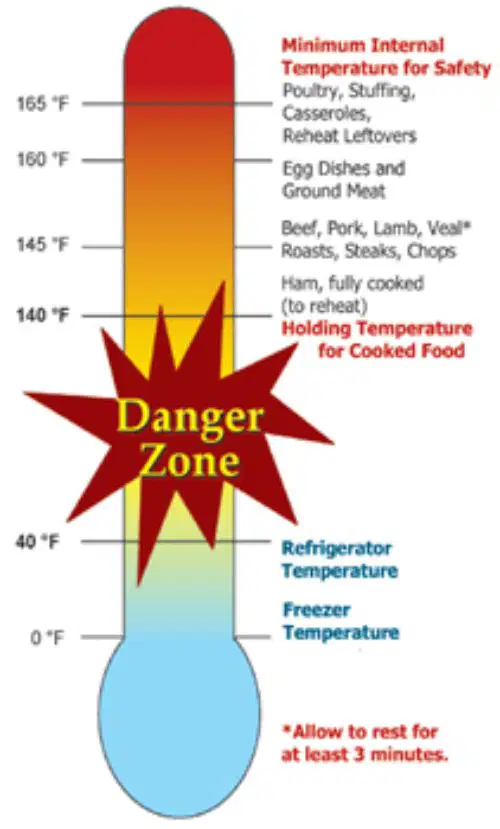
Temperature Danger Zone
32º F–100º F
40º F–140º F
50º F–150º F
60º F–160º F
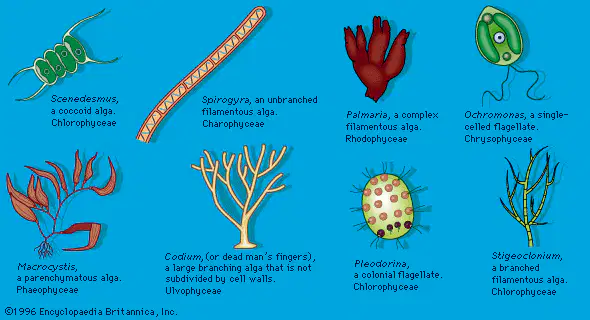
Microbes/
Microorganisms
organisms that are too small to be seen without using a microscope
large organisms visible to the naked eye
organisms that can only survive in extreme conditions
organisms that are harmful to human health

Food Storage
Keeping food at proper temperatures and conditions to prevent spoilage and reduce the risk of contamination.
Storing food in any available container regardless of temperature.
Leaving food out at room temperature for extended periods.
Using only airtight containers for all types of food.
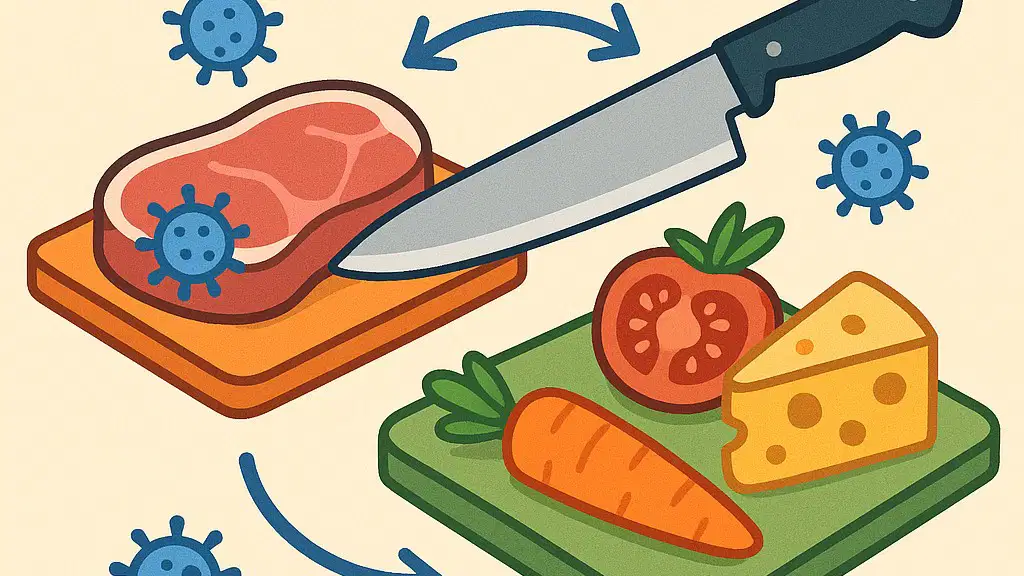
Cross-Contamination
The transfer of bacteria or other microorganisms from one substance or object to another, often due to improper handling.
A method of cooking that involves high temperatures.
The process of cleaning surfaces to remove dirt and germs.
A technique used to preserve food for longer shelf life.
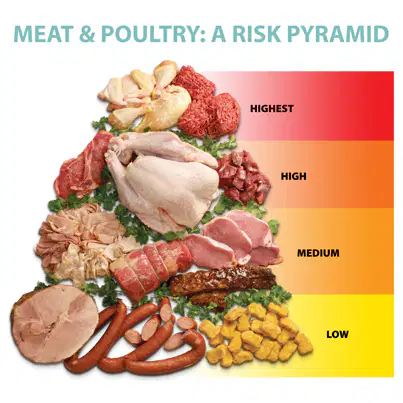
Risky Foods
Foods that are always safe to eat
Foods that come with a higher risk of food poisoning
Foods that are high in calories
Foods that are low in nutrients

Expiration Dates
Labels on food packaging that indicate the last date the product is safe to eat.
A date indicating when a product was manufactured.
A suggestion for when to consume a product for best flavor.
A date that indicates when a product should be thrown away regardless of safety.

Pathogen
An organism causing disease to its host
A type of beneficial bacteria
A virus that helps in digestion
A harmless microorganism

Parasite
Organisms that live on or in a host and benefit at the host's expense
Organisms that provide nutrients to their host
Organisms that harm their host without benefiting from it
Organisms that live independently without a host
Contamination
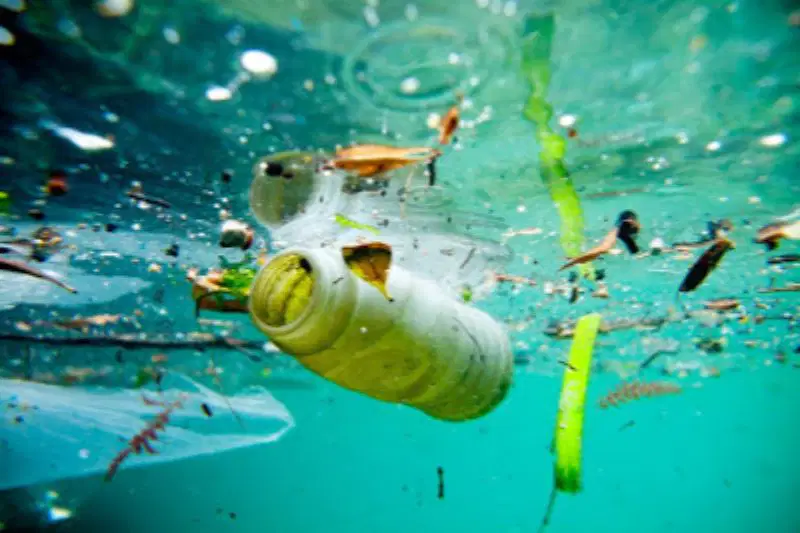
The presence of harmful substances or microorganisms in food, water, or surfaces.
The process of cleaning and sanitizing food preparation areas.
The act of preserving food to prevent spoilage.
The addition of nutrients to enhance food quality.
Personal Hygiene
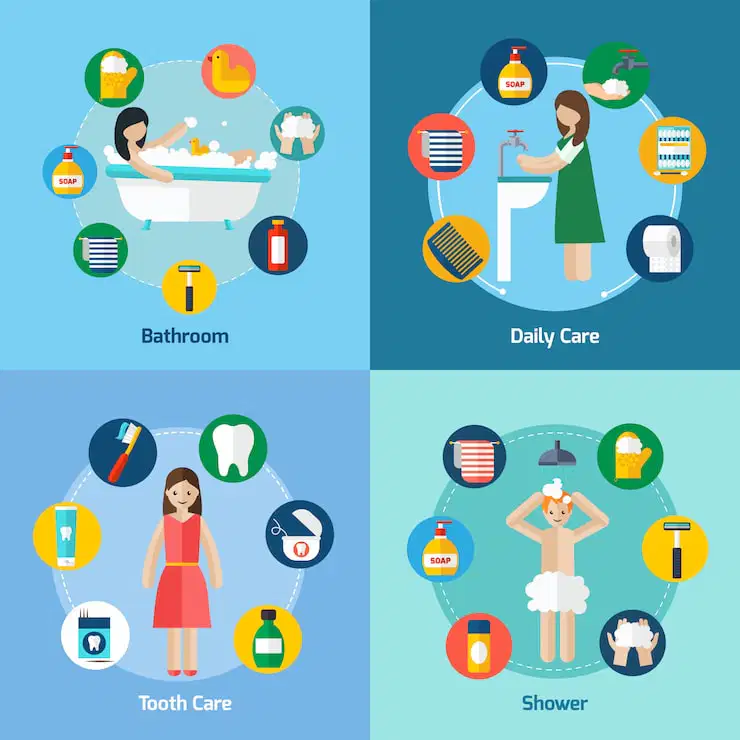
Cleaning your body every day.
Eating healthy foods regularly.
Drinking plenty of sugary drinks.
Avoiding exercise and physical activity.

Fungi
A group of spore-producing organisms feeding on organic matter, including molds, yeast, mushrooms, and toadstools.
A type of plant that produces flowers and seeds.
A category of animals that live in water and have gills.
A form of bacteria that can cause diseases in humans.

Clean
Free from dirt, marks, or stains.
Covered in dirt and grime.
Having a strong odor.
Filled with stains and marks.
Bacteria
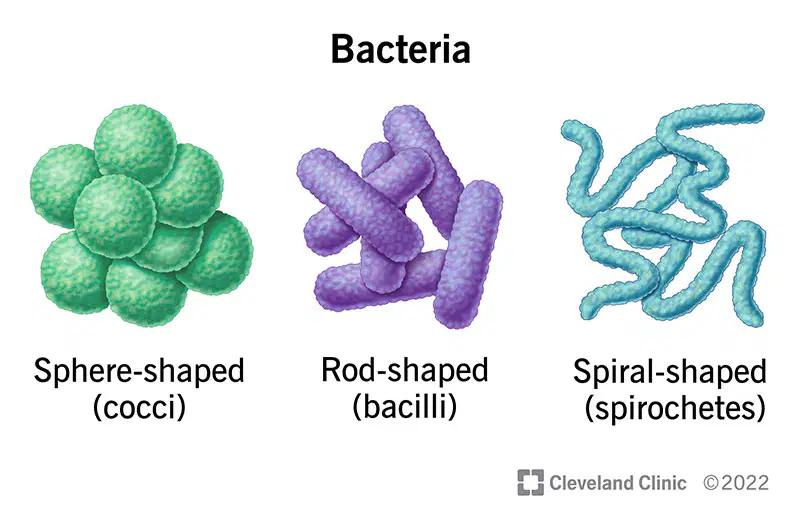
Small single-celled organisms and are found almost everywhere.
Large multicellular organisms that live in water.
Complex organisms that require oxygen to survive.
Organisms that can only be seen with a microscope.

Handwashing
The act of cleaning hands with soap and water to remove dirt, bacteria, and viruses, helping prevent the spread of foodborne illnesses.
A method of drying hands using a towel or air dryer.
A technique for applying lotion to keep hands moisturized.
A process of using hand sanitizer without soap and water.
Proper Food Handling
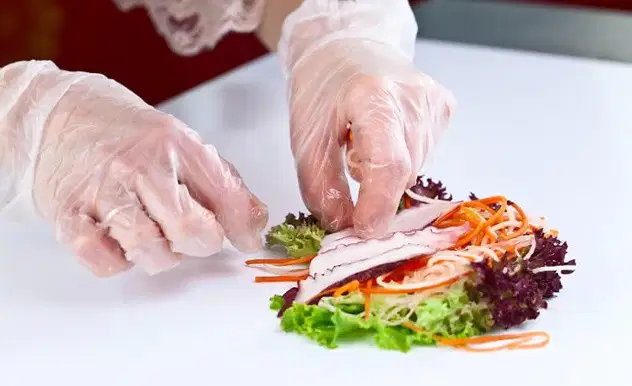
Using clean utensils, washing hands, and keeping raw and cooked foods separate to avoid contamination.
Cooking all foods to the same temperature to ensure safety.
Storing all foods in the same container to save space.
Using the same utensils for raw and cooked foods to save time.
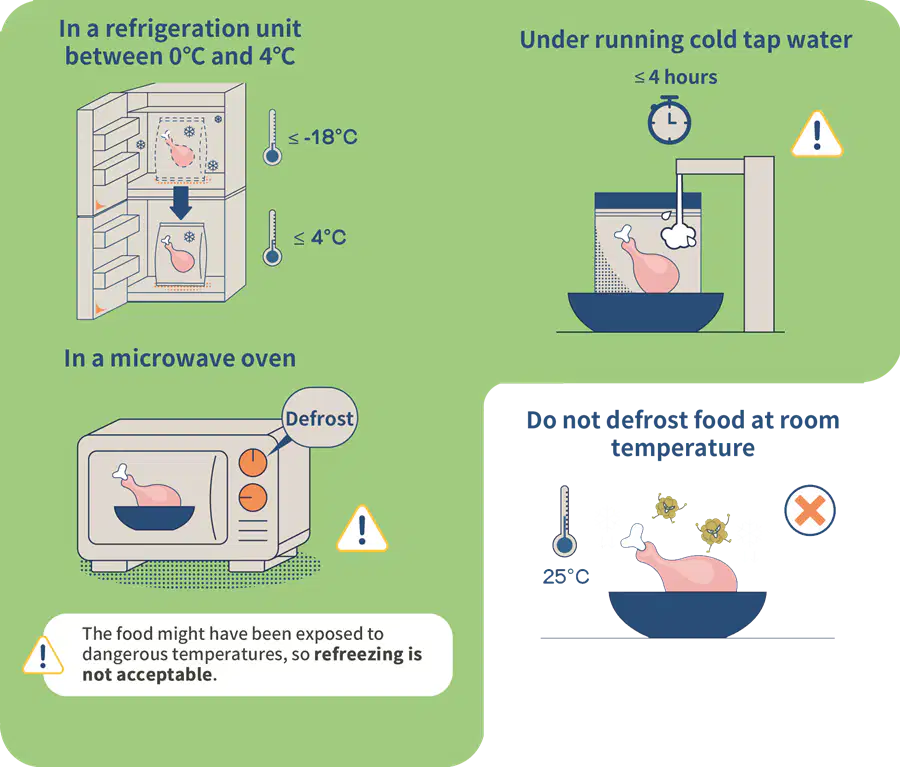
Thawing Food Safely
Defrosting frozen foods in the refrigerator, under cold running water, or in the microwave to prevent bacteria growth.
Leaving frozen foods at room temperature to thaw quickly.
Using hot water to defrost frozen foods rapidly.
Cooking frozen foods directly without thawing.
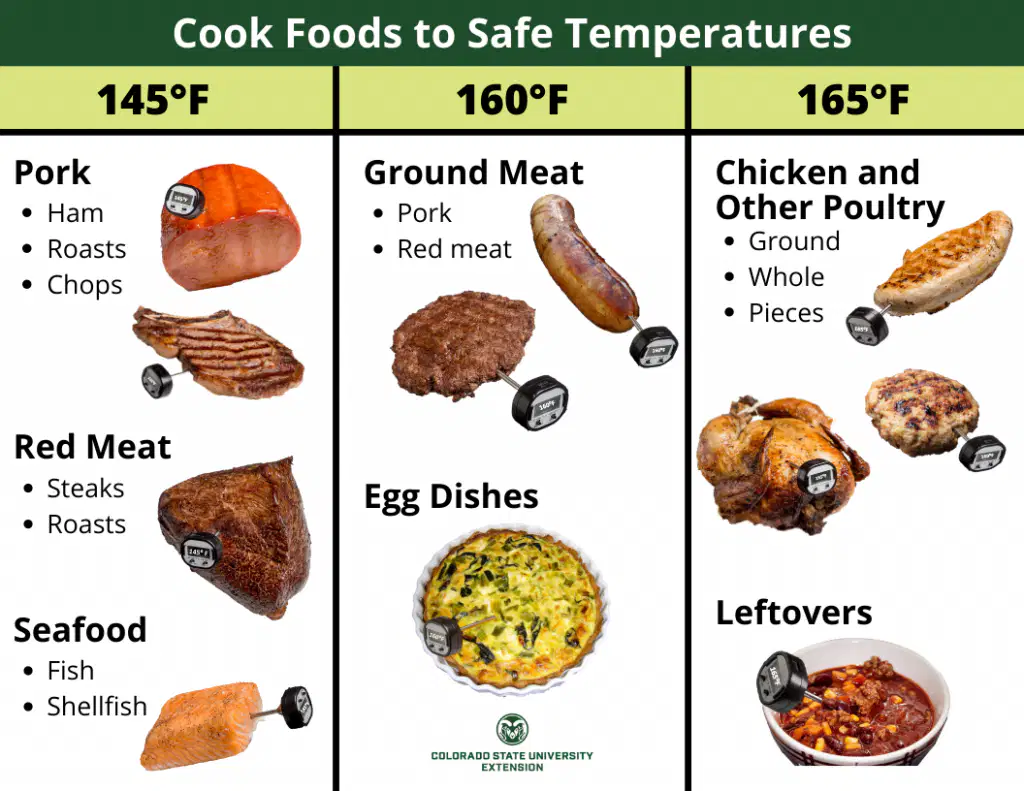
Safe Cooking Temperatures
Specific internal temperatures at which foods must be cooked to kill harmful bacteria and ensure safety for consumption.
The temperatures at which food can be stored without spoiling.
The temperatures at which food should be served to enhance flavor.
The temperatures at which food can be reheated for consumption.

Sanitize
To eliminate all microorganisms from surfaces and utensils.
To reduce the number of microorganisms to a safe level by cleaning and disinfecting surfaces and utensils.
To enhance the flavor of food by adding spices and herbs.
To store food at low temperatures to prevent spoilage.
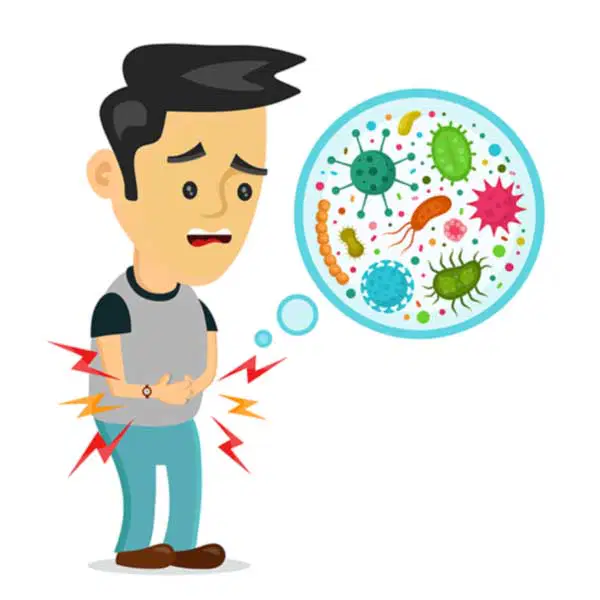
Foodborne Illness "Food Poisoning"
A condition caused by eating contaminated food or drinking contaminated water.
A type of allergy to certain foods.
A chronic disease caused by overeating.
A psychological disorder related to food consumption.
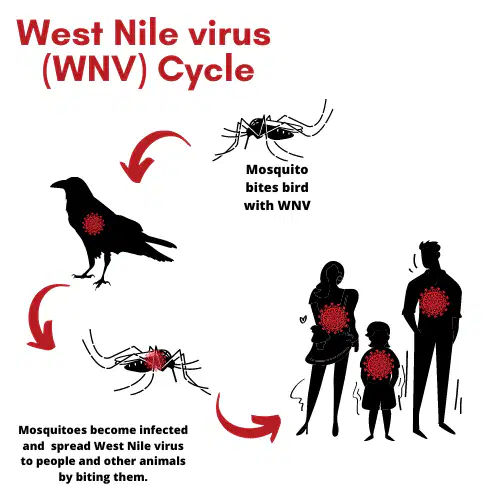
Virus
A type of bacteria that causes disease
An infectious agent that replicates only within the cells of living hosts, mainly bacteria, plants, and animals
A form of energy that powers living organisms
A chemical substance that can be synthesized in a laboratory

