
Font size
 Worksheets
The Constitution Review
Total questions: 81
Worksheet time: 41mins
The ________________________ branch has the power to make laws.
Legislative
Executive
Judicial
Senate
Supporters of the Constitution called themselves
Democrats
Federalists
Aliens
impressionists
What did Shay’s Rebellion show America about its government under the Articles of Confederation?
The US Government is too strong
State’s had too much power
The US Government is too weak
States are too weak
Passed by Congress on September 25, 1789, the Bill of Rights are the
Pre-amble
Articles of Confederation
First 10 amendments of the Constitution
Reasons the Constitution was written
If the president neither signs nor returns a bill to Congress during the time allowed, that bill:
is vetoed.
becomes law.
goes to the state legislatures for consideration.
must be signed by the vice-president to become law.
Matching: Important Constitutional Amendments Established citizenship and equal protection under the law for former slaves.
13th Amendment
14th Amendment
15th Amendment
18th Amendment
Under the Articles of Confederation, each state's power in Congress was based on:
one vote per state.
the state's size.
the state's total population.
the state's voting population.
Checks and balances refer to…
The institutional checks of power between the three branches of government
The money system used for weighing gold
The powers of the President over the states
The inability of certain rich fat cats to balance their bank accounts
A U.S. senator serves for a term of:
two years.
four years.
six years.
eight years.
Overriding a presidential veto of a bill requires:
a two-thirds vote by both houses of Congress.
a unanimous vote by both houses of Congress.
a three-fourths vote by both houses of Congress.
a majority vote by one house and a two-thirds vote by the other.
The _____________________ combined both of the plans proposed at the Constitutional Convention, the Virginia Plan and the New Jersey Plan, and created a two house Congress. One with equal representation and one based on population.
⅗ Compromise
Great Compromise
Compromise of 1775
Constitutional Compromise
The Federalist papers written by John Jay, Alexander Hamilton and James Madison, which appeared in the New York newspapers from 1787 to 1788 were aimed to
Challenge the Constitution
Defend the Constitution
Defend the British government
Challenge the British government
The president must have been a U.S. citizen:
since birth.
since the age of eighteen.
for a minimum of ten years.
for a minimum of twenty-five years.
Matching: Important Constitutional Amendments Banned the production and sale of alcohol (Prohibition).
13th Amendment
14th Amendment
15th Amendment
18th Amendment
To take full effect the Constitution had to be ratified by:
seven states.
nine states.
eleven states.
all thirteen states
Matching: Important Constitutional Amendments Guaranteed former slaves and all male citizens the right to vote.
13th Amendment
14th Amendment
15th Amendment
18th Amendment
The "supreme law of the land" in America is:
the Constitution.
the Bill of Rights.
the Articles of Confederacy.
the Preamble.
Each of the following is a right guaranteed by the Bill of Rights except the right to:
vote.
assemble.
be tried publicly.
voice an opinion.
The president is elected to a term of:
two years.
four years.
six years.
eight years.
Matching: Important Constitutional Amendments Permanently banned the practice of slavery in the United States.
13th Amendment
14th Amendment
15th Amendment
18th Amendment
The _________________________ branch has the power to veto laws.
Legislative
Executive
Judicial
Which of the following is NOT true of Alexander Hamilton when he was Secretary of the Treasury?
He said: "A national debt, if it is not excessive, will be to us a national blessing."
Argued that all the states fought for freedom, so the federal government should assume all state debts.
Supported the idea of a National Bank.
All of the above are true.
The Articles of Confederation included all of the following weaknesses EXCEPT…
The lack of an executive or president
The inability to tax the states
The power to regulate commerce between states
The provision for unanimous consent to amend the Articles of Confederation.
Matching: Important Constitutional Amendments Ended Prohibition
13th Amendment
14th Amendment
15th Amendment
21st Amendment
The three main branches of the U.S. government are:
the House of Representatives, Senate, and Supreme Court.
the president, Senate, and Supreme Court.
executive, legislative, and judiciary
state, local, and federal
If a woman accused of a crime "pleads the Fifth Amendment, " she is:
demanding a jury trial.
demanding an attorney.
claiming to be innocent of the charges.
refusing to testify against herself in court.
Why did our founding fathers originally not want a strong government?
They wanted a government similar to that of Britain
They were all Federalists
They were anarchists
They were afraid of creating another king-like government
The qualifications for a U.S. senator or representative require all the following except that he or she:
be a U.S. citizen.
be at least a certain age.
live in the state he or she represents.
belong to a registered political party.
Matching: Important Constitutional Amendments Gave women the right to vote.
13th Amendment
14th Amendment
15th Amendment
19th Amendment
The last group to whom the Constitution granted the right to vote was:
Women.
The poor
Native American men.
African-American men.
Our country has how many Senators?
2
50
100
Depends on a state’s population
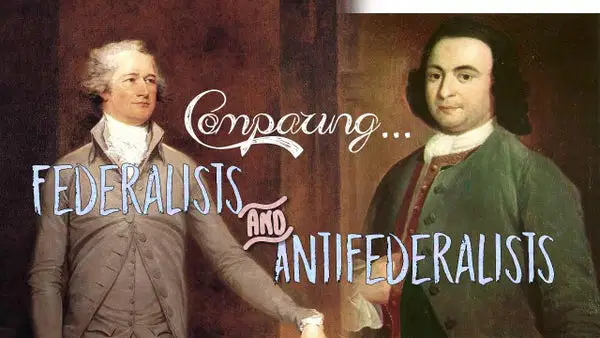
The Federalists favored ...
Giving states more power than the central government
Dividing power between levels of government
Limiting the president to one term in office
Creating a strong central government

A change or addition to a constitution is known as a(n) ...
Law
Article
Amendment
Bill
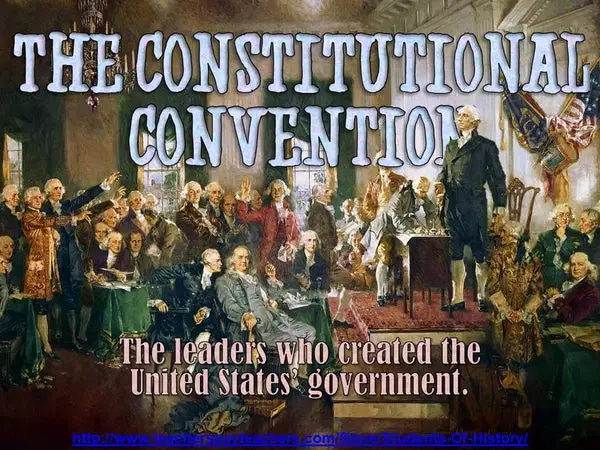
Delegates to the Convention from smaller states favored which plan for government?
New Jersey Plan
Virginia Plan
New York Plan
Maryland Plan
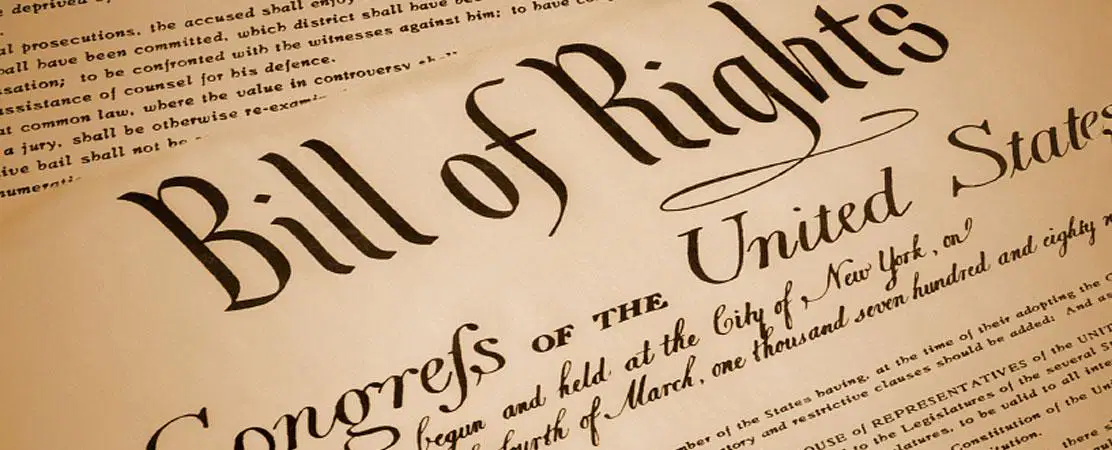
Who argued that the Constitution must spell out ways to protect the basic rights of citizens?
Veterans of the war
Members of Congress
Federalists
Antifederalists
Virginia, Pennsylvania, and Massachusetts supported the "Virginia Plan" because ...
They were big states and would gain the most seats
They wanted states to have equal representation in Congress
Other plans might limit individual freedoms
The plan called for a one-house legislature
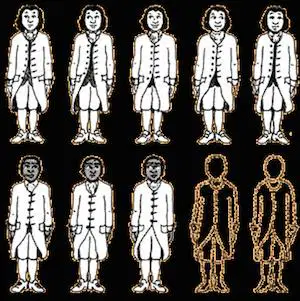
Which region benefited most from the Three-Fifths Compromise?
The western territories
The southern states
The New England states
The coastal states
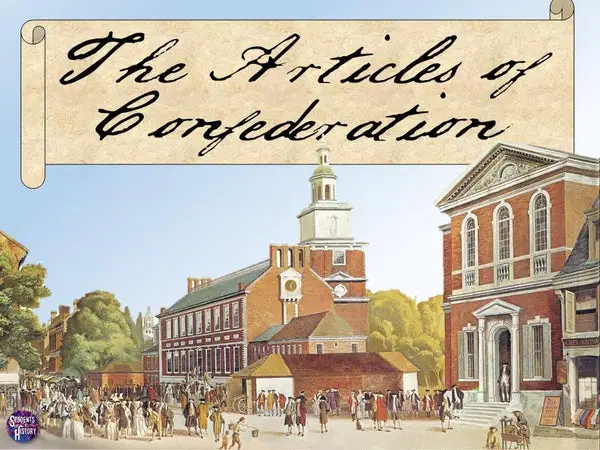
How many branches of the national government did the Articles of Confederation allow for?
One
Two
Three
Four
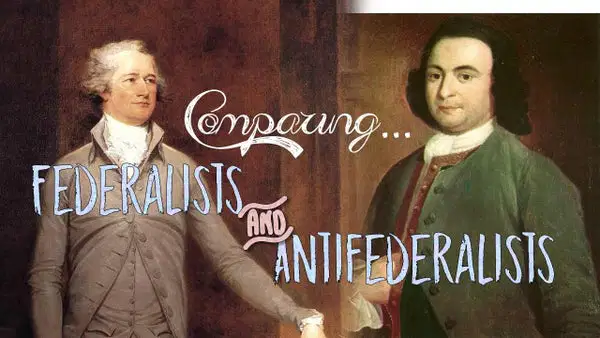
One reason some Antifederalists did not want to ratify the Constitution is that it ...
Gave bigger states more Senate seats
Gave Congress too much power
Did not contain a bill of rights
Was too much like the Articles of Confederation
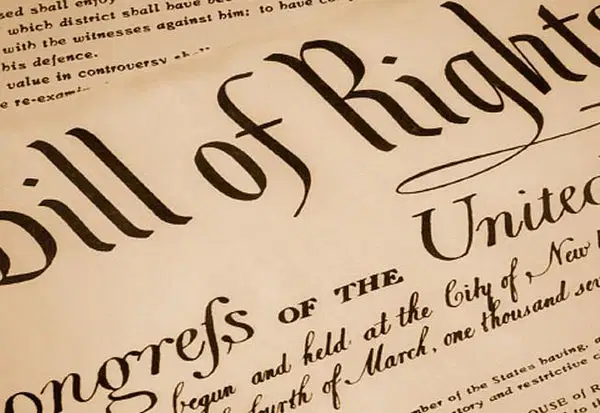
What is NOT a right guaranteed by the Bill of Rights?
To assemble
To be given a fair trial
To assemble
To vote
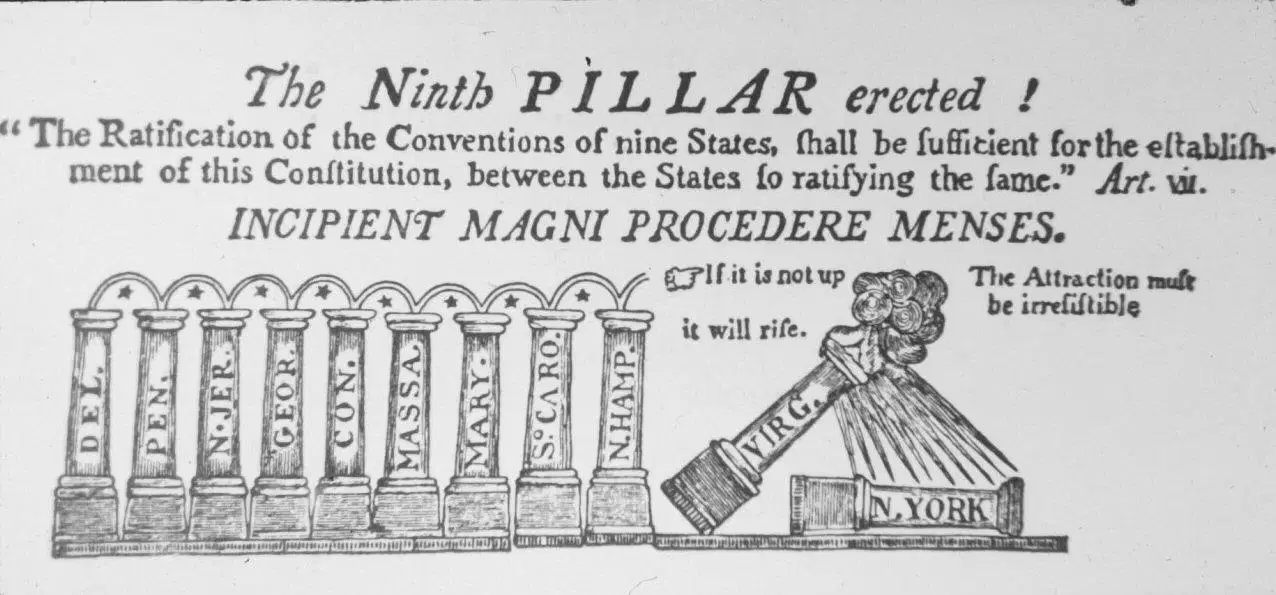
Which of these statements best describes the ratification of the Constitution?
Each state quickly ratified the Constitution
Most states were against ratification at first
Some states slowly turned in favor of ratification
Only Rhode Island refused to ratify the Constitution

In order to allow the Constitution to be FLEXIBLE, the framers provided a way to ...
Replace the Preamble
Restore the Articles of Confederation
Check judicial power
Amend the Constitution
Under the Articles of Confederation, Congress could do all of the following EXCEPT ...
Run a postal service
Create taxes
Coin or borrow money
Pass laws
United States Senators serve terms of -
3 years
4 years
6 years
8 years
What term refers to the idea that the national government shares power with state governments?
Ratification
Checks & Balances
Federalism
Republic
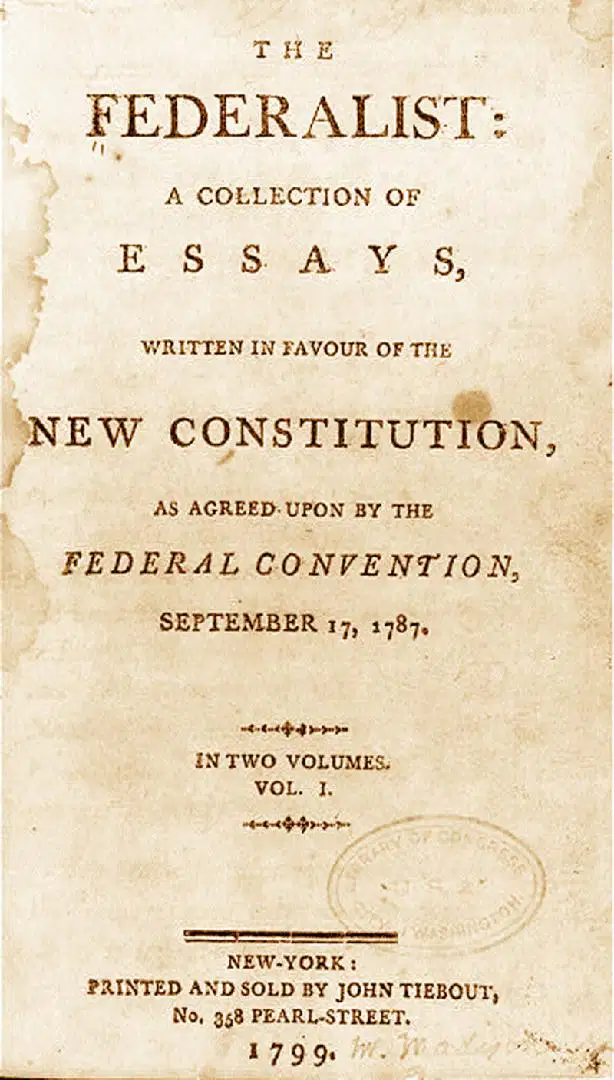
What were the Federalist Papers?
Notes taken by delegates at the Constitutional Convention
Early versions of the Bill of Rights
News articles supporting a strong FEDERAL government
Articles written by supporters of strong STATE governments
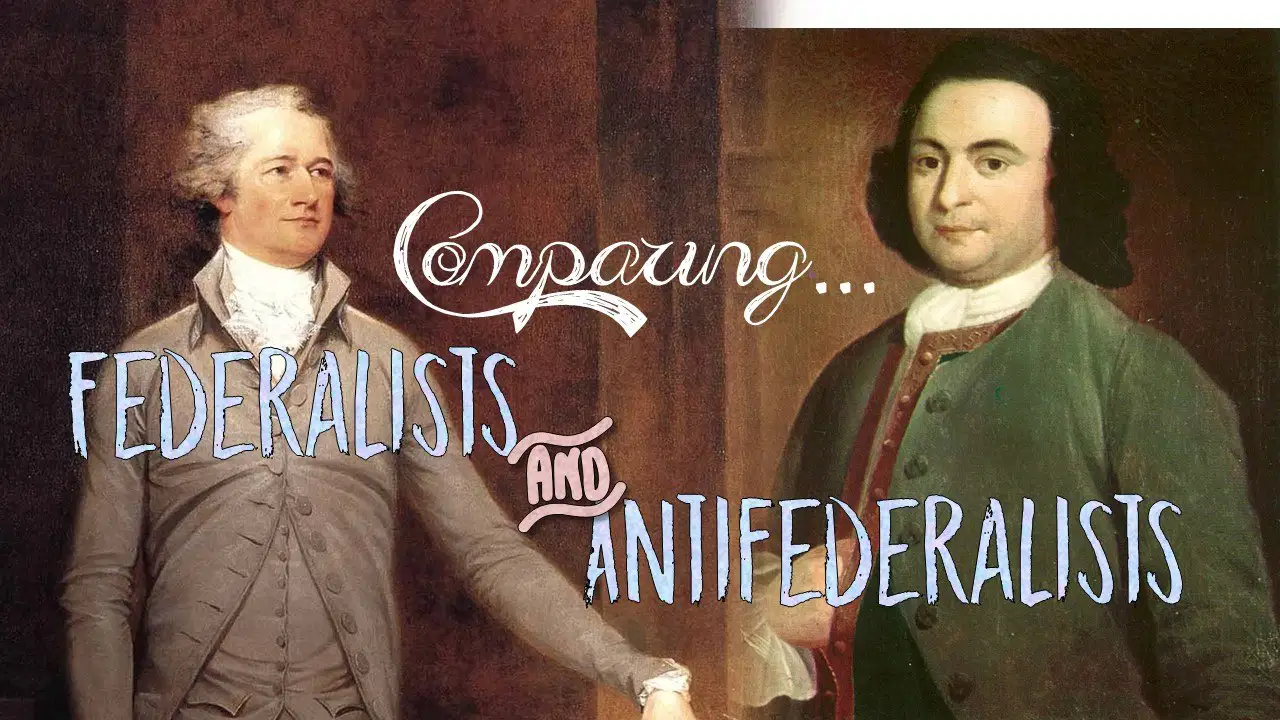
What were the Federalist Papers?
Articles against ratification of the Constitution
Essays supporting a strong central government.
An early version of the Bill of Rights
Notes taken by delegates at the Convention
What amendment protects freedom of speech?
1st
2nd
3rd
4th

What was the main purpose of the Preamble?
Identify the goals of the new government
Grant power to the states
Identify the rights of the citizens
Grant power to the federal government
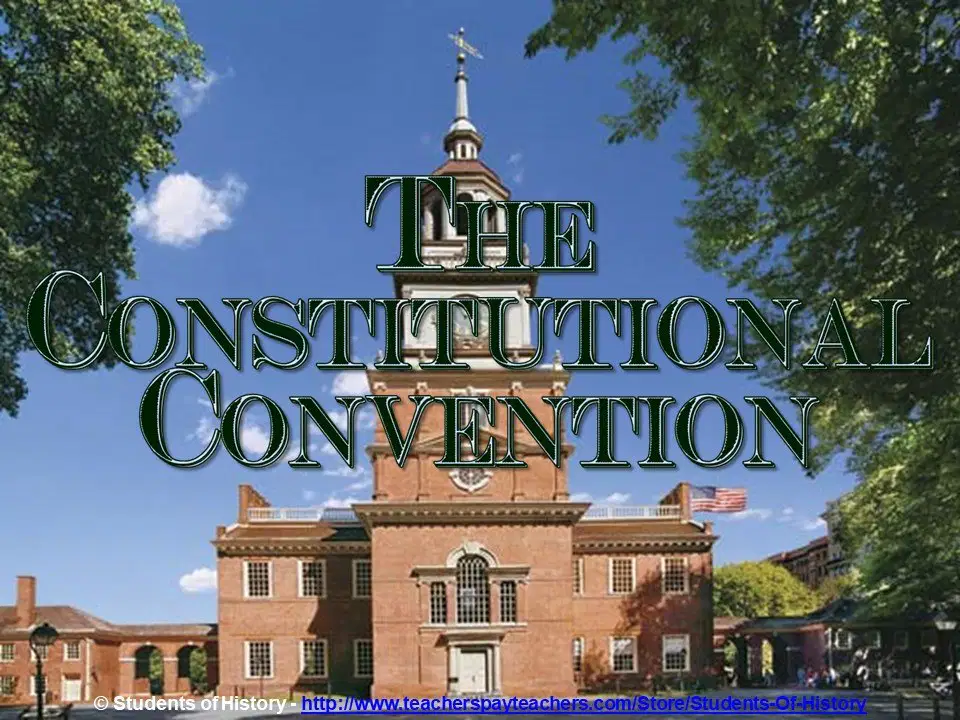
Where was the Constitutional Convention?
Washington D.C.
Philadelphia, Pennsylvania
Boston, Massachussettes
New York, New York
Which of the following was not a compromise at the Constitution Convention?
3/5 Compromise
Virginia Plan
New Jersey Plan
Mississippi Plan

What Article of the Constitution describes the responsibilities and duties of the Legislative Branch?
1
2
3
4
What are the first 10 amendments to the Constitution called?
The Bill of Rights
The Preambles
The Vetos
The Federalisms
What document did the Constitution replace?
The Bill of Rights
The Amendments
The Articles of Confederation
The Magna Carta

What are the first 10 amendments to the Constitution called?
The Bill of Rights
The Preambles
The Vetos
The Federalisms
The last group to whom the Constitution granted the right to vote was:
Women
Former slaves
18-year-olds
Native Americans
Women "got the vote" in which Amendment?
19th
18th
20th
21st
What term refers to the process of approving the Constitution?
Articles of Confederation
Ratification
Federalism
Checks and Balances

What Article of the Constitution describes the responsibilities and duties of the Executive Branch?
1
2
3
4

What Article of the Constitution describes the responsibilities and duties of the Judicial Branch?
1
2
3
4
What term refers to the idea that the national government shares power with state governments?
Articles of Confederation
Ratification
Federalism
Checks and Balances
How many amendments are in the Constitution?
28
30
29
27
Plan presented at the constitutional convention that favored large states because representation was based on population.
Ratification
New Jersey Plan
Preamble
Virginia Plan
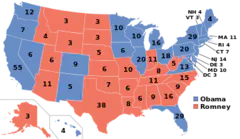
Representatives of each state who cast the final ballots that actually elect a president
Supremacy Clause
Elastic Clause
Concurrent Powers
Electoral College
Allowed states to count three fifths of their slaves as part of the population
Federalism
Great Compromise
Bill of Rights
3/5's Compromise
Formal approval of the Constitution by the states.
Elastic Clause
Antifederalist
Federalism
Ratification
A change to the Constitution
Federalist
Amendment
Preamble
Impeachment
A person who opposed the adoption of the United States Constitution until a Bill of Rights was added.
Federalist
Federalism
Antifederalist
Ratification
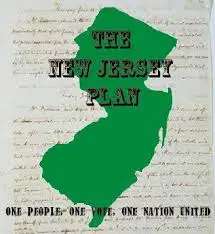
Plan presented at the constitutional convention that favored small states because state representation was equal.
Virginia Plan
Federalist
Supremacy Clause
New Jersey Plan
A system in which power is divided between the national and state governments
Federalism
Preamble
Federalist
Antifederalist
Offered a two-house Congress to satisfy both small and big states
Great Compromise
Ratification
3/5's Compromise
Preamble
People who supported ratification of the Constitution.
Amendment
Federalism
Federalist
Antifederalist
Powers held jointly by the national and state governments.
Implied Powers
Electoral College
New Jersey Plan
Concurrent Powers
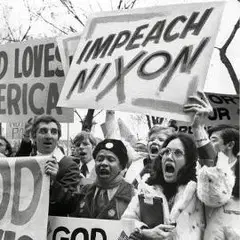
Charges against a president approved by a majority of the House of Representatives
Impeachment
Implied Powers
Amendment
Preamble
Introduction to the Constitution that states the purpose of government.
Preamble
Amendment
Federalist
Impeachment
Constitution is the supreme law of the land
Preamble
Elastic Clause
Supremacy Clause
Federalist
Keep any one part of a government stronger or more influential than the others.
Preamble
Checks and Balances
Electoral College
Elastic Clause
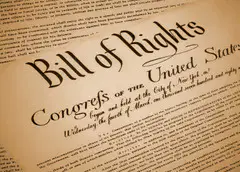
The first ten amendments to the Constitution
Impeachment
Federalist
Bill of Rights
Implied Powers
Part of the constitution that says Congress has implied powers
Supremacy Clause
Ratification
Electoral College
Elastic Clause
Powers not specifically mentioned in the Constitution
Concurrent Powers
Bill of Rights
Impeachment
Implied Powers
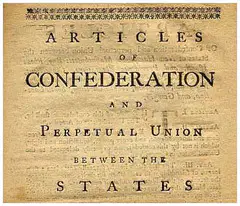
A weak constitution that governed America during the Revolutionary War.
Antifederalist
Articles of Confederation
Ratification
Bill of Rights

