
 Worksheets
Honors Test Study Guide — Worksheet Questions
Total questions: 110
Worksheet time: 3hrs 37mins
What is matter?
Energy that makes things move
Anything you can see, touch, or feel that takes up space and has weight
Only gases that we breathe
Only things that are alive and can grow
Which list shows the three states of matter?
Solid, Plasma, Gas
Water, Ice, Vapor
Solid, Liquid, Gas
Rock, Air, Fire
Which statement best describes a solid?
A form of energy that lets us see
A form of matter that keeps its definite shape
A form of matter with no particles
A form of matter that flows freely and takes the shape of its container
Which statement best describes a liquid?
A form of matter with no mass
A form of matter that keeps its definite shape
A form of energy that we hear
A form of matter that flows freely and takes the shape of its container
Which statement best describes a gas?
A form of matter that keeps a definite shape
A form of energy made by friction
A form of matter that has no definite shape and can be hard to see
A form of matter that always sinks in water

Based on the diagrams of particle arrangement, which diagram represents a solid?
Particles loosely arranged and able to flow
Particles tightly packed in a fixed pattern
Particles spread far apart filling the space
Particles changing into energy

Based on the diagrams of particle arrangement, which diagram represents a liquid?
Particles tightly packed in a fixed pattern
Particles loosely arranged and able to flow
Particles forming a crystal of light
Particles spread far apart filling the space

Based on the diagrams of particle arrangement, which diagram represents a gas?
Particles loosely arranged and able to flow
Particles tightly packed in a fixed pattern
Particles spread far apart filling the space
Particles that make sound
What is weather?
The rocks and soil in a region
The current outdoor conditions that change hourly and daily
The energy that moves the wind
The long‑term patterns of temperature and rain in a place
What is climate?
The kind of rocks found in an area
The temperature at noon today
The long‑term weather patterns in a place that change slowly
A single storm that passes through
Which statement is an example of climate, not weather?
Clouds will clear later this afternoon
New York has snowy winters
The wind is strong today
It is raining this hour
What is the hydrosphere?
Earth’s atmosphere and breathable air
Earth’s rocks, soil, and land
Earth’s water, including oceans, lakes, rivers, rain, and the water in a glass
All living things on Earth
What is the biosphere?
Earth’s rocks, soil, mountains, and valleys
Earth’s water, such as oceans and rivers
All living things on Earth, including plants, animals, and people
Earth’s atmosphere that provides sun protection
What is the geosphere?
Earth’s atmosphere and air
Earth’s rocks, soil, and land such as mountains, valleys, and ground
Earth’s oceans and lakes
All living things on Earth
What is the atmosphere?
Earth’s water in oceans and rivers
Earth’s layer of air that includes breathable air and sun protection
Earth’s solid land and rocks
All living things on Earth
Which example shows Earth’s spheres working together?
A boat floats on a lake with no waves
Rain falls from the clouds and plants use the water and soil to grow
A rock sits on the ground without moving
A person uses a flashlight at night
What is energy?
The act of changing position
The air around Earth
The ability to do work or make things move
A push or pull
What is motion?
Energy that lets us see
The act of something moving or changing position
The ability to do work or make things move
A force that slows motion
What is a force?
The sound we hear
A push or pull that can change motion
A landform like a mountain
A form of light
What is friction?
Energy that lets us see
A force that slows things down when they rub together
Breathable air around Earth
A push or pull that speeds things up
What is sound energy?
Energy that lets us see
Energy that we hear, made when things vibrate
Energy that pulls objects downward
Energy that keeps objects at rest
What is light energy?
Energy stored in rocks
A form of energy that lets us see
Energy that we hear
Energy that slows motion
Which statement describes Newton’s Law of Inertia?
Objects always slow down because of friction
Objects resist change in motion
Push harder, move faster
For every action there is an equal and opposite reaction
Which statement describes Newton’s Law of Acceleration?
Action and reaction forces are equal and opposite
Objects resist change in motion
Push harder, move faster
Light lets us see
Which statement describes Newton’s Third Law (Action and Reaction)?
Objects resist change in motion
Push harder, move faster
For every action there is an equal and opposite reaction
Energy makes things move
What is a consumer in an ecosystem?
A living thing that breaks down dead plants and animals
An organism that consumes plants or animals for energy
A nonliving part of the environment
A living thing that makes its own food from sunlight
What is a producer in an ecosystem?
A living thing that breaks down dead plants and animals
A living thing, like a plant, that makes its own food from sunlight
An organism that consumes plants or animals for energy
A predator that hunts other animals
What is a decomposer in an ecosystem?
An organism that consumes plants or animals for energy
A living thing that makes its own food from sunlight
A living thing that breaks down dead plants and animals
A nonliving part of the environment
What is a physical adaptation?
Actions or ways of acting that help survival
Body parts or features that help survival
Energy from the Sun
A place where an animal lives
What is a behavioral adaptation?
Making food from sunlight
Actions or ways of acting that help survival
Body parts or features that help survival
Breaking down dead plants and animals
Which is a negative way humans can impact plants and animals?
Protecting habitats
Pollution or cutting down forests
Conservation
Planting trees
Which is a positive way humans can impact plants and animals?
Ignoring habitats
Conservation
Pollution
Cutting down forests
Which best explain the function of producers in a forest ecosystem?
Producers provide energy for consumers in the ecosystem.
Producers provide energy for decomposers in the ecosystem.
Producers provide energy for other producers in the ecosystem.
Producers provide energy for consumers and other producers in the ecosystem.

Which is an example of a decomposer?
a hawk
a mouse
a flower
a mushroom
Which best describes a producer?
an organism that gets its energy from plants
a plant that makes its own food
the sun because it provides energy for plants
an organism that gets its energy from animals
Which best describes how decomposers help support life in an ecosystem?
Decomposers add nutrients to the soil.
Decomposers provide a habitat in the ecosystem.
Decomposers add producers to the ecosystem.
Decomposers provide energy for consumers.
Which group of organisms are consumers?
bacteria, fungi, and mushrooms
cactus, fern, and maple tree
deer, rabbit, and squirrel
moss, protist, and algae
Which type of organism eats only plants?
carnivore
herbivore
producer
scavenger
Which could be a secondary consumer?
bear
oak tree
slug
squirrel
Which is a consumer that only eats producers?
bird
snail
grass
mushroom
Which describes a consumer?
an organism that produces its own food
an organism that produces its own energy
an organism that cannot produce its own food
an organism that releases energy to other organisms
Where do all life forms get their energy?
Earth's Core
water
plants
the Sun
An animal that eats other animals is a....
carnivore
omnivore
herbivore
decomposer
A consumer that eats both meat and plants...
carnivore
omnivore
herbivore

Structures or behaviors that help an
organism survive in its surroundings
adaptations
inherited traits
learned behaviors
structural behaviors

A monkey has a long tail to help it swing from branch to branch.
Behavioral Adaptation
Physical Adaptation

A squid will squirt black ink at predators when frightened.
Behavioral Adaptation
Structural Adaptation

A lion has pointed teeth to help it tear meat off of the bone.
Behavioral Adaptation
Physical Adaptation

A black bear hibernates during the winter months.
Behavioral Adaptation
Physical Adaptation

A penguin is white on its belly and black on its back so it harder to see underwater from above and below.
Behavioral Adaptation
Physical Adaptation

An owl is mostly nocturnal meaning it hunts and is active at night.
Behavioral Adaptation
Physical Adaptation

Parrots have special feet, with two toes on the front and back to help them cling to branches.
Behavioral Adaptation
Physical Adaptation

A cat has a long tail to help it balance.
Behavioral Adaptation
Physical Adaptation

An animal's color or pattern that helps it blend into its surroundings
Environment
Mimicry
Camouflage


Hot, molten rock inside the earth is called ...
lava
magma
igneous rock
minerals


This rock formed when bits of other rocks and sediment were pressed into a solid. What type of rock is it?
Sedimentary Rock
Metamorphic Rock
Igneous Rock
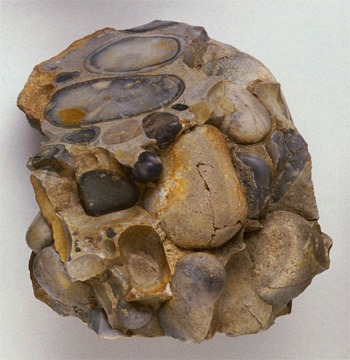

This rock was formed when magma cooled very slowly inside the Earth. What specific type of rock is it?
Igneous Rock
Moon Rock
Metamorphic Rock
Sedimentary Rock

This rock formed when lava cooled very quickly on Earth's surface. What specific type of rock is it?
Igneous Rock
Moon Rock
Metamorphic Rock
Sedimentary Rock

_______ is made of tiny broken rocks and has the largest particles
sand
clay
loam

________ formed when plant and animals decay
humus
sand
clay
_______ is made of tiny broken rocks and has the largest particles
sand
clay
loam

_______ is made of humus, sand, silt and clay
clay
sand
loam

_______ is best for growing plants
sand
clay
loam
Texture is the way the soil
feels
looks

______ can hold water, gets slimy when wet
loam
clay
sand
_______ can not hold water and is gritty when wet
sand
clay
loam

Over time, harsh winds on the Earth's surface can remove pieces of rock and sand and transfer it to other places.
wind erosion
water erosion

Moving water can also remove rock, sand, or mud and deposit it in a different place. This is the most common type of erosion on Earth.
wind erosion
water erosion

_______ has the smallest particles, can hold water very well
loam
clay
sand



When scientists find a fish fossil in the desert, they know that long ago that piece of land was _________.
a mountain
a desert
a body of water
a hill


What was the environment for Layer W like?
A forest
Underwater
A desert
A jungle

What living things were fossilized in Layer N?
Dinosaurs
Monkeys
Fish
Plants
Trace fossils can be:
foot tracks of a dinosaur
insect in resin
the skull of a dinosaur

This is an example of what type of fossil?
Trace
Mold
Cast
Carbonized

