
 Worksheets
Ancient Egypt
Total questions: 51
Worksheet time: 45mins


Which of the following rivers supplies the Egyptians with water?
Nile river
Blue river
White river
Niger river

What is Hieroglyphics?
The paper that Egyptians wrote on
The name of a pharaoh
The language of Ancient Egypt
The name of a phyramid
a rock formation that creates churning rapids
delta
dynasty
scribe
cataract
an area where a river fans out into various branches as it flows into a body of water
cataract
Nile
hierarchy
delta
An Egyptian King
Pharaoh
vizier
dynasty
mummy
a massive monumental tomb for a pharaoh
pyramid
mummy
delta
scribe
a paper-like material made from reeds
mummy
scribe
barter
papyrus
a picture representing an object, sound, or idea that was part of the ancient Egyptian writing system
hierarchy
hieroglyph
papyrus
cataract
the preserved body of a pharaoh or other powerful person in ancient Egypt
mummy
delta
phramid
pharaoh

The process of a dead body becomes dried or preserved so they will not decay
Acidification
Decomposition
Lithification
Mummification

Title used to describe the monarchs of ancient Egypt
King
Pharaoh
Emperor
Supreme Leader
Who was at the very top of the social pyramid in ancient Egypt?
Peasants
Government officials
Artisans
Pharaoh
Which group in ancient Egypt was responsible for the temples and religious rituals?
Scribes
Priests
Artisans
Peasants
Who was at the bottom of Ancient Egypt's social class?
Slaves
Pharaoh
Traders
Priests

What did Egyptians believe in?
Past Life
Unicorns
After Life
all of the above
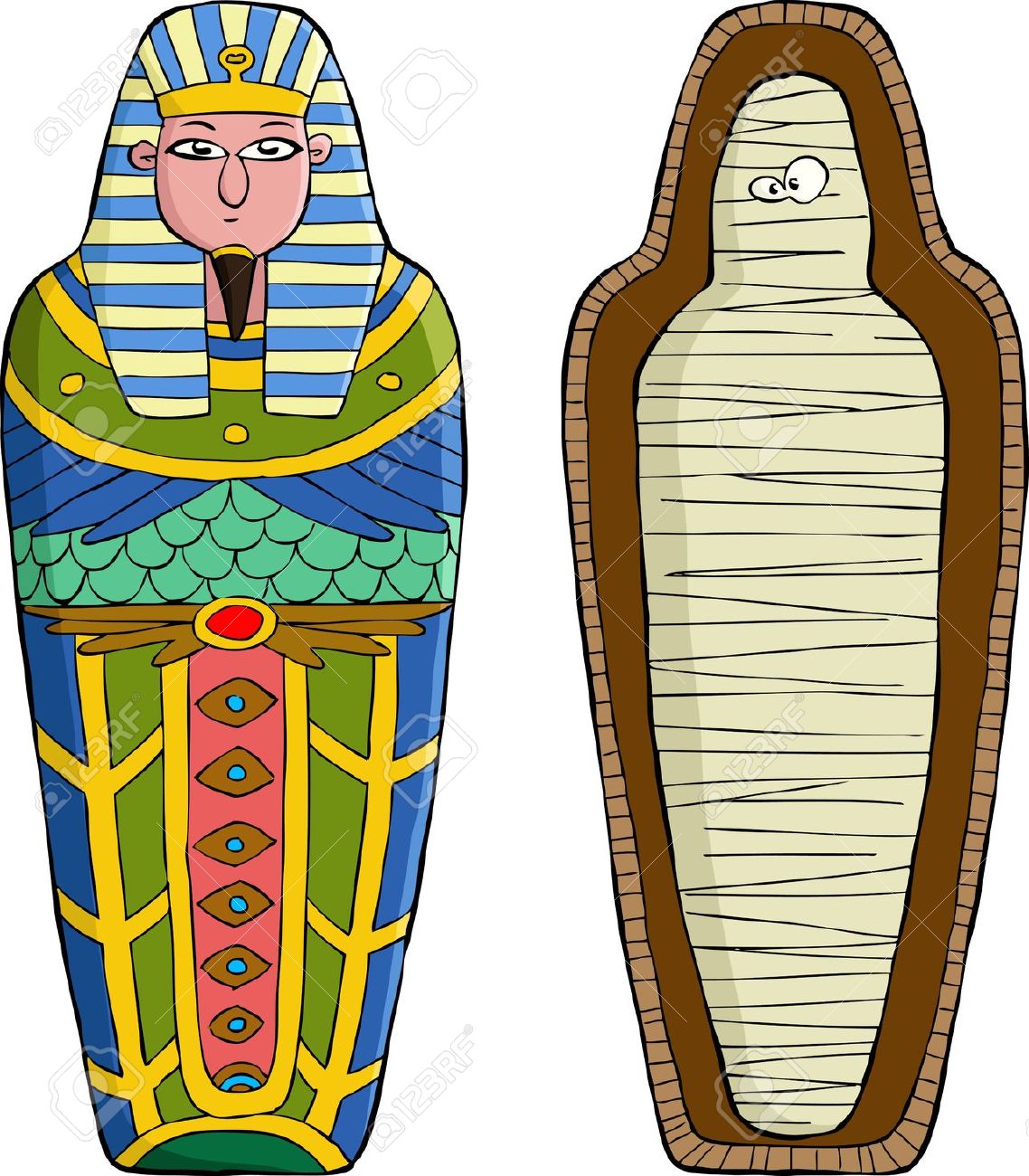
What do the Egyptians remove when they're making a mummy
Organs
Liver
Lungs
All of the above

I am the Egyptian god of the dead, funerals, and embalming. I am one of the oldest gods of Egypt. I have a Jackal as a head and a human body.
Horus
Seth
Osiris
Anubis
What is Egypts largest pyramid called?
The garden of Babylon
The Pyramid of Giza
The Great Pyramid
Pyramid XL
Was the second female pharaoh who expanded Egypt through trade
Cleopatra
Queen Hatshepsut
Queen Ramesses
Queen Tut
She was the last Egyptian pharaoh who built strong trading relationships and boosted Egypt's economy
Queen Elizabeth
Cleopatra
Queen Hatshepsut
Queen Tutt
What is the Rosetta Stone?
An ancient Mesopotamian artifact
A famous painting
A type of writing system used in ancient Egypt
A broken stone slab with a message written on it
How many languages were on the Rosetta Stone?
Five
One
Six
Three
What languages are written on the Rosetta Stone?
English, French, and Spanish
Phonecian, Sumerian, and Hieroglyphs
Latin, Arabic, and Hebrew
Hieroglyphs, Demotic, and Ancient Greek
What is the significance of the Rosetta Stone for Egyptology?
It is a cool piece of art
It is shows what religion the Ancient Egyptians believed in
It provided the key to understanding ancient Egyptian language and culture
There is no significance
Which is a reason that the Nile has been called “the lifeblood” of Egypt?
Its valley and delta provide fertile soil for farming
It borders two of the largest deserts in the world.
It has dangerous cataracts.
It is the longest river in the world.
What was the fine fertile soil that was left behind after the flood every year
Carpet
Top Soil
Rock
Silt
What was inside the pyramid...
lots of enslaved people
things that the Pharaoh might need in the after-life (treasures, food, furniture...)
snakes and snake pits
the secret to how the pyramid was built
What was NOT a way the pyramids were used for
Thombs
Sites for sacrifice
place for worship
graveyard
Astronomical Tools
Which one is NOT what pyramids have in common.
Built without advanced tools
Built by skilled workers
They were made with limestone
Only slaves built them
What is Linen?
Cloth
Portrait
Food
none of the above
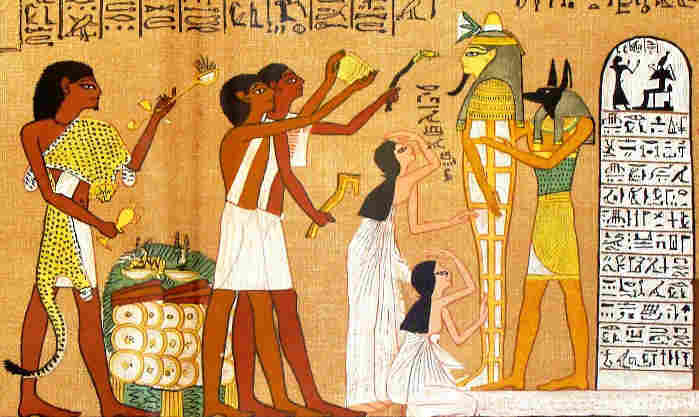
How long are you dead before they throw a funeral?
100 days
5 months
70 days
the day after you die
The Egyptians used a hook to pull out the brain from the nose
True
False
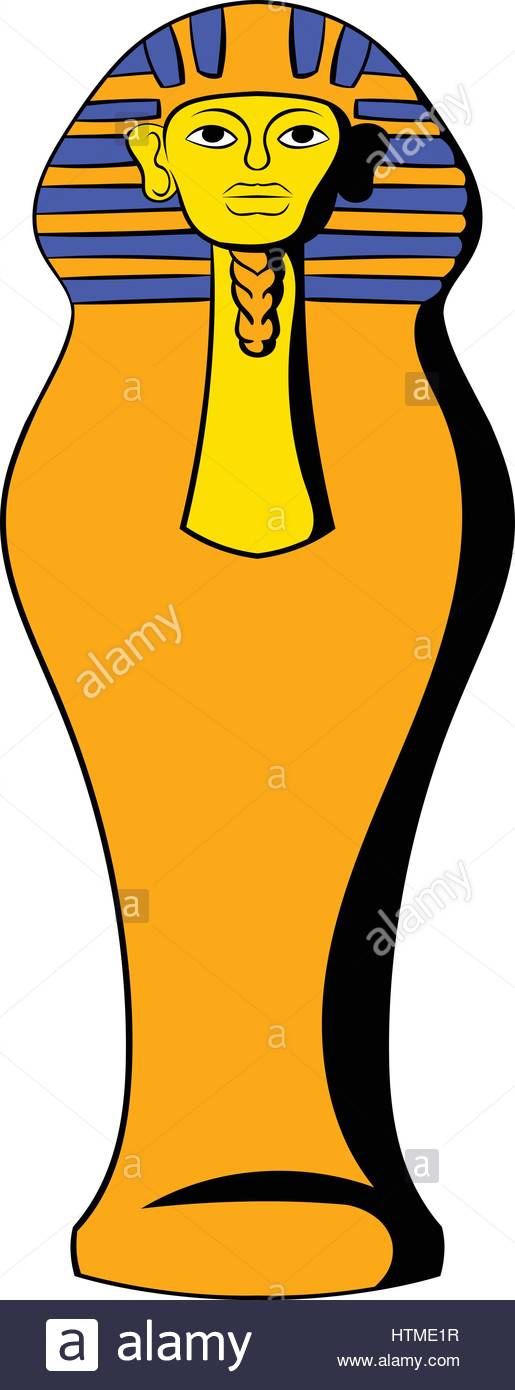
What would the coffins be made out of?
wood
metal
plastic
silver


For what was papyrus used?
building coffins
making clay
ink
making paper

