
 Worksheets
Page 1
Total questions: 31
Worksheet time: 16mins
Energy generation: Choose the correct definition of fossil fuel.
Shale gas, coal and oil; rich in carbon; made from compressed animal and plant life.
A spinning object that connects to a generator.
A machine that turns kinetic energy into electricity.
A resource or energy method that is non-finite.
Energy generation: Choose the correct definition of turbine.
A spinning object that connects to a generator.
Shale gas, coal and oil; rich in carbon; made from compressed animal and plant life.
A machine that turns kinetic energy into electricity.
A resource or energy method that is non-finite.
Energy generation: Choose the correct definition of generator.
A machine that turns kinetic energy into electricity.
Shale gas, coal and oil; rich in carbon; made from compressed animal and plant life.
A spinning object that connects to a generator.
A resource or energy method that is non-finite.
Energy generation: Choose the correct definition of renewable.
A resource or energy method that is non-finite.
Shale gas, coal and oil; rich in carbon; made from compressed animal and plant life.
A spinning object that connects to a generator.
A machine that turns kinetic energy into electricity.
Energy generation: Give the definition of the following term. Fossil fuel.
Shale gas, coal and oil formed from compressed animal and plant life and rich in carbon
Any resource that replenishes naturally and is non‑finite
Electricity produced directly by sunlight through photovoltaic cells
Organic waste burned to power turbines or digested into biogas
Energy generation: Give the definition of the following term. Turbine.
A spinning device that connects to a generator to convert flow into rotation
A battery that stores electrical energy chemically
A machine that changes electrical energy into heat
A static panel that absorbs solar radiation
Energy generation: Give the definition of the following term. Generator.
A machine that turns kinetic energy into electricity
A device that stores electricity in chemical form
A spinning blade assembly driven by fluids
An instrument that measures electrical resistance
Energy generation: Give the definition of the following term. Renewable.
A resource or energy method that is non‑finite
A resource that is finite and will eventually run out
Energy derived from burning fossil fuels
Electricity generated only by nuclear reactions
Energy generation: Give the definition of the following term. Non‑renewable.
A resource or energy method that is finite
A resource that replenishes naturally
Energy harnessed from wind and water movement
Power produced by photovoltaic cells
Energy generation: Give the definition of the following term. Solar power.
Turning the sun's energy into electricity through photovoltaic cells
Using underground heat to spin turbines
Capturing river flow to power generators
Burning biomass to produce steam
Energy generation: Give the definition of the following term. Biomass.
Organic matter such as plants, wood chips, and animal waste burned to power turbines or turned into biogas
Shale gas extracted from deep rock layers
Sunlight captured by photovoltaic panels
Wind used to turn turbine blades
Energy generation: Give the definition of the following term. Hydroelectric.
Harnessing the movement of rivers to power turbines and generators
Using sunlight to excite electrons in solar cells
Burning coal to produce steam for turbines
Capturing heat from within the Earth
Energy generation: Give the definition of the following term. Wind power.
Harnessing the movement of the wind to power turbines and generators
Electricity from moving water in rivers and dams
Energy from compressed organic matter
Power from direct sunlight using photovoltaic cells
According to the passage, fossil fuels are formed from the fossilised remains of plants and animals over millions of years.
True
False
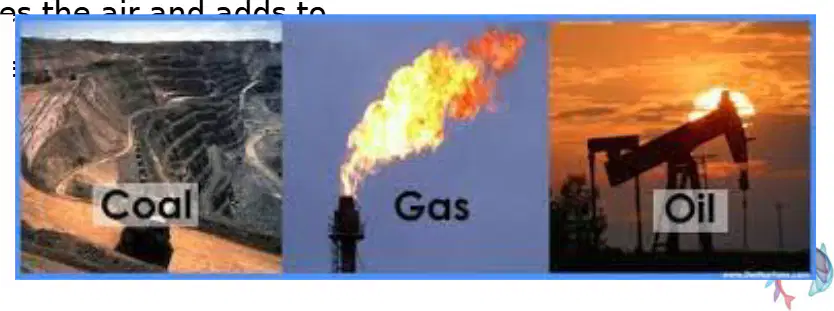
Which energy sources listed in the passage are classed as fossil fuels? Select all that apply.
Coal
Oil
Natural gas
Wind
What is the correct classification of fossil fuels as described in the passage?
Renewable and infinite
Non-renewable or finite
Partly renewable
Always sustainable
How are coal, oil, and gas extracted according to the passage?
Mining and drilling
Irrigation and ploughing
Smelting and casting
Distillation and filtration
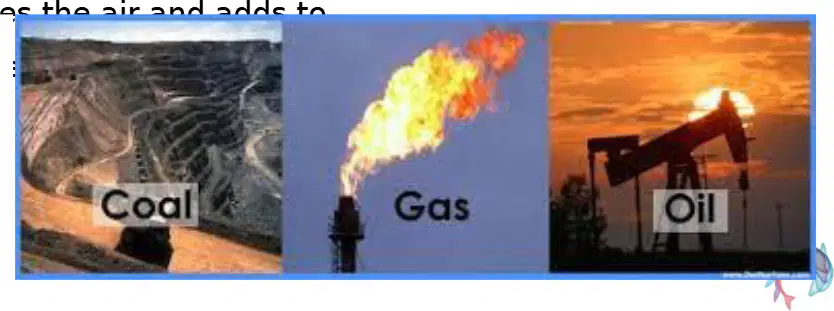
When fossil fuels are burnt, what gas do they produce that pollutes the air and contributes to environmental problems?
Oxygen
Carbon dioxide
Helium
Nitrogen
Energy generation. Choose the option that is an energy generation method.
Wind power
Composting household waste
Building roads
Painting a house
Energy generation. Select all options that are renewable energy generation methods.
Solar power
Wind power
Geothermal power
Coal-fired power
Energy generation. Select all options that are finite (non-renewable) energy sources.
Coal
Oil
Natural gas
Tidal power
Energy generation. Which description matches a simple sketch that represents hydroelectric power?
A dam with water passing through turbines
Rows of rooftop panels facing the sun
An offshore oil rig extracting fuel
A tall chimney emitting smoke from combustion
Energy generation. Which is a typical advantage of solar power?
Generates electricity without fuel combustion and has low operating emissions
Requires constant deliveries of combustible fuel
Produces large amounts of sulfur dioxide during operation
Only works at night when temperatures are lower
Wind energy and fossil fuel energy are both used to create power. Explain the similarities and differences between their methods of power generation. 3 marks. Select all statements that are correct.
Both systems ultimately turn turbines to generate electricity
Wind energy converts the kinetic energy of moving air directly to mechanical energy; fossil fuels create heat to produce steam to drive turbines
Wind energy produces no greenhouse gas emissions during generation; fossil fuels release greenhouse gases
Both wind and fossil fuels are renewable energy sources
Wind farms produce power continuously regardless of wind conditions
What is the difference between a turbine and a generator?
A turbine spins due to moving fluid while a generator converts mechanical motion into electricity
A turbine stores electricity while a generator releases heat
A turbine produces solar energy while a generator captures wind
A turbine measures voltage while a generator measures current
List five energy generation methods that use a turbine.
Hydroelectric
Wind
Solar photovoltaic
Biomass (steam turbine)
Geothermal (steam turbine)
Which energy generation methods involve water?
Hydroelectric
Tidal
Wave
Wind
Geothermal
What might prevent energy companies from starting to produce more renewable energy?
The high cost of changing existing infrastructure
Too much wind causing grid overload
Renewables cannot generate electricity at all
Consumers refusing to buy electricity
Why must batteries be disposed of correctly?
Their toxic chemicals are harmful to soil and water.
They lose charge too quickly if not disposed.
They become heavier over time.
They stop producing alternating current when stored.

The photo showing a hand placing cylindrical cells into a plug-in charger illustrates which battery type?
Rechargeable batteries
Alkaline single‑use batteries
Lead‑acid car batteries
Button cells
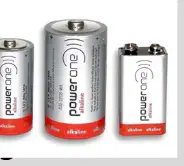
The image of assorted cylindrical and rectangular cells with red and silver labels represents which battery type emphasized on the page?
Alkaline batteries
Rechargeable lithium‑ion batteries
Lead‑acid batteries
Nickel‑cadmium tool batteries

