
 Worksheets
Life Cycle Analysis and the Six Rs
Total questions: 30
Worksheet time: 15mins
Which stage is included in a product’s Life Cycle Analysis from cradle to grave?
Source of materials for the component
Design aesthetics and style choices
Retail marketing and advertising plans
User social media engagement tracking
What does LCA evaluate during the manufacturing stage?
Patent filings and licensing
End-user cleaning instructions
Price discounts and promotions
Energy used and pollution caused
Which principle is part of the Six Rs of Sustainability?
Retool for faster output
Reframe brand messaging
Reduce to save resources
Respond to market trends
What advantage can better build quality provide for a product?
Higher celebrity endorsements
Improved performance during expected life
Lower shipping insurance rates
Quicker social media growth
Ecological design is best described as solving problems while also doing what?
Outsourcing all manufacturing
Minimising environmental damage
Expanding premium pricing tiers
Maximising short‑term profits
Eco‑efficiency focuses on creating goods and services while reducing what?
Ecological impacts and resource depletion
Packaging color variability
Customer loyalty programs
Digital advertising costs
What does the ecological footprint of a product measure?
Number of retail store displays
Market share across regions
Warranty claims per quarter
Environmental impact from cradle to grave
Which statement about fair trade is accurate?
It removes all import taxes for global retailers
It requires products to be assembled domestically
It arranges trade to help producers in developing countries
It prioritises luxury branding exclusivity
Which responsibility ensures a product is acceptable and not offensive for a specific group?
Environmental responsibility
Social responsibility
Cultural responsibility
Economic responsibility
Many manufacturers comply with targets related to which emission as part of environmental responsibility?
Nitrogen monoxide emissions
Carbon dioxide emissions
Sulphur trioxide emissions
Methane hydrate emissions
Which stage is NOT part of Life Cycle Analysis for a product?
Disposal at end of life
Energy during product use
Marketing after product launch
Energy during manufacturing
Source of materials used
Which set lists the Six Rs designers use to improve sustainability?
Reduce, Reuse, Repurpose, Rethink, Refuse, Recycle
Reduce, Reuse, Repair, Redesign, Refuse, Recycle
Remove, Reuse, Rebuild, Rethink, Refuse, Recycle
Reduce, Recover, Replace, Revalue, Refuse, Recycle
Reduce, Reuse, Repair, Rethink, Refuse, Recycle
What does eco-efficiency aim to do in product development?
Increase user wants regardless of impacts
Satisfy needs while reducing ecological impacts
Cut costs by lowering quality standards
Eliminate all natural resource use completely
Maximize profits through faster production
Ecological design primarily requires designers to do what?
Increase production speed and volume
Solve problems while minimizing environmental damage
Use traditional materials without change
Focus only on aesthetics and branding
Outsource manufacturing to cheaper countries
What best defines a product’s ecological footprint?
The cost of materials and labor combined
The carbon emissions during transport only
The measurement of environmental impact from cradle to grave
The total energy used at the factory
The recycling rate of the packaging
Which choice shows a fair trade goal in design and manufacturing?
Maximizing profit for buyers
Securing trade that improves workers’ rights
Eliminating taxes on imported goods
Prioritizing speed over safety standards
Reducing product prices below costs
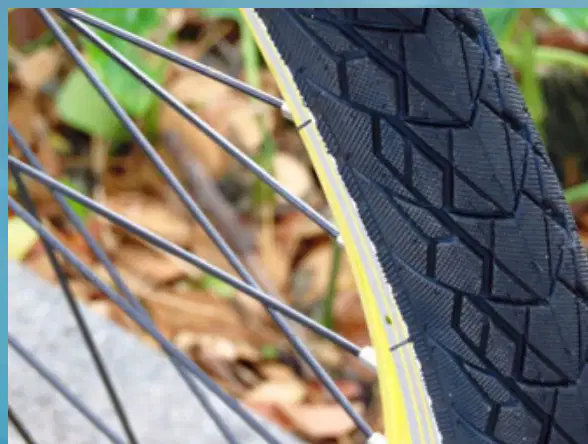
A new inner tube hardens when contacting air to seal punctures. What sustainability benefit does this innovation most likely provide?
Shorter product life with quicker replacement
Reduced waste by extending product lifespan
Higher emissions during manufacturing only
Eliminated need for fair trade certification
Increased marketing reach for the brand
Which responsibility ensures a product does not harm a group unintentionally?
Social responsibility
Cultural responsibility
Legal responsibility
Economic responsibility
Environmental responsibility
Which example best represents cultural responsibility in design?
Reducing CO2 emissions to meet legislation
Setting profit margins that meet investor goals
Tracking energy use during manufacturing
Ensuring the product is safe for all ages
Making sure the product is not offensive to a specific group
Why might legislation affect environmental responsibility for manufacturers?
Laws force companies to import all materials
Laws increase advertising budgets significantly
Laws mandate only aesthetic improvements
Laws can require targets like lower CO2 emissions
Laws remove penalties for pollution events
Which stage is included in a product’s Life Cycle Analysis from cradle to grave?
Source of materials for the component
Marketing campaigns and sales projections
Retail display lighting and shelving
User reviews and social media feedback
Which R is part of the Six Rs of Sustainability used to improve products?
Reload
Recycle
Repaint
Reassign
What best describes ecological design in product development?
Prioritizing aesthetics over durability
Solving problems while minimizing environmental damage
Outsourcing production to reduce labour costs
Maximizing profits regardless of impacts
Eco-efficiency primarily aims to do what?
Eliminate human workers through automation
Create goods that meet needs while reducing resource depletion
Focus solely on speed of manufacturing processes
Increase luxury features for premium users
What does the ecological footprint of a product measure?
Environmental impact from cradle to grave
Number of workers employed during production
Total brand recognition across markets
Amount of profit per unit sold
Fair trade arrangements mainly promote which outcome?
Exclusive distribution rights for retailers
Faster transportation routes across borders
Sustainable development and better trading conditions
Cheaper raw materials for buyers
Which issue is an example of worker exploitation?
Flexible work hours with overtime pay
Access to paid leave and healthcare benefits
Unfair working conditions and poor levels of payment
Comprehensive safety training and equipment
A designer ensures a product does not have an unforeseen side effect on a group of people. Which responsibility is this?
Social responsibility
Economic responsibility
Legal responsibility
Cultural responsibility
Selecting materials and managing running costs so the product remains financially sound relates to which duty?
Environmental responsibility
Political responsibility
Economic responsibility
Aesthetic responsibility
Why have many manufacturers begun lowering carbon dioxide emissions?
To avoid aesthetic design conflicts
To win design awards and trophies
To comply with legislation and targets
To increase the speed of product assembly

