
 Worksheets
Chapter 8 Opportunity Review
Total questions: 210
Worksheet time: 2hrs 51mins
According to this map, which nation attracted the largest number of immigrants?
United States
Brazil
Australia
China
Which of the following nations attracted the fewest number of immigrants?
Brazil
Mongolia
Sudan
Saudi Arabia
Which nations attracted between 200,000 and 999,999 immigrants each?
Argentina and South Africa
Canada and Australia
India and Russia
Libya and Sudan
Which list contains the names of nations that each attracted fewer than four million immigrants?
Mexico, Brazil, Argentina, South Africa, Mongolia, and China
Canada, the United States, the United Kingdom, France, and Saudi Arabia
Australia, India, Russia, Saudi Arabia, the United Kingdom, and France
the United Kingdom, the United States, Russia, India, and Australia
What is the most important push factor that drove these people to leave their homeland?
economic push factor
environmental push factor
family push factor
political push factor
What evidence in this photograph suggests how desperate these people are to leave?
The people are leaving on foot.
The buildings are falling apart.
Many people are leaving at once.
all of the above
People who seek safety by going to another country are called
citizens
refugees
permanent residents
visitors
Which statement is true?
People are most likely to flee a government that treats its citizens fairly.
All people who suffer at the hands of a harsh government become political refugees.
People may become political refugees when their government rules through fear.
all of the above
This woman is enrolled in a medical technology program at a U.S. university. Which factor most likely played a role in bringing her to the U.S?
family pull factors
education pull factors
environmental push factor
political push factor
Suppose this woman now lives with an aunt who immigrated to the United States many years before. What most likely helped her make that decision?
political push factor
economic push factor
family pull factor
education pull factor
Which statement is true?
All students who come to the United States for college must leave after earning their degrees.
Most of the students who come to the United States for college decide to stay and become citizens.
No students who come to the United States for college choose to stay and become citizens.
Many who come to the United States for college later decide to make it their permanent home.
After this student graduates, she can expect to make a good living. Which factor reflects this reason for coming to the United States?
quality-of-life pull factors
economic push factors
family pull factors
environmental push factors
Many American cities hold parades to celebrate St. Patrick's Day. Which immigrants brought the St. Patrick's Day celebration to the United States?
Chinese
Germans
Irish
Mexicans
How do celebrations like the one in this photo change American society?
They encourage Americans to fear the differences among various groups.
They make life in America the same from one place to another.
They ensure that different immigrant groups stay separate from one another.
They teach Americans about the cultures immigrants come from.
How do immigrants benefit the United States?
They work at many different kinds of jobs that help keep the economy going.
They pay taxes that help pay for public services.
They help Americans learn more about other cultures.
all of the above
Why do some native-born Americans resent immigrants?
They fear that immigrants are taking jobs away from Americans.
They believe that immigrants do not use enough public services.
They worry that immigrants pay too many taxes.
They are afraid that immigrants will not share their culture with Americans.
This statue shows a family getting ready to emigrate from Ireland to the United States. Why do you think this statue was built?
to show the dangers of emigrating
to be proud of those who stayed behind
to remember family members who moved far away
to campaign for immigration reform
When this woman got a job in America, she may have sent money back to her family in Ireland. These payments are called
reparations
remittances
redemptions
restitutions
How might the remittances this woman sends back to Ireland help her family?
They might pay for care for her elderly parents.
They might help her siblings immigrate to America.
They might help pay for repairs to her brother's home.
all of the above
Brain drain occurs when which people emigrate?
young, unskilled workers
school-age children
retired senior citizens
well-educated professionals
Why do people choose to immigrate to the United States?
To reunite with friends and family
To pursue promising employment opportunities
All of the above
To escape violence or persecution
During which time period did Ellis Island experience a change in U.S. immigration?
1840-1860
1900-1914
After the peak years of Ellis Island's operation
Before the Industrial Revolution
What were the reasons for leaving the Old World and immigrating to the New World?
Greater opportunity in the New World
All of the above
War, drought, famine, and religious persecution
Escape from government regulation
Why could some immigrants be detained for days or weeks at Ellis Island?
Due to incomplete documentation
All of the above
Due to illness
Due to criminal charges
What was the purpose of factories built during the Industrial Revolution?
To produce new products
To provide employment opportunities
To support the growth of railroads
To attract immigrants


What was one of the first things immigrants saw as they were arriving to Ellis Island?
The Washington Monument
The Empire State building
The Statue of Liberty
The Brooklyn Bridge
How did immigrants travel from their home country to Ellis Island?
Plane
Steamship
Train
Car
Where is Ellis Island located?
San Francisco
Miami
Charleston
New York City
Most immigrants that came through Ellis Island were from...?
Europe
Central America
Asia
Africa
What was one of the main reasons the "Lost Boys of Sudan" were attracted to the United States?
To experience snow for the first time
To feel safe, go to school, and get jobs
To join a sports team
To learn a new language
What is a common family-related pull factor for immigration?
To escape from family responsibilities
To unite divided families
To start a new family
To find distant relatives
Between 1965 and 1975, most Greek immigrants to the United States were:
Seeking political asylum
Joining relatives already living in the U.S.
Looking for educational opportunities
Escaping natural disasters
What percentage of crop workers on U.S. farms are foreign-born?
30%
50%
70%
90%
Why do many families migrate for educational reasons?
To avoid paying school fees
To ensure their children can attend good schools
To learn a new language
To escape from school
In the 2016–2017 school year, how many foreign students were enrolled in U.S. colleges and universities?
500,000
750,000
1 million
2 million
What is the "American Dream" often associated with?
Winning a lottery
Improving quality of life through economic opportunity and political freedom
Becoming a celebrity
Traveling the world
For many refugees, what is the first step towards a better life in the United States?
Learning English
Finding a job
A sense of safety
Buying a house
Why did Jewish immigrants find the United States appealing?
For its warm climate
For the freedom to worship without fear
For its culinary diversity
For its fashion industry
What is often the starting point for a better life for many immigrants in the U.S.?
A better job
Learning a new hobby
Traveling
Making new friends
What can immigrant families afford with more money earned in the U.S.?
Better food, housing, and health care
More vacations
Luxury cars
Designer clothes
What is a common reason older students come to the United States?
To visit tourist attractions
To attend colleges and universities
To learn how to cook
To participate in sports
What is a significant pull factor for migrant farm laborers?
The opportunity to travel
The availability of agricultural jobs
The chance to learn new farming techniques
The ability to work indoors
What is a common outcome for foreign students after completing their education in the U.S.?
They return to their home countries immediately
They decide to make the United States their permanent home
They travel to other countries for further studies
They start their own businesses abroad
What is a key factor that allows immigrants to bring other relatives to the United States?
Winning a lottery
Saving money from better-paying jobs
Receiving government grants
Participating in exchange programs
What is a common reason for skilled professionals to immigrate to the United States?
To learn new sports
To explore national parks
To access better career opportunities
To enjoy the local cuisine
What is a significant challenge faced by immigrants in the United States?
Finding a pet-friendly apartment
Choosing a favorite sports team
Adapting to a new culture and language
Learning to drive
What is a common reason families choose to immigrate to the United States?
To experience different weather
To provide better educational opportunities for their children
To attend music festivals
To try new cuisines
What challenges did John Deng James and other "Lost Boys" face when they first arrived in the United States?
They were unable to find jobs.
They were homesick and did not know how to shop or cook.
They were not allowed to attend school.
They were fluent in English but struggled with cultural differences.
What percentage of the U.S. workforce is made up of immigrants?
10%
17%
25%
30%
Which of the following is NOT a type of job commonly held by immigrants in the U.S.?
Farmworker
Doctor
Teacher
Cab driver
How do immigrants contribute to the U.S. economy according to the text?
By taking jobs from native-born Americans
By filling jobs that native-born workers are not eager to fill
By only working in low-paying jobs
By not paying taxes
What is one reason some native-born Americans resent immigrants?
Immigrants do not pay taxes.
Immigrants take jobs that native-born Americans want.
Immigrants require public services funded by taxes.
Immigrants do not contribute to cultural diversity.
What is cultural diffusion as described in the text?
The process of immigrants losing their cultural identity
The spread of cultural features from one place to another
The rejection of foreign cultures by native-born Americans
The isolation of immigrant communities
Which of the following foods was NOT mentioned as being introduced by immigrants?
Potstickers
Sushi
Pizza
Tacos
What impact do immigrant neighborhoods have on American cities?
They isolate immigrants from the rest of the city.
They make cities more exciting by sharing languages, foods, and customs.
They prevent cultural diffusion.
They are only beneficial to immigrants.
Which holiday was mentioned as being introduced by immigrants and celebrated by many Americans?
Thanksgiving
Independence Day
St. Patrick's Day
Labor Day
What is one benefit of immigrants paying taxes in the U.S.?
It reduces the need for public services.
It supports public services important to both immigrants and native-born Americans.
It only benefits immigrants.
It decreases the cost of living.
What is one way immigrants help their new neighbors learn more about the world?
By isolating themselves in immigrant neighborhoods
By sharing their music, art forms, and stories
By refusing to learn English
By not participating in local events
What is the significance of the "Lost Boys" story in the context of immigration?
It highlights the challenges and successes of immigrants adapting to a new country.
It shows that immigrants do not contribute to the economy.
It demonstrates that immigrants only take low-paying jobs.
It proves that immigrants do not integrate into American society.
What is one reason some taxpayers resent the cost of services for immigrants?
They believe immigrants do not contribute to the economy.
They think the costs outweigh the benefits immigrants bring.
They feel immigrants should not be allowed to work.
They believe immigrants do not pay taxes.
How do immigrants with high education and skills contribute to the U.S. economy?
By only working in low-paying jobs
By establishing new businesses and creating jobs
By not paying taxes
By refusing to integrate into American society
What is one cultural impact of immigrants on American holidays?
Immigrants do not celebrate American holidays.
Immigrants have introduced new holidays that are now celebrated by many Americans.
Immigrants only celebrate holidays from their homeland.
Immigrants have eliminated traditional American holidays.
What is one way immigrants contribute to cultural diversity in the U.S.?
By introducing new cuisines and traditions
By isolating themselves from the community
By refusing to share their cultural practices
By only adopting American customs
How do immigrant entrepreneurs impact the U.S. economy?
By only hiring other immigrants
By avoiding paying taxes
By creating new businesses and job opportunities
By not contributing to economic growth
What is one challenge immigrants face when integrating into American society?
Finding it easy to adapt to all customs
Being immediately accepted by everyone
Learning a new language
Having no cultural differences
What challenges did John Deng James and other "Lost Boys" face when they first arrived in the United States?
They were unable to find jobs.
They were homesick and did not know how to shop or cook.
They were not allowed to attend school.
They were fluent in English but struggled with cultural differences.
What percentage of the U.S. workforce is made up of immigrants?
10%
17%
25%
30%
Which of the following is NOT a type of job commonly held by immigrants in the U.S.?
Farmworker
Doctor
Teacher
Cab driver
How do immigrants contribute to the U.S. economy according to the text?
By taking jobs from native-born Americans
By filling jobs that native-born workers are not eager to fill
By only working in low-paying jobs
By not paying taxes
What is one reason some native-born Americans resent immigrants?
Immigrants do not pay taxes.
Immigrants take jobs that native-born Americans want.
Immigrants require public services funded by taxes.
Immigrants do not contribute to cultural diversity.
What is cultural diffusion as described in the text?
The process of immigrants losing their cultural identity
The spread of cultural features from one place to another
The rejection of foreign cultures by native-born Americans
The isolation of immigrant communities
Which of the following foods was NOT mentioned as being introduced by immigrants?
Potstickers
Sushi
Pizza
Tacos
What impact do immigrant neighborhoods have on American cities?
They isolate immigrants from the rest of the city.
They make cities more exciting by sharing languages, foods, and customs.
They prevent cultural diffusion.
They are only beneficial to immigrants.
Which holiday was mentioned as being introduced by immigrants and celebrated by many Americans?
Thanksgiving
Independence Day
St. Patrick's Day
Labor Day
What is one benefit of immigrants paying taxes in the U.S.?
It reduces the need for public services.
It supports public services important to both immigrants and native-born Americans.
It only benefits immigrants.
It decreases the cost of living.
What is one way immigrants help their new neighbors learn more about the world?
By isolating themselves in immigrant neighborhoods
By sharing their music, art forms, and stories
By refusing to learn English
By not participating in local events
What is the significance of the "Lost Boys" story in the context of immigration?
It highlights the challenges and successes of immigrants adapting to a new country.
It shows that immigrants do not contribute to the economy.
It demonstrates that immigrants only take low-paying jobs.
It proves that immigrants do not integrate into American society.
What is one reason some taxpayers resent the cost of services for immigrants?
They believe immigrants do not contribute to the economy.
They think the costs outweigh the benefits immigrants bring.
They feel immigrants should not be allowed to work.
They believe immigrants do not pay taxes.
How do immigrants with high education and skills contribute to the U.S. economy?
By only working in low-paying jobs
By establishing new businesses and creating jobs
By not paying taxes
By refusing to integrate into American society
What is one cultural impact of immigrants on American holidays?
Immigrants do not celebrate American holidays.
Immigrants have introduced new holidays that are now celebrated by many Americans.
Immigrants only celebrate holidays from their homeland.
Immigrants have eliminated traditional American holidays.
What is one way immigrants contribute to cultural diversity in the U.S.?
By introducing new cuisines and traditions
By isolating themselves from the community
By refusing to share their cultural practices
By only adopting American customs
How do immigrant entrepreneurs impact the U.S. economy?
By only hiring other immigrants
By avoiding paying taxes
By creating new businesses and job opportunities
By not contributing to economic growth
What is one challenge immigrants face when integrating into American society?
Finding it easy to adapt to all customs
Being immediately accepted by everyone
Learning a new language
Having no cultural differences
What is the term used to describe the loss of skilled and educated people from a country due to emigration?
Brain gain
Brain drain
Remittances
Push factors
Which of the following is a benefit of emigration for the home country?
Loss of skilled workers
Increased poverty
Remittances
Decreased population
What is a "push factor" in the context of migration?
An attractive feature of a new country
A reason to stay in one's home country
A reason to leave one's home country
A financial incentive for emigrants
Which country is mentioned as receiving significant income from remittances?
Sudan
United States
Mexico
Canada
What is the main reason the "Lost Boys of Sudan" left their homeland?
To pursue higher education
To escape war and conflict
To find better job opportunities
To explore new cultures
What is the term for emigrants returning to their home country with new skills and experiences?
Brain drain
Brain gain
Remittances
Push factors
Which of the following is a "pull factor" that attracts people to a new country?
War
Poverty
Freedom
Famine
During which period did the first great wave of immigration to the United States occur?
Late 1800s
Late 1960s
Since 1820
1970 to 2005
From which regions did the second wave of immigrants to the United States primarily come?
Northern and Western Europe
Eastern and Southern Europe
Latin America and Asia
Africa and the Middle East
What significant change in U.S. immigration laws occurred in 1965?
Restriction of immigration from Europe
Allowance of more newcomers to enter
Ban on immigration from Asia
Increase in deportations
Which group of immigrants primarily settled in the Southwest of the United States?
Asians
Mexicans
Cubans
Europeans
What is one of the main reasons people from the Caribbean islands settled in New York City?
To escape famine
To find agricultural work
To join established communities
To pursue higher education
Which of the following is NOT a push factor mentioned in the text?
War
Poverty
Freedom
Discrimination
What is the primary reason many immigrants send remittances back to their home countries?
To invest in businesses
To support their families
To pay taxes
To purchase property
Which group of immigrants is mentioned as having settled primarily in Florida?
Asians
Mexicans
Cubans
Europeans
What is a common reason for people to emigrate from their home countries?
To avoid learning new languages
To escape political instability
To find less job opportunities
To experience colder climates
Which of the following is considered a benefit for the host country due to immigration?
Loss of cultural identity
Decreased population growth
Higher unemployment rates
Increased cultural diversity
What is the term for financial support sent by immigrants to their families in their home country?
Subsidies
Investments
Donations
Remittances
What was one of the main reasons the "Lost Boys of Sudan" were attracted to the United States?
To experience snow for the first time
To feel safe, go to school, and get jobs
To join a sports team
To learn a new language
What is a common family-related pull factor for immigration?
To escape from family responsibilities
To unite divided families
To start a new family
To find distant relatives
Between 1965 and 1975, most Greek immigrants to the United States were:
Seeking political asylum
Joining relatives already living in the U.S.
Looking for educational opportunities
Escaping natural disasters
What percentage of crop workers on U.S. farms are foreign-born?
30%
50%
70%
90%
Why do many families migrate for educational reasons?
To avoid paying school fees
To ensure their children can attend good schools
To learn a new language
To escape from school
In the 2016–2017 school year, how many foreign students were enrolled in U.S. colleges and universities?
500,000
750,000
1 million
2 million
What is the "American Dream" often associated with?
Winning a lottery
Improving quality of life through economic opportunity and political freedom
Becoming a celebrity
Traveling the world
For many refugees, what is the first step towards a better life in the United States?
Learning English
Finding a job
A sense of safety
Buying a house
Why did Jewish immigrants find the United States appealing?
For its warm climate
For the freedom to worship without fear
For its culinary diversity
For its fashion industry
What is often the starting point for a better life for many immigrants in the U.S.?
A better job
Learning a new hobby
Traveling
Making new friends
What can immigrant families afford with more money earned in the U.S.?
Better food, housing, and health care
More vacations
Luxury cars
Designer clothes
What is a common reason older students come to the United States?
To visit tourist attractions
To attend colleges and universities
To learn how to cook
To participate in sports
What is a significant pull factor for migrant farm laborers?
The opportunity to travel
The availability of agricultural jobs
The chance to learn new farming techniques
The ability to work indoors
What is a common outcome for foreign students after completing their education in the U.S.?
They return to their home countries immediately
They decide to make the United States their permanent home
They travel to other countries for further studies
They start their own businesses abroad
What is a key factor that allows immigrants to bring other relatives to the United States?
Winning a lottery
Saving money from better-paying jobs
Receiving government grants
Participating in exchange programs
What is a common reason for skilled professionals to immigrate to the United States?
To learn new sports
To explore national parks
To access better career opportunities
To enjoy the local cuisine
What is a significant challenge faced by immigrants in the United States?
Finding a pet-friendly apartment
Choosing a favorite sports team
Adapting to a new culture and language
Learning to drive
What is a common reason families choose to immigrate to the United States?
To experience different weather
To provide better educational opportunities for their children
To attend music festivals
To try new cuisines
What event caused John Deng James to flee his home in Sudan?
A natural disaster
Gunfire and war
Economic hardship
Political election
Who are the "Lost Boys of Sudan"?
A group of young soldiers
A group of political leaders
A group of children who fled war in Sudan
A group of environmental activists
What is a common reason for people to become political refugees?
Economic prosperity
Fair government treatment
Fear of persecution
Environmental changes
Which country did many of the Lost Boys of Sudan eventually reach?
Egypt
Kenya
Ethiopia
South Africa
What was a major push factor for Cuban immigrants coming to the United States?
Environmental disasters
Economic opportunities
Political persecution under Fidel Castro
Cultural exchange programs
What environmental disaster led to a mass emigration from Ireland in the 1840s?
Earthquake
Flood
Potato famine
Volcanic eruption
What was the cause of the Chernobyl disaster?
A volcanic eruption
A nuclear power plant explosion
A severe drought
An earthquake
What is the most common type of push factor for emigration?
Political
Environmental
Economic
Cultural
What did many early immigrants to the United States hope to find?
Political asylum
Economic opportunities
Environmental safety
Cultural diversity
What is a push factor?
A reason to stay in one's homeland
A reason to leave one's homeland
A reason to visit another country temporarily
A reason to invest in local businesses
Which of the following is an example of an environmental push factor?
Political persecution
Economic recession
Long-term drought
Cultural differences
What happened to many of the Lost Boys of Sudan during their journey?
They found immediate safety
They were captured by soldiers
They died of hunger and thirst
They were transported by vehicles
What is genocide?
A natural disaster
An economic crisis
An organized elimination of a group
A political election
What did the Chernobyl disaster result in?
Improved agricultural practices
A large area of poisoned soil, air, and water
Economic prosperity
Political stability
Why might people flee a government that rules through fear?
To seek better weather
To find new cultural experiences
To escape persecution and unfair treatment
To join a different political party
What is a common consequence of war on civilian populations?
Enhanced educational opportunities
Displacement and refugee crises
Improved healthcare systems
Increased economic growth
Which of the following is a reason people might seek asylum in another country?
To explore new cuisines
To learn a new language
To escape political persecution
To experience a different climate
What is an example of a social push factor?
Political stability
Job opportunities
Religious persecution
Natural disasters
What is the definition of "immigrate"?
To leave one's country to live in another
A person who flees their country due to danger
To enter a new country to live
A factor that pushes people away from an area
Which term describes entering a new country to live?
Emigrate
Immigrate
Refugee
Migration stream
What is a common reason for emigration to the United States?
To escape good weather
To find new opportunities
To avoid learning English
To stay close to home
What is one reason people emigrate from their home countries?
To find better opportunities
To visit family
To go on vacation
To attend a festival
Which country had the highest number of immigrants to the U.S. in 2016?
China
India
Mexico
Philippines
Which of the following is considered a push factor for migration?
Freedom
Opportunities for a better life
War
Economic prosperity
What is the percentage of U.S. immigrants from Vietnam in 2016?
3.4%
2.0%
1.9%
1.8%
What are push and pull factors in migration?
Factors that discourage people from moving
Factors that attract people to a new place
Factors that only affect economic migration
Factors that are irrelevant to migration
What does the term "emigrate" mean?
To move to a country
To move from a country
To stay in a country
To visit a country temporarily
Which of the following is a common reason for someone to become a refugee?
Seeking adventure
Escaping political unrest
Pursuing higher education
Looking for a new job
Which of the following is an example of a pull factor?
War
Economic opportunity
Natural disaster
Political instability
What is the main focus of the section titled "Origins of Immigrants"?
Economic impacts of immigration
Historical immigration patterns
Cultural diversity
Language barriers
What is a common job for immigrants in agriculture?
Farm managers
Farm laborers
Farm owners
Farm equipment designers
How do immigrants make American cities more exciting?
By building new skyscrapers
By sharing their languages, foods, and customs
By creating new laws
By increasing the population
What is one way immigrants contribute to the economy?
By reducing job opportunities
By creating cultural conflicts
By introducing new foods and customs
By increasing welfare costs
What is a significant cultural contribution of immigrants to the United States?
Introducing new languages and cuisines
Creating new political parties
Introducing new architectural styles
Establishing new educational systems
Which of the following is a common challenge faced by immigrants in a new country?
Learning the local language
Accessing healthcare
All of the above
Finding affordable housing
What is a common reason for internal migration within a country?
Escaping international conflict
Attending international conferences
Seeking better job opportunities
Visiting family abroad
What are push factors in migration?
Reasons that attract people to a new country
Cultural traditions brought by immigrants
Reasons that drive people to leave their home country
Opportunities for a better life
Which of the following is an example of a pull factor?
War and poverty
Discrimination
Freedom and opportunities
Famine
How many people have migrated to the United States since 1820?
Over 28 million
Over 100 million
Over 82 million
Over 50 million
What was the primary reason for the first wave of immigrants to the United States?
Seeking freedom and opportunities
Escaping war and persecution
Escaping poverty and hunger
Changes in immigration laws
From which regions did the first wave of immigrants primarily come?
Eastern and southern Europe
Caribbean islands
Latin America and Asia
Northern and western Europe
What was a major reason for the second wave of immigrants to the United States?
Escaping famine
Seeking farmland in the west
Escaping war or persecution
Changes in immigration laws
When did the third wave of immigration to the United States begin?
In the early 1900s
In the early 2000s
In the late 1800s
In the late 1960s
What change in 1965 allowed more newcomers to enter the United States?
The Civil Rights Movement
Economic growth in the U.S.
Changes in immigration laws
The end of World War II
Between 1970 and 2005, how many people moved to the United States?
Over 50 million
Over 28 million
Over 100 million
Over 82 million
Which group of immigrants primarily settled in the Southwest?
Asians
Cubans
Mexicans
Caribbean islanders
Where did many Asian immigrants settle in the United States?
The West Coast
The Southwest
New York City
Florida
Which group of immigrants primarily settled in Florida?
Cubans
Mexicans
Asians
Caribbean islanders
What is emigration?
Adjusting to a new culture
Leaving one's home country
Bringing traditions to a new place
Moving to a new country
What is immigration?
Settling in neighborhoods with other immigrants
Escaping war and persecution
Moving to a new country
Leaving one's home country
What challenges do immigrants often face when moving to a new country?
Bringing their culture
Finding familiar places
Learning a new language
Adjusting to their home country
What impact do immigrants have on the United States?
They both adjust to and change life in the U.S.
They change life in the U.S. but do not adjust to it
They adjust to life in the U.S. but do not change it
They leave behind their traditions and culture
What is a migration stream?
A flow of immigrants
A group of refugees
A cultural tradition
A wave of emigration
What is one reason families might move to a new neighborhood?
To escape war
To leave behind traditions
To find better opportunities
To change their country
What is one reason families might change their country?
To leave behind traditions
To find better opportunities
To escape war
To adjust to a new culture
What is one challenge immigrants face when adjusting to a new country?
Learning a new language
Finding familiar places
Bringing their culture
Leaving behind traditions
What is one way immigrants impact their new neighbors?
By adjusting to their traditions
By bringing different ways and culture
By leaving behind their culture
By moving to new neighborhoods
What is one reason people emigrate from their home countries?
To escape war and poverty
To find better opportunities
To adjust to a new culture
To leave behind traditions
What is one reason people immigrate to the United States?
To find better opportunities
To escape war and poverty
To leave behind traditions
To adjust to a new culture
What is one impact migration has on the countries people leave behind?
It changes their culture
It leaves behind their ways
It affects their population
It adjusts their traditions
What is one impact migration has on the United States?
It adjusts its traditions
It leaves behind its ways
It affects its population
It changes its culture
What is one reason people move to a new city or state?
To escape war
To leave behind traditions
To adjust to a new culture
To find better opportunities
What is one reason people move to a new neighborhood?
To leave behind traditions
To adjust to a new culture
To find better opportunities
To escape war
What is one challenge immigrants face when moving to a new country?
Leaving behind traditions
Learning a new language
Bringing their culture
Finding familiar places
What is one way immigrants impact their new neighbors?
By moving to new neighborhoods
By leaving behind their culture
By bringing different ways and culture
By adjusting to their traditions
What is one reason people emigrate from their home countries?
To adjust to a new culture
To leave behind traditions
To escape war and poverty
To find better opportunities




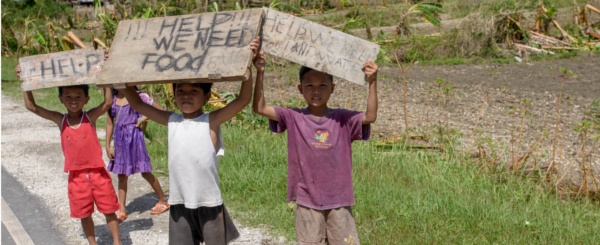


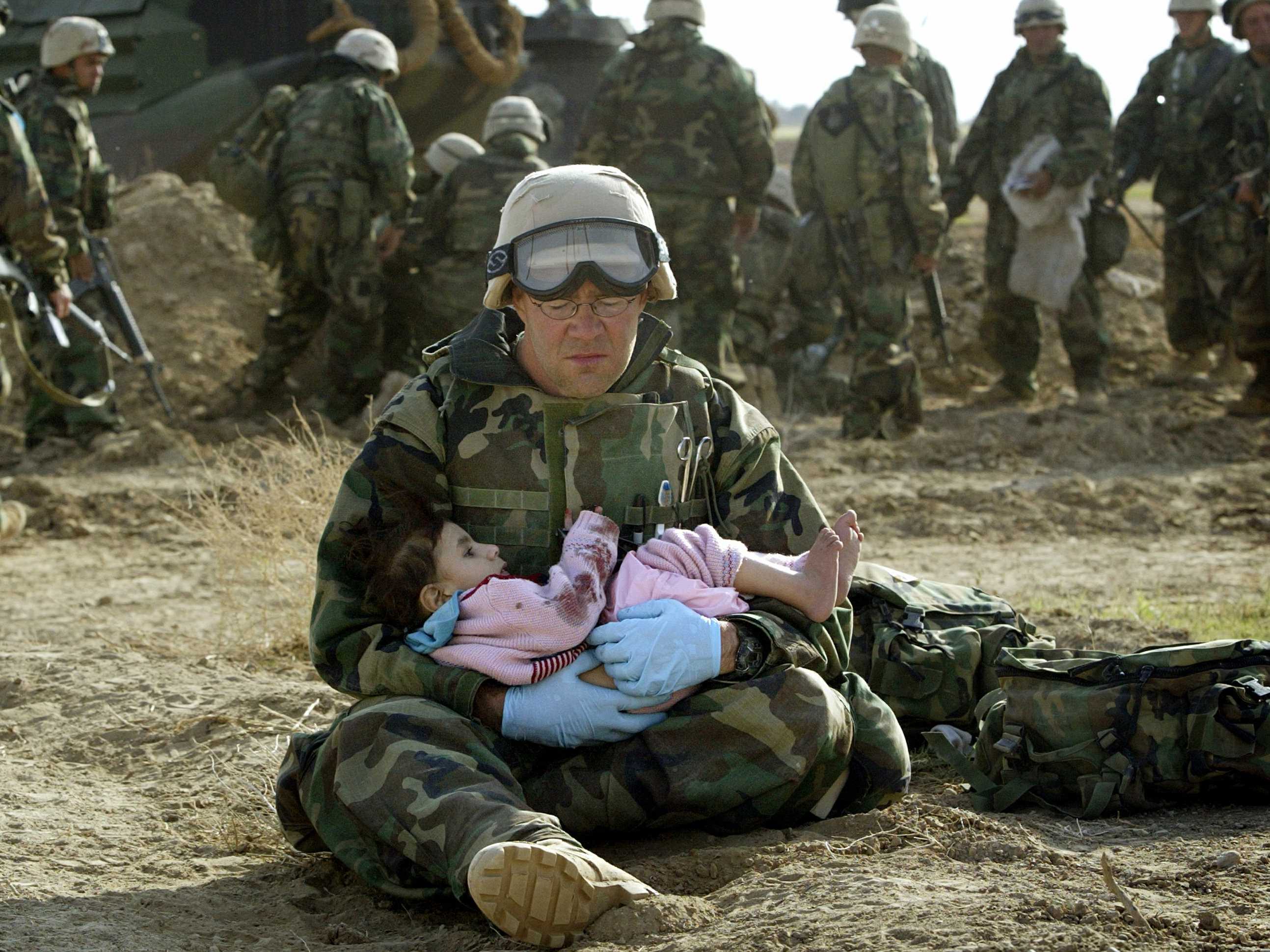
pull factor

wealth
Emigration refers to
The destination country that people migrated to
The original country that people migrated from
Migration caused by outside factors
Voluntary migration from one place to another
Migration refers to
Movement of people from one suburb to another
Movement of people from one part of their country to another
Movement of people from one country to another for a holiday
Movement of people from one country to another for an indefinite period of time
Which of these are examples of 'push' factors
More comfortable living conditions
More prosperous job opportunities
Instability due to war
Scarcity of food
Which of these are examples of 'pull' forces
Natural disaster hitting area of living
More diverse schooling options
Promotion in job
Inadequate medical services


What is rural urban migration?
Moving from the city to the countryside
Moving from the countryside to the city
any migration
moving to another country
The density of an urban area would be...
high
low

