
NEW
Font size
 Worksheets
Week 12 PathoPharm
Total questions: 45
Worksheet time: 23mins
Which set correctly names the three highlighted components of the normal digestive process shown: Digestive System, Alimentary Canal, and Accessory Organs?
The entire body, the rectum, and the pancreas
The organ network handling food, the continuous tube from mouth to anus, and structures that aid digestion like glands
Only the stomach, the esophagus, and the liver
The nervous system, the mouth cavity, and the kidneys
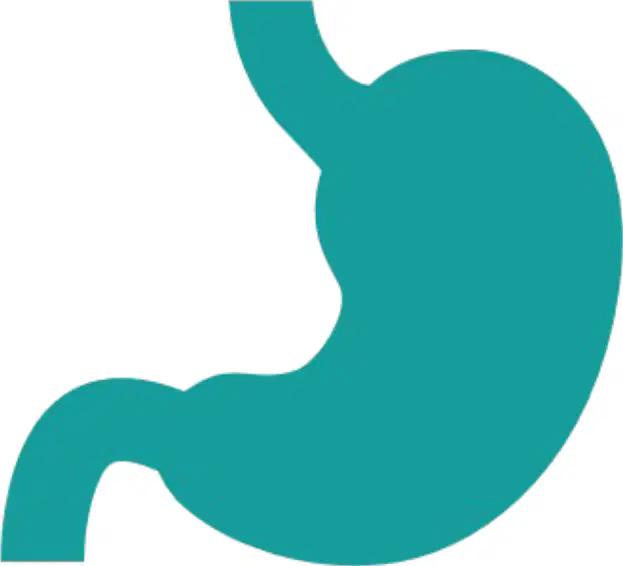
In the context of the stomach, which muscular ring guards the entry from the esophagus into the stomach?
Pyloric sphincter
Esophageal sphincter
Ileocecal valve
Cardiac valve
Which statement best distinguishes the alimentary canal from accessory organs within the digestive system?
The alimentary canal consists of glands that secrete enzymes, while accessory organs form the main tube for food passage.
Accessory organs compose the continuous passage from mouth to anus, while the alimentary canal is limited to the stomach and small intestine.
The alimentary canal is the continuous tube through which food travels, while accessory organs assist digestion but are not part of the main passage.
Both the alimentary canal and accessory organs are separate systems unrelated to digestion.
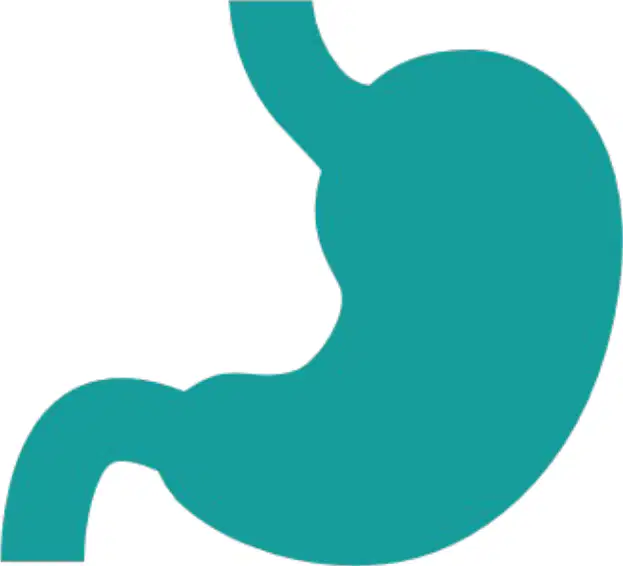
Which muscular ring controls the exit of stomach contents into the small intestine?
Esophageal sphincter
Pyloric sphincter
Anal sphincter
Mitral valve
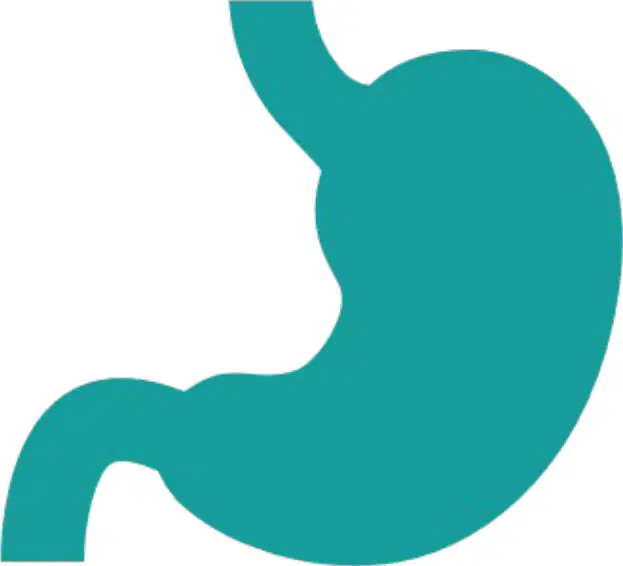
Chief cells are highlighted as key stomach cells. Based on their location, which task would most directly rely on their function?
Producing digestive enzymes within the stomach lumen
Generating bile for fat emulsification
Neutralizing acid in the duodenum via bicarbonate
Regulating swallowing in the pharynx
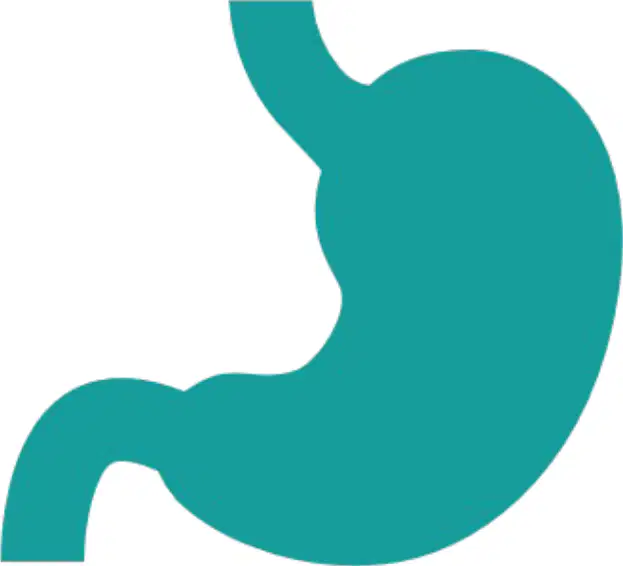
A patient reports backflow of acidic contents into the esophagus after meals. Which structure from the stomach slide, if compromised, most likely explains this presentation?
Pyloric sphincter failing to open
Esophageal sphincter not closing effectively
Chief cells overproducing bile
Accessory organ blockage in the alimentary canal
According to the overview, what primary physiological change leads to Gastroesophageal Reflux Disease (GERD)?
Tightening of the pyloric sphincter at the stomach outlet
Loosening of the sphincter between the esophagus and the stomach
Spasm of the upper esophageal sphincter preventing swallowing
Inflammation of the small intestine causing malabsorption
Which statement best describes the relationship highlighted between GERD and body weight?
GERD is primarily protective against weight gain
GERD is associated with obesity
GERD causes immediate severe weight loss
GERD only occurs in individuals with underweight BMI
A patient presents with recurrent heartburn. Using the provided overview, which initial mechanism would you consider when reasoning about the cause?
Hypersecretion of bile into the duodenum
Loosening of the lower esophageal sphincter allowing gastric contents to reflux
Occlusion of the trachea by epiglottis dysfunction
Overactivity of intestinal peristalsis pushing food too quickly
Which description most accurately defines GERD based on the section’s introduction?
A disorder characterized by reflux due to loosening of the sphincter between the esophagus and stomach, commonly associated with obesity
An autoimmune disease of the small intestine unrelated to sphincter function
A respiratory condition resulting from bronchiole constriction
A gastric ulcer strictly caused by bacterial infection
Which action best represents a nonpharmacologic measure for managing gastroesophageal reflux disease (GERD)?
Taking a proton pump inhibitor before meals
Elevating the head of the bed and avoiding late-night meals
Increasing caffeine intake to stimulate gastric emptying
Using antacids after every meal as routine prevention
A student proposes strategies to prevent peptic ulcers without medication. Which option aligns with non-pharm prevention?
Regular NSAID use to reduce inflammation
Smoking cessation and moderating alcohol intake
Fasting daily to reduce gastric acid
Relying on over-the-counter antacids as a primary prevention
You are asked to design a brief plan to share with classmates on lifestyle approaches to acid-related disorders. Which single step adds evidence-based value to the plan?
Include a recommendation to research and present findings on diet triggers for reflux
Advise classmates to skip breakfast to minimize morning acid
Encourage frequent high-fat snacks to neutralize acid
Suggest replacing water with carbonated beverages to aid digestion

Recall the listed classes of medications used in the management of GERD. Which option correctly identifies a drug class from this list?
Beta-adrenergic agonists
Proton pump inhibitors
Loop diuretics
Calcium channel blockers

Apply the concept of GERD pharmacotherapy: A patient needs a medication that reduces gastric acid by blocking histamine at H2 receptors. Which class best fits this therapeutic goal?
Antacids
H2-receptor blockers
Proton pump inhibitors
Prokinetic agents

Strategic selection: A clinician aims for the most potent suppression of gastric acid secretion to manage frequent GERD symptoms. Based on the listed options, which class is typically chosen first for strong acid suppression?
Antacids for rapid neutralization
H2-receptor blockers for mild nocturnal control
Proton pump inhibitors for robust acid suppression
Surgery as the initial intervention

Clinical reasoning: When might surgery be considered in GERD management according to the listed options? Choose the best answer.
As a routine first-line approach for all patients
Only when antacids are unavailable
When medical therapy may be insufficient and symptoms or complications persist
Whenever H2-receptor blockers are prescribed
According to the instructional text on Omeprazole (Prilosec), what is its therapeutic class?
Antacid
H2-receptor antagonist
Antiulcer drug
Prokinetic agent
Which pharmacologic class best describes Omeprazole?
Proton pump inhibitor
Histamine H2 antagonist
Mucosal protectant
Anticholinergic
Identify the correct mechanism of action for Omeprazole as presented:
Neutralizes gastric acid by direct chemical reaction
Blocks H2 receptors to reduce acid secretion
Reduces acid secretion in the stomach by inhibiting the proton pump
Increases gastric mucus production to protect the mucosa
Which administration alert for Omeprazole is correct based on the material?
Administer with food to enhance absorption
Chew tablets thoroughly to speed onset
Do not chew, divide, or crush tablets
Avoid coadministration with any antacids
A patient asks how to take Omeprazole to maximize effectiveness. Which instruction aligns with the provided guidance?
Take on an empty stomach and do not crush the tablets
Take only with high-fat meals to improve bioavailability
Split the tablet to adjust the dose
Avoid concurrent antacids because they reduce efficacy
Which adverse effect is listed for Omeprazole in the instructional text?
Constipation
Headache
Hypertension
Sedation
Recall: Which pharmacologic class does famotidine belong to?
Proton pump inhibitor
H2 receptor antagonist
Antacid
Prokinetic agent
Recall: What is the mechanism of action of famotidine in GERD management?
Irreversibly inhibits H+/K+ ATPase to block acid secretion
Neutralizes gastric acid by raising stomach pH
Blocks H2 receptors in the stomach to reduce acid production
Stimulates gastric mucus production to protect the mucosa
Skill/Concept: A patient takes famotidine for heartburn. Based on onset and peak data, when is the earliest they might feel relief and when does the effect typically peak?
Onset 5–10 minutes; peak 1 hour
Onset 30–60 minutes; peak 2–3 hours
Onset 2 hours; peak 6–12 hours
Onset immediate; peak 30 minutes
Recall: Which adverse effect is specifically listed for famotidine?
Diarrhea
Constipation
Headache
Drowsiness
Strategic Thinking: A patient with chronic kidney disease (CKD) needs GERD therapy. Which statement best reflects the caution advised for famotidine?
Famotidine is contraindicated in CKD and must be avoided
Use famotidine with caution in CKD due to altered drug handling
Famotidine requires no adjustments in CKD and is preferred
Famotidine should be combined with high-dose iron in CKD
Skill/Concept: Which pairing correctly matches famotidine with a listed drug–drug interaction that may affect therapy?
Famotidine — antacids
Famotidine — acetaminophen
Famotidine — folic acid
Famotidine — calcium channel blockers
Recall: Aluminum hydroxide’s therapeutic class is best described as which of the following?
Anti-ulcer agent
Anti-heartburn drug
Proton pump inhibitor
H2 receptor antagonist
Skill/Concept: What is the mechanism by which aluminum hydroxide provides relief in GERD?
Blocks H2 receptors to lower acid secretion
Raises stomach pH to neutralize acid
Inhibits proton pumps to stop acid formation
Increases gastric motility to clear acid quickly
Strategic Thinking: You are timing medication schedules for a patient on multiple drugs. How should aluminum hydroxide be administered relative to other medications?
At the same time as other medications for synergy
Only with meals to enhance absorption
Two hours before or after other medications to avoid interactions
Immediately before bedtime to reduce nocturnal reflux
Recall: Which onset–peak–duration profile matches aluminum hydroxide as presented?
Onset 20–40 min; peak 30 min; duration 2–3 hours
Onset 30–60 min; peak 2–3 hours; duration 6–12 hours
Onset immediate; peak 15 min; duration 12 hours
Onset 1 hour; peak 4 hours; duration 24 hours
Skill/Concept: Which adverse effect and contraindication are associated with aluminum hydroxide?
Headache; chronic kidney disease
Constipation; small bowel obstruction
Diarrhea; smoking
Drowsiness; vitamin B12 deficiency
Strategic Thinking: A patient with frequent heartburn smokes and takes iron and vitamin B12. Which GERD therapy from this section has listed interactions with these factors that should be considered?
Aluminum hydroxide
Famotidine
Neither has any interactions
Both are contraindicated in smokers
Recall: According to the case study, which diagnosis was made after John consulted his doctor?
Irritable bowel syndrome (IBS)
Gastroesophageal reflux disease (GERD)
Peptic ulcer disease
Cholelithiasis (gallstones)
Skill/Concept: Based on John’s symptoms, which scenario most likely exacerbates his discomfort? He reports a burning chest sensation after meals and another specific condition.
Engaging in moderate exercise right after waking
Lying down at night shortly after eating
Drinking water between meals
Standing upright for an extended period
Strategic Thinking: John’s over-the-counter antacids provide only temporary relief. Which reasoning best explains why his symptoms persist despite antacid use?
Antacids neutralize existing acid but do not reduce ongoing acid production or address lower esophageal sphincter dysfunction
Antacids permanently raise the pH across the entire gastrointestinal tract, eliminating reflux
Antacids stimulate gastric emptying, which increases esophageal clearance
Antacids strengthen the esophageal mucosa, preventing future erosions
Skill/Concept: Considering John’s medical history, which comorbidity is specifically noted in the case study that may influence his treatment choices?
Type 2 diabetes mellitus
Polycystic kidney disease
Hypertension
Chronic obstructive pulmonary disease (COPD)
Sarah, a 16-year-old athlete, experiences burning chest discomfort after meals—worse with spicy or fatty foods—and when lying down at night. She sometimes notices pain radiating to her throat with a sour taste. Which feature most directly supports a diagnosis of GERD in this adolescent case?
Post-prandial burning that worsens when supine
Sharp pleuritic pain relieved by deep breathing
Cramping abdominal pain linked to menstruation
Diffuse musculoskeletal chest soreness after exercise
Sarah’s symptoms intensify during practice, and she uses over-the-counter antacids for temporary relief. Which initial nonpharmacologic strategy is most likely to reduce her symptoms based on identified triggers?
Avoiding spicy and high-fat foods, especially before activity
Increasing citrus fruit intake before workouts
Drinking large volumes of water with meals
Skipping breakfast to reduce gastric acid production
At a clinic visit, Sarah learns she is 20 weeks pregnant. Considering pregnancy-related GERD, which management change is most appropriate to prioritize first?
Continue lifestyle modifications and use antacids as needed
Start high-dose NSAIDs for chest discomfort
Begin nightly sedatives to improve sleep
Restrict all carbohydrates to reduce reflux
Mr. Johnson, age 52, reports frequent heartburn after large meals or when lying down at night, with burning chest pain radiating into his throat and occasional regurgitation of sour-tasting fluid. His provider diagnoses GERD and prescribes a daily oral medication to be taken every morning before breakfast. Which adherence behavior best matches this plan?
Taking the medication once each morning before eating
Taking the medication only when symptoms occur
Doubling the dose at bedtime to prevent nocturnal reflux
Stopping the medication when meals are small
Which scenario most likely exacerbates Mr. Johnson’s GERD symptoms according to his case description?
Eating large meals and lying down soon after
Consuming small, frequent meals with upright posture
Walking after dinner and avoiding late-night snacks
Taking prescribed medication before breakfast daily
Comparing the two cases, which statement best reflects a shared clinical pattern of GERD?
Both report burning chest sensations that can radiate to the throat with a sour taste
Only Sarah experiences nocturnal worsening, while Mr. Johnson’s symptoms occur exclusively in the morning
Neither uses medications; both rely solely on hydration
GERD presents with sharp, localized chest pain relieved by deep breathing in both patients

