
 Worksheets
Europe: Geography, Civilization, and Demographics Quiz
Total questions: 50
Worksheet time: 27mins
Which of the following best describes a civilization?
A society with advanced technology, agriculture, and surplus food
A group of people living in the same area
A country with a large population
A place with many animals
Which of the following is NOT a major river in Europe?
Amazon
Danube
Volga
Loire
Which mountain range is located in Europe?
Alps
Rockies
Andes
Himalayas
Which sea is a major water feature of Europe?
Mediterranean Sea
Red Sea
Caspian Sea
Arabian Sea
What is the capital of England?
London
Paris
Berlin
Madrid
Which of the following is a reason for the advancement of civilization?
Surplus of food
Lack of water
Isolation from other societies
Limited technology
Which country experienced the potato famine?
Ireland
France
Germany
Spain
What is the Nordic Model known for?
High levels of social welfare and happiness
Strict monarchy
Lack of education
Desert climate
Which of the following is a demographic term?
Birth rate
Mountain range
River delta
Forest cover
What does a population pyramid show?
The age and gender distribution of a population
The number of rivers in a country
The height of mountains
The amount of rainfall in a year
Which of the following is a push factor in migration?
War in the home country
Job opportunities in another country
Family living abroad
Good climate in another country
Which of these is a pull factor for immigration?
Better job opportunities
Natural disasters
Political instability
Lack of resources
Which of the following is a major river in Europe?
Rhine
Nile
Yangtze
Mississippi
Which of these is a mountain range in Europe?
Pyrenees
Appalachians
Atlas
Sierra Nevada
Which sea borders Northern Europe?
Baltic Sea
Caribbean Sea
Red Sea
Arabian Sea
What is the main geographical advantage of France?
Fertile land and access to rivers
Desert climate
High mountains only
Lack of coastline
Which of the following is NOT part of the United Kingdom?
France
Scotland
Wales
Northern Ireland
What is the main source of energy in Iceland?
Geothermal energy
Coal
Oil
Nuclear power
Which of the following is a feature of the Nordic Model?
High taxes and strong social services
No government involvement
Low literacy rates
Desert agriculture
What does the term "emigration" mean?
Leaving one's country to live elsewhere
Moving within the same city
Visiting another country for vacation
Staying in the same place
What is the difference between England and Great Britain?
Great Britain includes England, Scotland, and Wales
England is a continent
Great Britain is a city in England
England is not part of Europe
Which of the following is a reason for many countries and cultures in Europe?
Geographical diversity and history
Lack of resources
Desert climate
No rivers
What is the infant mortality rate?
The number of babies who die before their first birthday per 1,000 live births
The number of adults who die each year
The number of children born each year
The number of people who move to another country
Which of the following is a major mountain range in Europe?
Ural Mountains
Rocky Mountains
Andes Mountains
Atlas Mountains
What is the main reason for the economic changes in Ireland?
Education and changes in industry to IT Services
Desertification
Lack of rivers
High mountains
Which of the following is a major water feature in Europe?
Baltic Sea
Dead Sea
Red Sea
Caspian Sea
What does "life expectancy" mean?
The average number of years a person is expected to live
The number of children born each year
The number of people who move to another country
The number of deaths in a year
Which of the following is a reason why civilizations develop?
Advances in agriculture and technology
Lack of food
Isolation from other societies
No access to water
What is the main purpose of a population pyramid?
To show the age and gender structure of a population
To show the number of rivers in a country
To show the height of mountains
To show the amount of rainfall
Which of the following is a demographic term related to population growth?
Fertility rate
Mountain range
River delta
Forest cover


What country is in yellow?
Greece
Italy
Turkey
Denmark

Which country am I?
France
Italy
Germany
Ukraine


What PENINSULA is labeled as #1
Scandinavian
Italian
Crimean
Iberian
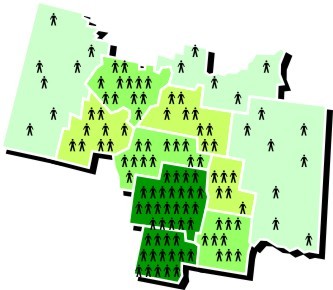

What is a life expectancy?
is the average number of years a person can expect to live at any given age
is the average of how much everyone in the country makes
is the lack of both money and the basic necessities needed for life, including: food, water, shelter, healthcare
the amount of babies that die before their first birthday per year

Where is the greatest population density in South America?
at the southern tip
near the Amazon
in the middle
Along the coastlines

Which continent (not counting Antarctica) averages the fewest people per square mile?
North America
South America
Europe
Africa
Australia


What is infant morality rate?
The number of people in an area that can read or write
The measure infant deaths per 1,000 live births
The number of people living in a particular area
The number of people who are born in a particular area
Population pyramids measure:
Age and Gender
Gender and Race
Age and Race
Land size

What age groups does the bottom of a population pyramid represent?
The elderly
The working adults
The children
Males

What does the whole right side of the population pyramid represent?
Males
Females
Unemployed
Young people

What age group does the top of the population pyramid represent?
The working people
The rich people
The elderly
The young people

What growth rate does this population pyramid represent?
Rapid Growth
Slow Growth
Negative Growth
Zero Growth
More people living in poverty
More developed
Less developed
Lower birth rate
More developed
Less developed

Is this country Developed or Developing?
Developed
Developing

