
 Worksheets
Weather Patterns
Total questions: 48
Worksheet time: 38mins
Which layer does our weather occur in?
Thermosphere
Mesosphere
Stratosphere
Troposphere
What process describes the movement of water from the earth's surface to the atmosphere and back?
Evaporation
Condensation
Precipitation
Water cycle
What is the natural effect that keeps Earth's surface warm by trapping heat?
The solar effect
The ozone effect
The greenhouse effect
The atmospheric effect
_____________ is air that flows from areas of high pressure to areas of low pressure.
Convection Cells
Wind
Atmospheric Pressure
How does the Coriolis Effect impact winds?
It is the reason that we perceive winds as traveling in a straight line.
It is the reason that we see winds travel in curves.
It makes winds travel twice as fast.
It causes earthquakes.

For safety, in a ________________, you should go to the basement or a storm shelter?
Tornado
Hurricane
Blizzard
Thunderstorm
Where do MARITIME air masses form?
Over water
Over land
Where do CONTINENTAL air masses form?
Over water
Over land
Which type of air mass brings WARM and DRY weather?
Maritime Polar (mP)
Maritime Tropical (mT)
Continental Polar (cP)
Continental Tropical (cT)
Which type of air mass brings WARM and WET weather?
Maritime Polar (mP)
Maritime Tropical (mT)
Continental Polar (cP)
Continental Tropical (cT)
Which type of air mass bring COLD and DRY weather?
Maritime Polar (mP)
Maritime Tropical (mT)
Continental Polar (cP)
Continental Tropical (cT)
Which type of air mass bring COLD and DRY weather?
Maritime Polar (mP)
Maritime Tropical (mT)
Continental Polar (cP)
Continental Tropical (cT)

Which air mass would be classified as Maritime Polar (mP)?
purple
green
blue
yellow
red
Which air mass would be classified as Maritime Tropical (mT)?
purple
green
blue
yellow
red
Which air mass would be classified as Continental Tropical (cT)?
purple
green
blue
yellow
red
Which air mass would bring warm and wet weather?
purple
green
blue
yellow
red

For safety, in a __________________, you should stay inside warm and dry.
Tornado
Hurricane
Blizzard
Thunderstorm

For safety, in a ________________, you should go to a second floor OR evacuate the area?
Tornado
Hurricane
Blizzard
Thunderstorm

Water boils due to what type of heat transfer?
Conduction
Convection
Radiation

What type of heat transfer takes place during Sun Bathing?
Conduction
Convection
Radiation

Your feet will burn on hot sand because of this type of heat transfer that is taking place between the bottom of your foot and the sand.
Conduction
Convection
Radiation
What would happen to the temperature of different substances that were left standing overnight?
The temperatures would be the same.
The hotter one would stay hot and the cooler one would stay cool.
They would both warm up.
They would both cool off.
_____________ is air that flows from areas of high pressure to areas of low pressure.
Convection Cells
Wind
Atmospheric Pressure
Wind always blows from areas of ______ towards areas of _____ .
low pressure, high pressure
high pressure, low pressure
cold, warm
hot, hotter

When light waves bounce off a surface we call this:
Reflection
Refraction
Absorption

When light waves bend as they pass through a transparent medium we call this:
Refraction
Reflection
Absorption

A black shirt capturing light waves and making a person feel hot in the summer is an example of:
Reflection
Refraction
Absorption
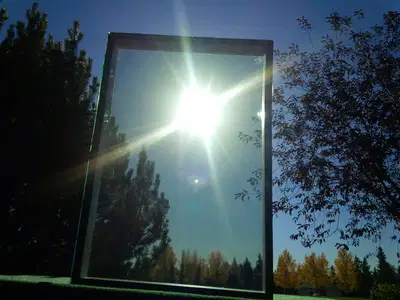
When energy passes through a material without doing anything to it, that is called
reflection
refraction
absorption
transmission
When wavelength increases...
energy decreases
energy increases
As wavelength decreases...
energy increases
energy decreases
What happens to the pressure as you move upward in the atmosphere?
It increases.
It decreases.
It stays the same.
What is air pressure again?
Why does air have pressure?
It is a bully.
It does?
It has mass.
Mrs. Mulrenan said so.
What is an important role of the Ozone Layer?
It protects the mesosphere from the Sun's harmful rays.
It protects the troposphere from the Sun's harmful rays.
It prevents floods, hurricanes, and other storms.
It prevents the thermosphere from becoming too warm.
Which layer of the atmosphere contains charged particles that interact with radio waves?
Exosphere
Stratosphere
Ionosphere
Mesosphere
As you go higher in the atmosphere (as your altitude increases), the air pressure _______________.
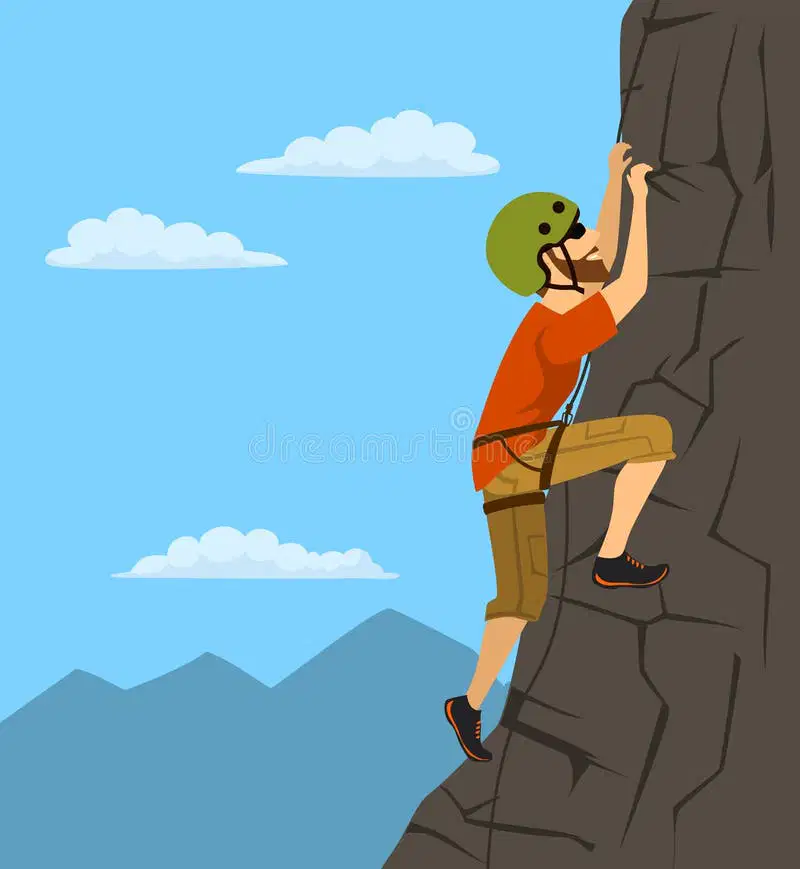
Why do people get out of breath when they climb mountains?
They are afraid of heights.
There is less oxygen the higher up you climb.
They breathe less the higher they climb.
They are allergic to the rock.

What is the atmosphere?
A new band from Portland.
The water of the Earth.
The gases that surround the Earth.
The rock of the Earth.

What causes wind to blow?
The force from Star Wars.
Density of the layers of the atmosphere.
Airplane propellers.
Uneven heating of the Earth's surface.

The rotation of the Earth causes winds to bend due to the...
coriolis effect
doldrums
trade winds
westerlies
What do you call winds that blow in the same direction over large areas of the Earth?

Identify the wind belt that brings us our weather in New York
NE Trade winds
SE Trade winds
Prevailing Westerlies
Polar Easterlies
What processes add water vapor to the atmosphere?
transpiration and runoff
evaporation and transpiration
evaporation and precipitation
condensation and exclamation
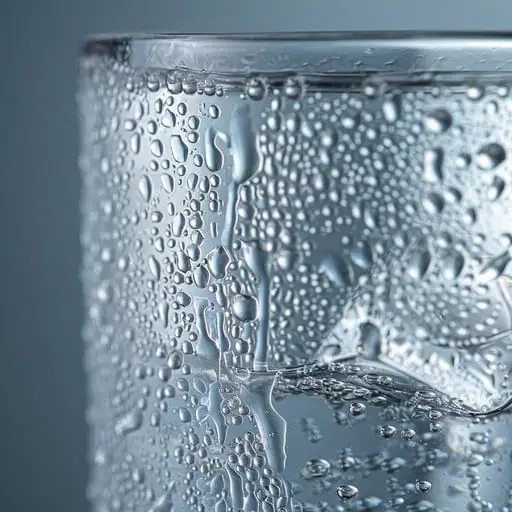
What is causing the drops to form on the outside of the glass?
The glass is crysing.
The water in the glass is escaping.
The cool air from the glass is causing the water vapor in the room to condense.
The air around the glass is warming up and seating.
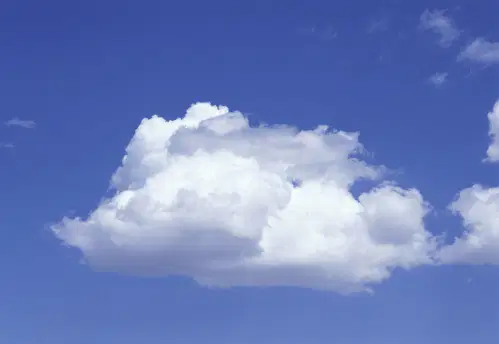
What two ingredients must exist to create a cloud?
cooled down air and particles
warm air and particles
cotton candy and skittles
glue and glitter
Why does warm air create more rain than cold air?
It rises faster, loses less energy, and less water vapor condenses.
It rises faster, loses more energy, and more water vapor condenses.
It rises slower, loses more energy, and less water vapor condenses.
It rises faster, loses more energy, and less water vapor condenses.

