
 Worksheets
Exam 3 Review!
Total questions: 43
Worksheet time: 32mins

While living in a research station in Antarctica during months of continuous darkness, a scientist keeps a regular schedule without clocks or external cues. After a few weeks, their sleep-wake cycle shifts later and later each day. What is the most likely explanation?
Loss of entrainment causes their SCN to express its natural free-running rhythm
Loss of entrainment causes their SCN to express its natural free-running rhythm
The homeostatic sleep drive no longer functions
The pineal gland becomes hypersensitive to dopamine
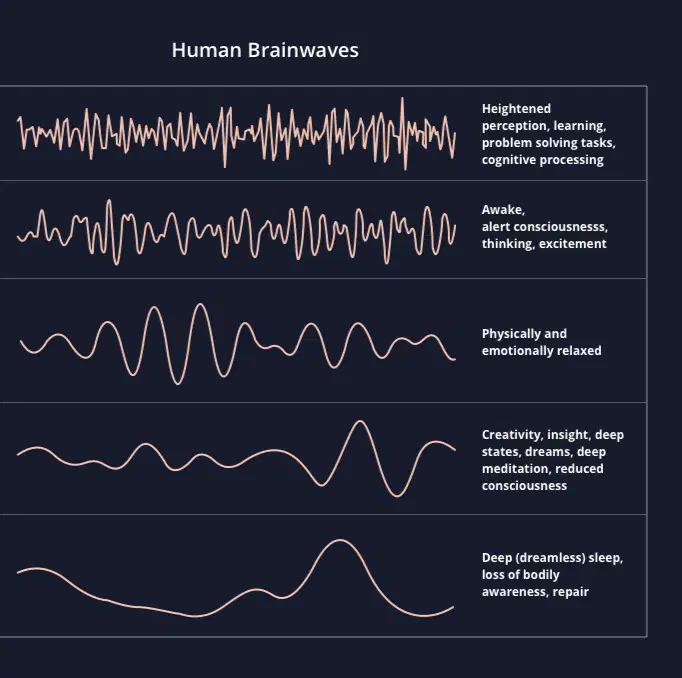
The deepest, most restorative stage of non-REM sleep is the most resistant to waking and is characterized on an EEG by the dominant presence of slow, high-amplitude brain waves. What are these specific brain waves called, and what type of sleep do they define?
Alpha waves, defining the state of quiet wakefulness.
Theta waves, defining the rapid eye movements of REM sleep.
Delta waves, defining Slow-Wave Sleep (SWS).
Gamma waves, defining high-focus, conscious thought.
K-Complexes, defining the moment the body paralyzes for REM.

A student flies from New York to Paris (6 hours ahead). For the first few days, they feel sleepy in the afternoon and wide awake late at night. What is the best explanation for their jet lag?
Their SCN is still entrained to the light-dark cycle of New York
Their melatonin production has permanently stopped
The homeostatic sleep drive resets instantly after a time-zone change
EEG signatures have inverted, with beta waves appearing during sleep and delta waves appearing during wakefulness.
Their REM sleep cannot occur in a new time zone

According to the James-Lange theory of emotion, your emotional experience arises from your bodily reactions. For example, you might feel fear because your heart is racing. Research also shows that changes in your bodily state can influence emotions (the bidirectional effect).
You feel scared first, and then your heart starts racing.
You notice your heart racing and shallow breathing while watching a horror movie, and this causes you to feel anxious.
You feel happy simply because you remember a pleasant memory, with no bodily response involved.
You are anxious because someone tells you a story, but your body does not change.

Classic experiments in the 1950s by Olds and Milner implanted electrodes in rats’ brains and found that animals would repeatedly press a lever to stimulate certain brain regions. Which of the following statements best reflects the significance of these findings for understanding the nucleus accumbens?
The nucleus accumbens was identified as a critical “pleasure center” because electrical stimulation there produced strong reinforcing effects, leading rats to work compulsively for stimulation.
The experiments showed that the nucleus accumbens is only involved in motor coordination, not in reward or pleasure.
The findings suggested that the nucleus accumbens generates conscious emotional experiences independently of other brain regions like the VTA or prefrontal cortex.
Olds and Milner demonstrated that stimulation of the nucleus accumbens decreases motivation for natural rewards like food and water.
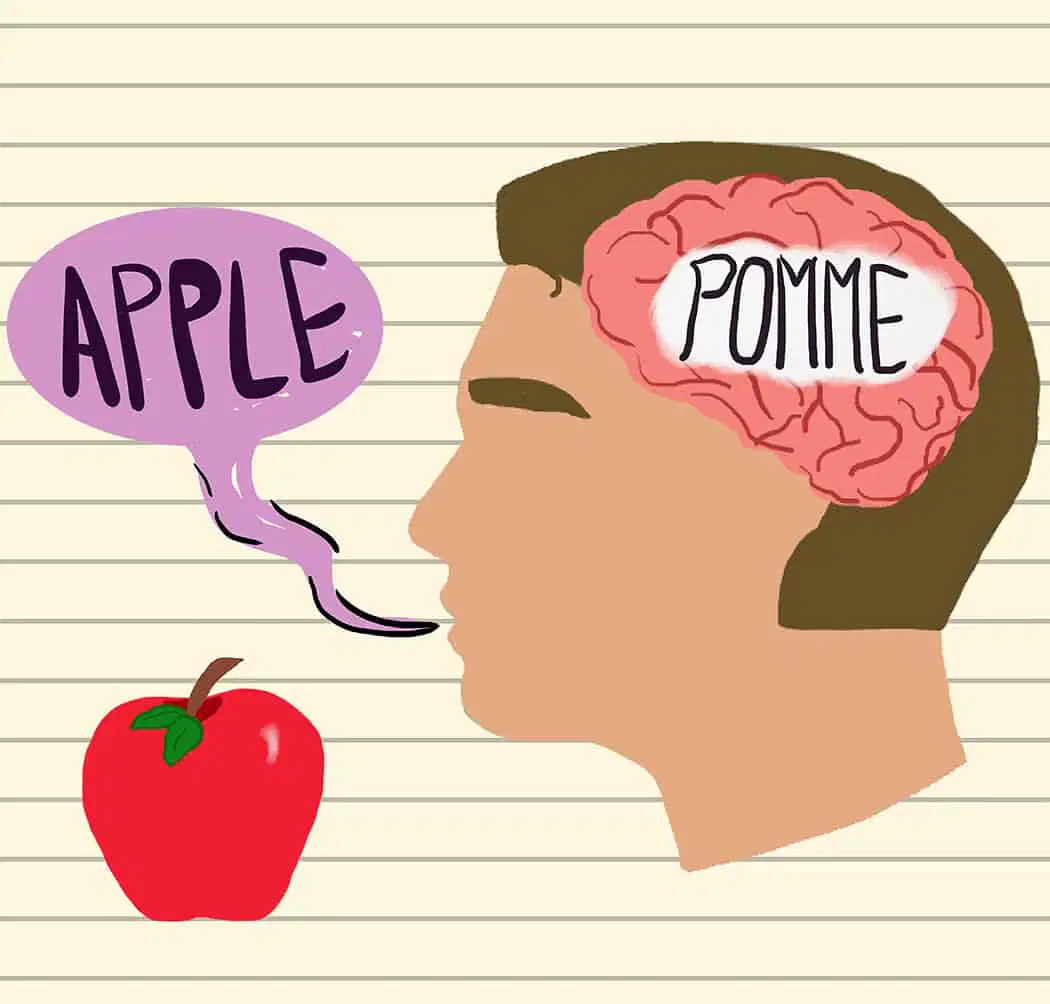
Transcranial magnetic stimulation (TMS) can temporarily disrupt activity in specific brain regions. Researchers studying bilingual individuals have found that bilingualism can enhance executive control and cognitive reserve, particularly in tasks involving the prefrontal cortex (PFC). Which of the following scenarios best illustrates the interplay between TMS, bilingualism, and cognitive reserve?
Applying TMS to the left PFC in a bilingual person permanently eliminates their ability to speak either language, proving that bilingualism does not influence cognitive reserve.
Applying TMS to the PFC in bilinguals temporarily slows their performance on a task requiring conflict resolution, but their performance rebounds more quickly than monolinguals, suggesting enhanced cognitive reserve.
TMS has no effect on the PFC in bilinguals because bilingualism makes the PFC completely immune to disruption.
Bilinguals perform worse than monolinguals on executive tasks after TMS because cognitive reserve is irrelevant to PFC function.
During experiments on synaptic plasticity, researchers deliver a tetanus to a neuron. Afterwards, the synapse shows LTP, meaning the postsynaptic neuron responds more strongly to subsequent signals. Which of the following statements is correct?
Tetanus weakens synaptic connections, preventing LTP.
LTP occurs because repeated stimulation during tetanus strengthens synapses, making future signals more effective.
LTP is unrelated to tetanus and only occurs spontaneously over time.
Tetanus causes neurons to stop firing temporarily, which indirectly triggers LTP.

After a car accident, a patient cannot form new memories about events occurring after the accident but can remember everything from their childhood and early adulthood. Another patient cannot recall events that happened in the years before a head injury but can learn new information normally. Which of the following statements best matches these patients’ conditions?
The first patient has retrograde amnesia, and the second patient has anterograde amnesia.
The first patient has anterograde amnesia, and the second patient has retrograde amnesia.
Both patients have retrograde amnesia because memory loss always affects old memories first.
Both patients have anterograde amnesia because memory loss always affects new memories first.

Research on London taxi drivers found differences in the hippocampus compared to non-taxi drivers. Which of the following statements is most accurate regarding these findings?
London taxi drivers are born with larger hippocampi, which is why they can memorize complex city layouts.
The hippocampus of taxi drivers increases in volume only after years of navigating London streets, suggesting experience-dependent plasticity.
Taxi drivers show larger hippocampi in both the anterior and posterior hippocampus equally.
The study proved that a larger hippocampus directly causes better memory for city layouts, independent of experience.
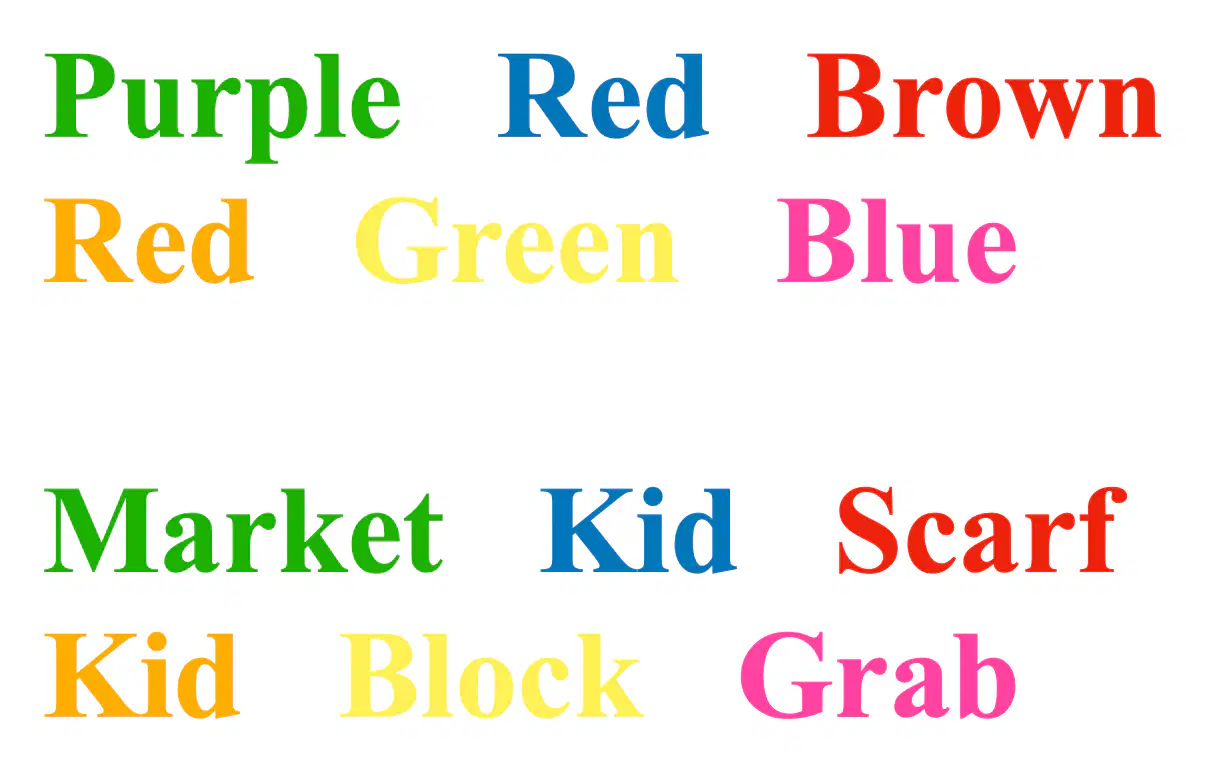
The Stroop task requires participants to name the ink color of a word while ignoring the word itself (e.g., the word “RED” printed in blue ink). Performance typically slows when the word and ink color conflict. Which of the following statements best explains why this task is particularly demanding for the prefrontal cortex?
The Stroop task measures simple reflexive responses, which are handled primarily by the occipital lobe, not the PFC.
The task requires the PFC to override automatic reading processes, demonstrating its role in cognitive control, selective attention, and inhibition.
The Stroop effect occurs because the PFC is responsible for color perception, and damage impairs vision.
The Stroop task does not involve the PFC; it only reflects activity in the motor cortex.
A perceptron is one of the simplest types of artificial neural networks. Which of the following statements best describes what a perceptron does?
A perceptron is a single-layer network that sums weighted inputs and passes them through an activation function to produce a binary output.
A perceptron is a multi-layer network capable of perfectly modeling any non-linear function without limitations.
A perceptron stores long-term memories like the human hippocampus.
A perceptron generates random outputs until it is told the correct answer.
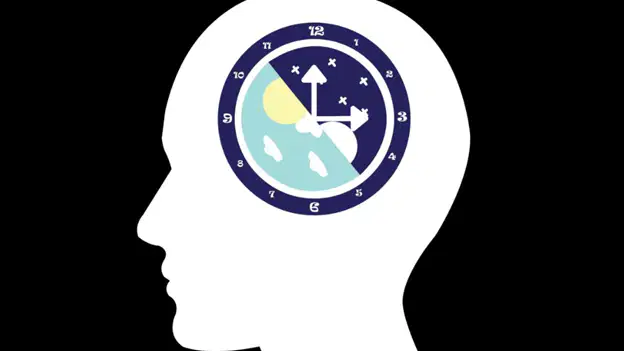
When humans live without external time cues (like light or social schedules), they often exhibit a free-running circadian rhythm that is slightly longer than 24 hours. Which of the following best explains why this occurs?
The suprachiasmatic nucleus (SCN) loses all rhythmic activity in the absence of light, so the body randomly chooses a new cycle each day.
Humans naturally have an intrinsic circadian period slightly longer than 24 hours, and without external cues (zeitgebers) like light, the rhythm “free-runs” according to this intrinsic period.
Melatonin secretion is permanently blocked in free-running conditions, causing the cycle to lengthen indefinitely.
Free-running rhythms occur only in nocturnal animals, not humans.
Recent research suggests that language processing involves a distributed network rather than just Broca’s and Wernicke’s areas. Which of the following statements best captures this modern view?
Language function is strictly localized: Broca’s area handles all speech production, and Wernicke’s area handles all comprehension.
Broca’s and Wernicke’s areas are part of a broader left-hemisphere language network, including regions in the frontal, temporal, and parietal lobes, which interact dynamically depending on the task.
The language network includes only subcortical structures; cortical areas like Broca’s and Wernicke’s are irrelevant.
Modern research has shown that Broca’s and Wernicke’s areas are right-hemisphere structures, and the left hemisphere is unimportant for language.

Specialized retinal ganglion cells containing melanopsin are particularly sensitive to blue light (~480 nm) and play a key role in circadian regulation. Which of the following statements best describes their function?
Melanopsin-containing ganglion cells detect blue light and directly regulate visual perception in the primary visual cortex, without influencing circadian rhythms.
These cells detect ambient blue light and project to the suprachiasmatic nucleus (SCN), modulating melatonin secretion by the pineal gland and synchronizing circadian rhythms.
Melanopsin is expressed in rods and cones and mediates high-acuity color vision under bright light conditions.
Blue-light activation of melanopsin-containing cells suppresses SCN activity, thereby delaying the circadian clock.
Which of the following scenarios best illustrates the overlap between multiple memory systems?
Maria remembers the steps to tie her shoes but cannot recall the day she first learned to tie them
John can recall the capital of France and also vividly remembers studying for the geography test in high school
Lily unconsciously improves at playing piano but cannot consciously describe the rules of music theory
Alex remembers riding a bikeand the exact day he got his first bike, but cannot name the type of bike
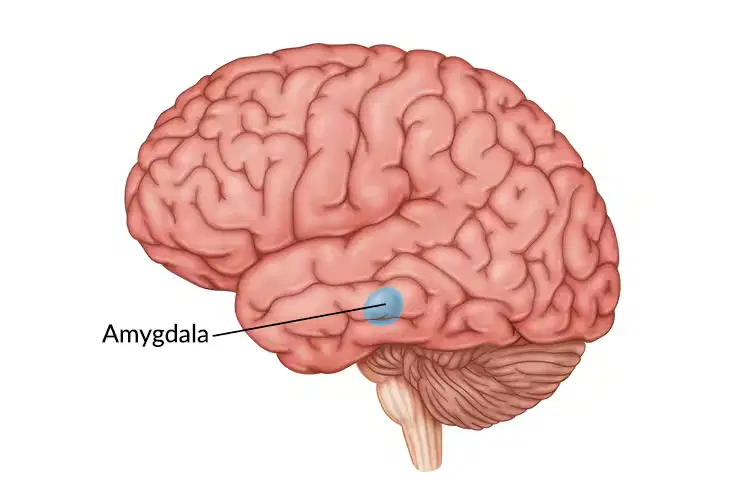
The amygdala is critically involved in emotional processing and memory. Which of the following statements most accurately describes its role?
The amygdala stores long-term declarative memories independently of the hippocampus, particularly for neutral events.
The amygdala modulates memory consolidation for emotionally salient events by influencing hippocampal activity, enhancing the likelihood of long-term retention.
The amygdala is only active during the conscious experience of fear and does not influence memory.
Damage to the amygdala selectively impairs the ability to recognize happy facial expressions while leaving fear recognition intact.
During a stressful event, both the sympathetic nervous system (SNS) and the hypothalamic–pituitary–adrenal (HPA) axis are activated, but they operate on different timescales and affect different physiological processes. Which of the following statements best captures the key distinctions between these two systems?
The SNS releases cortisol immediately, causing long-term metabolic changes, while the HPA axis triggers epinephrine release for rapid “fight-or-flight” responses.
The SNS produces rapid responses via catecholamines (epinephrine and norepinephrine) to increase heart rate, blood pressure, and blood flow to muscles, whereas the HPA axis releases cortisol more slowly, modulating longer-term energy mobilization, immune function, and stress adaptation.
Both the SNS and HPA axis act exclusively through the adrenal medulla, with no differences in timing or targets.
The HPA axis provides instantaneous sympathetic activation for acute stress, while the SNS controls slower genomic effects on metabolism and immune function.
Activation of the SNS inhibits the HPA axis entirely, preventing cortisol release during stress.
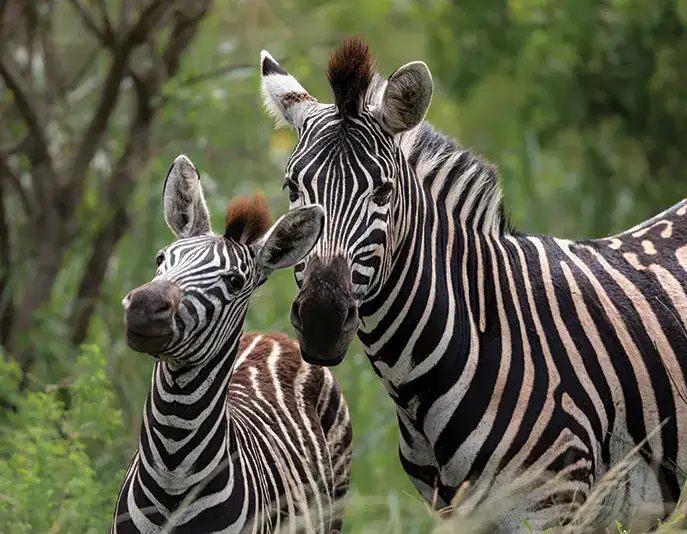
In class, we discussed Sapolsky's Why Zebras Don't Get Ulcers. From a neuroscience perspective, what is the key difference between the stress response of a wild animal (like a zebra) and a modern human?
Zebras have a stronger HPA axis that can handle more cortisol.
The human SAM system is over-active and attacks the stomach lining.
Zebras experience acute physical stress that turns off quickly, while humans experience chronic psychological stress that keeps the system running constantly.
Humans lack the orexin hormone needed to shut down the stress response.
The zebra's diet includes plants that naturally prevent ulcers.

Based solely on the visual information in the image, which of the following concepts is most directly illustrated?
Lateral inhibition, in which neurons suppress neighboring activity to sharpen category boundaries.
Hebbian learning, in which neurons that fire together strengthen their synaptic connections to reinforce associations.
Long-term depression, in which repeated activation weakens synaptic connections.
Top-down modulation, in which higher cortical areas impose categorical distinctions on sensory input.
Suddenly you see a cockroach in the corner of your classroom and it diverts your attention away from your instructor who is trying to teach you about attention. This is a clear example of:
Top-down attentional control.
Bottom-up attentional capture.
Inattentional blindness.
Change blindness.
A failure of executive function.

Phineas Gage's severe change in personality, judgment, and social behavior was caused by the destruction of only a small percentage of his total brain volume, concentrated in the orbitofrontal and ventromedial prefrontal cortices. What high-level neurological principle does Gage's case most powerfully illustrate?
That memory is distributed throughout the entire brain, which is why he maintained his intelligence.
That complex human behaviors like emotion regulation and moral decision-making are critically dependent on the integrity of specific, highly specialized frontal lobe regions.
That the brain can recover completely from any injury, as long as the temporal and parietal lobes are spared.
That the primary function of the prefrontal cortex is motor control, which he was able to compensate for after a few months.
A student is given the numbers "5, 2, 8, 4" and asked to repeat them backwards. This task specifically tests:
Long-term episodic memory
Short-term sensory memory
Procedural memory
Working memory
Semantic memory
Hebb's famous rule, "neurons that fire together, wire together," is a biological theory of:
How the HPA axis is activated by the amygdala.
How sleep spindles are generated in the thalamus.
How circadian rhythms are entrained by light.
How synaptic connections are strengthened by experience (plasticity).
How action potentials are fired in an all-or-none fashion.
A key similarity between the brain and artificial neural networks is that both:
Use distributed processing, where many units work together simultaneously.
Learn by backpropagating errors exactly like the brain does.
Are composed of biological neurons and neurotransmitters.
Rely on a single “master neuron” to control all computation.
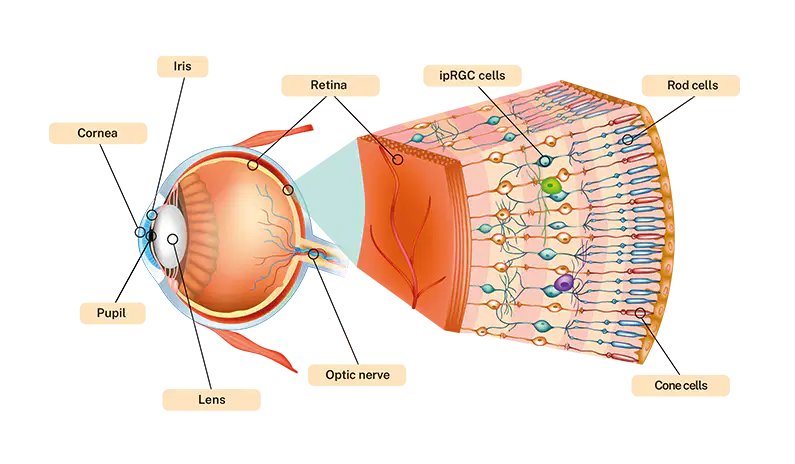
Light is the most powerful Zeitgeber (time-giver) for the human clock. Through which specific neural pathway does it trigger entrainment of the suprachiasmatic nucleus (SCN)?
Rods and cones send detailed images to the visual cortex, which then “decides” it is daytime and notifies the hypothalamus.
Special ganglion cells known as intrinsically photosensitive retinal ganglion cells (ipRGCs) containing melanopsin detect blue light and send signals directly to the SCN.
Light passes through the skull to the pineal gland, physically heating it up to stop melatonin production.
Sunlight triggers Vitamin D production in the skin, which travels through the blood to the SCN.
The optic nerve splits, sending “daytime” signals to the thalamus, which relays them to the clock.
Which statement best describes the “soft” version of the Whorfian hypothesis (linguistic relativity)?
Language determines thought; if you don’t have a word for a concept, you cannot perceive it.
Language influences thought; having different words for “blue” may make you faster at distinguishing shades of blue.
All languages are fundamentally the same, and thought is universal regardless of language.
Language is only used for communication and has no connection to internal thought.
Learning a new language physically changes your visual cortex.
Philosophers use the term qualia to refer to the subjective, first-person aspects of experience, such as “what it is like” to see red or taste chocolate. Which of the following statements best captures the philosophical challenge posed by qualia?
Qualia can be fully explained by describing neural firing patterns in the brain; there is nothing inherently subjective about them.
Qualia highlight a potential explanatory gap between physical processes in the brain and the subjective experience of consciousness.
Qualia are observable by others through careful behavioral experiments and brain imaging.
Qualia refer only to memory-based experiences and are irrelevant to current perception.
The facial feedback hypothesis would suggest that if you force a "frown" (e.g., by holding a pen with just your lips) while watching a funny cartoon, you will:
Have no change in your emotional experience.
Find the cartoon less funny than you normally would.
Find the cartoon more funny than you normally would.
Feel stressed as your HPA axis is activated.
Only feel an effect if you are also sleep-deprived.
The facial feedback hypothesis proposes that facial expressions can influence emotional experience. Which of the following statements best captures this concept?
Facial expressions are solely the result of emotional experience and cannot influence how emotions are felt.
Proprioceptive feedback from facial muscles to the brain can modulate the intensity of emotional experience.
Emotional experience is completely independent of bodily states, including facial expressions.
Facial expressions only communicate emotion to others and have no effect on the person’s own feelings.
Emotions are generated entirely by higher cortical areas, making feedback from facial muscles irrelevant.

Phineas Gage survived a traumatic accident in which a tamping iron penetrated his left frontal lobe. Post-accident reports indicated profound changes in personality, decision-making, and social behavior. Which of the following statements best captures the significance of Gage’s case for modern neuroscience?
Gage’s accident demonstrated that the frontal lobes are exclusively responsible for motor control, with no role in emotion or social behavior.
The case provided early evidence that the ventromedial prefrontal cortex contributes to emotional regulation, social judgment, and goal-directed behavior, highlighting the link between brain structure and personality.
Gage’s cognitive deficits were entirely due to damage to the hippocampus, explaining his memory loss and inability to learn new tasks.
The accident showed that brain damage always leads to global cognitive impairment, with all higher-order functions equally disrupted.
Which statement best defines long-term potentiation (LTP) and its role in learning?
A short-term (milliseconds) electrical echo that is not involved in long-term memory.
A long-lasting increase in synaptic strength (efficacy) that is widely believed to be a cellular basis for long-term memory.
A long-lasting decrease in synaptic strength that is primarily responsible for forgetting old memories.
The process of an action potential itself getting stronger (more voltage) as it travels down an axon.
The brain's ability to grow entirely new neurons (neurogenesis), which is the only way new memories are formed.
Patients who have undergone corpus callosotomy (“split-brain” surgery) often reveal surprising dissociations in perception and action between the left and right hemispheres. Which of the following statements most accurately reflects these findings and the concept of hemispheric lateralization?
After a complete callosotomy, information presented to the right visual field can be verbally reported, but information presented to the left visual field often cannot, illustrating left-hemisphere dominance for language.
The right hemisphere is always incapable of processing language, so split-brain patients lose all comprehension of words presented to the left visual field.
Split-brain patients demonstrate that each hemisphere functions entirely independently, with no ability to communicate even through subtle behavioral cues.
Lateralization of function is absolute; the left hemisphere controls all cognitive functions, while the right hemisphere only controls spatial processing.
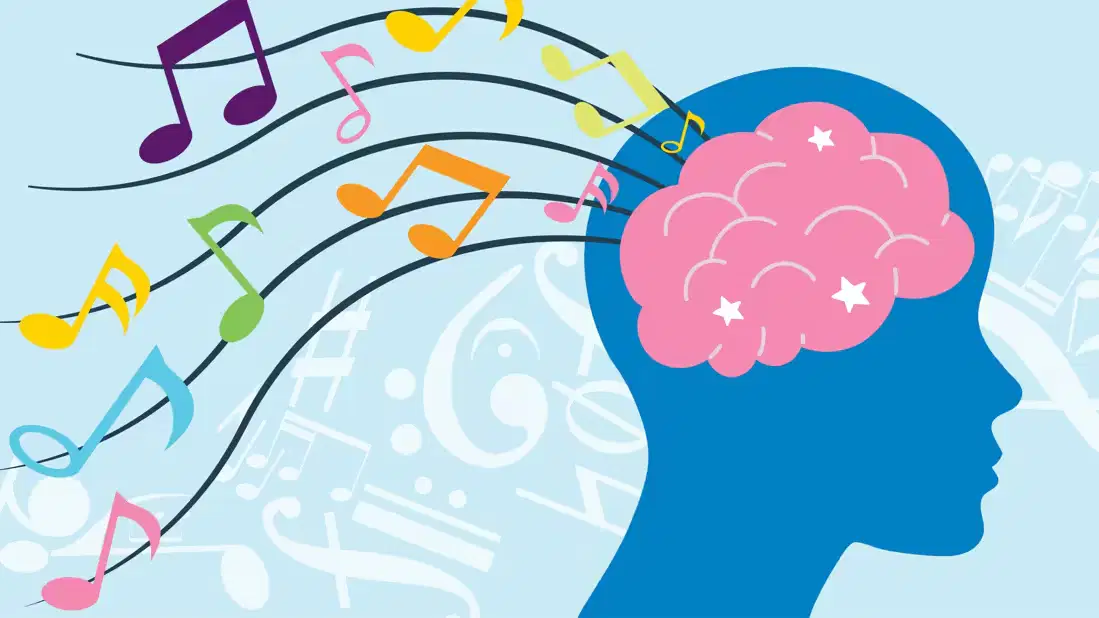
Stroke patients with damage to Broca’s area often exhibit severe speech deficits but can sometimes sing familiar songs. This phenomenon is leveraged in melodic intonation therapy (MIT) for rehabilitation. Which of the following statements best explains why singing can bypass damaged speech networks?
Singing recruits right-hemisphere homologues of language areas, as well as subcortical motor and auditory circuits, allowing melodic and rhythmic patterns to facilitate verbal output even when left-hemisphere speech areas are damaged.
Singing depends entirely on the preserved portions of Broca’s area, which remain functional despite stroke damage.
The improvement in speech through MIT occurs because music exposure alone strengthens the basal ganglia, which is sufficient for language production.
Singing and speech use completely identical neural circuits, so the observed singing ability is unrelated to therapy or right-hemisphere involvement.
A neurosurgeon is preparing to remove a tumor pressing on the optic chiasm. She proceeds with extreme caution because sitting directly on top of this crossing is the brain's "Master Clock." If she accidentally damages this specific nucleus, the patient will permanently lose their 24-hour sleep/wake rhythm. What is this structure?
Pineal gland
Suprachiasmatic nucleus (SCN)
Lateral geniculate nucleus (LGN)
Arcuate fasciculus
Hippocampus
You can type an essay quickly without looking at your hands ("muscle memory"). However, if someone asks you to verbally describe exactly which key is to the left of the "L" key, you struggle to give an answer. Why does this dissociation happen?
Typing relies on non-declarative (procedural) memory, while describing requires declarative (explicit) access.
Typing utilizes episodic memory (remembering the event of typing), while describing requires Semantic memory (facts about keys).
The motor skill is stored in the hippocampus, while the visual map is stored in the cerebellum.
The motor skill has been fully consolidated, but the visual map has suffered from memory decay.
This is an example of proactive interference, where the physical skill blocks the verbal recall.
Sleep serves several important functions for the brain and body. Which of the following best describes these functions?
Sleep only allows the body to rest and conserve energy, with no impact on learning or memory.
Sleep helps consolidate memories, supports learning, clears metabolic waste from the brain, and restores physical energy.
Sleep is primarily for dreaming and has little effect on cognitive or physical restoration.
Sleep serves only to regulate mood and has no role in memory or learning.
What is the main characteristic of REM sleep?
The body is almost completely paralyzed.
The sleeper is most responsive to external stimuli.
It is the deepest stage of sleep.
Heart rate and breathing slow down significantly.

Unlike wild animals, some domesticated dogs and cats develop ulcers when left alone for long periods. Which of the following best explains this phenomenon?
Domesticated animals have weaker stomach linings than wild animals, making them naturally prone to ulcers.
Separation from their human caregivers can cause chronic psychological stress, leading to prolonged activation of the stress response and increased risk of ulcers.
Domesticated animals get ulcers because they do not experience the “fight or flight” response.
Ulcers in domesticated pets occur randomly and are unrelated to stress or anxiety.
True or False:
Attentional blindness occurs because people are incapable of seeing unexpected objects in their visual field, even if their eyes are directly looking at them.
True
False
Damage to different brain regions can produce distinct language deficits. Which of the following statements is most accurate regarding Broca’s and Wernicke’s areas?
Broca’s area is located in the posterior temporal lobe of the right hemisphere, and damage causes fluent but nonsensical speech.
Wernicke’s area is located in the posterior frontal lobe of the left hemisphere, and damage causes difficulty producing speech.
Broca’s area is located in the posterior part of the left frontal lobe, and damage leads to difficulty producing speech. Wernicke’s area is located in the posterior part of the left temporal lobe, and damage leads to difficulty understanding language.
Both Broca’s and Wernicke’s areas are located in the right hemisphere, and damage to either results in the same type of language impairment.
Which of the following scenarios best illustrates the correct pairing of memory type and subtype?
Sarah can ride her bike without consciously thinking about it → semantic memory (explicit memory)
John remembers the day he got his first dog → episodic memory (explicit memory)
Maria can recall the capital of France on a quiz → procedural memory (implicit memory)
Alex unconsciously improves at playing a piano piece through practice → semantic memory (explicit memory)
Which of the following scenarios best illustrates procedural memory rather than another type of memory?
Emma can explain step-by-step how to solve a Rubik’s cube after watching a tutorial once.
David unconsciously types on a keyboard quickly and accurately without thinking about key locations.
Lily vividly remembers her 10th birthday party.
Tom recalls the capital of Italy for a geography quiz.
Patients with Broca’s aphasia and Wernicke’s aphasia exhibit different language deficits. Which of the following statements best captures the difference in symptom awareness between these two types of aphasia?
Patients with Broca’s aphasia typically produce fluent but nonsensical speech and are usually unaware of their deficits, while patients with Wernicke’s aphasia speak haltingly but are acutely aware of their difficulties.
Patients with Wernicke’s aphasia typically produce fluent but nonsensical speech and are usually unaware of their deficits, while patients with Broca’s aphasia speak haltingly but are aware of their language difficulties.
Both Broca’s and Wernicke’s aphasia patients are completely unaware of their deficits.
Both Broca’s and Wernicke’s aphasia patients are fully aware of their deficits and can self-correct immediately.

