
 Worksheets
History of BRM and ERM
Total questions: 51
Worksheet time: 26mins
According to the passage, what aviation event triggered the development of bridge team management (BTM) training?
The 1977 Tenerife airport disaster
The 1980 Mount Erebus disaster
The 2001 Twin Towers attack
The 1996 Charkhi Dadri mid-air collision
The 1977 Tenerife airport disaster involved two ______ colliding on the runway, resulting in the highest number of fatalities in aviation history.
Boeing 747s
Airbus A320s
Concordes
Boeing 737s
What were the contributing factors to the Tenerife disaster mentioned in the passage?
Communication misunderstandings and lack of monitoring and challenging errors
Engine failure and poor weather
Sabotage and terrorism
Pilot intoxication and mechanical failure
What was created in the aviation industry to address human error after the Tenerife disaster?
Cockpit Resource Management (CRM), now known as Crew Resource Management
Automated Flight Control Systems
Black Box Voice Recorders
Advanced Weather Radar Systems
On March 27, 1977, a collision between two 747s at the Los Rodeos Airport in ______ killed 583 people.
Tenerife
Heathrow
JFK
Narita
What were the contributing factors to the 1977 Los Rodeos Airport disaster?
Poor aircraft maintenance
Combination of fog, stress, and critical errors in communication and crew interaction
Engine failure
Bird strike
What was the response to the 1977 Los Rodeos Airport disaster?
Increased airport security
Research into human factors in aviation, leading NASA to sponsor a 1979 workshop
Ban on 747 aircraft
Improved runway lighting
What was the main focus of CRM training developed from the workshop?
Improving technical skills
Improving communication, leadership, and decision-making among flight crews
Increasing flight hours
Reducing fuel consumption
Anticipating potential issues before they develop is a key aspect of situational awareness.
True
False
Situational awareness means avoiding 'tunnel vision' and always keeping the ________ in mind.
big picture
details
rules
schedule
According to STCW regulations, what should be maintained to manage workload?
Rest hours.
Work reports.
Cargo manifests.
Engine logbooks.
Which of the following helps manage workload efficiently?
Ignoring checklists
Using checklists and maintenance plans
Skipping rest hours
Prioritizing only urgent tasks

Which of the following is a benefit of effective communication?
Builds Trust and Credibility
Decreases Team Productivity
Reduces Innovation
Increases Conflict
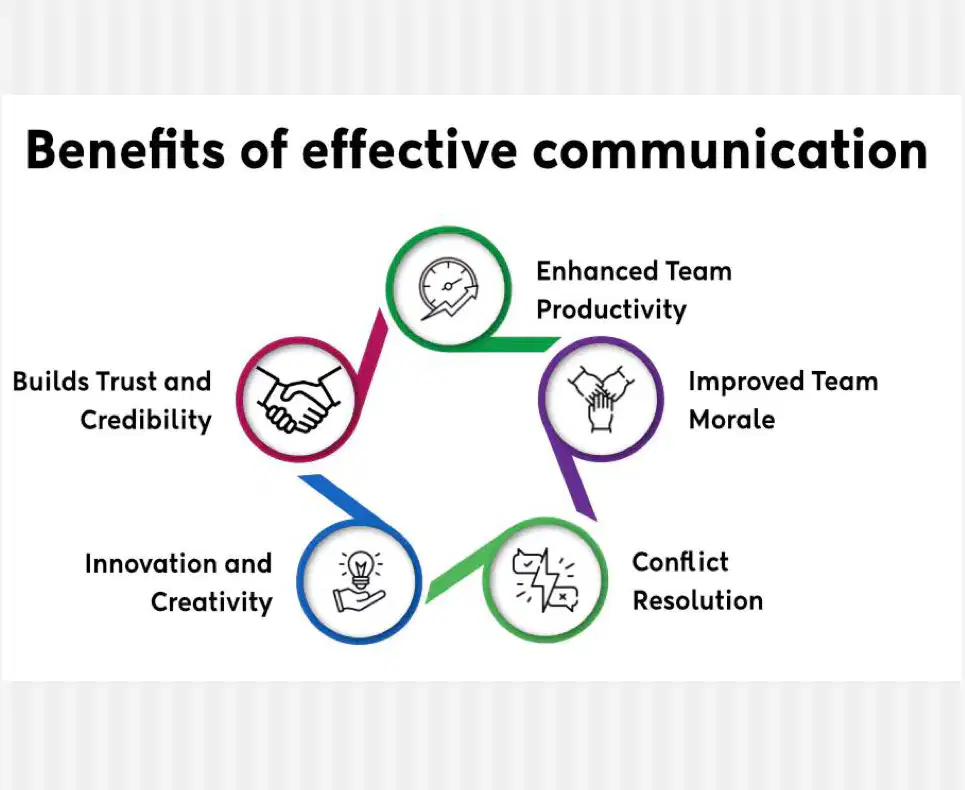
Which of the following is a benefit of effective communication?
Innovation and Creativity
Reduced Team Morale
Increased Misunderstandings
Decreased Trust
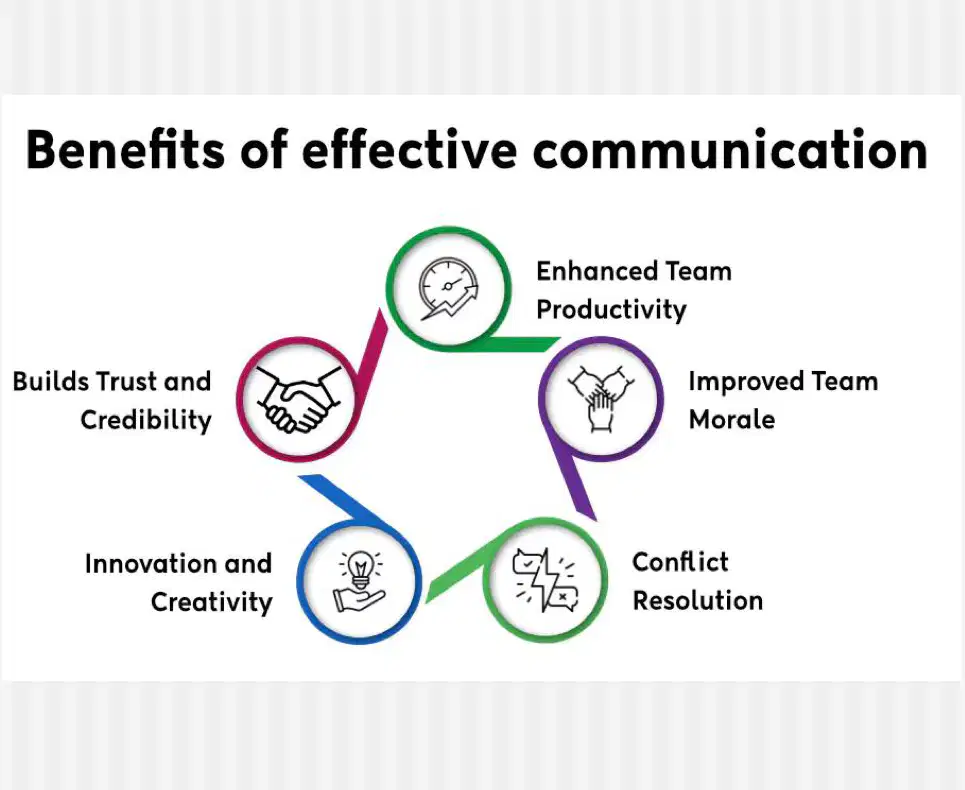
Which of the following is a benefit of effective communication?
Enhanced Team Productivity
Increased Team Conflicts
Reduced Creativity
Lower Credibility
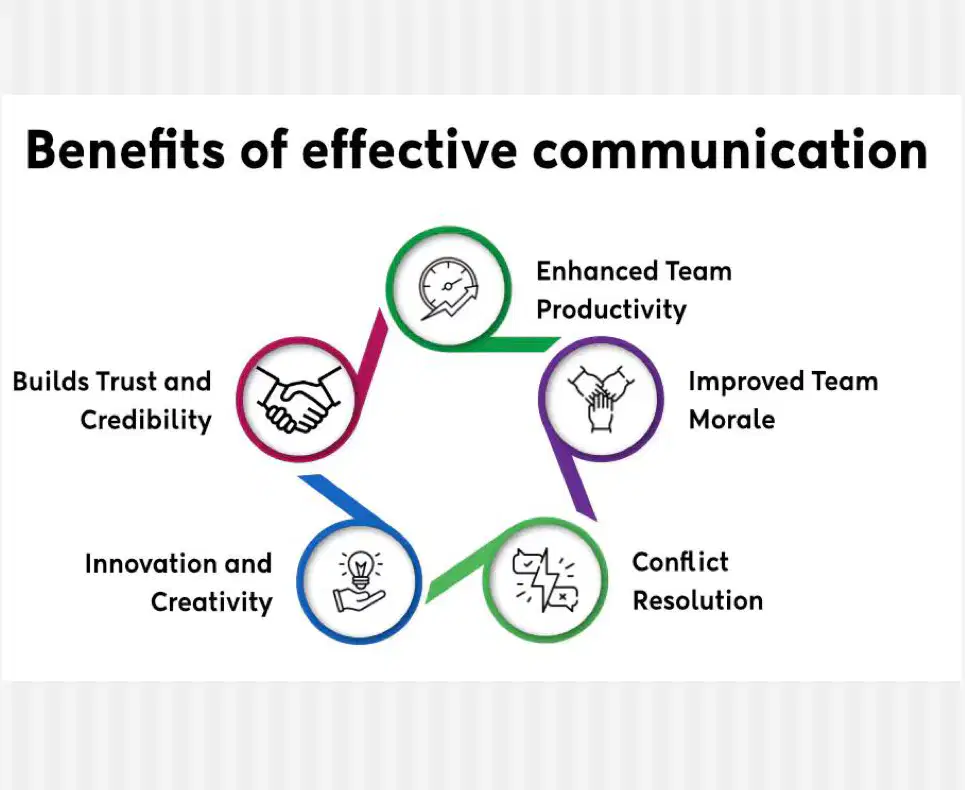
Which of the following is a benefit of effective communication?
Improved Team Morale
Decreased Team Morale
Increased Distrust
Reduced Productivity
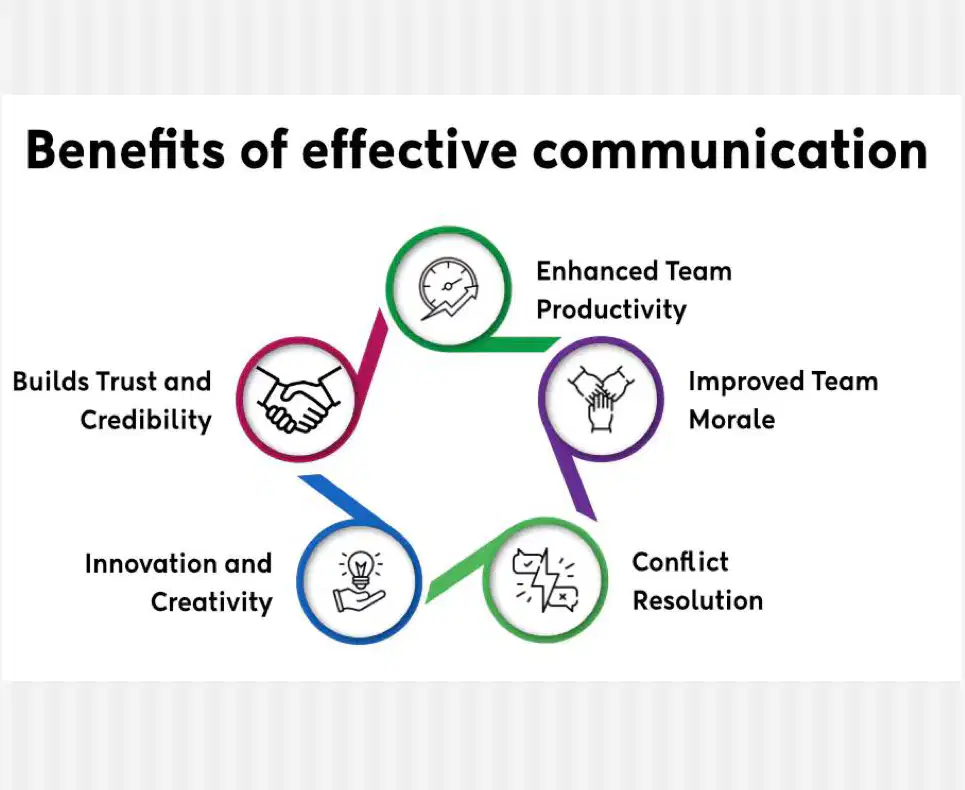
Which of the following is a benefit of effective communication?
Conflict Resolution
Increased Conflict
Lower Team Morale
Reduced Innovation
Effective communication involves a clear, concise, and confirmed exchange of ______ among team members.
information
opinions
instructions
emotions
Which of the following is recommended for effective communication?
Using informal language
Using standard marine communication phrases when possible
Avoiding communication
Ignoring feedback
Encouraging ______ and clarifying orders or reports is a part of effective communication.
open feedback
silence
conflict
misunderstanding
Effective communication helps prevent misunderstandings that could lead to operational errors.
True
False
CLOSED LOOP COMMUNICATION is:
A method where information is repeated back to confirm understanding.
A way of communicating without feedback.
A process of sending messages without any response.
A technique used only in written communication.
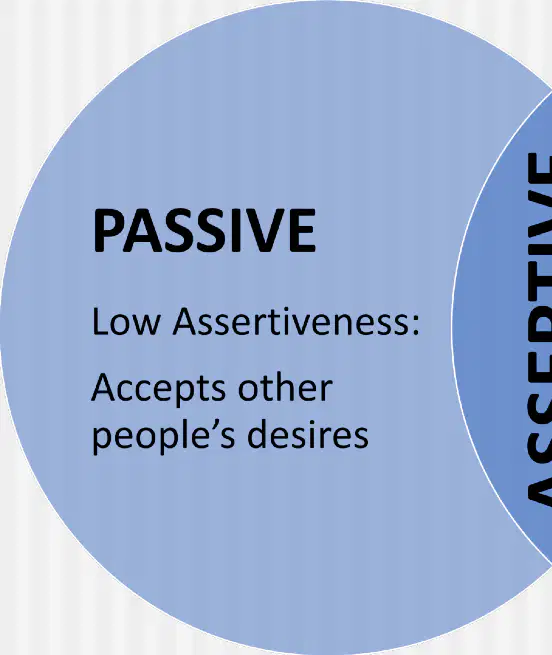
What type of behavior is described as 'Low Assertiveness: Accepts other people's desires'?
Passive
Aggressive
Assertive
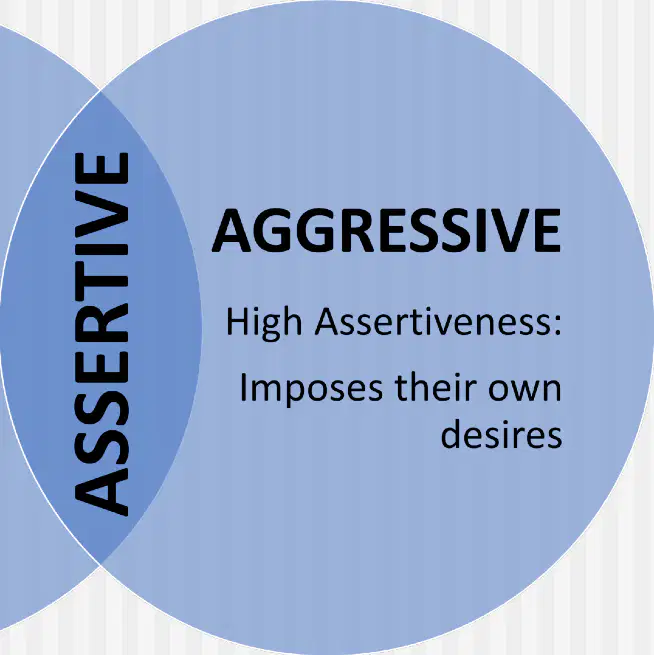
What type of behavior is described as 'High Assertiveness: Imposes their own desires'?
Passive
Aggressive
Assertive
________ behavior is characterized by accepting other people's desires and having low assertiveness.
Passive
Aggressive
Assertive
Manipulative
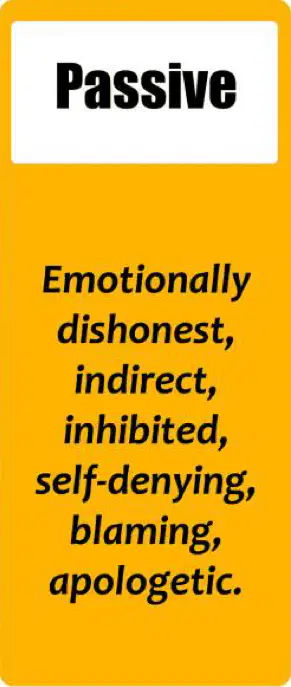
Which communication style is described as: 'Emotionally dishonest, indirect, inhibited, self-denying, blaming, apologetic.'?
Passive
Passive Aggressive
Aggressive
Assertive
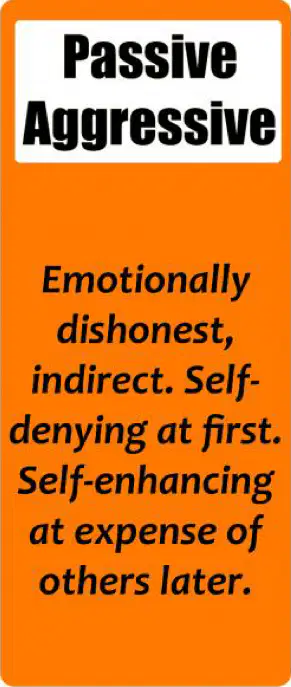
Which communication style is described as: 'Emotionally dishonest, indirect. Self-denying at first. Self-enhancing at expense of others later.'?
Passive
Passive Aggressive
Aggressive
Assertive
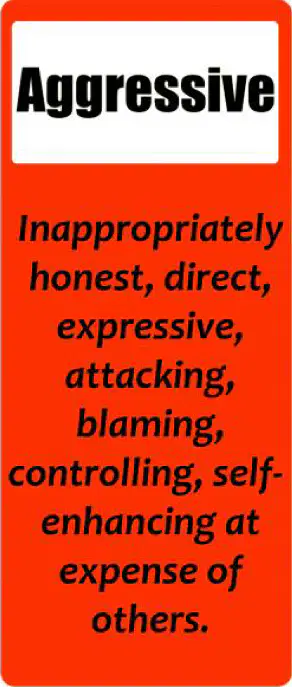
Which communication style is described as: 'Inappropriately honest, direct, expressive, attacking, blaming, controlling, self-enhancing at expense of others.'?
Passive
Passive Aggressive
Aggressive
Assertive
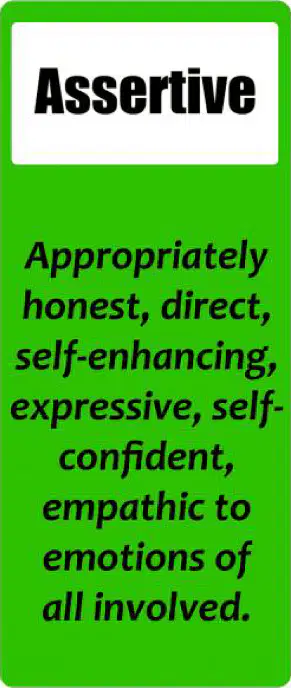
Which communication style is described as: 'Appropriately honest, direct, self-enhancing, expressive, self-confident, empathic to emotions of all involved.'?
Passive
Passive Aggressive
Aggressive
Assertive
Which of the following is a factor in the consideration of team experience?
Experience in the said rank
Experience in the said city
Experience in the said department
Experience in the said company
Which of the following is important for team experience on a vessel?
Experience on the vessel
Experience in the office
Experience in the classroom
Experience in the laboratory
Experience in a _______ scenario is a consideration of team experience.
similar
random
unrelated
fictional
Which type of experience is also considered in team experience?
Life experiences
Work experiences only
Academic experiences only
No experiences
Proper ________ of tasks helps to avoid fatigue and stress.
distribution
completion
neglect
delay
Which of the following is important for prioritizing work?
Based on urgency and importance
Based on personal preference
Based on random selection
Based on availability
Maintaining rest hours as per ________ regulations is important for allocation and assignment.
STCW
SOLAS
MARPOL
ISM
Which tool can be used to manage workload efficiently?
Checklists and maintenance plans
Guesswork
Ignoring tasks
Delaying assignments
To build a strong team you must see someone else's strength as a _______ to your weakness, not a threat to your position or authority.
complement
challenge
obstacle
disadvantage
LEADERSHIP: One does not need a _______ to lead others.
title
uniform
degree
permission
Leadership ensures _______, motivation, and discipline among the engineering team.
direction
confusion
delay
indifference
Good leaders _______ tasks based on skill and workload.
delegate
ignore
hoard
avoid
Decision-making involves assessing options, _______, and consequences before acting.
risks
colors
numbers
seasons
Encouraging involvement of the team in problem-solving is a part of good leadership.
True
False
Which of the following is also known as the Authoritarian Leader?
Democratic
Laissez-faire
Autocratic
Participative
Which leadership style is also called the Participative Leader?
Autocratic
Democratic
Laissez-faire
Delegative
The ________ or Delegative Leader is one of the 3 main types of leadership styles.
Laissez-faire
Autocratic
Transformational
Transactional

An Autocratic or Authoritarian Leader is given the power to make decisions alone, having total _______.
authority
responsibility
popularity
independence

An Autocratic or Authoritarian Leader closely supervises and controls people when they perform certain _______.
tasks
games
meals
holidays
Which leadership style involves leaders knowing what needs to be done and telling others how and when to do it without seeking input from others?
Democratic
Autocratic or Authoritarian
Laissez-faire
Transformational
The autocratic or authoritarian style should be used when you have all the information to solve the problem, you are short on time, and your employees are well motivated.
True
False
The autocratic or authoritarian style is about yelling at people or bossing others around.
True
False

