
 Worksheets
mitosis overview (part of last materials)
Total questions: 58
Worksheet time: 30mins
Which statement best defines cell division in the context of life's continuity?
Process creating new cells by splitting one
Mechanism degrading cells during aging processes
Pathway for cells to fuse into larger structures
Signal cascade turning genes on during stress
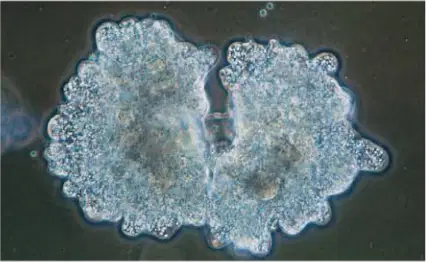
In unicellular organisms, what is the direct outcome of one cell dividing?
Formation of a new organism identical to parent
Creation of specialized tissues for movement
Increase in cell size without genetic change
Temporary dormancy to survive harsh conditions
Which role of cell division primarily explains how embryos increase cell number and organize tissues?
Growth and development in multicellular organisms
Gene mutation for adaptive evolution
Energy storage through larger vacuoles
Transport of nutrients across membranes
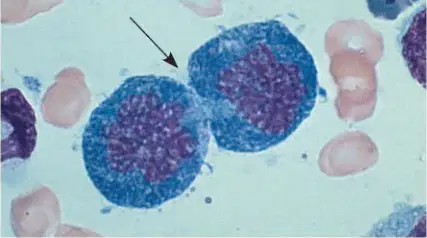
A cut heals over weeks as new cells replace damaged ones. Which role of cell division is most responsible?
Tissue repair through renewal of cells
Reproduction of entire organisms
Metabolic acceleration after injury
Apoptosis eliminating healthy cells
Compare unicellular and multicellular contexts: which pairing correctly matches cell division with its predominant outcome?
Unicellular—reproduction; multicellular—growth and repair
Unicellular—growth; multicellular—organism reproduction
Unicellular—mutation; multicellular—energy production
Unicellular—fusion; multicellular—tissue degeneration
Which term refers to all the DNA contained within a single cell?
Chromatin of the nucleus
Genome of the cell
Chromosomes set
Genetic codebook
In eukaryotic cells, what are DNA molecules packaged into?
Ribosomal units
Chromosome structures
Membrane vesicles
Cytoskeletal fibers
Somatic cells are best described as having which chromosome complement?
One complete set
Two complete sets
Three partial sets
Half a single set
Gametes such as sperm and eggs differ from somatic cells by having how many chromosomes?
Twice as many
Half as many
The same number
A variable number
Eukaryotic chromosomes consist of chromatin. What is chromatin composed of?
RNA and lipids
DNA and protein
Protein and metabolites
DNA and polysaccharides
A prokaryotic genome commonly consists of what structural arrangement?
Multiple linear molecules
A single DNA molecule
Several circular plasmids
Many protein complexes
During standard cell division producing daughter cells, what is true of the genetic information in the two daughter cells?
Mostly similar DNA
Identical genetic information
Reduced genome content
Random chromosome assortment
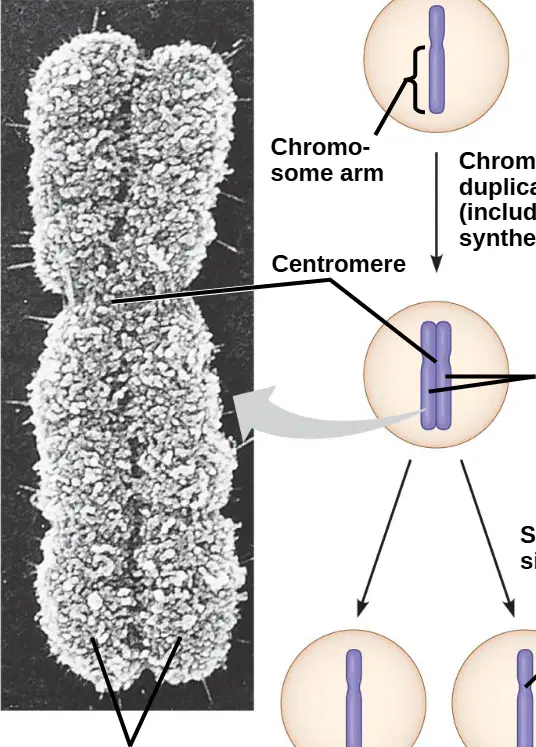
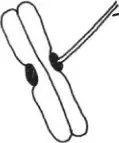
Which feature marks the site where sister chromatids are most closely attached on a duplicated chromosome in the diagram?
Telomere region at each end
Centromere as the narrow waist
Chromosome arm lateral segment
Nucleolus-associated domain
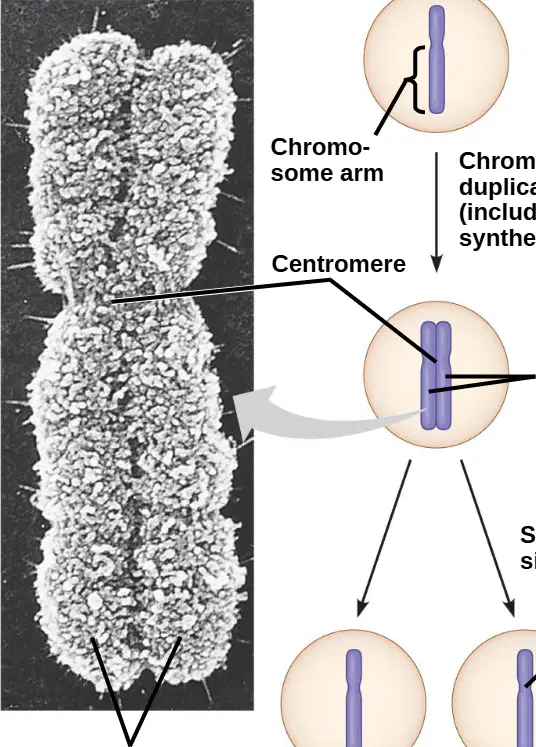
During preparation for cell division shown, which sequence best describes the order of events?
Chromatids separate, DNA condenses, chromosomes duplicate
DNA replicates, chromosomes condense, chromosomes duplicate
Chromosomes condense, chromatids separate, DNA replicates
DNA condenses, chromatids form, centromeres disappear
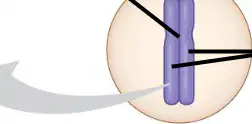
In the diagram, what exactly are sister chromatids?
Two homologous chromosomes paired
Two identical DNA molecules of one chromosome
Two nonidentical arms of different chromosomes
Two centromeres linked by protein
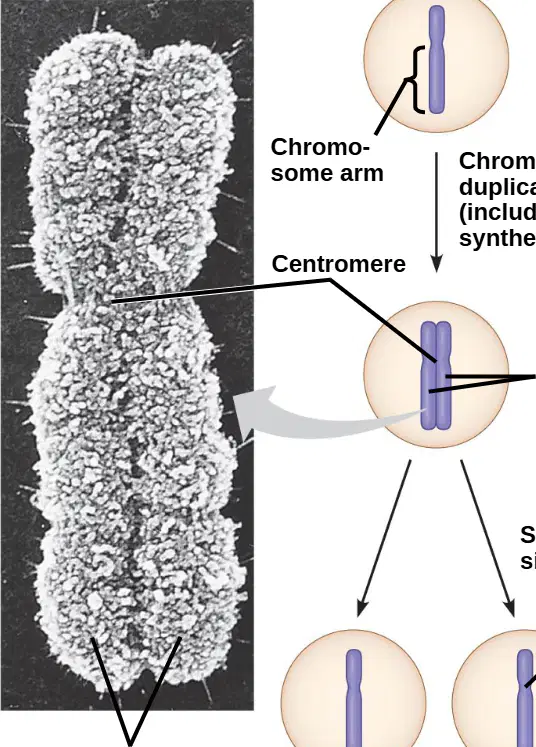
If the centromere fails to split during separation of sister chromatids, which outcome is most likely for the daughter cells?
Both receive complete and equal genomes
One gains extra, the other loses a chromatid
Each gets identical duplicated chromosomes
Neither cell completes cytokinesis properly
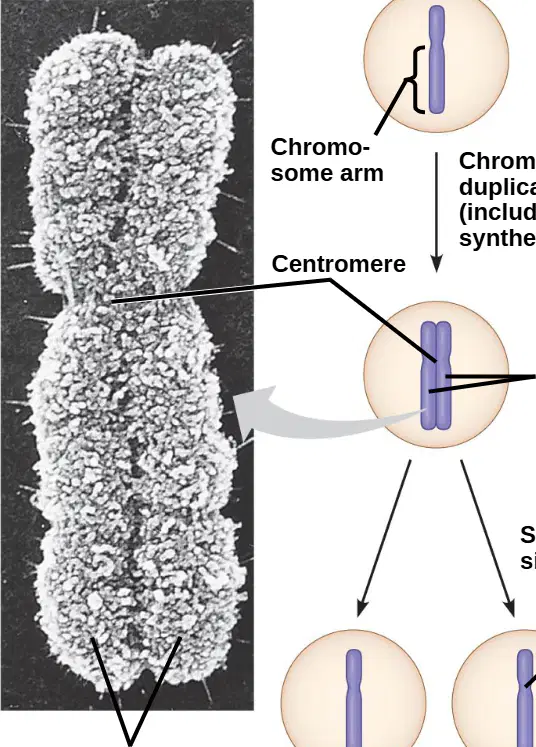
Which statement best explains why chromosome condensation is necessary before separation?
It prevents DNA replication from starting
It reduces tangling to enable accurate movement
It increases gene expression during mitosis
It creates new centromeres on each arm
Which statement best distinguishes mitosis from cytokinesis in eukaryotic cells?
Mitosis divides the nucleus, cytokinesis divides cytoplasm
Mitosis duplicates DNA, cytokinesis breaks chromosomes apart
Mitosis forms gametes, cytokinesis creates nuclear envelopes
Mitosis increases cell size, cytokinesis reduces organelles
A single eukaryotic cell splits into two daughter cells. What process regulates the timing and fidelity of this division?
Cell cycle regulation mechanisms
Chromatin condensation events
Microtubule polymerization rates
Ribosome assembly checkpoints
During eukaryotic cell division, when are sister chromatids separated, and what follows to complete partitioning?
Separated in mitosis, followed by cytokinesis
Separated in cytokinesis, followed by mitosis
Separated during cell cycle checkpoints, followed by meiosis
Separated during interphase, followed by DNA replication
If the cell cycle fails to control division and cells bypass checkpoints, which outcome is most consistent with this dysregulation?
Uncontrolled proliferation of daughter cells
Enhanced precision of chromosome segregation
Permanent arrest in cytokinesis only
Conversion of mitosis into meiotic division
Which statement best distinguishes Interphase from the Mitotic (M) phase?
Interphase includes G1, S, and G2 subphases
Interphase executes mitosis and cytokinesis
M phase performs DNA replication in S phase
M phase drives cell growth during all subphases
During which subphase are chromosomes duplicated?
G1 phase, the first gap period
S phase, the synthesis period
G2 phase, the second gap period
M phase, the mitosis period
A cell increases in size and produces organelles across Interphase. What additional event must occur before mitosis to ensure genetic continuity?
DNA synthesis during the S phase
Checkpoint activation during G0
Spindle assembly during cytokinesis
Chromosome condensation during G2
Which sequence correctly orders the stages a typical cell passes through from one division to the next?
G1 → S → G2 → M phase
M → G1 → G2 → S phase
S → G2 → G1 → M phase
G2 → G1 → M → S phase
A drug blocks DNA polymerase only during Interphase. Predict the immediate consequence for the next cell division.
Chromosomes fail to duplicate in S phase
Cytokinesis proceeds without mitosis
G1 growth continues but mitosis stops
Spindle forms yet chromosomes overreplicate
Researchers measure that Interphase comprises about 90% of the cell cycle. What is the most direct implication for cellular activity during this time?
Cells primarily grow and copy chromosomes
Cells mainly undergo mitosis and cytokinesis
Cells remain metabolically inactive in G2
Cells condense chromosomes throughout G1
Which event best characterizes prophase during mitosis in animal cells?
Nuclear envelope fully intact and stable
Chromosomes condense and spindle begins forming
Sister chromatids pulled toward centrosomes
Cleavage furrow starts forming at cortex
During prometaphase, what happens to the nuclear envelope and microtubule attachments?
Envelope remains intact without attachments
Envelope fragments and kinetochores form
Envelope dissolves while cohesins cleave
Envelope reforms and tethers chromosomes
What defines metaphase alignment of chromosomes?
Random distribution near spindle poles
Linear array along the metaphase plate
Radial clustering around centrosomes
Paired movement into daughter nuclei
Which statement accurately describes anaphase mechanics?
Cohesins intact and chromatids condense
Cohesins cleaved and chromatids separate
Kinetochores detach and microtubules shorten
Centrosomes fuse and spindle disassembles
What is the principal outcome of telophase in mitotic cells?
One nucleus dissolves completely
Two daughter nuclei re-form
Chromosomes align at equator
Spindle poles migrate inward
Cytokinesis in animal cells is driven primarily by what structure?
Preprophase band of microtubules
Cleavage furrow with contractile ring
Secondary spindle near cortex
Kinetochore filaments cross-linking
A lab image shows chromosomes attached to both kinetochore microtubules and nonkinetochore microtubules binding to each other. Which phase is most consistent with this observation?
Late prophase with intact envelope
Prometaphase after envelope breakdown
Early anaphase with chromatid pulling
Telophase with nuclei re-forming
If spindle microtubules from opposite poles attach to sister chromatids and generate equal tension, what checkpoint outcome is expected?
Anaphase delayed due to low tension
Metaphase alignment is stabilized
Telophase initiated prematurely
Cytokinesis begins before separation
In an experiment, nonkinetochore microtubules are prevented from elongating. Which consequence is most likely during mitosis?
Cell fails to lengthen in anaphase
Kinetochores cannot form in prometaphase
Chromosomes cannot condense in prophase
Nuclear envelopes never re-form in telophase
Which sequence correctly orders the five conventional phases of mitosis?
Prophase, Metaphase, Prometaphase, Telophase, Anaphase
Prometaphase, Prophase, Anaphase, Metaphase, Telophase
Prophase, Prometaphase, Metaphase, Anaphase, Telophase
Metaphase, Anaphase, Telophase, Prophase, Prometaphase
Which labeled stage shows the nuclear envelope disassembling and microtubules attaching to kinetochores?
Interphase with intact nuclear envelope
Prophase with condensed chromosomes
Prometaphase with kinetochore attachment
Telophase with envelope reformation
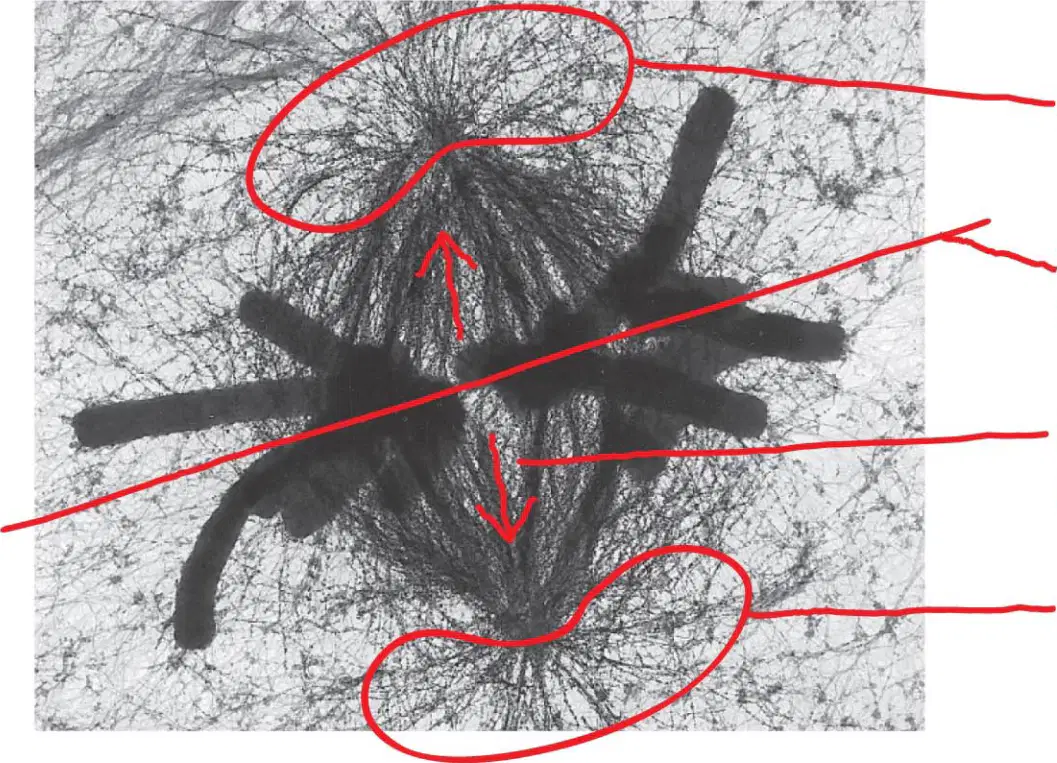
In the metaphase diagram and micrograph, what arrangement of chromosomes is characteristic of this stage?
Random distribution across cytoplasm
Paired chromatids at opposite poles
Alignment along the metaphase plate
Single chromatids dispersed in nucleus
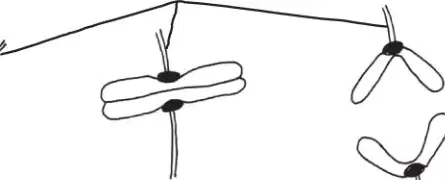
Based on the anaphase diagram, which event best distinguishes anaphase from metaphase?
Chromatin decondenses to form nuclei
Sister chromatids separate and move poleward
Nuclear envelope breaks down completely
Spindle microtubules begin to assemble
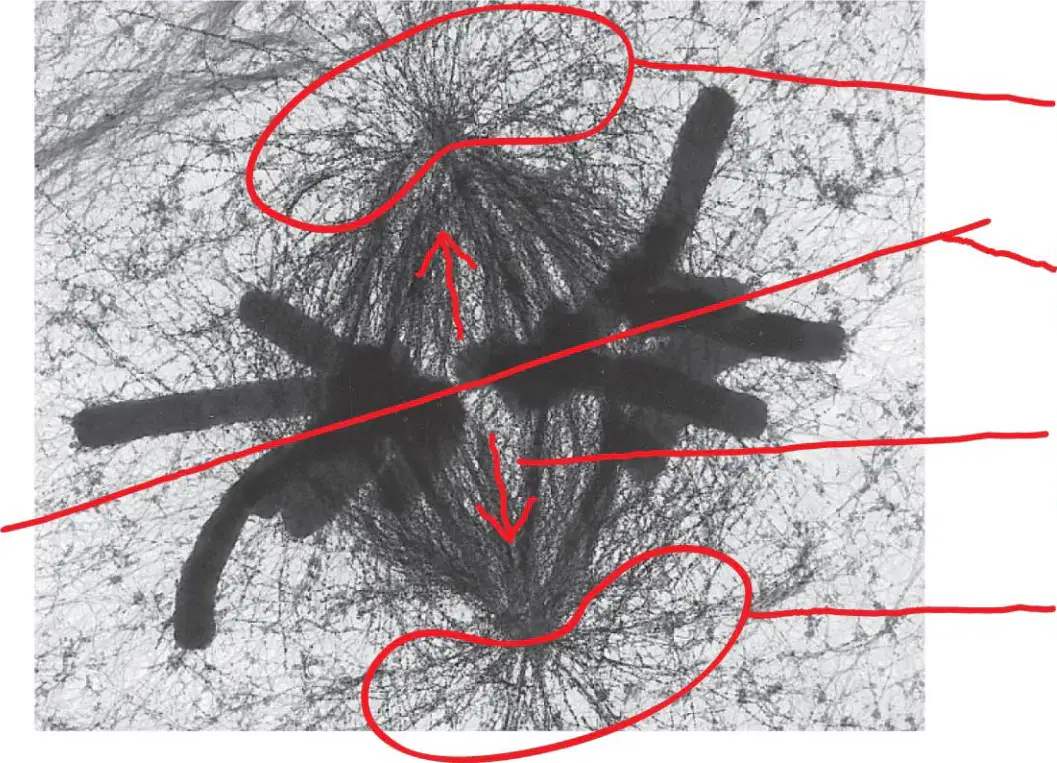
A cell shows asters, a well-defined metaphase plate, and arrows indicating chromosome movement. Predict the next observable structural change.
Reformation of nuclear envelopes around each pole
Further condensation of chromosomes into thicker rods
Disassembly of kinetochores before separation
Spindle poles fuse into a single microtubule focus
In the boxed cell image, chromosomes begin condensing and the nuclear envelope starts disassembling. Which mitotic stage is shown?
Prophase
Metaphase
Anaphase
Telophase
In the boxed cell image, sister chromatids are separating and moving toward opposite poles. Which mitotic stage is shown?
Prophase
Metaphase
Anaphase
Telophase
In the boxed cell image, two daughter nuclei reform and chromosomes begin decondensing. Which mitotic stage is shown?
Prophase
Metaphase
Anaphase
Telophase
Which structure physically divides animal cells during cytokinesis?
Cleavage furrow with contractile ring
Cell plate from Golgi vesicles
Spindle of microtubules
Primary cell wall deposition
Compare cytokinesis mechanisms: which pairing correctly matches cell type to process?
Animal—cleavage furrow; Plant—cell plate
Animal—cell plate; Plant—cleavage furrow
Animal—binary fission; Plant—mitotic plate
Animal—cell wall budding; Plant—membrane pinching
Which checkpoint primarily assesses whether the cell has adequate nutrients and growth signals to begin DNA replication?
G1 checkpoint readiness for S phase
G2 checkpoint readiness for mitosis
M checkpoint spindle attachment status
G0 checkpoint terminal differentiation
A neuron that no longer divides is best described as being in which state?
G0 phase terminal differentiation
S phase DNA synthesis
M phase chromosome segregation
G2 phase mitosis prep
Which statement best explains why skin cells exhibit a high turnover rate?
They frequently re-enter the cell cycle
They permanently exit into G0
They pause at the G2 checkpoint
They avoid the M checkpoint entirely
At the G2 checkpoint, what must be verified before entry into mitosis?
DNA replication completion and integrity
Availability of external mitogens
Attachment of kinetochores to spindles
Cell size reduction and quiescence
Which feature distinguishes terminally differentiated cells from high turnover cells?
Permanent cell cycle exit
Accelerated S phase rate
Enhanced spindle checkpoint
Shortened G2 dwell time
What is the primary role of the cell cycle control system?
Regulate progression through checkpoints
Direct ATP synthesis in mitochondria
Mediate transcription of all genes
Transport vesicles during cytokinesis
A cell with DNA damage detected after replication should be halted at which control point to prevent mitosis?
G2 checkpoint before M phase
G1 checkpoint before S phase
M checkpoint during anaphase
G0 phase after cytokinesis
Which scenario most likely triggers entry into G0?
Lack of growth signals in G1
Successful spindle attachment
Complete DNA synthesis in S
Activation of mitotic cyclins
How many chromosomes do somatic cells have?
96
46
43
23
How many chromosomes do gametes have?
96
46
43
23
A somatic cell is also described as a (a) cell.
A gamete is also described as a (a) cell.

