
Font size
 Worksheets
Cell Structure and Function Assessment
Total questions: 55
Worksheet time: 57mins
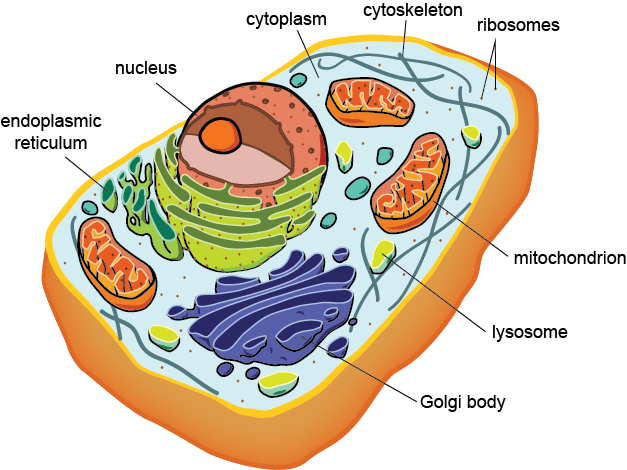
What is the function of the cell membrane?
Produces ATP
Produces proteins and lipids
Keep the organelles in place
Control what enters and leaves the cell


Which organelle captures light energy and converts it into glucose?


The function of the mitochondria is
is to make proteins for the cell.
transport materials in and out of the cell.
break down waste products for the cell.
break down glucose through cellular respiration and make energy for the cell.
Smooth endoplasmic reticulum
does not have ribosomes on the membrane and makes lipids for the cell.
has ribosomes on the membrane and makes proteins for the cell.
has ribosomes on the membrane and makes lipids for the cell.
does not have ribosomes on the membrane and make glucose for the cell.
An organelle involved in breaking down lipids, proteins, carbohydrates, damaged organelles, and bacteria are ___
Golgi Appaparatus
Vesicles
Vacule
Lysosomes
Encloses the cell, it acts like a gatekeeper, allowing some materials to pass through it but not others.
Chloroplasts
Cell Wall
Cell Membrane
Cytoplasm
A rigid structure that surrounds the cell membrane for support and protection of the cell.
Chloroplasts
Cell Wall
Cell Membrane
Cytoplasm
Organelles where photosynthesis occurs, are green due to chlorophyll pigment found in them.
Chloroplasts
Cell Wall
Cell Membrane
Cytoplasm
A gel like fluid that takes up most of the space inside the cell. The organelles are found scattered throughout it.
Chloroplasts
Cell Wall
Cell Membrane
Cytoplasm
Organelles that package cellular materials and transports them within the cell or out of the cell.
Golgi Body
Endoplasmic reticulum
Large central vacuole
Lysosomes
A fluid like vesicle that stores water and provides support for the cell.
Golgi Body
Endoplasmic reticulum
Large central vacuole
Lysosomes
A cell organelle that is responsible for waste removal in the cell.
Golgi Body
Endoplasmic reticulum
Large central vacuole
Lysosomes
Powerhouse of the cell, organelle that is the site of ATP ( energy production ) and cellular respiration in plants and animals.
Nucleus
Ribosomes
Mitochondria
Vacuoles
Is the structure located in a plant and animal cell that is home to DNA, where new cells are made and directs cell activity
Nucleus
Ribosomes
Mitochondria
Vacuoles
Where proteins are made in the cells.
Nucleus
Ribosomes
Mitochondria
Vacuoles
Small structures in the cytoplasm that do special jobs.
Nucleus
Ribosomes
Organelles
Vacuoles
Saclike structures that store materials such as water, salts, proteins, and carbohydrates.
Nucleus
Ribosomes
Organelles
Vacuoles
Function of the cell membrane to block the movement of certain sizes, shapes and kinds of particles from entering the cell.
permeable
impermeable
semi-permeable

Plant cells and animal cells
are both prokaryotic
are both eukaryotic
do not have a nucleus
do not have DNA
Rough endoplasmic reticulum
does not have ribosomes on the membrane and transports proteins for the cell.
does not have ribosomes and makes energy for the cell.
does not have ribosomes and makes proteins for the cell.
has ribosomes on the membrane and transports proteins for the cell.

Check the three major differences between a plant cell and an animal cell.
cell wall
mitochondria
large central vacuole
chloroplasts
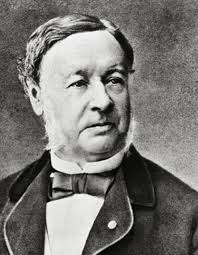
Who concluded: "all Animals are made of cells"?
Rudolf Virchow
Matthais Schleiden
Robert Hooke
Theodor Schwann
Antonie Van Leeuwenhoek

Who concluded: "all cells are made from other cells"?
Rudolf Virchow
Matthais Schleiden
Robert Hooke
Theodor Schwann
Antonie Van Leeuwenhoek

Who was the first to use a microscope?
Anton Van Leeuwenhoek
Matthais Schleiden
Robert Hooke
Theodor Schwann
Rudolph Virchow

Who concluded that "All plants are made of cells".
Matthias Schleiden
Rudolf Virchow
Robert Hooke
Theodor Schwann
Antonie Van Leeuwenhoek
The combined observations of Hooke, Schleiden, Schwann, Virchow & Von Leeuwenhoek helped form:
Cell Theory
Cell Law
Cellular Respiration
Cellular Organelles

Which scientist did NOT contribute to the cell theory?
Anton Van Leeuwenhoek
Robert Hooke
Louis Pasteuer
Matthias Schleiden
Rudolph Virchow

Who observed cork & coined the word "Cell"?
Robert Hooke
Rudolph Virchow
Matthias Schleiden
Theodor Schwann
Antonie Van Leeuwenhoek

The invention of the microscope made it possible for people to discover and learn about:
Plants
Skin
Animals
Cells
Planets

What is the name of this part?
base
leg
arm
eyepiece

What is the name of this part?
stageclips
leg
body tube
coarse adjustment knob

What is the name of this part?
objective lens
eyepiece/ocular lens
diaphragm
slide

What is the name of this part?
fine adjustment knob
eyepiece/ocular lens
stage
body tube

What is the name of this part?
arm
eyepiece/ocular lens
nosepiece
objective lens

What is the name of this part?
stageclips
stage
nosepiece
slide

What is the name of this part?
stageclips
stage
nosepiece
slide

