
 Worksheets
Week 9 AMT Quiz
Total questions: 18
Worksheet time: 10mins
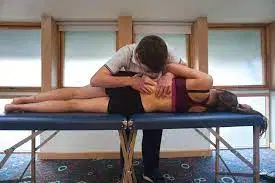
Which procedure involves assessing side lying flexion and prone extension in the lumbar spine?
PAIVMS
PPIVMS
Neural Assessment
Special Tests
What is the primary focus of PAIVMS in lumbar spine assessment?
Observing the spine's range of movement
Assessing passive intervertebral motion
Conducting neural assessments
Identifying red flags for nerve compression
Which of the following is NOT typically included in a lumbar spine assessment?
Observation
Neural Assessment
Special Tests
Passive Physiological Range of Motion
What does "Cauda Equina Red Flags" refer to in the context of sacrum and SIJ assessment?
Warning signs of nerve compression in the lower spine
Indicators of hip joint dysfunction
Symptoms of lumbar muscle strain
Signs of upper spine misalignment
What is the purpose of "Neural Assessment" in the context of sacrum and SIJ evaluation?
To evaluate nerve function and potential compression
To measure the flexibility of the lumbar spine
To assess muscle strength in the hip region
To identify sacroiliac joint misalignment
Why is it important to exclude all other conditions, including CES, when diagnosing sacroiliac joint dysfunction?
To ensure accurate diagnosis and appropriate treatment.
To prevent unnecessary exercise programs.
To avoid diagnosing hip bone fractures.
To reduce the risk of pregnancy-related complications.
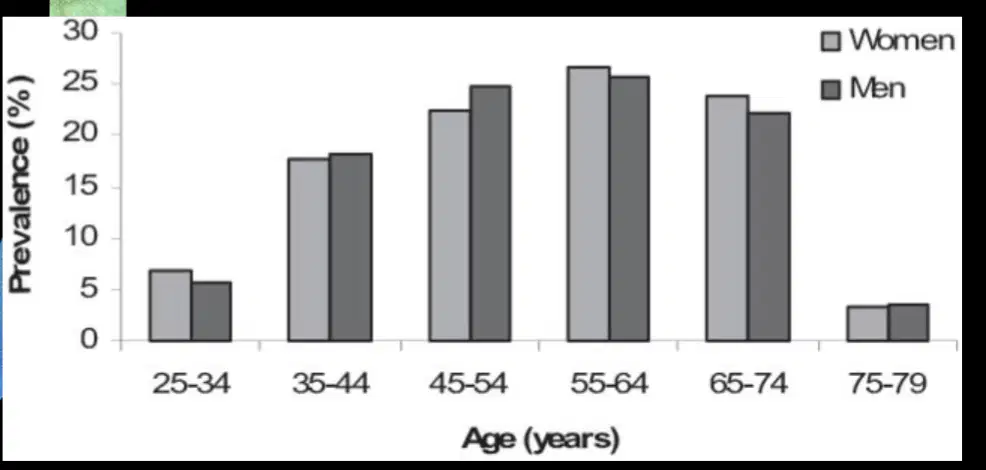
Based on the graph, which age group shows the highest prevalence of NSLBP?
55-64 years
25-34 years
35-44 years
75-79 years
What does the term "VAS" stand for in the context of assessing pain severity?
Visual Analog Scale
Variable Assessment Scale
Vascular Analysis System
Voluntary Action Scale
Which of the following is NOT a result of disc degeneration?
Disc bulging
Herniation
Increased water content in the nucleus pulposus
Formation of osteophytes
Which of the following is NOT a modifiable risk factor for sciatica?
Smoking
Obesity
Manual labor
Genetic predisposition
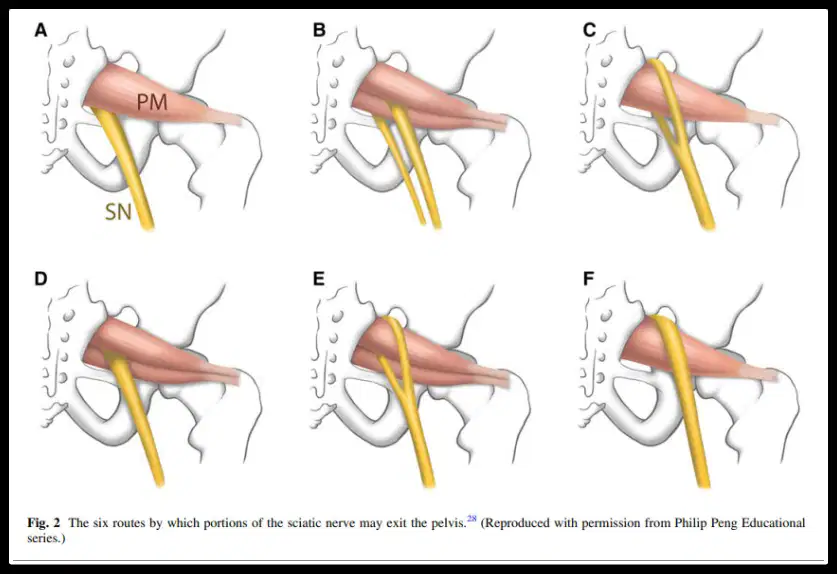
What is Piriformis Syndrome caused by?
Overuse of the sciatic nerve
Impingement of the sciatic nerve by the piriformis muscle
Damage to the spinal cord
Weakness in the piriformis muscle
Which test for Piriformis Syndrome involves the examiner resisting hip abduction when the patient is seated?
Pace
Seated Piriformis
Heel-contralateral knee maneuver (HCLK)
Tonic external rotation of hip
What is the most common cause of Spondylolysis?
Over-use/stress fracture
Genetic predisposition
Bacterial infection
Poor posture
Which of the following postural changes is consistent with a forward head posture?
Increased lower c-spine lordosis
Increased upper c-spine lordosis
Loss of upper thoracic kyphosis
retracted scapulae
Which terminal branch of the brachial plexus stems from the posterior cord?
Musculocutaneous
Axillary
Radial
Median
The transvers foramen in the cervical vertebrae provide passage for which blood vessel?
Jugular vein
Vertebral artery
External carotid artery
Subclavian vein
45-year-old male that comes to the clinic with a history of pain with tingling and numbness in the right hand with thumb, index and middle finger involvement that started 2 days ago while he was at work with no history of trauma. The patient describes the pain as “needles and pins”. The discomfort gets exacerbated as he does repetitive computer work and gets mildly relieved with handshaking and change of positions.
Thoracic outlet syndrome
Carpal tunnel syndrome
Guyon's canal syndrome
none of these
Following are the signs and symptoms of arterial thoracic outlet syndrome except:
Weak or no pulse in the affected arm
Cold fingers, hands or arms
Blood clot in the upper area of your body
Hand and arm pain

