
 Worksheets
Lifestyle Disease Review 2
Total questions: 60
Worksheet time: 30mins
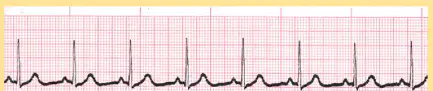
Which of the following is a method used to diagnose heart disease by measuring the electrical activity of the heart?
Blood Pressure Checks
Blood Cholesterol Tests
Electrocardiogram (EKG)
Angiography
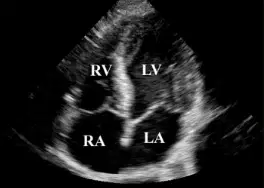
What diagnostic method involves the use of sound waves to create images of the heart?
Blood Pressure Checks
Ultrasound
Angiography
Blood Cholesterol Tests
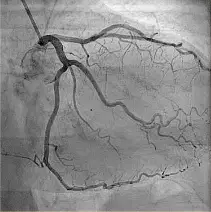
Which diagnostic test is specifically used to check for blockages in blood vessels?
Blood Pressure Checks
Blood Cholesterol Tests
Angiography
Electrocardiogram (EKG)
Which of the following is a simple procedure to measure the force of blood against artery walls?
Blood Pressure Checks
Angiography
Ultrasound
Electrocardiogram (EKG)
Which of the following is a non-surgical method to treat cardiovascular disease?
Coronary Bypass Surgery
Balloon Angioplasty
Diet & Exercise
Heart Transplant
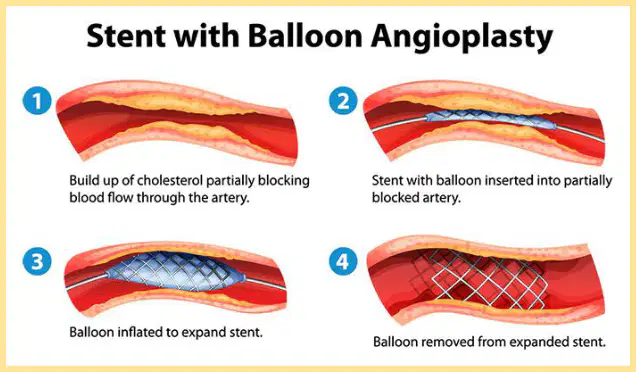
What is the purpose of a stent in balloon angioplasty?
To remove cholesterol from the bloodstream
To bypass a blocked artery
To keep the artery open after it has been widened
To replace a damaged heart valve
What is the role of pacemakers in treating cardiovascular disease?
To regulate abnormal heart rhythms
To remove blockages in arteries
To replace damaged heart valves
To widen narrowed arteries
What is the primary goal of coronary bypass surgery?
To widen narrowed arteries using a balloon
To bypass a blocked artery using a vein or artery from another part of the body
To regulate heart rhythm using a pacemaker
To replace a damaged heart with a donor heart
What is diabetes characterized by?
Low levels of blood sugar
High levels of blood sugar due to insufficient insulin production or defects in insulin action
High levels of blood pressure
Low levels of insulin in the liver
Which organ is responsible for producing insulin?
Liver
Pancreas
Kidney
Stomach
What is the primary cause of high blood sugar in diabetes?
Excessive sugar intake
Insufficient production of insulin or defects in insulin action
Lack of exercise
High cholesterol levels
What is Type 1 diabetes commonly referred to as?
Non-Insulin Dependent
Insulin Dependent
Gestational Diabetes
Type 2 Diabetes
What are the risk factors associated with Type 1 diabetes?
Obesity and High Blood Pressure
Heredity and Autoimmune Disorders
Lack of Exercise and Poor Diet
Smoking and Alcohol Consumption
Which of the following is NOT a symptom of Type 1 diabetes?
Frequent urination
Extreme hunger
High blood pressure
Unusual thirst
At what stage of life is Type 1 diabetes usually diagnosed?
Adulthood
Childhood
Middle Age
Elderly Years
What is the most common form of diabetes that usually occurs in people over 45 but is becoming more common in younger people?
Type 1 Diabetes
Type 2 Diabetes
Gestational Diabetes
Juvenile Diabetes
What is the primary issue in Type 2 Diabetes?
The pancreas does not produce insulin.
The pancreas produces insulin, but the body does not use it properly.
The body produces too much insulin.
The pancreas is completely non-functional.
Which of the following is NOT a risk factor for Type 2 Diabetes?
Age
Obesity
Family History
High Protein Diet
Which of the following is a symptom of Type 2 Diabetes?
Frequent infections
Increased energy levels
Rapid weight gain
Improved vision
Which of the following is a common symptom of Type 2 Diabetes related to the nervous system?
Numbness or tingling in hands or feet
Increased appetite
Hair loss
Muscle cramps
Which of the following is a symptom of Type 2 Diabetes that affects wound healing?
Slow to heal
Rapid healing
Excessive scarring
No effect on healing
What is gestational diabetes?
Diabetes diagnosed in children
Diabetes diagnosed for the first time during pregnancy
Diabetes caused by excessive sugar intake
Diabetes that only affects men
Which of the following is a potential complication of uncontrolled gestational diabetes for the baby?
High blood pressure
Excessive birth weight
Preeclampsia
Type 2 diabetes in the future
What is one of the risks for the mother if gestational diabetes is left uncontrolled?
Breathing difficulties
Hypoglycemia
High blood pressure and preeclampsia
Stillbirth
What does the A1C test measure?
The percentage of blood sugar attached to hemoglobin in red blood cells over the past two to three months.
The amount of sugar in your urine.
The level of insulin in your blood.
The percentage of red blood cells in your body.
What are other tests for diabetes besides the A1C test?
Fasting blood sugar test and oral glucose tolerance test.
Urine sugar test and insulin level test.
Blood pressure test and cholesterol test.
Hemoglobin test and platelet count test.
What can high glucose levels eventually damage in the body?
Bones and muscles
Blood vessels and nerves
Skin and hair
Lungs and liver
What is the main source of energy for your body’s cells, tissues, and organs?
Proteins
Fats
Carbohydrates
Vitamins
Which type of carbohydrate is associated with a quick rise in blood sugar?
Complex (Unrefined)
Simple (Refined)
Proteins
Fats
What is a characteristic of complex (unrefined) carbohydrates?
Quick energy and crash
Slower rise in blood sugar
Contains "white stuff"
Quick rise in blood sugar
Which of the following is an example of a simple (refined) carbohydrate?
Whole grain bread
Brown rice
Sugary candies
Sweet potatoes
Where does almost half of the added sugar in the American diet come from?
Sugary drinks
Baked goods
Dairy products
Candy
How many calories are provided by 1 gram of carbohydrates?
2 calories
4 calories
6 calories
8 calories
What are some of the effects of consuming too much added sugar on the body?
Cavities, inflammation, and weight gain
Improved digestion and energy levels
Reduced risk of diabetes and obesity
Enhanced skin health and muscle strength
Which of the following is a treatment method for diabetes?
Healthy Eating
Physical Activity
Weight Loss
All of the above
What is the role of insulin in diabetes treatment?
Insulin helps monitor glucose levels.
Insulin helps regulate blood sugar levels.
Insulin is used for weight loss.
Insulin replaces oral medication.
Which of the following is NOT a diabetes treatment method?
Monitoring glucose levels
Oral or injected medication
Weight gain
Physical activity
Why is monitoring glucose levels important for diabetes treatment?
It helps track blood sugar levels to prevent complications.
It replaces the need for insulin.
It is only necessary for Type 1 diabetes.
It helps in weight loss.
Which of the following activities can help manage diabetes effectively?
Physical activity
Skipping meals
Avoiding medication
Weight gain
What does "A" stand for in the Diabetes Alphabet?
A1c Test
Alcohol
Additives
A better lifestyle
What does "B" stand for in the Diabetes Alphabet?
Blood Pressure
Body Weight
Bad Food Choices
Bile
What does "C" stand for in the Diabetes Alphabet?
Cholesterol
Chronic Pain
Colorful Food
Clotting
What does "D" stand for in the Diabetes Alphabet?
Diet
Diabetes
Dieting
Donut
What does "E" stand for in the Diabetes Alphabet?
Exercise
Eating Sugar
Elevated Glucose
Engaging Activity
What does "F" stand for in the Diabetes Alphabet?
Foot Care
Fasting
Facial Expression
Fat Intake
What does "G" stand for in the Diabetes Alphabet?
Good Habits
Grains
Glucose Testing
Gall Bladder
What is the primary function of the kidneys in the human body?
To produce hormones for muscle growth
To cleanse the blood and produce urine
To regulate brain activity
To strengthen bones
What is the consequence of kidney failure within 2-3 weeks?
The body adapts to the toxic buildup
Death due to toxic buildup in the blood
The kidneys regenerate and recover
The body stops producing urine
What is the primary function of the kidneys in the human body?
To produce red blood cells
To remove liquid waste from the blood in the form of urine
To regulate body temperature
To produce digestive enzymes
Which substance produced by the kidneys helps regulate blood pressure?
Erythropoietin
Renin
Vitamin D
Insulin
Which of the following substances produced by the kidneys stimulates red blood cell production?
Renin
Vitamin D
Erythropoietin
Hemoglobin
Which of the following is a common sign of kidney disease?
Puffiness around eyes, hands, and feet
Headache
Sneezing
Dry skin
Which of the following is NOT a sign of kidney disease?
Pain in the lower back
Difficulty in urinating
High blood pressure
Fever
What does water retention indicate in relation to kidney disease?
Excessive sweating
Inability of kidneys to remove excess fluid
Increased appetite
Dehydration
Which of the following treatments for kidney disease involves the use of artificial kidneys?
Diuretics
Antibiotics
Dialysis
Steroids
Which treatment for kidney disease is used to treat bacterial infections?
Steroids
Antibiotics
Dialysis
Kidney Transplant
What is the single leading cause of kidney failure in the U.S.?
High blood pressure
Diabetes
Heart disease
Obesity
How does diabetes damage the body, leading to chronic kidney disease?
By damaging small blood vessels throughout the body
By increasing the production of insulin
By improving kidney function
By reducing blood flow to the brain
What is one way diabetes can cause damage to the kidneys through its effect on nerves?
By increasing blood sugar levels
By causing difficulty emptying the bladder, leading to increased pressure on the kidneys
By improving nerve function
By reducing the size of the kidneys
What is the most important predictor of which diabetics develop kidney disease?
High blood pressure
Low blood sugar
Age of the patient
Duration of diabetes

