
 Worksheets
Usmle 128 cau slide
Total questions: 127
Worksheet time: 1hrs 4mins
Name
Class
Date
1.
A 32-year-old woman with a history of depression comes to the emergency department 30 minutes after taking a bottle of pills in an attempt to commit suicide. Blood pressure is 118/70 mmHg, pulse is 90 per minute, and respirations are normal at 14 per minute. She refuses to tell you what she took. What is the most appropriate next step in the management of this patient?
a)
Induce emesis with ipecac.
b)
Gastric lavage.
c)
Serum chemistry
d)
Urine toxicology screen.
2.
A woman comes to the emergency department one hour after taking a bottle of pills. Blood pressure is 118/70 mm Hg, pulse is 90/min and respirations are 14/min. She is confused, disoriented, and lethargic. What is the most appropriate next step in the management of this patient?
a)
Flumazenil.
b)
Gastric lavage.
c)
Psychiatric consultation.
d)
Naloxone and dextrose.
3.
Which of the following is most likely to be found in aspirin overdose? (Normal values: pH 7.40, pCO2 40, HCO3-24)
a)
pH 7.55 pCO2 50 HCO3-24.
b)
pH 7.25 pCO2 62 HCO3 38.
c)
pH 7.46 pCO2 22 HCO3 16.
d)
pH 7.35 pCO2 32 HCO3 20.
4.
A 24-year-old woman brought to the ED says that she ingested about twenty 500-mg acetaminophen tablets 2 hours ago after an intense argument with her husband. She currently has no symptoms. The patient does not smoke but drinks alcohol on weekends. She is alert and oriented. Her temperature is 37.2 C, BP is 110/60 mmHg, pulse is 90/min, and respirations are 16/min. Examination shows no abnormalities. Complete blood count, coagulation studies (prothrombin time/International Normalized Ratio), and serum chemistries, including liver functions tests, are within normal limits. Which of the following is the most appropriate next step in management of this patient?
a)
Discharge home
b)
Obtain an electrocardiogram (ECG)
c)
Observe in the hospital for 24 hours
d)
Administer charcoal and obtain serum acetaminophen levels
5.
A patient with depression presents with altered mental status from ingesting multiple toxic substances. You know for certain that he took some lorazepam only today, for the first time. There is no response to naloxone or dextrose. The patient is given flumazenil and immediately seizes. What is the most likely cause of the seizure?
a)
Cocaine withdrawal.
b)
Opiate withdrawal.
c)
Tricyclic antidepressants.
d)
Aspirin.
6.
What is the best initial test for the patient previously described?
a)
Urine toxicology.
b)
Electroencephalogram.
c)
EKG.
d)
Head CT.
7.
Which of the following blood gas results would you find in carbon monoxide poisoning?
a)
pH 7.55 pCO2 50 HCO3-24.
b)
pH 7.25 pCO2 62 HCO3 38.
c)
pH 7.46 pCO2 22 HCO3 16.
d)
pH 7.35 pCO2 26 HCO3 18.
8.
A 34-y-o male is brought to the ED by his neighbor. The neighbor found the man lying on the floor beside an empty bottle of unknown substance. At the hospital, the patient is conscious and alert, but in severe pain. His temperature is 36.8 C, blood pressure is 130/70 mm Hg, pulse is 90/min and respirations are 20/min. Abdomen is benign, with normal bowel sounds. Pupils are 5 mm, bilaterally. His tongue is white, heavy drooling of saliva is noted and he is unable to swallow. Which of the following is the most likely explanation for this patient's symptoms?
a)
Anticholinergic poisoning
b)
Caustic poisoning
c)
Tricyclic antidepressant poisoning
d)
Alcohol intoxication
9.
A 35-year-old woman calls her family physician after her 7-year old son accidentally splashed an unknown liquid containing acid on his face. Some liquid likely entered his eye, as the child is complaining of severe pain in his right eye. She knows a doctor living in her immediate neighborhood but is hesitant about what to do next. Which of the following is the most appropriate initial course of action that the mother should take?
a)
Call 911 immediately
b)
Go to local emergency room immediately
c)
Go to the doctor in the neighborhood immediately
d)
Wash the eye with copious amount of water
10.
An 18-month-old boy is brought to the ED an hour after drinking liquid oven cleaner from an unlocked kitchen cabinet. His parents tried to give him water and milk, but he has difficulty swallowing. The boy also has blood-tinged oral secretions. His vital signs are stable. Examination shows an anxious child who is crying and drooling. His lips and chin are swollen and erythematous. He has no stridor and his breathing pattern appears normal. Lungs are clear to auscultation. His shirt is covered in oven cleaner. Which of the following is the best next step in management of this patient?
a)
Barium swallow study
b)
Clothing removal
c)
Intravenous corticosteroids
d)
Nasogastric lavage
11.
A 35-yo woman is brought to the ED after being rescued from inside a burning building by firefighters. She had a brief tonic-clonic seizure en route to the hospital. Her past medical history is unknown. She is confused and mildly agitated. Her temperature is 37 C, BP is 100/60 mmHg, pulse is 115/min, and respirations are 24/min. Her oxygen saturation is 96% on room air as measured by standard pulse oximetry. Physical examination shows no burns, and her skin color is normal. There are symmetric breath sounds bilaterally with scattered end-expiratory wheezes. Neurologic examination shows no abnormalities apart from confusion. The abdomen is soft and nontender. Which of the following is the best initial treatment for this patient?
a)
50% dextrose with thiamine
b)
100% oxygen with facemask
c)
Intravenous lorazepam
d)
Intravenous phenytoin
12.
A 34-year-old agricultural worker is brought to the ED with salivation, miosis, vomiting, and difficulty breathing. He was working in a field recently sprayed with pesticides. What is the most appropriate first-line treatment?
a)
Diazepam
b)
Activated charcoal
c)
Atropine
d)
Epinephrine
13.
A 15-month-old boy is brought to the emergency department with cyanosis. Over the past week, the patient has been teething and has had mild nasal congestion and low-grade fevers. He has been eating and drinking normally. The patient was extremely fussy today, despite his mother giving him acetaminophen and a topical anesthetic that she used when she had a toothache. He was hospitalized for bronchiolitis 6 months ago but is otherwise healthy, and immunizations are up to date. BP is 90/60 mmHg, pulse is 158/min, and respirations are 50/min. SpO2 is 85% on room air. Physical examination shows a sleepy child with blue discoloration of the skin and nails. The lungs are clear to auscultation bilaterally. Cardiac examination reveals no murmurs or gallops. The abdomen is soft, nontender, and has no hepatosplenomegaly. Blood samples are obtained for laboratory testing, and 100% oxygen is administered but fails to increase the pulse oximetry reading or the cyanosis. Which of the following laboratory findings would most likely be seen in this patient?
a)
Elevated PaCO2
b)
Elevated plasma osmolal gap
c)
Elevated transaminase levels
d)
Normal PaO2
14.
A 34-year-old farmer is brought to the hospital after attempting suicide. His body and clothes are soiled with vomitus. He is short of breath and appears agitated. His family reports no previous medical history or regular use of prescription medications. His temperature is 36.6 C, blood pressure is 110/60 mmHg, pulse is 50/min, and respirations are 22/min. His oxygen saturation is 86% on room air. Examination shows watering of the eyes and 1 mm pupils, bilaterally. Lung examination shows widespread rhonchi with prolonged expiration. Abdominal examination shows increased bowel sounds. Neurologic examination shows muscle fasciculations. What would be the most appropriate next step in management of this patient?
a)
Obtain EKG for QRS duration
b)
Remove all the clothing and wash the body
c)
Obtain a chest x-ray
d)
Obtain a head CT scan
15.
A 9-year-old boy is rushed to the emergency deparment after having a seizure while visiting his grandparents for the weekend. His past medical history is insignificant. When the grandmother is questioned about any medications, she replies, 'He isn't taking any medications, but I take nortriptyline and my husband takes atenolol and enalapril.' The boy's blood pressure is 80/40 mmHg and pulse is 90/min. Physical examination shows dry oral mucosa and dilated pupils. On questioning, his answers are adequate but delayed. Electrocardiogram shows wide QRS complexes. What is the best next step in management of this patient?
a)
Observation
b)
Phenytoin
c)
Sodium bicarbonate
d)
Propranolol
16.
A 1-year-old boy is brought to the office for a routine visit. The patient recently transitioned from breast milk to whole milk and enjoys various table foods, including fruits, vegetables, and grains. The family is vegetarian and adds protein to his diet through beans and nut butters. He says 2 words, recently started walking, and often chews on his toys and books. The family lives in a house built in the 1940s that has no chipping paint and has recently been renovated, except for the basement and bedrooms. Height, weight, and head circumference are at the 50th percentile for age. Physical examination is normal. Capillary blood test results are as follows: Hemoglobin 12.5 g/dL; Lead 12 ug/dL (normal <5 ug/dL). Which of the following is the most appropriate next step in management of this patient?
a)
Perform abdominal x-ray
b)
Initiate calcium disodium edetate (EDTA)
c)
Initiate dimercaprol (British anti-Lewisite)
d)
Measure venous lead level
17.
A 34-year-old homeless man is brought to the emergency department in a confused state and complaining of flank pain. His past medical history is unknown. The patient's temperature is 36.8 C, blood pressure is 110/70 mm Hg, pulse is 110/min, and respirations are 22/min. His appearance is disheveled. Pupils are equal, 4 mm in size, and reactive to light. Fundoscopic examination is within normal limits. Lungs have vesicular breath sounds. Mild costovertebral angle tenderness is present. A Foley catheter is placed, and the urine appears red, with calcium oxalate crystals seen on microscopy. Laboratory results are as follows: Sodium 136 mEq/L; Potassium 3.6 mEq/L Chloride 93 mEq/L Bicarbonate 6 mEq/L BUN 34 mg/dL; Creatinine 2.8 mg/dL Calcium 6.0 mg/dL; Glucose 80 mg/dL Plasma lactate 2.3 mEq/L Serum ketones: Negative; Prothrombin time 11 sec. Which of the following is the most appropriate next step in management of this patient?
a)
Broad-spectrum antibiotics
b)
Fomepizole
c)
Methylene blue
d)
N-acetylcysteine
18.
A 34-year-old homeless man is brought to the emergency room in a confused state. He complains of epigastric pain, vomiting and blurred vision. His temperature is 36.8 C, BP is 110/60 mm Hg, pulse is 110/min and respirations are 22/min. Physical examination shows poor oral hygiene and dry mucous membranes. Lungs are clear to auscultation. Abdominal exam shows mild epigastric discomfort. Funduscopic examination reveals optic disc hyperemia. Laboratory studies show: Serum sodium 136 mEq/L; Serum potassium 3.0 mEq/L Chloride 93 mEq/L Bicarbonate 6 mEq/L; Plasma lactat 2.2 mEq/L Blood urea nitrogen 30 mg/dl; Serum creatinine 0.8 mg/dl Blood glucose 80 mg/dl; Serum ketones negative. Which of the following is the most likely cause of his symptoms?
a)
Ethylene glycol poisoning
b)
Mesenteric ischemia
c)
Methanol poisoning
d)
Diabetic ketoacidosis
19.
A 56-year-old man comes to the ED with left hand pain that started 2 hours ago. He was reaching into some grass to move a large pipe on his ranch when he felt a sharp bite to his left hand. He did not see what bit him. Medical history includes hypertension. Upon arrival, his BP is 88/60 mmHg, pulse is 118/min, and respirations are 22/min. examination of the left hand reveal 2 puncture wounds just distal to left wrist. Persistent oozing is noted from the wound. There is pronounced swelling and ecchymosis present to the middle of his upper arm. There is significant pain with passive movement of the left wrist and elbow. Sensation is intact in the left arm. Capillary refill is decreased in all 4 extremities equally. Which of the following is the best initial treatment for this patient?
a)
Administer Crotalidae polyvalent immune Fab.
b)
Administer IV antibiotics
c)
Incise and suction out the wound
d)
Place a tourniquet around the upper arm
20.
A 55-year-old electrician comes to the ED due to a wound to his right leg that started 3 days ago. After crawling through an attic laying electrical wire, he developed a stabbing pain and burning sensation in his right thigh. The patient noticed a small, red area on his posterior right thigh, with 2 small dots in the middle. He thinks he was bitten by one of the small, brown spiders he saw in the attic. The pain lasted a few hours and then subside. Several hours later a blister formed. Over the next 2 days, a black area appeared in place of blister and has expanded toward his feet. Temperature is 36.7C, BP is 140/80mmHg, pulse is 76/min, and respirations are 16/min. on examination, the patient is awake and alert, and nontoxic in appearance. He has a 2-cm, dry eschar on his posterior right thigh. There is a surrounding outer ring of erythema. No significant swelling or fluctuance is present. He has normal pulses distal to the wound. Which of the following is the best next step in management of this patient?
a)
Administer a corticosteroid injection.
b)
Hyperbaric oxygen therapy.
c)
Oral antistaphylococcal antibiotic.
d)
Provide supportive wound care only.
21.
A 67-year-old man is brought to the office by his wife due to a month of increasing forgetfulness. Over the last 2 weeks, she has noticed that his gait has been unsteady. The patient reports increased fatigue. He has hypertension and hyperlipidemia, and is compliant with all medications. Over the last month, the patient has taken over-the-counter stool softeners for constipation. He worked as an automobile mechanic for 30 years before retiring last year. The patient smokes a pack of cigarettes daily and usually has a beer after dinner, but recently started drinking home-distilled whiskey. BP is 120/80 mmHg, and pulse is 76/min. Examination shows clear lung fields and normal first and second heart sounds. The abdomen is soft and nontender without organomegaly. There is weakness on dorsiflexion of bilateral wrists and feet. Pinprick sensation is reduced over the hands and feet. Upper and lower limb deep tendon reflexes are 1+. Laboratory results are as follows: Complete blood count: Hb 9.0 g/dL; Hct 28%; MCV (Mean corpuscular volume) 74 fL. Serum chemistry: BUN 14 mg/dL Creatinine 1.1 mg/dL; Uric acid 11 mg/dl. Which of the following underlying mechanisms is most likely associated with this patient's clinical presentation?
a)
Cerebral amyloid deposition (Alzheimer disease)
b)
Degeneration of substantia nigra (Parkinson disease)
c)
Mercury Poisoning
d)
Impaired heme synthesis
22.
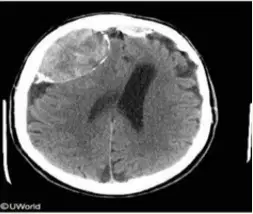
A 10-yo boy is evaluated in the ED due to progressive lethargy. Four hours ago, he was hit in the head with a baseball while playing at home. He had no LOC, but his mother states that he appeared 'dazed' for several minutes. Approximately 30 minutes ago, the patient experienced headaches associated with nausea and 2 episodes of vomiting. His mother reports that he is currently 'not acting right'. On physical examination, the child is somnolent and moans with painful stimuli. A non-contrast CT scan of his head is shown below. Which of the following is the most appropriate next step in management of this patient?
a)
Cerebral angiogram
b)
Emergent neurosurgical evacuation
c)
Intravenous dexamethasone and serial examinations
d)
MRI of the brain with contrast
23.
A 25-year-old man sustains head trauma in a motor vehicle accident. A large epidural hematoma is found. Immediately after intubation and mannitol, surgical evacuation is successfully performed. Which of the following will most likely benefit the patient?
a)
Repeated doses of mannitol.
b)
Continued hyperventilation.
c)
Proton pump inhibitor (PPI).
d)
Nimodipine.
24.
A 12-yo boy is brought to the ED due to progressive headache and drowsiness. Earlier in the day while cycling with his family, the patient fell off his bicycle and hit his head on concrete. He was unresponsive for several seconds but spontaneously regained consciousness. The patient complained of mild pain at the injury site but otherwise was feeling well and could walk and talk normally. Several hours later, he started to experience progressive headache and vomiting and became somnolent. The patient has no medical problems and takes no medications. BP is 140/86 and pulse is 66/min. He has a large bruise over the right temporal region. He is sleepy and requires constant painful stimuli to remain awake. The patient can follow simple instructions. On neurologic examination, the left pupil is 3 mm with normal pupillary reflex, but the right pupil is 8 mm and not reactive to light. Which of the following is the most likely diagnosis?
a)
Cerebral contusion
b)
Subdural hematoma
c)
Epidural hematoma
d)
Postconcussion syndrome
25.
What is the most common cause of death several days to weeks after a burn?
a)
Infection.
b)
Renal failure.
c)
Cardiomyopathy.
d)
Lung injury.
e)
Malnutrition.
26.
A 34-year-old man is brought to the ED after being rescued from a burning building. His temperature is 36 C, BP is 90/60 mm Hg, pulse is 100/min and respirations are 28/min Examination shows second and third degree burns over 15% of his body. His oropharynx shows erythema and scattered blisters. His lungs are clear to auscultation and his abdomen is soft and non-distended. His blood carboxyhemoglobin concentration is 20%. Which of the following is the best management for this patient?
a)
High-dose corticosteroids
b)
Endotracheal intubation
c)
Broad-spectrum antibiotics
d)
Fluid restriction
27.
A 62-yo man is evaluated in the burn unit due to progressive confusion, lethargy, and reduced urine output. Five days ago, the patient was hospitalized for a 20% BSA burn and mild inhalation injury after his house caught fire. He is receiving analgesics, enteral feedings, and intravenous fluids. Temperature is 35.5 C, BP is 100/60 mmHg, pulse is 120/min, and respirations are 26/min. Physical examination shows third-degree burns on sections of the bilateral legs and a second-degree burn on the torso. Some areas of partial-thickness injury appear to have progressed to full-thickness necrosis. Laboratory results are as follows: Platelets 80,000/mm3; Leukocytes 16,000/mm3; Blood glucose 230 mg/dL. Which of the following is the most likely cause of this patient's current condition?
a)
Carbon monoxide poisoning
b)
Gram-negative sepsis
c)
Renal tubular injury
d)
Myocardial injury
28.
A 41-year-old woman is brought to the ED being rescued during an open-water swim. She became weak and disoriented after swimming 2 miles but did not lose consiousness. The patient's past medical history is unremarkable, although she is taking amoxicillin for streptococcal pharyngitis that was diagnosed 4 days ago. Temperature is 33.3 C, BP is 86/45 mmHg, and pulse is 106/min. The heart has regular rate and rhythm. The patient is shivering and vomiting. She reponds to questions sluggishly, but neurologic examination is otherwise normal. Laboratory rerults are as follows: Sodium 144 mEq/l; Chloride 102 mEq/l; Bicarbonate 24 mEq/l Glucose 86 mg/dl. Which of the following is the most appropriate next step in management of this patient?
a)
Dopamin infusion
b)
IV ampicillin and gentamicin
c)
IV fluids and passive warming
d)
IV methylprednisolone
29.
A 53-year-old man with chronic alcoholism is brought to the ED after being found in a park on a cold day in winter. He was unresponsive when found and was intubated in the field by paramedics. On arrival, his body temperature is 31°C, BP is 77/48 mm Hg, and pulse is 31/min. ECG shows sinus bradycardia and QT interval of 560 msec. Which of the following is the best next step in managing this patient's hemodynamic status?
a)
Atropine
b)
Levothyroxine
c)
Active rewarming
d)
Transvenous pacing
30.
A 55-y/o man is brought to the ED with sudden onset of palpitations and chest tightness. His other medical problems include hypertension, gout, and type 2 DM. Cardiac monitoring shows atrial fibrillation at a rate of 120-140/min. His initial BP is 112/70 mmHg and oxygen saturation is 92% on room air. As the nurse is attempting to establish intravenous access, the patient becomes unresponsive. There is no palpable pulse over the carotids or femoral arteries, and he has agonal breathing. The cardiac monitor still shows atrial fibrillation at the same rate. Which of the following is the best next step in management of this patient?
a)
Arterial blood gas analysis
b)
Chest compressions
c)
Defibrillation
d)
Synchronized cardioversion
31.

76 y/o F collapses and brought immediately to the emergency department by bystanders. On arrival, she is placed on monitor and the following rhythm is seen: You cannot palpate a pulse. What are the appropriate next steps in management?
a)
Give atropine
b)
Defibrillate
c)
Check blood sugar
d)
Initiate CPR
32.

A 64-year-old man is admitted to the hospital with palpitation and lightheadedness for the past several days. He has experienced palpitations previously, but recently they have seemed sustained and 'uncomfortable'. The patient has had no chest pain or SOB. He has a history of coronary artery disease and prior PCI. He is treated with metoprolol, lisinopril, aspirin, clopidogrel, and rosuvastatin. Echocardiogram shows mild left ventricular dilation, a left ventricular EF of 30%, and no major valvular abnormality. Serum K+ is 4.2 mEq/L and magnesium is 1.9 mg/dl. On day 2 of hospitalization, the patient develops sudden-onset palpitations that feel like 'fluttering in my chest'. BP is 122/60 mmHg. He is alert and does not appear to be in distress. Examination shows clear lungs bilaterally. His ECG stop is shown below: Which of the following Is the best next step in management of this patient?
a)
Amiodarone
b)
Carotid sinus massage
c)
Digoxin
d)
Electrical cardioversion
33.
A 58-year-old woman is admitted to the hospital with an acute myocardial infarction. On the second hospital day she develops sustained ventricular tachycardia even though she is on aspirin, heparin, lisinopril, and metoprolol. What is the most appropriate next step in management?
a)
Increase the dose of metoprolol.
b)
Add diltiazem.
c)
Angiography for angioplasty or bypass.
d)
Implantable defibrillator.
34.
A 21-year-old man is brought to the ED due to dizziness and palpitations that started abruptly an hour ago. He has had similar episodes provoked by fatigue or strong emotions. The patient can usually stop the episodes by squatting and taking a deep breath. However, this time these actions did not work. BP is 65/40 mmHg and pulse is 240/min He is diaphoresic and his extremities are cold. ECG rhythm strip shows a regular narrow-complex tachycardia. Which of the following is the best next step in management of this patient?
a)
Intravenous amiodarone
b)
Intravenous fluid resuscitation
c)
Synchronized cardioversion
d)
Unsynchronized cardioverstion
35.
A 55-y/o man is brought to the ED with sudden onset of palpitations and chest tightness. His other medical problems include hypertension, gout, and type 2 DM. Cardiac monitoring shows atrial fibrillation at a rate of 120-140/min. His initial BP is 112/70 mmHg and oxygen saturation is 92% on room air. As the nurse is attempting to establish intravenous access, the patient becomes unresponsive. There is no palpable pulse over the carotids or femoral arteries, and he has agonal breathing. The cardiac monitor still shows atrial fibrillation at the same rate. Which of the following is the best next step in management of this patient?
a)
Synchronized cardioversion
b)
Chest compressions
c)
Defibrillation
d)
IV lidocaine
36.
A woman comes to the office for routine evaluation. She is found to have a pulse of 40 per minute and an otherwise completely normal history and physical examination. What is the most appropriate next step in the management of this patient?
a)
Atropine.
b)
Pacemaker.
c)
EKG.
d)
Electrophysiology studies.
e)
Nothing; reassurance.
37.
A 67-y/o man is brought to the ED after a syncopal episode. He lost consciousness while shopping in a mall. He has no nausea, diaphoresis, chest pain, or SOB. The patient has had 2 episodes of lightheadedness over the past month but has not sought treatment. His other medical problems include long-standing hypertension, which is being treated with enalapril. His BP is 135/90 mmHg while supine and 130/85 mmHg while standing; pulse is 64/min. ECG shows sinus rhythm with high voltage, prolonged PR interval, prolonged QRS-complex duration, normal QTc interval, and occasional PVC. Basic metabolic panel is unremarkable. Echocardiography shows LV hypertrophy and EF of 55%. Which of the following is the most likely cause of this patient's syncope?
a)
Bradyarrhythmia
b)
Torsades de pointes
c)
Premature ventricular beats
d)
Decreased myocardial contractility
38.
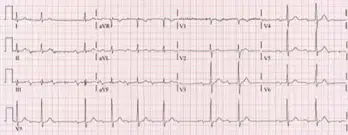
A 56-year-old woman comes to the physician with 3 weeks of intermittent dizziness. She has no chest pain, dyspnea, or diaphoresis. Her medical problems include hypertension and type 2 DM. The patient says that her diabetes is well controlled. Her BP is 155/90 mmHg. Cardiopulmonary examination shows irregular heart rhythm. EKG is shown below. Which of the following is the most likely diagnosis?
a)
Atrial fibrillation
b)
Complete heart block
c)
First-degree heart block
d)
Mobitz type I heart block
e)
Mobitz type II heart block
39.
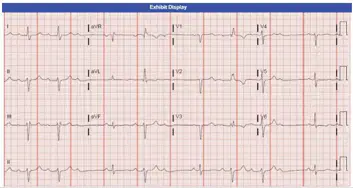
A 62-year-old man with a past medical history of bladder cancer and recurrent hematuria comes to the ED after 'passing out.' The patient was standing up to urinate shortly after waking when he felt dizzy. He was able to return to his bed before losing consciousness for several minutes. The patient's electrocardiogram at the time of admission is shown in the Exhibit. Which of the following most likely accounts for the obsered ECG changes?
a)
Impaired atrioventricular node conduction
b)
Ventricular preexcitation
c)
Atrial premature beats
d)
Atrial fibrillation
40.
A 46-year-old man has intermittent episodes of palpitations, lightheadedness, and near-syncope. His EKG is normal. The echo shows an ejection fraction of 42%. Holter monitor shows several runs of wide complex tachycardia lasting 5 to 10 seconds. Which of the following is most likely to benefit this patient?
a)
Pacemaker placement.
b)
Digoxin.
c)
Warfarin.
d)
EP studies.
41.
71-year old man is undergoing femoropopliteal bypass for severe claudication of the left leg, which causes unbearable pain with exercise. The patient's past medical/surgical history is significant for insulin-dependent DM type 2 and a remote appendectomy. What preoperative testing is recommended?
a)
BMP (Basic metabolic panel) + EKG
b)
BMP + EKG + PFTs.
c)
BMP + EKG + exercise stress test.
d)
BMP + EKG + thallium stress test.
42.
A 61-year-old man is due to undergo his first screening colonoscopy. His medical history is significant for hypertension, and he is currently taking lisinopril and amlodipine. The patient denies headache and chest pain. His blood pressure today is 160/100 mm Hg. What is the next step in the management of this patient?
a)
Schedule the patient for colonoscopy.
b)
Retake the patient's blood pressure.
c)
Optimize blood pressure control.
d)
Cancel the colonoscopy and get a CT colonoscopy
43.
A 57-year-old woman who underwent emergent cholecystectomy for a perforated gallbladder 3 days ago now has a fever of 38 C and is complaining of chills. The patient has not been ambulating and says she is in a great deal of pain at her incision. What is the most likely cause of her fever?
a)
Atelectasis.
b)
UTI.
c)
Wound infection.
d)
DVT.
e)
Abscess.
44.
A 62-year-old woman with no significant PMH underwent right total hip replacement 3 days ago. Recovery was uncomplicated until 30 minutes ago, when she reported moderate SOB and chest pain with deep inspiration. What is the next step in evaluating this patient?
a)
EKG only.
b)
EKG + heparin injection
c)
EKG + spiral CT scan.
d)
EKG + d-dimer..
45.
A 34-y/o man is admitted to the hospital following laparotomy for a gunshot wound. He received 5 units of packed RBCs during surgery. The patient has been receiving incentive spirometry and ampicillin/sulbactam. However, he develops a fever of 38.7 C on the 6th postoperative day. The patient's BP is 120/76, pulse is 97/min, and respirations are 14/min Examination shows an alert, pleasant man in no acute distress. The oropharynx is clear. The patient's heart and lungs are clear to auscultation. The abdomen is soft and nontender, and the wound has no discharge. He has a right internal jugular triple-lumen catheter and Foley catheter in place. The extremities have no swelling or redness. 2 days later, blood cultures grow coagulase-negative staphylococci in 4 out of 4 bottles. Which of the following is the most likely cause of this patient's fever?
a)
Drug fever
b)
Pulmonary embolism
c)
Malignant hyperthermia
d)
Catheter (centralline)-associated infection
46.
A 54-y/o man with a 30-pack-year smoking history undergoes laparoscopic cholecystectomy after an episode of biliary pancreatitis. On the third postoperative day, he is found to be mildly hypoxemic at 90% on room air. His temper is 36.7 C, BP is 130/80, heart rate is 90/min, and respirations are 22/min Lung auscultation shows decreased breath sounds at the bases. Arterial blood gas analysis results are as follows: pH 7.44; p02 64 mm Hg; pC02 34 mm Hg. Which of the following most likely explains the observed findings?
a)
Aspiration of gastric secretions
b)
Bronchial wall edema and bronchospasm
c)
Ventilator-associated pneumonia
d)
Impaired cough and shallow breathing
47.
A 68-year-old male undergoes colon resection surgery for diverticulosis. In the 24 hours following the surgery, he passes a total of 300 ml of urine. His past medical history is significant for coronary artery disease, right knee osteoarthritis and moderate COPD. On physical examination, his blood pressure is 110/70 mm Hg and his heart rate is 90/min. His lungs are clear to auscultation and his abdomen is soft and non-distended. His current labs are given below: Hemoglobin 9.5 mg/dl; WBC count 13.000/mm3; Platelet count 160,000/mm3; Sodium 138 mg/dl; Potassium 5.1 mg/dl; Glucose 108 mg/dl; Creatinine 2.3 mg/dl; BUN 82 mg/dl. His indwelling bladder catheter is changed but no residual urine is drained. Which of the following is the best next step in managing this patient?
a)
Furosemide
b)
Bolus of IV fluids
c)
Empiric antibiotics
d)
Low-dose dopamine infusion
48.
A 43-year-old woman was texting while driving when she lost control of her car and ran into a tree. She is complaining of chest pain; physical examination reveals pallor, cool extremities, a heart rate of 120 bpm, and JVD. Blood pressure is 80/40 mm Hg. Chest x-ray reveals 3 broken ribs over the left side of the chest. Which of the following is the most likely type of shock?
a)
Hypovolemic shock.
b)
Cardiogenic shock.
c)
Neurogenic shock.
d)
Septic shock.
49.
A 22-y/o man comes to the ED due to sudden-onset dyspnea 2 hours ago while watching television. The patient's dyspnea is gradually improving but he still has sharp right-sided chest pain that is worse with deep inspiration or cough. His medical history is unremarkable. The patient smokes 4-5 cigarettes daily and occasionally drinks alcohol. Temp is 36.7 C, BP is 140/80, pulse is 86/min, and respirations are 18/min. Pulse oximetry shows 98% on room air. He weighs 68 kg, is 188 cm tall, and has a BMI of 19.3 kg/m2. Physical examination is unremarkable. Chest x-ray reveals a small right apical pneumothorax. Which of the following is the most appropriate management of this patient?
a)
Chest tube placement
b)
CT scan of the chest
c)
Needle thoracostomy
d)
Supplemental oxygen
e)
Talc pleurodesis
50.
A 74-year-old man undergoes elective abdominal aortic aneurysm repair. Prior to surgery, he was given a dose of prophylactic antibiotics. He receives 2 units of packed red blood cells during the surgery. One hour after surgery, he develops fever and chills. The patient had coronary artery bypass graft surgery 2 months ago. His temperature is 38.5 C, blood pressure is 130/76 mm Hg, pulse is 90/min, and respirations are 16/min. Physical examination shows a mildly tender abdominal wound without redness. The lungs are clear to auscultation. He has a Foley catheter and right subclavian central venous access. each placed at the time of surgery. Which of the following is the most likely cause of this patient's fever?
a)
Catheter-associated infection
b)
Drug fever
c)
Malignant hyperthermia
d)
Nosocomial pneumonia
e)
Transfusion reaction
51.
A 25-year-old man is brought to the emergency department after being stabbed in the chest during a bar fight. On arrival, he is anxious and dyspneic. His blood pressure is 80/50 mm Hg, pulse is 128/min, and respirations are 28/min. Jugular venous distension is noted, along with muffled heart sounds. Breath sounds are present bilaterally. ECG shows low voltage QRS complexes with electrical alternans. Which of the following is the most appropriate next step in management?
a)
Immediate chest tube placement
b)
Pericardiocentesis
c)
Needle thoracostomy
d)
CT scan of the chest
e)
Intravenous fluids only
52.
A 32-year-old man is brought to the ED after a motor vehicle collision. He is found to be confused and diaphoretic. Vital signs: temperature 36.8 C, blood pressure 70/40 mm Hg, pulse 132/min, respirations 30/ min, and O2 saturation 84% on room air. On exam, he has distended neck veins and tracheal deviation to the left. Breath sounds are absent on the right, with hyperresonance to percussion. Heart sounds are normal. Which of the following is the most appropriate next step in management?
a)
Chest x-ray
b)
Chest tube placement
c)
Pericardiocentesis
d)
Immediate needle decompression
e)
Intravenous fuild resusication
53.
A 27-year-old man is brought to the emergency department after a motorcycle crash. He is confused and diaphoretic. Vitals: BP 78/40 mm Hg, HR 132/min, RR 28/min, O2 sat 85% on room air. On examination, he has jugular venous distention and muffled heart sounds. Lung auscultation reveals clear and equal breath sounds bilaterally. Trachea is midline. Which of the following is the most likely diagnosis?
a)
Tension pneumothorax
b)
Massive hemothorax
c)
Cardiac tamponade
d)
Neurogenic shock
54.
A 34-year-old man is brought to the emergency department after a high-speed motor vehicle collision. He is restless and diaphoretic. On examination, his BP is 70/40 mm Hg, HR 138/min, RR 32/min, and O2 sat 82% on room air. He has jugular venous distention, absent breath sounds on the left, and hyperresonance to percussion. Trachea is deviated to the right. A chest x-ray is ordered. Which of the following is the next best step in management?
a)
Administer 100% oxygen and obtain arterial blood gases
b)
Chest tube placement at the left mid-axillary line
c)
Immediate needle decompression at the left second intercostal space
d)
Obtain portable chest x-ray before intervention
e)
Pericardiocentesis
55.
A 32-year-old man is brought to the ED after a high-speed motor vehicle collision. He is unconscious. Vital signs: BP 70/40 mmHg. HR 136/min, RR 28/min, SpO2 82% on nonrebreather mask. Physical exam: Jugular venous distension. Diminished heart sounds. Trachea deviated to the left. Absent breath sounds on the right. Multiple right-sided rib fractures. FAST exam: shows a pericardial effusion. What is the most immediate next step in management?
a)
Perform pericardiocentesis
b)
Obtain a chest x-ray
c)
Place a right-sided chest tube
d)
Immediate needle decompression in the right 2nd intercostal space
56.
A 23-year-old man is brought to the emergency department in an obtunded state following a gun shot wound to the right upper quadrant of the abdomen. His systolic blood pressure is 60 mm Hg and unable to obtain diastolic blood pressure. His pulse is 136/min. Chest auscultation shows clear heart and breath sounds. The abdomen appears distended, and there is an obvious gun shot wound on the right upper quadrant. The bowel sounds are decreased. Which of the following is the most appropriate next step in management?
a)
Angiography
b)
Laparotomy
c)
Focused ultrasonography
d)
Laparoscopy
57.
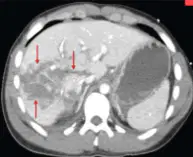
A 24-y/o previously healthy man is brought to the ED after an accident involving an all-terrain vehicle. He was driving the vehicle on the side of a hill when it rolled over and landed on top of him. His friends pulled him out and called paramedics. In the ED, the patient is alert but anxious and diaphoretic. He is wearing a cervical collar. BP is 82/61, pulse is 122/min and respirations are 24/min with shallow breaths. He has a scalp laceration that has stopped bleeding. Pupils are equal and reactive to light. There is bruising over the chest wall and abdomen. The trachea is midline. Bilateral breath sounds are present. The abdomen is distended with rebound tenderness. Bowel sounds are absent. Chest x-ray shows several rib fractures, including the right eighth and ninth ribs and the left fourth rib, without a pneumothorax. FAST shows a large amount of intraperitoneal fluid. Pelvic x-ray is negative for fractures. The patient remains hypotensive after rapid infusion of 2L of IV fluids and is taken for urgent exploratory surgery. Which of the following injuries is the most likely cause of this patient's persistent hypotension?
a)
Abdominal aortic injury
b)
Splenic laceration
c)
Hepatic laceration
d)
Splenic infarction
58.
A 54-y/o man is brought to the ED after a motor vehicle accident. He was a restrained driver, and his car crashed into a moving car in front of him. The patient was resuscitated with 2 L NS on the way to the hospital. His other medical problems include epilepsy and alcohol abuse. His medications include antiepileptics. BP is 78/54 and pulse is 126/min. Pulse oximetry shows 96% on room air. The patient is oriented to time and place and answers questions appropriately. Examination shows multiple facial lacerations, several anterior chest wall and abdominal wall ecchymoses, a midline trachea, and normal bilateral breath sounds. The abdomen is mildly tender without distension or peritoneal signs. There is no pelvic tenderness. Ultrasound in the ED shows free intraperitoneal fluid. Hb is 12 g/dL. Which of the following is the most likely finding on laparotomy?
a)
Kidney rupture
b)
Splenic laceration
c)
Descending aorta tear
d)
Small-bowel perforation
59.
A 28-year-old man is brought to the emergency department 4 hours after being involved in a motor vehicle collision. His blood pressure is 90/50 mm Hg, pulse is 120/min and respirations are 30/min. Examination shows a stuporous man with bruises over his extremities and upper abdomen. His trachea is midline and his neck veins are flat. His abdomen is moderately distended but non-tender. Immediately after being intubated and placed on mechanical ventilation he goes into cardiac arrest. Which of the following could have prevented cardiac arrest in this patient?
a)
Pain management
b)
Positive end-expiratory pressure
c)
Chest tube placement
d)
Volume resuscitation
60.
A 27-year-old man presents with severe abdominal pain that radiates to his back and began after his car was hit by another car. He says his abdomen hurts after colliding with the steering wheel. He is admitted, and after 2 days in the hospital a large ecchymosis is seen on the right flank. What is the most likely diagnosis?
a)
Hemorrhagic pancreatitis.
b)
Pseudocyst.
c)
Renal trauma.
d)
Aortic dissection.
61.
A 23-year-old man is brought to the emergency department after being involved in a motor vehicle collision in which he was the restrained passenger. He has multiple organ injuries and is listed in critical condition. His physical exam shows a blood pressure of 90/60 mmHg, pulse of 130/min, and respirations of 30/min. He appears slightly confused and does not respond appropriately to questions His eye exam shows pupils that are reactive bilaterally with no apparent neurological deficits. He responds to pain and deep stimulation on neurological exam. Extremities are cool to the touch with decreased capillary refill and an open wound in the right lower extremity with significant blood loss. A change in which of the following is the first indicator of hypovolemia?
a)
Systolic blood pressure
b)
Pulse rate
c)
Respiratory rate
d)
Level of consciousness
e)
Capillary refill time
62.
A 30-year-old man is hypotensive after blunt trauma. FAST is negative. Despite 2 L NS, BP remains 80/50. Breath sounds normal, trachea midline, CXR shows no hemothorax. Which is the most likely cause?
a)
Splenic rupture
b)
Hepatic laceration
c)
Pelvic fracture with retroperitoneal bleed
d)
Small-bowel perforation
63.
A 37-yo hospitalized man is evaluated for acute onset of intense periumbilical abdominal pain associated with nausea and vomiting. He has had 2 bowel movements since the pain started. The patient has a history of alcohol and IV heroin abuse. He was admitted 4 days ago for fever, chills, and SOB and was diagnosed with acute bacterial endocarditis. His blood cultures grew Staph aureus, and an echocardiogram showed vegetations on the MV. He is currently being treated with IV vancomycin. On examination, the patient appears in significant distress and is restless. Temp is 37.5 C, BP is 150/90 pulse is 110/min and regular, and respirations are 18/min. Pupils are equal, round, and 3 mm in size. Lungs are clear to auscultation. A 3/6 holosystolic murmur is present over the apex. There is no S3. On abdominal palpation, minimal diffuse tenderness is present. There is no rigidity or rebound. Bowel sounds are decreased. Extremities are warm with normal pulses. There is no tremor. Abdominal x-rays reveal no free air or obstruction. Which of the following is the most likely diagnosis?
a)
Acalculous cholecystitis
b)
Acute pancreatitis
c)
Ischemic Colitis
d)
Mesenteric ischemia
64.
A 67-y/o man is brought to the ED due to nausea, vomiting, and increasing abdominal pain over the last 3 hours. 4 weeks ago he was discharged from the hospital following an inpatient admission for acute MI. His other medical problems include T2DM, hypertension, hypercholesterolemia, and peptic ulcer disease. The patient quit smoking 2 years ago and does not use alcohol or illicit drugs. His temp is 37.8 C, BP is 150/90 pulse is 110/min and irregular, and respirations are 22/min. The patient appears to be in severe distress due to pain. The chest is clear to auscultation. Bowel sounds are decreased. There is diffuse abdominal tenderness, but it is more pronounced over the lower right quadrant. There is no peripheral edema. Initial laboratory results are as follows: Serum Na 140 mEq/L Chloride 100 mEq/L; Bicarbonate 14 mEq/L BUN 25 mg/dl; Creatinine 1.1 mg/dl Glucose 185 mg/dl Amylase 275 U/L; Lipase 80 U/L (normal, 0-160 U/L). Urinalysis is within normal limits. Which of the following is the most likely diagnosis in this patient?
a)
Ischemic Colitis
b)
Acute pancreatitis
c)
Bowel ischemia
d)
Acute appendicitis
65.
A 64-y/o man with a history of CAD and peripheral vascular disease undergoes coronary artery bypass surgery. His postoperative course is complicated by hypotension, which is treated successfully with IV fluids, However, a few hours later, he experiences abdominal pain followed by bloody diarrhea. His temp is 37.8 C, BP is 110/60, pulse is 110/min, and respirations are 20/min. Abdominal examination shows normal bowel sounds, with no significant guarding or focal tenderness. Laboratory results are as follows: Complete blood count: Hb 10.8 g/dL, Platelets 140,000/mm3 Leukocytes 200/mm3 Serum chemistry: Na 136 mEq/L; K 4.2 mEq/L BUN 18 mg/dL; Creatinine 0.8 mg/dL. The venous lactic acid level is elevated. An abdominal CT scan is ordered. Which of the following areas will most likely show abnormal findings?
a)
ileum
b)
Jejunum
c)
Hepatic flexure
d)
Splenic flexure.
e)
Ascending colon
66.
A 53-year-old obese man presents with sudden onset of abdominal pain that radiates to his right shoulder. The patient also says he has vomited blood earlier in the day. The patient has a full bottle of esomeprazole in his pocket and says he occasionally uses those for his heartburn. Physical examination reveals rebound tenderness in the midepigastrum. Upright chest x-ray shows air under the diaphragm. What is the most likely diagnosis?
a)
Gastric perforation.
b)
Hemorrhagic ulcer.
c)
Cholecystitis.
d)
Ischemic colitis.
e)
Mesenteric ischemia
67.
A 75-year-old man with a history of atrial fibrillation, coronary artery disease, and dyslipidemia presents with severe abdominal pain that is worsened with eating. He states the pain is 10/10 but no peritoneal signs are present. Laboratory analysis shows a white count of 15x103/uL with increased neutrophils and decreased bicarbonate. What is the most appropriate next step in management of this patient?
a)
Abdominal x-ray
b)
Angiography.
c)
CT scan of the abdomen.
d)
Colonoscopy.
68.
A 63-y/o woman presents to the ED with nausea, vomiting, and severe abdominal pain that has gradually been increasing in intensity. She states that she has not had a bowel movement in 3 days and cannot remember the last time she passed gas. Her medical history is significant for an abdominal hysterectomy. Physical exam reveals a temperature of 38.6 C and hyperactive bowel sounds, and the medical student thought he heard a tinkling sound. Laboratory results show a WBC count of 15,000. What is the most likely diagnosis?
a)
Acute appendicitis
b)
Acute pancreatitis
c)
Small bowel obstruction
d)
Acute mesenteric ischemia
69.
A 42-y/o woman reports bloating with mild, diffuse abdominal discomfort 4 days after undergoing an elective cholecystectomy. She has not passed gas since the surgery. Perioperatively, she received antibiotics, morphine for pain, and metoclopramide for nausea. Medical history is significant for hypertension, diabetes mellitus, and hyperlipidemia. BP is 132/90 and pulse is 76/min. BMI is 33 kg/m2. Physical examination shows a distended, tympanic abdomen with decreased bowel sounds. There is mild, diffuse tenderness but no rebound or guarding. The remainder of the examination shows no abnormalities. Which of the following is most likely contributing to this patient's current condition?
a)
Perioperative antibiotics
b)
Impaction of a gallstone in the ileum
c)
Metoclopramide
d)
Morphine
70.
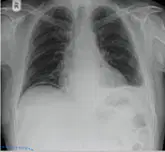
A 62-y/o man comes to the ED with severe epigastric pain lasting an hour. He has experienced episodic postprandial epigastric discomfort for several days, but today the pain is severe and constant. The patient also feels nauseated and has vomited once since the severe pain began. His medical history is significant for hypertension, DM type 2, hyperlipidemia, and CAD. The patient takes over-the-counter ibuprofen for osteoarthritis of the knee. He underwent coronary artery stenting a year ago. His temp is 37.6 C, BP is 116/70 and pulse is 102/min. ECG shows Q waves in the inferior leads. Chest x-ray is shown below (shows free air). Which of the following is the best next step in management of this patient?
a)
Mesenteric angiography
b)
CT scan of the abdomen with oral contrast
c)
Gallbladder ultrasonography
d)
Urgent exploratory laparotomy
71.
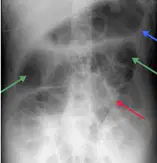
A 46-y/o man is brought to the ED after a fall during a downhill bicycle race. The patient lost consciousness for approximately 1 minute after the fall and reports severe back and abdominal pain. He has no other medical problems. CT scan of the head reveals no intracranial bleeding; CT scan of the abdomen reveals a small retroperitoneal bleed and splenic laceration. Lumbar film suggests a compression wedge fracture of the L2 vertebral body, and a brace is placed. The patient is conservatively managed with analgesics and supportive measures. On hospital day 3, he reports mild diffuse abdominal pain and nausea. His abdomen is distended, tympanic, and mildly tender without rebound or guarding. Bowel sounds are absent. X-ray of the abdomen reveals the following (dilated loops). Which of the following is the most likely diagnosis?
a)
Gastric perforation
b)
Complete small bowel obstruction
c)
Acute mesenteric ischemia
d)
Paralytic ileus
72.
A healthy 35-y/o man comes to the ED with severe abdominal pain for the last 4 hours The pain started in the periumbilical area but has now shifted to the right lower quadrant. He also complains of nausea and 2 episodes of vomiting. He has no history of other medical problems and takes no medications. The patient's temp is 38.9 C, BP is 125/80, pulse is 100/min, and respirations are 20/min. Abdominal examination shows tenderness in the right lower quadrant that does not worsen with inspiration. Palpation of the lett lower quadrant produces pain in the right lower quadrant. Urinalysis is normal. Laboratory results are as follows: White blood cells 16,000/IJL; Hematocrit 42%; Platelet count 220,000/IJL Leukocytes: Neutrophils 86%, Eosinophils 2% Lympho 8%; Mono 4%. Which of the following is the most appropriate next step in management of this patient?
a)
Computed tomography scan of the abdomen
b)
Colonoscopy
c)
Ultrasound of the abdomen
d)
Laparoscopic appendectomy
73.
A 72-yo man underwent surgical repair of an aneurysm of the infrarenal aorta. He received perioperative prophylaxis with a second-generation cephalosporin antibiotic. On the first postoperative day he complains of progressive abdominal pain and bloody diarrhea. His temp is 38.5 C, BP is 110/65, pulse is 110/min and respirations are 22/min. His abdomen is mildly distended and tender to palpation. The tenderness is mostly in the left lower quadrant without rebound. Femoral pulses are full and symmetric. His white blood cell count is 12,000/mm3. Which of the following is the most likely diagnosis?
a)
Perforation of the colon
b)
Invasive infectious diarrhea
c)
Aortoenteric fistula
d)
Ischemia of the bowel
74.
A 23-year-old woman comes to the ED because of a 3-day history of nauses, decreased appetite, and moderate lower abdominal cramps that do not radiate. She has vomited once today. She has no history of serious illness and takes no medications. She is sexually active with one male partner, they use condoms Inconsistently. Menses occur at regular intervals and last 4 days; her last menstrual period 2 weeks ago was normal. BMI is 21 kg/m 2. Her temp is 38.1°C, pulse is 104/min and regular, respirations are 14/min, and BP is 114/74 mm Hg. Pulse oximetry on room air shows an oxygen saturation of 98%. The abdomen is soft, there is suprapubic tenderness to palpation with no guarding. Pelvic examination shows right adnexal tenderness. The remainder of the examination shows no abnormalities. Which of the following is the most appropriate next step in diagnosis?
a)
Transvaginal pelvic ultrasound
b)
Complete blood count
c)
Measurement of serum hCG concentration
d)
Urinalysis
75.
A 46-ylo man is brought to the ED after being involved in a motor vehicle collision He is unresponsive and his injuries include a basilar skull fracture, brain contusion, fractures of ribs 7-10, hemopneumothorax on the right, and a pelvic fracture After multiple blood product transfusions, placement of a chest tube, and pelvis foxation, his condition stabilizes. On the 5th day of his hospital stay, he is minimally responsive and has spontaneous respirations. Examination shows diminished bowel sounds and facial grimacing with palpation of the RUQ of the abdomen Rectal examination shows no abnormalities. Nasogastric tube aspiration shows retention of gastric contents. An abdominal CT scan reveals gaseous distension of the small and large bowels without air-fluid levels. The gallbladder is distended with no gallstones; there is small amount of pericholecystic fluid. Which of the following is the most likely cause of this patient's condition?
a)
Cholecystitis
b)
Gastric perforation
c)
Mesenteric ischemia
d)
Small-bowel obstruction
76.
A 40-year-old obese woman with 5 children presents with a 'growing' pain that recently has become severe. She notes the pain right after she finishes a meal and states that it radiates to her right shoulder. Physical exam reveals a cessation of inspiration upon palpation of the right upper quadrant and rebound tenderness. Laboratory analysis shows white blood cell count of 15,000 and a left shift. What is the most likely diagnosis?
a)
Acute appendicitis.
b)
Mirizzi syndrome.
c)
Ectopic pregnancy.
d)
Cholecystitis.
77.
A 38-y/o woman comes to the hospital due to RUQ pain associated with nausea and vomiting for the past 12 hours. She has had similar pain previously, usually after the ingestion of fatty foods, but past episodes have always resolved within 1-2 hours. Past medical history includes hypertriglyceridemia, for which she takes fenofibrate. The patient's temp is 38.3C, BP is 130/70, pulse is 98/min, and respirations are 20/min. Her BMI is 34 kg/m2. Examination shows RUQ tenderness. Laboratory results are as follows: Total bilirubin 0.8.mg/dl: ALP 80 U/L: AST 22 U/L ALT 24 U/L, Amylase 81 U/L. Abdominal ultrasound reveals gallstones, a thickened gallbladder wall with edema, and a normal common bile duct. In addition to the supportive care, which of the following is the most appropriate next step in management of this patient?
a)
Cholecystectomy within 72 hours
b)
CT scan of the abdomen
c)
Delayed cholecystectomy after 7 days
d)
Discontinue fenofibrate and reevaluate in 3 months
78.
A 45-yo female undergoes an elective cholecystectorny for galstones causing recurrent severe RUQ abdominal pain, However, even after the surgery her pain does not resolve and she experiences similar kind of pain. Dunng an acute pain episode, her laboratory reports show ALT 80 IU/L, AST 70 IU L, ALP 450 RI and total bilirubin 1.6 mg/dl, Ultrasonogram of abdomen and ERCP are done and show normal bile ducts and pancreas. A sphincter of Oddi manometry is done which shows markedly elevated pressures. What would be the most appropriate intervention for this patient?
a)
Do a surgical resection of pancreatic head
b)
Give her nitrates
c)
Give her calcium channel blockers
d)
Do an ERCP sphincterotomy
79.
A 60-year-old man in cardiac arrest is brought to the ED by paramedics. Bystanders initiated CPR within minutes of his collapse. Paramedics say his initial rhythm was pulseless electrical activity (PEA) when they arrived at the scene. En route to the hospital, paramedics continued CPR and obtained a supraglottic airway. Three doses of epinephrine were administered. No medical history is available. On arrival, CPR is continued, and the first rhythm is PEA. The supraglottic airway is functioning appropriately. Auscultation of the lungs discloses coarse breath sounds bilaterally On a brief secondary survey, an arteriovenous graft is noted in the patient's left arm, and he has had a right-sided below-knee amputation. There are no signs of trauma. Fingerstick blood glucose concentration is 312 mg/dl (17.32 mmol/L). Which of the following interventions is most likely to improve this patient's condition?
a)
Administration of atropine
b)
Administration of calcium chloride
c)
Administration of insulin
d)
Endotracheal intubation
80.
A 38-year-old woman is brought to the emergency department by her husband after she had a syncopal episode at home 30 minutes ago. On arrival, the patient is doubled over in pain. She says that she had abdominal pain about an hour before she fainted, and that it has been continuous for the past 30 minutes. She says that she has never been pregnant, has been healthy, and is not taking any medications. Her temperature is 37.3 C, pulse is 120/min, respirations are 22/min, and blood pressure is 80/40 mm Hg. Which of the following is the most appropriate first step?
a)
ECG
b)
Urine pregnancy test
c)
Ultrasonography of the pelvis
d)
Intravenous fluid resuscitation with 0.9% saline
81.

A 60-year-old man is brought to the ED 30 minutes after a syncopal episode. The patient experienced palpitations, weakness, and dizziness, and then collapsed and lost consciousness for approximately 1 minute. He reports a similar episode 1 week ago for which he did not seek care: The patient has congestive HF and HTN treated with furosemide and atenolol. On arrival, his temp is 37 C, pulse is 70/min, respirations are 18/min and BP is 120/70 mm Hg. Pulse oximetry on room air shows an oxygen saturation of 98% Auscultation of the chest discloses clear lungs and no murmurs. During the examination he experiences another episode of palpitations. A rhythm strip is shown. The episode passes and he reports feeling 'normal' after resolution of the palpitations. Vital signs and physical examination remain unchanged after the episode. Administration of which of the following is the most appropriate next step in management?
a)
Amiodarone
b)
Atropine
c)
Calcium gluconate
d)
Magnesium
82.
A 68-year-old man comes to the physician due to yellowing of his eyes and dark urine for 2 weeks. He denies fever, abdominal pain or changes in stool color. He has a 50-pack-year smoking history and drinks 1-2 beers daily. He has lost 6 kg in the past 2 months. On examination, he appears thin and mildly icteric. His abdomen is soft, nontender, and non-distended. There is a palpable, non-tender mass in the right upper quadrant. No hepatomegaly or splenomegaly is noted. Laboratory studies show: Total bilirubin: 10.8 mg/dL (Direct: 8.9 mg/dL); ALP: 540 U/L, AST: 78 U/L ALT: 70 U/L; Amylase and lipase: normal. Ultrasound of the abdomen reveals a dilated gallbladder and common bile duct but no gallstones. Which of the following is the most likely diagnosis?
a)
Acute viral hepatitis
b)
Choledocholithiasis
c)
Primary biliary cholangitis
d)
Pancreatic adenocarcinoma
e)
Cholangitis
83.
A 52-year-old woman comes to the ED for rectal pain that started 2 hours ago. The pain is described as severe, burning, and exacerbated while sitting. Medical history is significant for chronic idiopathic constipation, for which she takes a fiber supplement. The patient has 4 children, all of whom were vaginally delivered. Family history is unremarkable. She does not use tobacco, alcohol, or illicit drugs. Temp is 37.2, BP is 138/84 mmHg, and pulse is 90/min. on physical examination, the patient appears in moderate distress due to pain. The abdomen is soft, nontender. Bowel sounds are normoactive. Anal examination reveals a small, exquisitely tender, bluish lesion at the anal verge. Which of the following is the most likely diagnosis?
a)
Crohn disease
b)
Thrombosed external hemorrhoid
c)
Rectal prolapse
d)
Perianal abscess
84.
A 68-year-old man is brought to the hospital due to acute fever, malaise, lower abdominal discomfort, and right flank pain. Six months ago, he was hospitalized for similar symptoms and was diagnosed with a urinary tract infection; at that time, his urine culture grew E.coli, and his symptoms completely resolved with antibiotic therapy. Over the past year, the patient has experienced frequent nighttime urination and dribbling but no gross hematuria. Medical history is significant for major depressive disorder and mild idiopathic pulmonary fibrosis. Temp is 38.7C, BP is 130/80 mmHg, and pulse is 98/min. the patient appears acutely ill. Bilateral basal crackles are present. There is right costovertebral angle tenderness. Laboratory results are as follows: Complete blood count: Leukocytes 16.800/mm3; Serum chemistry: creatinine 1.2 mg/dl; Urinalysis: blood moderate, bacteria many, WBC 50+/hpf. Which of the following is the most likely underlying cause of the patient's current condition?
a)
Detrusor overactive
b)
High post-void residual volume
c)
Infectious urethritis
d)
Community-acquired pneumonia
85.
An 82-yo woman is brought to the ED due to severe abdominal pain and vomiting. She has been feeling 'unwell' with nausea and decreased appetite for the past 5 days. The patient describes several mild, self-resolving episodes of vomiting, abdominal bloating, and cramps during that time. She attributed her symptoms to a 'stomach virus' and did not seek medical attention. Her PMH includes DM, HTN, MV prolapse, osteoarthritis, gallstones, and constipation. She was treated medically for diverticulitis 2 years ago without recurrence. The patient has no known drug allergies. Her temp is 37.2C, BP is 108/68, pulse is 106/min, and respirations are 20/min. Physical examination reveals an anxious and obese woman. Cardiopulmonary examination reveals a late systolic click but is otherwise unremarkable. Her abdomen is soft but distended with hyperactive bowel sounds. There is no evidence of icterus. Laboratory workup is significant for a leukocyte count of 11,000/mm3 and mild elevation of liver transaminases. Abdominal x-ray shows dilated loops of small bowel and air in the intrahepatic bile ducts. Which of the following is the most likely cause of this patient's symptoms?
a)
Gastric perforation
b)
Acute bowel ischemia
c)
Emphysematous cholecystitis
d)
Mechanical bowel obstruction
86.
A 49-year-old woman comes to the ED for evaluation of back pain. The patient underwent a total abdominal hysterectomy and bilateral salpingo-oophorectomy for ovarian cancer 1 week ago. She had an uncomplicated postoperative course, with her Foley catheter removed on postoperative day 2. she was discharged home on postoperative day 4. The patient noted some right-side back pain after surgery that improved with pain medications. However, the pain has becom progressively more severe and is no longer responding to pain medication. The pain does not radiate, and now she has associated nausea and vomiting. Temp is 37.2C, BP is 128/72 mmHg, and pulse is 92/min. BMI is 38 kg/m2. the abdominal incision is closed and has no erythema, drainage, or fluctuance. There is mild right costovertebral angle tenderness; the left side is nontender. Serum creatinine is 0.8 mg/dl. Catheterized urinalysis is normal. Which of the following is the most likely cause of this patient's pain?
a)
Acute pyelonephritis
b)
Hydronephrosis
c)
Nephrolithiasis
d)
Renal infarction
87.
A 45-year-old woman comes to the ED with colicky pain in the RUQ. Her pain started about an hour ago after a large, fatty meal and is associated with nausea. The patient had a similar episode a week ago that resolved spontaneously. She has no vomiting or diarrhea. The patient had a cholescystectomy 2 years ago due to symptomatic cholelithiasis. Her other medical problem include hyperlipidemia and obesity. The patient does not use tobacco, alcohol, or illicit drugs. Temp is 37C, BP is 140/85 and pulse is 110/min. cardiopulmonary examination is unremarkable except for tachycardia. She has RUQ tenderness to deep palpation without guarding or rebount tenderness. Bowel sounds are normal. Rectal examination is normal and stool is negative for blood. Lab results are as follows: Leukocytes 8,000/mm3; Live function studies: total bilirubin 1.3mg/dl; ALP 120 U/L; AST 37 U/L; ALT 49 U/L; amylase 91 U/L. Abdominal ultrasonography reveals a mildly dilated common bile duct but no stones. While in the ED, the patient receives morphin for pain control, but the pain worsens. Which of the following is the most likely diagnosis in the patient?
a)
Chronic mesenteric ischemia
b)
Irritable bowel syndrome
c)
Sphinter of Oddi dysfunction
d)
Choledocholithiasis
88.
A 64-year-old man comes to the office due to urinary urgency, straining to urinate, a sensation of incomplete bladder evacuation, and frequent nocturia over the past several months. He has had no dysuria, fever, chills, abdominal or perineal pain, or penile discharge. The patient had similar symptoms in the past, which had improved after undergoing transurethral resection of the prostate 5 years ago. He has no other medical conditions and takes no medications. Vital signs are within normal limits. Physical examination shows a soft and nontender abdomen. There are no external genital lesions, and perineal sesation is normal. Digital rectal examination shows normal anal sphincter tone and a nontender prostate. Urine dipstick is negative for blood, leukocyte esterase, or nitrites. Which of the following is the most likely cause of this patient's current symptoms?
a)
Benign prostatic hyperplasia
b)
Chronic prostatic inflammation
c)
Neurogenic detrusor overactivity
d)
Lower urinary tract infection
89.
A 52-year-old obese woman comes to the clinic complaining of intermittent right upper-quadrant pain and nausea. She had an elective cholecystectomy for gallstones a year ago. The pain is located in the right subcostal area and generally lasts 30-60 minutes. The patient recalls that she had similar pain episodes before the surgery. Laboratory results after one of the episodes are as follows: Total bilirubin 2.1 mg/dl; direct bilirubin 1.2 mg/dl; ALP 185 U/L; AST 84 U/L; ALT 72 U/L. An ultrasound of the abdomen reveals mild dilation of the common bile duct. The pancreas is visualized and appears normal. Which of the following is the best next step in management of this patient?
a)
Liver biopsy
b)
Ursodeoxycholic acid therapy
c)
Sphincter of Oddi manometry
d)
Endoscopic retrograde cholangiopancreatography
90.
A 53-yo man comes to the physician complaining of increased urinary frequency for the past 4 weeks. He has no burning with urination, urgency, or difficulty initiating urination. He wakes up several times at night to urinate. His mouth feels dry all the time and he drinks fluids almost every hour to alleviate his thirst. The patient's medications include hydrochlorothiazide and amlodipine for hypertension. His sister was diagnosed with diabetes mellitus at a young age. His BP is 120/76, pulse is 85/min, and respirations are 15/min. He is afebrile. His BMI is 32 kg/m2. Laboratory results are as follows: Blood glucose 93 mg/dL; Serum Na 150 mEq/L; K 4.1 mEq/L HCO3-24 mEq/L; BUN 21 mg/dL; Serum creatinine 1.1 mg/dL; uric acid 10.1 mg/dL; Serum osmolality 314 mOsm/kg; Urine osmolality 124 mOsm/kg. Which of the following is most consistent with this patient's findings?
a)
Benign prostatic hyperplasia
b)
Diabetes insipidus
c)
Primary polydipsia
d)
Hydrochlorothiazide side effect
91.
A 49-year-old man comes to the office due to a 3-month history of fatigue. He also reports diffuse joint pain, finger swelling, and difficulty gripping objects with his right hand. The patient has poorly controlled hypertension despite compliance with medications, a low-salt diet, and regular exercise. Temperature is 36.7, BP is 146/98 mmHg, pulse is 90/min, and respirations are 14/min. on examination, facial features appear coarse and differ significantly from those on his driver's license photograph taken 3 year ago. The palms are sweaty and have a doughy feel. The skin is oily. Multiple skin tags are noted, particularly on the neck. Tapping the ventral aspect of right wrist produces shooting pain on the lateral side of right hand. Which of the following is the best next step in evaluation this patient?
a)
Fasting growth hormone level
b)
Growth hormone level following an oral glucose load
c)
Insulin-like growth factor-1 level
d)
MRI of the pituitary gland
92.
A 24-year-old man comes to the office for evaluation of progressive enlargement of the breasts for 2 years. He reports normal early morning erections and has had no headaches, breast pain or discharge, or fatigue. The patient does not use alcohol or recreational drugs. BP is 110/70 mmHg and pulse is 88/min. BMI is 35 kg/m2. Examination of the breast shows soft tissue enlargement without clearly defines, palpable borders or nodules. There is no tenderness, discharge, nipple retraction, or skin dimpling. The remainder of the physical examination is unremarkable. Which of the following is the most appropriate next step in management of this patient?
a)
Obtain breast ultrasound
b)
Obtain serum prolactin level
c)
Recommend weight loss
d)
Recommend tamoxifen therapy
93.
A 62-yo Caucasian woman complains of difficulty remembering important dates and appointments. She also describes poor concentration, daytime sleepiness and easy fatigability. She is concerned about her forgetfulness because her mother suffered from recurrent strokes and had severe memory loss. Her father died of chronic leukemia. Her daughter's recent job loss has caused her a lot of stress. She does not smoke or consume alcohol. Her appetite is decreased but she has gained 4 pounds over the last 3 months. She visited an otolaryngologist for hoarseness of recent onset. She takes over-the-counter laxatives for constipation and occasional aspirin for knee pain. She denies any other medication use. Which of the following is the most likely diagnosis in this patient?
a)
Alzheimer's dementia
b)
Vitamin B12 deficiency
c)
Multiinfarct dementia
d)
Hypothyroidism
94.
A 36-year-old man comes to the office with a 6-month history of fatigue, mild headache, and decreased libido. His past medical history is notable for type 2 diabetes and bipolar disorder. His medications include metformin and risperidone. The patient smokes a pack of cigarettes a day and drinks 2 or 3 cans of beer daily. BP is 126/73 mmHg and pulse is 86/min. His BMI is 31 kg/m2. Physical examination shows decreased testicular volume but is otherise normal. Laboratory results are as follows: LH 0.5 mlU/mL; Testosterone, total 100 ng/dl (normal: 240-950 ng/dl); TSH 0.05 uU/ml; fT4: 0.45 ng/dl (0.9-1.7 ng/dl); Prolactin 35 ng/ml. Which of the following is the most likely diagnosis?
a)
Alcohol-related testicular atrophy
b)
Chronic autoimmune thyroiditis
c)
Medication side effect
d)
Pituitary adenoma
95.
A 34-yo woman, gravida 1 para 1, comes to the office for postpartum follow-up. She had a vaginal delivery 6 weeks ago that was complicated by severe postpartum bleeding requiring aggressive volume resuscitation and transfusion of 5 units of packed red blood cells. Since the delivery, the patient has been very fatigued with poor appetite. She is 'very concerned' about having little energy to bond with her child; her family has been helping with the baby. The patient has been formula feeding her infant due to lack of milk production. Her prepregnancy weight was 63.5 kg, weight at delivery was 82.5 kg, and current weight is 56.2 kg. BP is 90/69 and pulse is 88/min. Examination shows a well-healed perineal laceration scar. Which of the following is the most likely cause of this patient's current symptoms?
a)
Postpartum depression
b)
Pituitary ischemic necrosis
c)
Primary adrenal insufficiency
d)
Postpartum thyroid inflammation
96.
A 23-year-old woman comes to the office with a month of milky discharge from both nipples. The patient's menstrual cycles have also been erratic for the past 3 months and her libido is poor. She has mild breast tenderness but does not report any other symptoms. The patient has no medical issues but says she had a 'nervous breakdown' a year ago, felt depressed, and did not leave the house for almost 2 months. She thought a neighbor was plotting to burn down her house, so she sat up many nights at the door watching for unusual activity. The patient was eventually treated and remains on medication. She has a family history of breast cancer, bipolar disorder, and Graves disease. She occasionally drinks alcohol, and smokes a half-pack of cigarettes per day. Laboratory studies show a prolactin level of 70 ng/ml (normal, 3-30ng/ml) and a TSH of 3.0 mU/L. Urine pregnancy test is negative. Which of the following is most likely responsible for this patient' current symptoms?
a)
Prolactinoma
b)
Risperidone
c)
Hypothyroidism
d)
Polycystic ovary syndrome
97.
A 45-year-old man comes to the ED due to a 4-week history of progressively worsening shortness of breath. The patient has no history of cardiopulmonary disease, although his wife, who accompanies him, states that he snores heavily at night. In addition, over the last 6 months his hands and feet have become enlarged; he is unable to take off his wedding ring and his shoes no longer fit. The patient has no significant medical history and take no medications. He does not use tobacco or alcohol. On examination, he has coarse facial features with prominent frontal bones and jaw and crowding of the pharyngeal space. The extremities show enlarged, swollen hands and feet. There are fine crackle at the lung bases. Which of the following is most likely to be found on echocardiogram?
a)
Apical left ventricular aneurysm
b)
Asymmetric thickening of the interventicular septum
c)
Concentric left ventricular hypertrophy
d)
Flail posterior mitral valve leaflet
98.
A 34-yo woman comes to the office with an uncomfortable sensation of rapid heartbeat for the last few weeks. She has had no associated chest pain or SOB. The patient reports that her anxiety level has been high recently due to stress at work, and she has lost close to 2 kg during this time. Her last menstrual period was 5 days ago. Medical history is unremarkable, and she takes no medications. On examination, the thyroid gland is diffusely enlarged and nontender. Laboratory results are as follows: Complete blood count Hemoglobin 12.9 g/dL; Hct 39%; Platelets 200,000/mm3; Leukocytes 8500/mm3 Serum chemistries Na 139 mEq/L; <4.2 mEq/L; Cl 100 mEq/L; Bicarbonate 25 mEq/L BUN 10 mg/dl; Creatinine 1.0 mg/dl; Calcium 9.1 mg/dl; Glucose 102 mg/dl TSH <0.001 uU/ml; Free T4 4.6 ng/dl (0.9-2.4 ng/dl). ECG shows sinus tachycardia at 120/min. Radioactive iodine uptake is <5%, and anti-thyroid peroxidase antibodies are present in high titers. Which of the following is the most appropriate next step in management of this patient?
a)
Alprazolam
b)
Levothyroxine
c)
Methimazole
d)
Propranolol
99.
A 36-yo woman, gravida 0 para 0, comes to the office with frequent headaches and amenorrhea for the last 2 months. The patient has also had weight loss, intermittent palpitations, and vague visual disturbances. Her medical history is unremarkable, and she takes no medications. The patient experienced menarche at age 12 and has had normal menstrual cycles all her life. She does not smoke cigarettes or drink alcohol. BP is 130/60 mmHg, and pulse is 103/min and regular. Weight is 69 kg; a year ago it was 76 kg. Examination shows a symmetrically enlarged, nontender thyroid gland. Auscultation of the chest shows tachycardia with regular heart rhythm. A fine hand tremor is noted. The remainder of the physical examination is unremarkable. Laboratory results are as follows: Serum T3 222 ng/dl Serum T4 13.9 ug/dl; Serum TSH 6 uU/ml. Which of the following is the most likely diagnosis for this patient?
a)
Normal pregnancy
b)
Graves disease
c)
Hashimoto thyroiditis
d)
TSH-secreting pituitary adenoma
100.
A 45-yo woman comes to the office due to progressive fatigue, myalgias, and muscle weakness in both lower extremities for the past month. She has slight difficulty getting up from a chair, and has weakness and cramping in the legs after walking a short distance. The patient's other medical problems include hypertension, which is treated with lisinopril. She does not use tobacco, alcohol, or illicit drugs. BP is 140/80 mmHg, pulse is 64/min, and respirations are 14/min. Examination shows mildly decreased strength in the proximal muscles of the lower extremities with sluggish ankle jerks bilaterally. Laboratory tests show a normal erythrocyte sedimentation rate and an elevated serum creatine kinase level. Serum sodium, glucose, potassium, and creatinine are normal. Which of the following is the most appropriate next step in management of this patient?
a)
Antinuclear antibody test
b)
Discontinuation of lisinopril
c)
Electromyogram
d)
Serum TSH and free T4 tests
101.
A 22-yo female presents with complaints of heat intolerance, sweating and palpitations. She also reports menstrual irregularities, increased appetite and diarrhea. Her pulse is 102/min and regular, BP is 116/80 mmHg, temperature is 37.2 C, and respirations are 14/min. Physical examination reveals a diffusely enlarged, nontender thyroid gland. TSH level is 0.05 mU/L. Free T4 and T3 levels are elevated. Radioactive iodine uptake at 24 hours is 50 percent. Thyroid stimulating immunoglobulins are present. She is started on propylthiouracil 300 mg daily in three divided doses. After two weeks, she returns and complains of a sore throat. Her pulse is 98/mir and regular, temperature is 38.6 C, BP is 115/76 mmHg, and respirations are 15/min. The soft palate, pharynx, and tonsils are red and swollen. What is the most appropriate next step in the management of this patient?
a)
Add propranolol
b)
Oral penicillin
c)
Stop propylthiouracil
d)
Throat culture
102.
A 46-year-old woman comes to the office because of a small mass she found on palpation of her own thyroid. A small nodule is found in the thyroid. There is no tenderness. She is otherwise asymptomatic and uses no medications. What is the most appropriate next step in the management of this patient?
a)
Fine-needle aspiration.
b)
Radionuclide iodine uptake scan.
c)
T4 and TSH levels.
d)
Thyroid ultrasound.
e)
Surgical removal (excisional biopsy).
103.
A 46-year-old woman with a thyroid nodule is found to have normal thyroid function testing. The fine-needle aspirate comes back as 'indeterminant for follicular adenoma.' What is the most appropriate next step in the management of this patient?
a)
Neck CT.
b)
Surgical removal (excisional biopsy).
c)
Ultrasound.
d)
Calcitonin levels.
104.
A 28-yo woman, gravida 2 para O aborta 2, comes to the office following a miscarriage. She had a previous first-trimester miscarriage 9 months ago. The patient has no other known medical problems. She has not experienced any recent change in appetite or weight, diarrhea, constipation, heat or cold intolerance, dyspnea, or hoarseness. The patient's mother has hypothyroidism treated with levothyroxine and hypertension treated with hydrochlorothiazide. The patient does not use tobacco or alcohol. Examination shows a symmetrically enlarged, nontender, firm thyroid gland. There is no cervical lymphadenopathy, and the rest of the physical examination is normal. Her TSH level is 7.2 uU/ml and free T4 is normal. Pelvic ultrasonography is normal. Which of the following autoantibodies is most likely associated with this patient's medical condition?
a)
Anticardiolipin antibody
b)
TSH-receptor-blocking antibody
c)
Anti-thyroid peroxidase antibody
d)
Thyroid-stimulating immunoglobulin
105.
A 60-year-old man is admitted to the hospital with right lower lobe pneumonia. His medical history is significant for hypertension, DM, stage 3 chronic kidney disease, severe degenerative disease of the spine, and hypothyroidism due to thyroidectomy 5 years ago. He is a chronic smoker with a 40-pack-year history. During his hospitalization, the laboratory report shows decreased serum calcium and increased phosphate levels. Furher evaluation shows an increased serum parathyroid hormone level. Which of the following medical conditions is most likely responsible for this patient's abnormal laboratory findings?
a)
Hypomagnesemia
b)
Primary hyperparathyroidism
c)
Renal failure
d)
Thyroidectomy
106.
A 39-year-old woman who recently underwent thyroidectomy for Grave's disease complains of anxiety, muscle cramps, and poor sleep. Her medications include daily multivitamin supplements and lansoprazole for acid reflux disease. Her temperature is 36.6 C, blood pressure is 142/85 mm Hg, and pulse is 82/min. Electrocardiogram shows normal sinus rhythm with prolongation of the corrected QT interval to 510 msec (normal <460 msec). Which of the following is the most likely diagnosis?
a)
Hyperkalemia
b)
Hypocalcemia
c)
Hyponatremia
d)
Persistent hyperthyroidism
107.
A 33-year-old woman comes to the office for follow-up of a thyroid nodule that was discovered incidentally on a routine physical examination 3 weeks ago. The patient feels well and has experienced no weight changes, temperature intolerance, or menstrual irregularities. Medical history is notable for primary hypothyroidism treated with levothyroxine. Family history is notable for hypertension and hypothyroidism in her mother, but the patient has no relatives with a history of thyroid cancer. TSH is normal. Neck ultrasound reveals a 2 cm hypoechoic nodule in the right lobe of her thyroid without any enlarged lymph nodes. Fine-needle aspiration biopsy reveals large cells with ground glass cytoplasm, and pale nuclei containing inclusion bodies and central grooving consistent with papillary thyroid cancer. Which of the following is the best next step in management of this patient?
a)
Antithyroid peroxidase antibody assay
b)
Surgical resection
c)
Measurement of serum calcitonin
d)
Radioactive iodine ablation
108.
50-year-old man comes to the office due to a 4-month history of achy joint pain in the lower back, shoulder, hips, and knees. The pain increases with activity, and he has no morning stiffness. The patient also has excessive sweating, polyuria, and erectile dysfunction. Medical history is unremarkable. The patient has a 25-pack-year smoking history and drinks moderate amounts of alcohol on social accasions. BP is 150/90 mmHg, pulse is 80/min, and respirations are 16/min. examination shows crepitus on passive movement of the knee joints. There is increased interdental spacing and an enlarged tongue, and the remainder of the examination is normal. Plain radiography of the hand reveals widening of the joint spaces, osteophytes, and thickened soft tissues. Laboratory evaluation reveals low testosterone and hyperglycemia. What is the most likely diagnosis?
a)
Acromegaly
b)
Hemochromatosis
c)
Paget disease of bone
d)
Paraneoplastic syndrome
109.
A 28-y/o woman is hospitalized following a motor vehicle accident. She was returning home following a wine tasting event when she veered off the road and rolled her car. Initial evaluation in the ED found severe hypotension, a hip fracture, multiple rib fractures, and evidence of blunt abdominal trauma. The patient underwent emergent laparotomy, which revealed a liver laceration and extensive hemoperitoneum. Her condition was stabilized with surgical intervention, fluid resuscitation, and blood transfusions. In the early postoperative period soon after extubation, the patient developed numbness in the fingertips and around her lips. She also developed forceful flexion of the wrist with abduction of the thumb while her nurse was measuring her blood pressure. Temperature is 37.4 C, BP is 120/68, pulse is 80/min, and respirations are 12/min. Neurologic examination shows hyperactive reflexes diffusely with 5/5 muscle strength in all extremities. Which of the following is the most likely diagnosis?
a)
Alcohol withdrawal
b)
Anxiety
c)
Hypocalcemia
d)
Hypermagnesemia
110.
A 65-year-old man with acute myocardial infarction complicated by cardiogenic shock is admitted to the coronary care unit. His hospital course is complicated by acute renal failure and lower gastrointestinal bleeding from anticoagulation therapy. The patient has no previous history of thyroid disease. Physical examination of the thyroid gland is normal. Laboratory results are as follows: Thyroxine (T4), free 1.3 ng/dl (normal, 0.9-2.4 ng/dl); Triiodothyronine (T3), total 70 ng/dl (normal, 80-180 ng/dl); TSH 2.0 mU/L (normal, 0.5-5.0 mU/L). Which of the following is the most likely diagnosis?
a)
Subclinical hypothyroidism
b)
Euthyroid sick syndrome
c)
Primary hypothyroidism
d)
Riedel's (fibrous) thyroiditis
111.
A 75-year-old man with a history of malignancy is admitted with lethargy, confusion, and abdominal pain. He is found to have a markedly elevated calcium level. After 3 liters of normal saline and pamidronate, his calcium level is still markedly elevated the following day. What is the most appropriate next step in management?
a)
Calcitonin
b)
Pamidronate
c)
Plicamycin
d)
Gallium
e)
Dialysis
112.
A 26-yo woman calls the office with a question about management of hypothyroidism during pregnancy. The patient is not pregnant but wishes to become pregnant soon. She has a history of hypothyroidism for several years and has been on a stable dose of levothyroxine. TSH checked 3 months ago was 2.0 uU/ml The patient currently has mild fatigue but is otherwise asymptomatic. Family history is notable for primary hypothyroidism in her mother, who is doing well on a regimen of liothyronine (T3) and levothyroxine (T4). Which of the following is the most appropriate recommendation for this patient?
a)
Continue the current levothyroxine dose through pregnancy
b)
Decrease the levothyroxine dose when the patient becomes pregnant
c)
Switch to combination treatment with liothyronine and levothyroxine
d)
Increase the levothyroxine dose when the patient becomes pregnant
113.
A 66-y/o woman is brought to the ED due to agitation, restlessness, and poor sleep. Over the past 3 months, she has had headaches and gained 6.3 kg. The patient's medical history is unremarkable, and she takes no medications. She has smoked a pack of cigarettes daily for the last 50 years but does not use illicit drugs. BP is 160/110 and pulse is 90/min Skin examination shows facial plethora and scattered bruises on her extremities. Laboratory results are as follows: Na+ 147 mEq/L; K+ 3.2 mEq/L; CI- 98 mEq/L Bicarbonate 26 mEq/L; BUN 12 mg/dL Creatinine 0.9 mg/dL; Glucose 205 mg/dl; Calcium 9.4 mg/dl. Which of the following is the most likely cause of this patient's hypertension?
a)
Adrenal medullary disease
b)
Aoric dissection
c)
Cushing syndrome
d)
Hypothyroidism
e)
Parathyroid gland disease
114.
A 45-y/o man comes to the physician for follow-up after a recent ED visit for abdominal pain. The pain subsided with analgesics. However, he was found to have elevated BP and an incidental right adrenal mass on abdominal imaging. The patient has no prior abnormal findings. He has no symptoms except mild headache, which he attributes to stress at work. He does not use tobacco, alcohol, or illicit drugs. The patient's BP today is 160/94. Serum potassium is 3.0 mEq/L and Na is 146 mEq/L. Further workup shows a plasma aldosterone/plasma renin activity ratio of 45. He refuses to undergo surgery for removal of the adrenal mass. Which of the following is the best initial therapy for this patient?
a)
Chlorthalidone
b)
Clonidine
c)
Eplerenone
d)
Hydralazine
e)
Ramipril
115.
A 31-y/o woman comes to the office due to a 6.8-kg weight gain over the last few months. She has been unable to lose weight despite rigorous dieting and regular exercise. The patient also has experienced weakness and cannot lift weights that she was able to lift before the onset of her symptoms. Her menstrual periods have been irregular for the last few months, and she has had increasing anxiety and insomnia for which she has started seeing a clinical psychologist. Medical history is unremarkable. She drinks wine only on rare occasions and quit smoking 7 years ago after a 5-pack-year history. On examination, BP is 160/100 and pulse is 88/min and regular. Neurologic examination shows proximal muscle weakness. Dark terminal hair is present on the lower abdomen. Fasting laboratory results are as follows: Glucose 130 mg/dL Na+ 142 mEq/L; K+ 3.6 mEq/L; CI - 98 mEq/L HCO3- 28 mEq/L; Ca 9.2 mg/dL TSH 2.2 mlU/L. Which of the following is the most appropriate next step in evaluating this patient's condition?
a)
Early-morning cortisol level
b)
Overnight low-dose dexamethasone suppression test
c)
Serum ACTH level
d)
Serum aldosterone to plasma renin activity ratio
116.
A 45-y/o woman undergoes elective total hysterectomy for uterine fibroids. In the postoperative recovery room, she develops nausea, vomiting, dizziness, and diffuse abdominal pain. The patient's medical history includes systemic lupus erythematosus, pernicious anemia, type 2 DM, and chronic low back pain. Her outpatient medications include monthly vitamin B12 injections, metformin, insulin glargine, prednisone, hydroxychloroquine, and acetaminophen. BP is 85/50 and pulse is 110/min. After administration of 4 L of intravenous fluids her BP is 110/70. The patient has a round plethoric face, buffalo hump, and central obesity. Laboratory results are as follows: Na 132 mEq/L; K 4.4 mEq/L; Chloride 104 mEq/L; Bicarbonate 22 mEq/L; BUN 34 mg/dl; Creatinine 1.2 mg/dl Calcium 8.8 mg/dl Glucose 50 mg/dl. Which of the following is the most likely cause of this patient's acute condition?
a)
Adrenal insufficiency
b)
Diabetic ketoacidosis
c)
Insulin-induced hypoglycemia
d)
Pelvic abscess
117.
A 46-y/o man undergoes an elective inguinal hernia repair. After induction of general anesthesia, he is noted to be pale and tachycardic. The patient's medical history is significant for frequent headaches, hypertension, and an anxiety disorder. His outpatient medications include lisinopril, alprazolam, and as-needed naproxen. The patient regularly drinks a 6-pack of beer on weekends but does not use tobacco or illicit drugs. Family history is unremarkable. His temp is 36.9 C, BP is now 250/140 (it was 144/90 before induction), and pulse is 125/min. ECG shows sinus tachycardia with no ischemic changes. Which of the following is the most likely diagnosis?
a)
Alcohol withdrawal
b)
Anaphylaxis
c)
Panic disorder
d)
Pheochromocytoma
118.
A patient is brought to the emergency department after a motor vehicle accident in which he sustains severe abdominal trauma. On the second hospital day, the patient becomes markedly hypotensive without evidence of bleeding. There is fever, a high eosinophil count, hyperkalemia, hyponatremia, and hypoglycemia. What is the most appropriate next step in management?
a)
CT scan of the adrenals.
b)
Draw cortisol level and administer hydrocortisone.
c)
Cosyntropin stimulation testing.
d)
ACTH level.
e)
Dexamethasone suppression testing
119.
A 38-y/o woman comes to the office with a 3-week history of weight loss, nausea, abdominal pain, and postural dizziness. She traveled to Thailand 6 months ago and has felt fatigued since then. Medical history is notable for moderate persistent asthma treated with an inhaled beta-2 agonist and inhaled corticosteroid. Over the last 2 years, the patient has had several asthma exacerbations requiring oral prednisone. She also has hypothyroidism treated with levothyroxine. The patient is married and is a stay-at-home mother. BP is 90/60 and pulse is 96/min Pharyngeal examination shows bilateral tonsillar enlargement. Skin examination shows increased pigmentation at the palmar creases and mucous membranes as well as a few patches of vitiligo. Initial laboratory testing shows mild hyponatremia and hyperkalemia with normal renal function. Complete blood count is normal, but differential shows moderate eosinophilia. Follow-up testing confirms a low 8 AM serum cortisol. Which of the following is the most likely cause of this patient's adrenal insufficiency?
a)
Adrenal hemorrhage
b)
HIV infection
c)
Autoimmune adrenalitis
d)
Central adrenal insufficiency from glucocorticoid use
120.
A 56-y/o woman with recently diagnosed diabetes comes to the physician complaining of weight loss. She has lost 9 kg over the last 6 months. She initially attributed her weight loss to diabetes, but it has been well controlled with sitagliptin. The patient has no palpitations, abdominal pain, or vomiting, but she does have occasional watery stools. She has no history of hyperension or hyperlipidemia. She is treated with a steroid cream for an eczematous perioral rash that recently has affected her right thigh. The patient's temp is 37°C, BP is 110/70, pulse is 78/min, and respirations are 14/min Her BMI is 18. There is no thyromegaly. The lungs are clear to auscultation. Abdominal examination is unremarkable. Skin examination shows erythematous plaques with central clearing and eroded borders on her right thigh and in the perioral region. Laboratory results are as follows: WBCs 5,400/mm3; Hb 8.7 g/dL; Hct 29%; Platelets 193,000/mm3 Na 144 mEq/L; K 3.8 mEq/L Bicarbonate 23 mEq/L; Creatinine 0.6 mg/dl; Glucose 112 mg/dl; Hb A1c 6.2%. Which of the following is most likely to yield the diagnosis in this patient?
a)
Gastrin levels
b)
Glucagon levels
c)
Insulin levels and anti-glutamic acid decarboxylase antibodies
d)
Thyroid function tests
121.
A 56-year-old man with type 2 diabetes mellitus of 15 years duration is being treated with metformin, glimepiride, and sitagliptin. The patient also has hypertension, hyperlipidemia, and coronary artery disease. His current hemoglobin A1c level is 7.5%. Switching to insulin therapy to attain better glycemic control is discussed with the patient. Intensive glycemic control with a goal hemoglobin A1c of <6.5% is most likely to reduce the risk of which of the following complications?
a)
All-cause mortality
b)
Hypoglycemia
c)
Myocardial infarction
d)
Retinopathy
e)
Stroke
122.
A 55-y/o Caucasian male presents to the office for a routine check-up. He has no present complaints. His past medical history is significant for a long history of hypertension. He does not smoke or consume alcohol. His current medications are enalapril and hydrochlorothiazide. His BP is 140/90 and heart rate is 80/min. Physical examination reveals a moderately overweight man (BMI = 27) with a waist circumference of 41 inches. The laboratory studies show: Fasting blood glucose 112 mg/dl; Total cholesterol 220 mg/dl; LDL-c 140 mg/dl Triglycerides 240 mg/dl. Which of the following is the most important pathogenic factor for this patient's condition?
a)
Impaired secretion of insulin
b)
Low absolute values of insulin
c)
Insulin resistance
d)
Sympathetic hyperactivity
123.
A 62-yo woman comes to the office for follow-up of diabetes treatment. She has had type 2 DM for the last 10 years and is managed with oral metformin twice daily and insulin glargine at bedtime. The patient has no chest pain, dizziness, sweating, polyuria, or palpitations. She checks her blood glucose level every morning and has had values of 75-132 mg/dL over the last month. Medical history is notable for hypertension and mild intermittent asthma, for which she takes lisinopril, amlodipine, and albuterol as needed. BP is 128/72 and pulse is 79/min BMI is 41. Laboratory results show a random glucose level of 298 mg/dL and hbA1c of 8.1%. Which of the following best explains the suboptimal glycemic control in this patient?
a)
Autoimmune pancreatitis
b)
Dawn phenomenon
c)
Inadequate basal insulin coverage
d)
Postprandial hyperglycemia
124.
A 70-yo man is brought to the ED after his daughter found him lethargic and confused in his home. He was sick with a 'cold' for the past 2 days. The patient lives alone and ambulates with a walker after suffering a stroke 5 years ago. His daughter lives nearby and helps him with his activities. On arrival, his temp is 38 C, BP is 90/65, pulse is 112/min, and respirations are 24/min. Mucous membranes are dry. His airway is maintained, and oxygen is administered. Intravenous access is secured, and blood and urine samples are drawn. Laboratory results are as follows: Na 134 mEq/L K 5.9 mEq/L; Cl 101 mEq/L; Bicarbonate 22 mEq/L; BUN 110 mg/dL; Glucose 1000 mg/dL Serum calcium 9.2 mg/dL; Amylase 100 U/L; AST 15 U/L; ABGs: pH 7.40; PaCO2 38 mmHg; PaO2 90 mmHg. Which of the following is the best initial treatment for this patient?
a)
0.45% saline
b)
Long-acting insulin analogue
c)
Normal saline
d)
Potassium chloride
125.
A 48-year-old overweight man comes to the physician for evaluation of a right foot ulcer that he first noticed 3 weeks ago. He has a history of hypertension, type 2 DM, and hypercholesterolemia. His current medications include ramipril, aspirin, metformin, sitagliptin, and rosuvastatin. He has a 20-pack-year smoking history and occasionally drinks alcohol but does not use illicit drugs. The patient is afebrile. His BP is 132/80 mmHg and pulse is 76/min. Examination shows a 1.7x2 cm ulcer on the plantar surface of the great toe. Which of the following tests will best assess this patient's risk of foot ulcers?
a)
6-minute walk test
b)
Ankle-brachial index
c)
Capillary refill time
d)
Monoflament testing
126.
A 60-y/o asymptomatic man presents to your office for a routine check-up. He has a 10-year history of type 2 DM, and a 12-year history of hypertension. His current medications include low-dose glyburide and a low-dose thiazide diuretic. His BP is 140/90 and heart rate is 65/min. Physical examination shows a soft ejection systolic murmur at the base of the heart. Ophthalmoscopic evaluation reveals no abnormalities. ECG recorded 6 months ago showed LV hypertrophy and non-specifc ST segment and T-wave abnormalities. His recent fasting glucose level was in the range of 120 to 150 mg/dl, and HbA1c was 7.1%. 24-hour urine collection reveals microalbuminuria. Which of the following is the best measure to slow end-organ damage in this patient?
a)
Increase the dose of glyburide
b)
Increase the dose of thiazide diuretic
c)
Switch to insulin
d)
Add ACE inhibitor
e)
Add beta-blocker
127.
A 27-yo man with type 1 DM that was diagnosed 15 years ago comes to the ED due to abdominal pain, nausea, and vomiting. The patient takes insulin glargine at night and insulin lispro before meals 3 times a day, but has not been compliant with his insulin injections. He stopped taking his insulin for the last 2 days due to not feeling well and inability to eat. The patient's medical history is otherwise unremarkable. He does not use tobacco or alcohol. Temp is 36 C, BP is 102/60, pulse is 110/min, and respirations are 26/min. The patient appears lethargic and dehydrated. The lungs are clear to auscultation. The abdomen is soft, nontender, and nondistended. Laboratory results are as follows: Sodium 128 mEq/L; Potassium 5.4 mEq/L Chloride 90 mEq/L Bicarbonate 10 mEq/L; Blood glucose 550 mg/dl. Which of the following is the most appropriate next step in management of this patient?
a)
0.45% saline and regular insulin infusion
b)
5% dextrose and NPH insulin subcutaneously
c)
Hypertonic saline and regular insulin infusion
d)
Normal saline and regular insulin infusion
100 %

