
 Worksheets
China Chapter Review
Total questions: 55
Worksheet time: 34mins
Which cold & dry grassland biome is located to the north of China and was home to many tribes of nomadic horsemen?
savannah
wetland
steppe
desert
SELECT ALL of the major rivers in China:
Huang He (Yellow)
Yangtze
Ganges
Indus
Tigris & Euphrates
"All under Heaven" - The idea that China is better off unified under one strong central government
Tianxia
Confucianism
Taoism
Legalism
Buddhism
The first Emperor of China, who established the Qin Dynasty after unifying all of China for the first time
Shi Huangdi
Zheng He
Wu Zetian
Kong Fuzi
Lao Tzu
SELECT ALL that are true of Legalism:
advocates for strong central government
believes human beings are bad and need to be controlled
Emperor Shi Huangdi was a proponent
was founded by Kong Fuzi
core philosphy written in the Tao te Ching
SELECT ALL that are true of Confucianism:
advocates for central government ruled by 'ideal men' of education and virtue
is also an animist religion

Is represented by this symbol
Is represented by this symbol
was the philosophy of Confucius
believes that all people can be good
SELECT ALL that are true of Taoism:
advocates for a strong central government
is also an animist religion

Is represented by this symbol
Is represented by this symbol
was founded by Lao Tzu
core philosphy written in The Analects

Which region is at #4?
Himalayas
Tibetan Plateau
India
Gobi Desert
Eastern Steppe
Which region is at #9?
Himalayas
Tibetan Plateau
India
Gobi Desert
Eastern Steppe
Which region is at #10?
Korean Peninsula
Taiwan
Western Steppe
Gobi Desert
Eastern Steppe
Which body of water is at #9?
Gulf of Aden
Arabian Sea
Indian Ocean
Bay of Bengal
Gulf of Oman
Which body of water is at #10?
South China Sea
East China Sea
Indian Ocean
Yellow Sea
Pacific Ocean
Which body of water is at #11?
South China Sea
East China Sea
Indian Ocean
Yellow Sea
Pacific Ocean
Which body of water is at #12?
South China Sea
East China Sea
Indian Ocean
Yellow Sea
Pacific Ocean
Which river is at #5?
Nile
Tigris
Euphrates
Yangtze
Yellow
Which river is at #4?
Nile
Tigris
Euphrates
Yangtze
Yellow
Which city is at #7?
Karakorum
Beijing
Xianyang (Xian)
Hangzhou
Hanseong (Seoul)
Which city is at #9?
Karakorum
Beijing
Xianyang (Xian)
Hangzhou
Hanseong (Seoul)
Which city is at #10?
Karakorum
Beijing
Xianyang (Xian)
Hangzhou
Hanseong (Seoul)
Which city is at #11?
Karakorum
Beijing
Xianyang (Xian)
Hangzhou
Hanseong (Seoul)
SELECT ALL of the qualities Confucius believed were important for a 'superior' or 'ideal' leader:
educated
virtuous
wealthy
confident
ambitious
SELECT ALL of the native Chinese philosophies:
Confucianism
Taoism
Legalism
Tengriism
Buddhism
The goal of Buddhism is to achieve ___, or "Enlightenment," a state of mind in which there is no suffering.
Nirvana
Tianxia
Tao
dukkha
When did Buddhism become popular in China?
Period of Disunion
Tang Dynasty
Sui Dynasty
Han Dynasty
Qin Dynasty
What is the Buddhist word for suffering?
dukkha
Nirvana
Tianxia
Tao
Whose teachings is Buddhism based on?
Siddhartha Gautama
Lao Tzu
Qin Shi Huangdi
Kong Fuzi
Why did Buddhism become popular in China?
Buddhism directly addresses suffering and became popular during a time of great chaos and suffering
There were no religions in China other than Taoism, so Buddhism filled a spiritual void
All other religions were outlawed by legalists, but Buddhism was allowed since it had no views on government
Confucius approved of Buddhism as a religion that was complimentary to his philosophy
Which Sui Emperor unified China, ending the Period of Disunion?
Wen
Shi Huangdi
Wu Zetian
Taizong
Under which dynasty was China re-united after the Period of Disunion?
Sui
Tang
Song
Ming
Yuan
SELECT ALL that occurred under the Tang Dynasty:
Many improvments to trade, travel, and especially agriculture
Civil Service Examination System implemented created a bureaucracy of scholar-officials
golden age
Construction begins on the Great Wall & Grand Canal
Buddhism became a popular religion, especially among the peasant and merchant classes
How did one become a scholar-official?
Pass the Civil Service Examination
Win an election
Own land
Receive an appointment from the Emperor
Tang Empress who was the only female ruler of China, who also created her own dynasty (Zhou)?
Wu Zetian
Shi Huangdi
Wen
Taizong
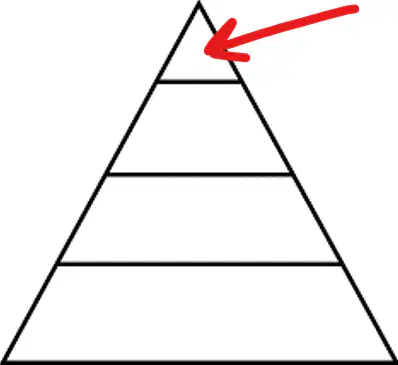
Which class?
Emperor
Gentry: scholar-officials & landownders
Peasants: Farmers & Artisans
Merchants
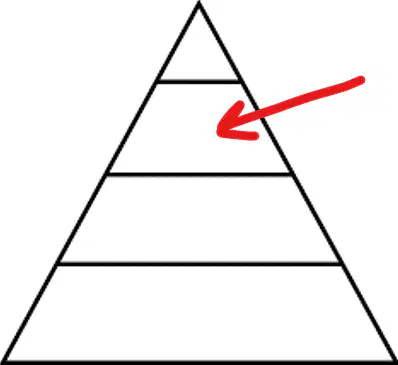
Which class?
Emperor
Gentry: scholar-officials & landownders
Peasants: Farmers & Artisans
Merchants
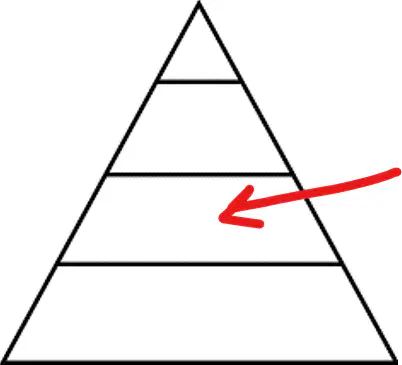
Which class?
Emperor
Gentry: scholar-officials & landownders
Peasants: Farmers & Artisans
Merchants
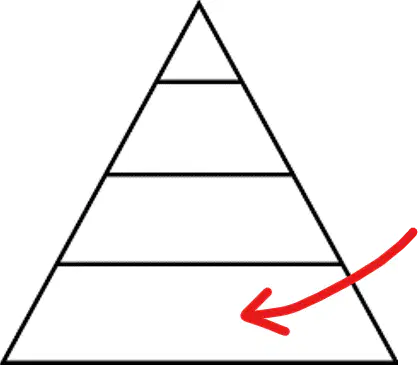
Which class?
Emperor
Gentry: scholar-officials & landownders
Peasants: Farmers & Artisans
Merchants
Tang Emperor known for stabilizing the realm after the overthrow of the Sui Dynasty and starting a golden age which lasted for centuries
Taizong
Wu Zetian
Wen
Shi Huangdi
Where did Buddhism originate?
India
China
Persia
Arabia
to protect against disease by transmitting a disease causing agent to a person, stimulating the body's defensive reactions
steel
porcelain
gunpowder
inoculation
a thin, beautiful pottery invented in China
steel
porcelain
gunpowder
paper
metal made by combining carbon and iron
steel
gunpowder
watertight compartments
moveable type
flammable substance used in fireworks, rockets, and eventually firearms
steel
gunpowder
porcelain
inoculation
SELECT ALL of the belief systems incorported in Neo-Confucianism:
Taoism
Confucianism
Buddhism
Legalism
Tengriism
SELECT ALL that are true of the Song dynasty:
golden age
achievements, urbanization, social mobility, and economic growth
reformed the Civil Service Examination System to promote meritocracy
Mongols promoted trade along Silk Road
famine and droughts led to population decrease
Who united the nomadic horsemen, conquered northern China, and established the Mongol Empire?
Genghis Khan
Kublai Khan
Ogodei Khan
Wu Zetian
Who conquered southern China and became Emperor, establishing the Yuan Dynasty in China?
Genghis Khan
Kublai Khan
Ogodei Khan
Wu Zetian
SELECT ALL that are true of the Yuan dynasty:
Mongol dynasty
abolished the Civil Service Exam System
encouraged trade along Silk Road with the West
allowed religious freedom and promoted many non-Mongols to positions of power
was the golden age of medieval China
Which event led to the downfall of the Mongols in China:
many civil wars between rival Mongol factions
isolationist policies led to a less innovation and technology
failed invasion of Japan weakened Mongol army
economic problems such as unemployment and inflation
Which of the following best describes the Mongols?
nomadic horsemen from Asian steppe who conquered China and established the largest continuous land empire in history
nomadic horsemen from Asian steppe who migrated west from Asia and invaded India and Europe
nomadic horsemen who raided northern China during the Qin & Han dynasties and were held at bay by the Great Wall
sea raiders from polynesia who attacked the coasts of southern China and settlements along the banks of the Yangtze River
Interlocking wooden brackets which distribute the weight of roof onto columns
dougong brackets
load bearing walls
curved arches
buttresses
Chinese cash crop which increased government revenue:
tea
wheat
cotton
rice
What was the lasting affect of isolationism on China?
China fell behind in technology and innovation
China entered a severe recession
China entered a golden age
China divided into many different kingdoms
SELECT ALL that are true of the Ming Dynasty:
Forbidden City Constructed, Grand Canal expanded
trade encouraged along Silk Road
Civil Service Examination System reinstated
Zheng He sent to explore Asia and collect tributes
later emperors adopted isolationist foreign policies
Which Ming Emperor built the Forbidden City & sponsored the voyages of Zheng He?
Taizong
Yongle
Wu Zetian
Wen
Which Joseon King invented the modern Korean alphabet and promoted literacy during his reign?
Sejong the Great
Taejo
Taizong
Yongle

