Worksheets
Quiz T11:L2 (Fighting of WW1)
Total questions: 35
Worksheet time: 17hrs 31mins
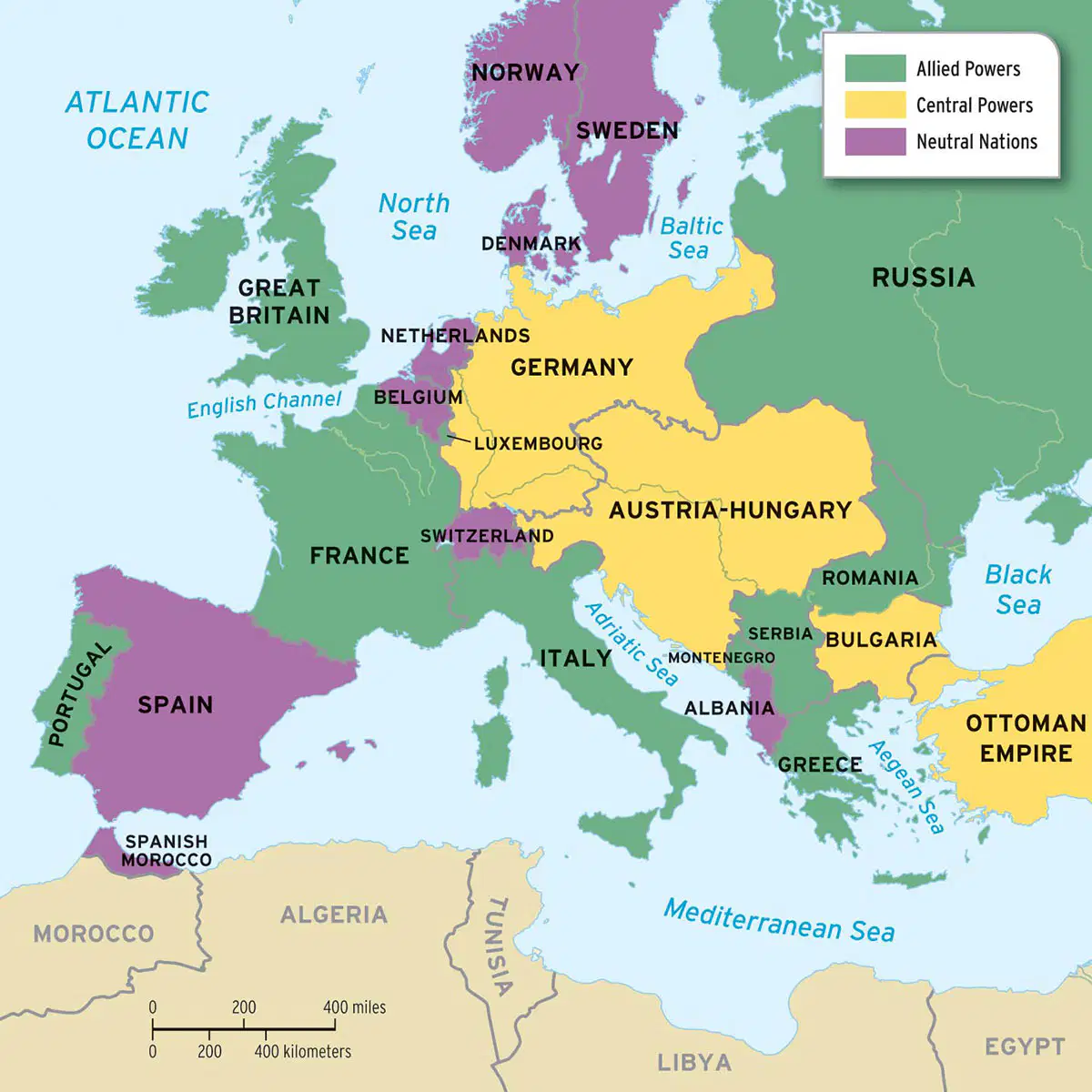
_____ was not part of the Central Powers during World War I.
Italy

The ______ Front was characterized by hundreds of miles of trench warfare and little movement.
Western
Eastern
Northern
Southern
Southwestern

What was a major difference between the Eastern and Western Fronts in World War I?
The Eastern Front involved more naval battles
The Eastern Front saw more use of tanks
The Eastern Front had more fluid lines and movement
The Eastern Front exclusively used trench warfare
The Eastern front experienced less use of poisonous gas
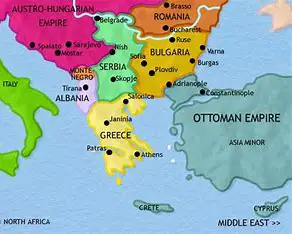
Which area was called the "powder keg" of Europe and was the place where World War I began?
Balkans
Gallipoli
Western Front
Ottoman Empire
The Somme
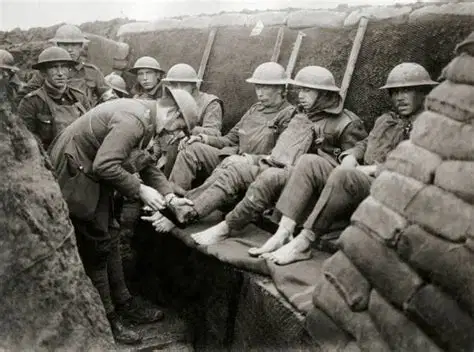
___ was one of the most common diseases in the trench
Trench Foot
Anthrax
Tuberculosis
Covid
Scabies
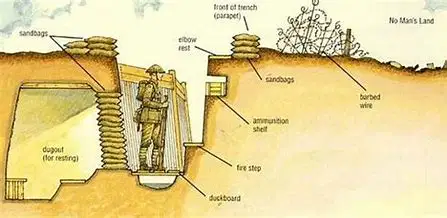
Roughly how long did trenches span along the Western Front?
A few miles
Hundreds of miles
There barely were trenches
Hundred of thousands of miles
8 miles
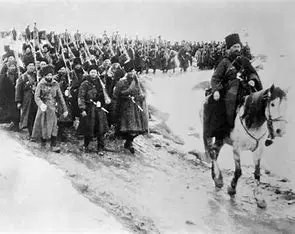
_____ fought against Germany and Austria-Hungary on the Eastern Front?
The British Empire
Estonia
The Russian Empire
The French Empire
The Italian Empire
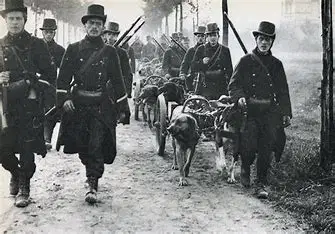
Germany’s Schlieffen Plan involved going through the country of ________ to attack France instead of attacking France directly from their border
Austria
Belgium
Luxembourg
Switzerland
Finland
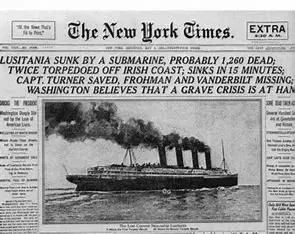
The United States entered into World War I during ______.
1914
1917
1918
1920
1922

The area between the German trenches and the Allied trenches was called _____
Dead Zone
Nowhere Land
No Man's Land
Default Zone
Neverland
Which weapon forced soldiers into the trenches


Which weapon was invented by the British/English
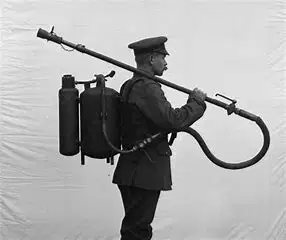
Which weapon was used mostly by the Germans
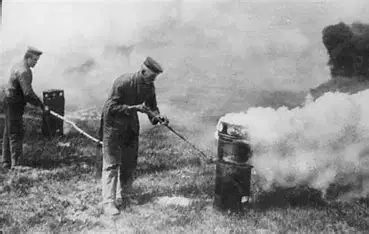
Which weapon was responsible for the most causalities during WWI?
Airplanes
Submarines
Poison Gas
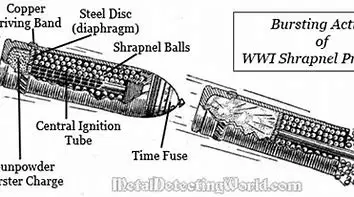
Shrapnel from Artillery
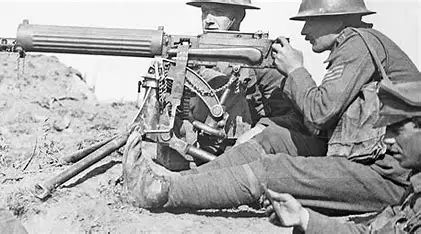
Machine Guns
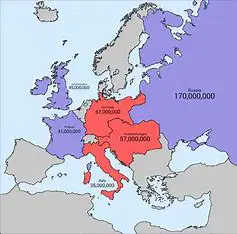
Which country was not part of the Triple Entente?
France
Russia
United Kingdom
Germany
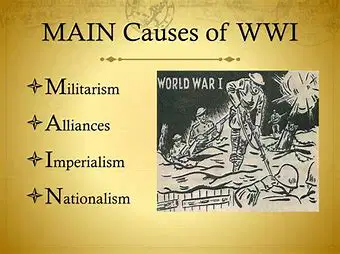
Militarism
stockpiling of weapons
Alliances
your friends
Imperialism
I own it, don't touch it.
Nationalism
Pride in your nation
Isolationism
I don't want to get involved
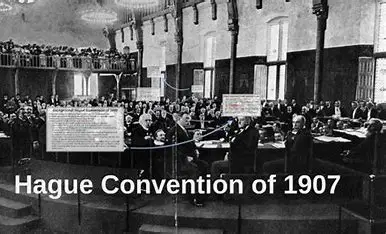
The Hague Conventions (1890, 1907, and later–1954) established an international court of law and defined war crimes, like the use of poisonous gas and attacking hospital ships via international treaties. These war crimes were based on the Lieber code (1863) that was issued by _____
President Abraham Lincoln
President Woodrow Wilson
Archduke Franz Ferdinand
Czar Nicholas II
Kaiser William II
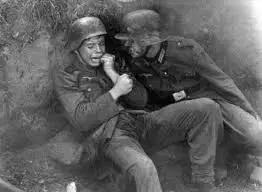
Many of the combat veterans of WWI suffered from _____ as a result of the stresses and trauma of combat; a condition referred to today as post-traumatic stress disorder (PTSD).
battle fatigue
war anxiety
combat stress syndrome
shell shock
attention deficit disorder

What was President Wilson’s initial attitude toward the US involvement in World War 1?
He wanted to become friends with Germany
He wanted to fight in the war
He wanted to support the Central Powers
He wanted to remain neutral
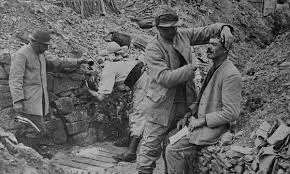
___ was a common gum infection during WW1 associated with the stress of nonstop bombardment
trench mouth
dysentery
periodontitis
oral thrush
influenza

The first successful poison gas attack during war was carried out by the Germans against the British in 1915 at the battle of Ypres., resulting in about 1,100 men being killed and more than 7,000 injured. ______ is the type of gas that was used in this attack.
Chlorine gas
Carbon Monoxide gas
Phosgene gas
Mustard gas
Hydrogen gas
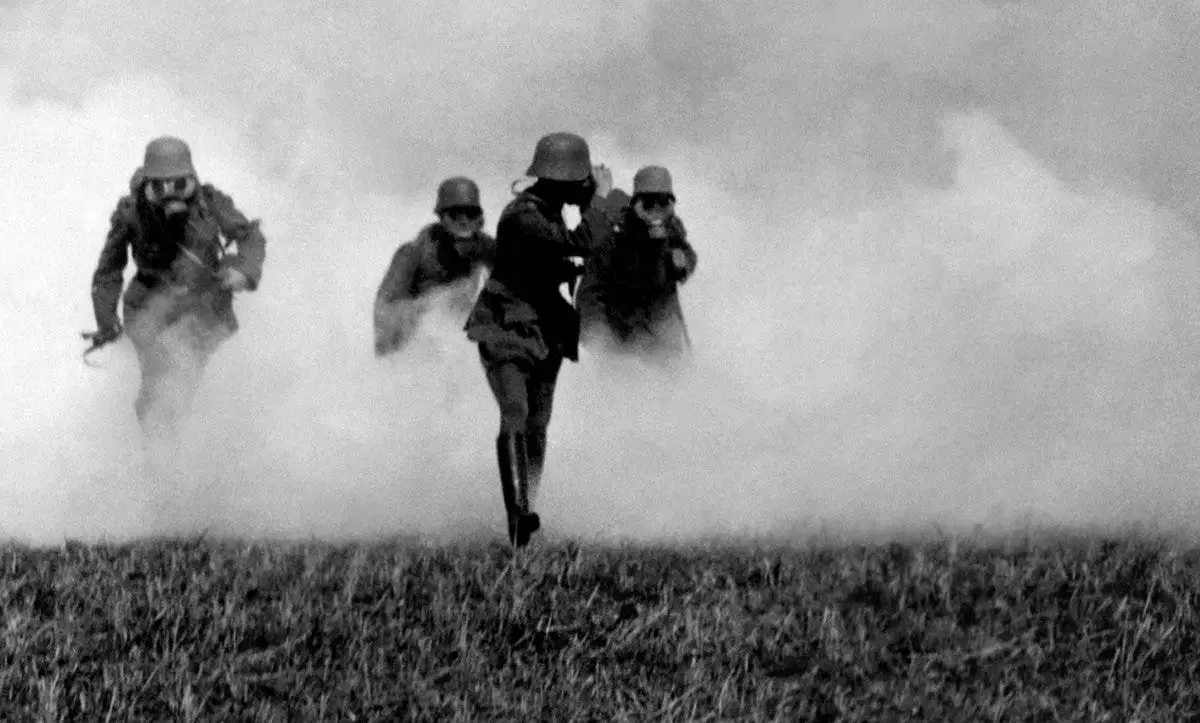
_____ is a colorless gas that takes time to kill. Victims don’t know they’ve been exposed until days after inhaling it. It was first used by Germans, but the Allies made it their primary chemical weapon later in the war
Mustard gas
Chlorine
Phosgene
Sarin
Carbon Monoxide

_____ blisters and burns the skin on contact. Even if soldiers wore gas masks to protect their lungs, it would seep into their woolen uniforms and even burn through the soles of their boots. A young Adolph Hitler was injured by this at the battle of Ypres.
Mustard gas
Carbon Monoxide
Phosgene
Chlorine gas

____ invented planes for the Germans during WWI. He invented a mechanism that allowed machine guns to be mounted on the front of an aircraft behind the propeller, revolutionizing air combat. After the Great War, he moved to the United States and created the first aircraft to fly to Antarctica and the first plane to be flown around the world by a woman.
Ferdinand von Zeppelin
Igor Sikorsky
Charles Lindbergh
Hugo Junkers
Anthony Fokker
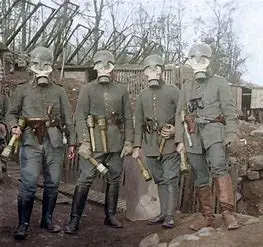
___ were Germans who specialized in trench warfare and were known for effectively mounting daring nighttime incursions behind enemy lines.
Grenadiers
Stormtroopers
Panzer troops
Jägers
Hussars
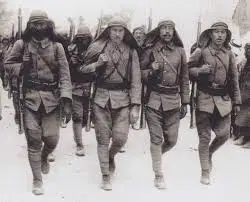
___ allied with the Central Powers and fought mostly against the Russian and British empires during WWI.
Ottoman Empire
France
United States
Italy
Belarus
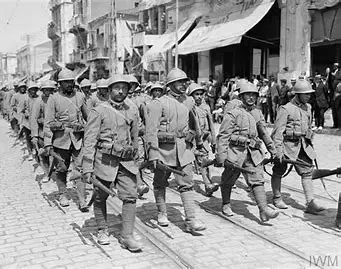
Which country switched sides from the Central Powers to the Allies during World War I?
Italy
Russia
Japan
United States
Austria-Hungary
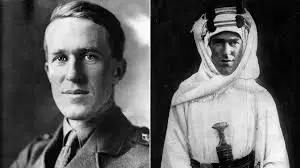
____ instigated Arab leaders in the Middle East to rebel against their Ottoman rulers. These rebellions resulted in large areas of land being taken over by Arab nationalists, including the city of Bagdad
Mustafa Kemal Atatürk
T.E. Lawrence
Czar, Nicholas II
Abdulaziz Ibn Saud
Kaiser, WIlliam II

Between the trench lines on the Western front of Germany lay an empty track of land known as ' ____, pocketed with shell holes and strung with barbed wire.

An Allied offensive at the ______ River was even more costly than the battle for Verdun. This resulted in nearly 60,000 British soldiers killed in a single day, the first day of the battle. More than one million soldiers were killed over the course of the 5 month long battle. The battle ended without either side winning an advantage.
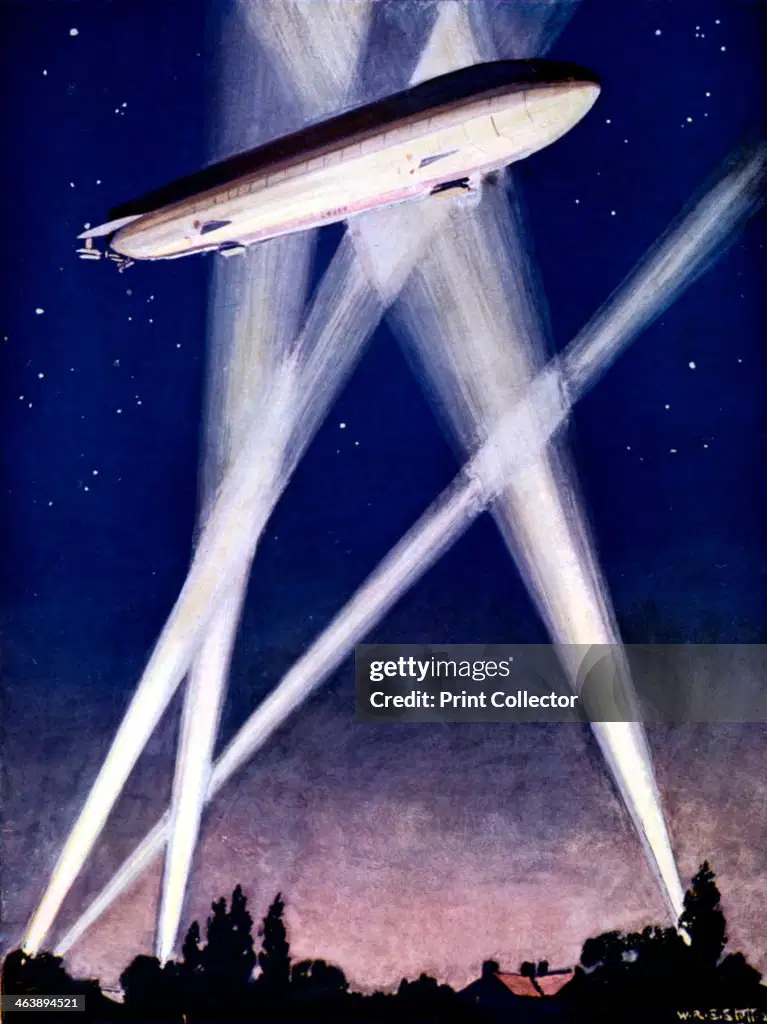
In 1915, Germany used ______, large gas filled piloted balloons, to bomb the English coast.
Fokker planes
ziggurats
tankers
strikers
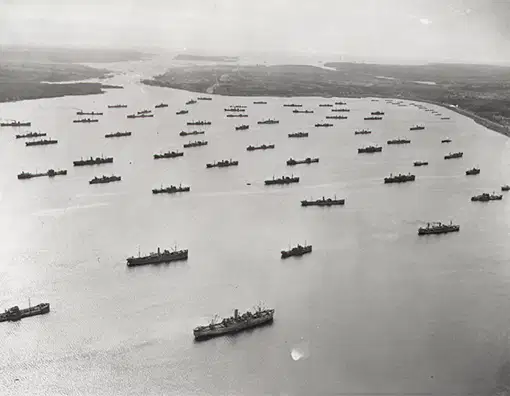
To defend against submarines, the Allies organized ______, or groups of merchant ships protected by warships.

The Allied attack at the Somme had two objectives. One of the objectives was to relieve German pressure on the French Army at ____, where it has been experiencing serve losses for months, and to inflict as heavy loses as possible on the German armies.

Without a decisive breakthrough at the Somme river, the months that followed turned into a bloody stalemate. In an attempt to turn the tide, the British renewed their offensive using _____ for the first time, but also failed to make a significant impact.
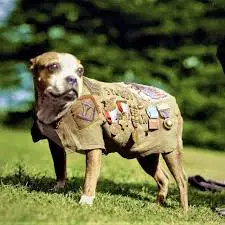
____ was Sergeant Stubby, the mascot for the U.S. military during WWI.