
 Worksheets
Quiz on Roman Architecture
Total questions: 30
Worksheet time: 16mins
Hey there, architecture enthusiasts! Can you help Sophia, Benjamin, and Elijah uncover the secrets of Roman architecture? What are the main features that define this magnificent style?
Use of wood and thatch
Massive concrete blocks, domes, and arches
Flat roofs and minimal decoration
Use of glass and steel
Hey Mason, can you take a guess? In which year did the magnificent Roman architecture start to rise and shine?
100 BCE
509 BCE
27 BC
1 AD
Hey Mason, Aria, and Ava! Let's take a journey back in time. Can you guess which two architectural styles played a major role in shaping the magnificent structures of Roman architecture?
Gothic and Baroque
Greek and Etruscan
Renaissance and Neoclassical
Modern and Postmodern
Hey Avery, have you ever wondered what makes the Pantheon so special?
Its large amphitheater
Its innovative dome structure
Its use of marble
Its role as a marketplace
Hey Priya, Arjun, and Zoe! Imagine you’re time travelers visiting ancient Rome. What amazing building material did the Romans use that changed the game for their architecture?
Brick
Wood
Roman concrete
Stone
Hey Michael, Luna, and Ethan! Have you ever wondered how the fascinating Etruscan architecture shaped the way Romans designed their cities? Let's dive into this intriguing influence!
By introducing circular layouts
By using arches and domes
By creating streets that intersect at right angles
By emphasizing verticality
Hey there, architecture enthusiasts! Have you ever wondered about the term 'Concrete Revolution' in Roman architecture? Let's dive into this fascinating topic together, just like Isla, Avery, and Mia would in their history class!
It refers to the invention of concrete
It marks the use of concrete in public buildings
It signifies the end of traditional building methods
It describes the decline of Roman architecture
Hey Aria, have you ever wondered what made public spaces in Roman architecture so special? Let's dive into it!
They were used for military training
They served as centers of social life
They were primarily for commerce
They were reserved for religious ceremonies
Hey there, architecture enthusiasts! 🎉 Which of the following is NOT a characteristic of Roman architecture that our friend Maya would find fascinating?
Use of arches
Symmetry and proportions
Flat roofs
Domes and vaulted ceilings
Hey there, history buffs! Have you ever wondered why so many Roman structures have stood the test of time? Let’s dive into this intriguing mystery together!
They were built with modern materials
They were frequently rebuilt
They were made with a mixture of lime and volcanic ash
They were abandoned
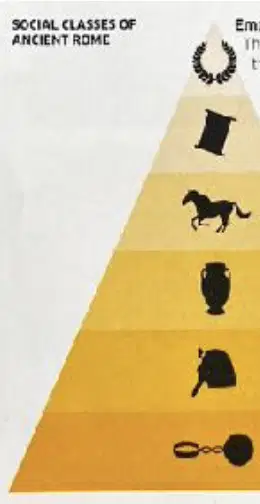
The Roman Empire Social organisation had...
The Equestrians on the top a the plebeians at the bottom of the pyramid.
The Emperor on the top and the Foreigners at the bottom of the pyramid.
The Emperor on the top and the slaves at the bottom of the pyramid.
The Senators on the top and the slaves at the bottom of the pyramid.
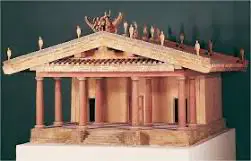
Roman architecture was influenced by the following Etruscan characteristics: Select all that apply.
Use of Vault
Use of Arch
Use of Dome
Use of Archivolts.

Which of the following characteristics DOES NOT apply to the Ancient Rome period?
Influence of the Greek orders
Influence of the Etruscan use of Dome
Gargoyles
Influence of the Greek proportion

What were the primary building materials used in Roman architecture?
stone, iron, concrete
concrete, wood and rammed earth
wood, mud, and straw
concrete, brick, and stone
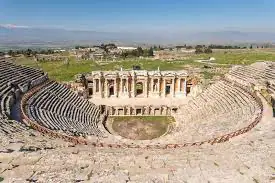
Name one famous Roman public building and describe its architectural features.
The Colosseum - It is known for its elliptical shape and the use of arches and columns in its construction.
The Circus Maximus - It is known for its square shape and the use of turrets and battlements in its construction.
The Pantheon - It is known for its triangular shape and the use of domes and spires in its construction.
The Roman Forum - It is known for its rectangular shape and the use of pyramids and obelisks in its construction.

Which Roman masterpiece is represented in the picture?
Villa Adriana
Colosseum
Pantheon
Maison Carrée

Which Roman masterpiece is represented in the picture?
Villa Adriana
Colosseum
Pantheon
Maison Carrée

In Roman Urban Planning which two names are given to the perpendicular axis that organises the city development? Select all that apply.
Cardo
Forum
Decumanos
Insula
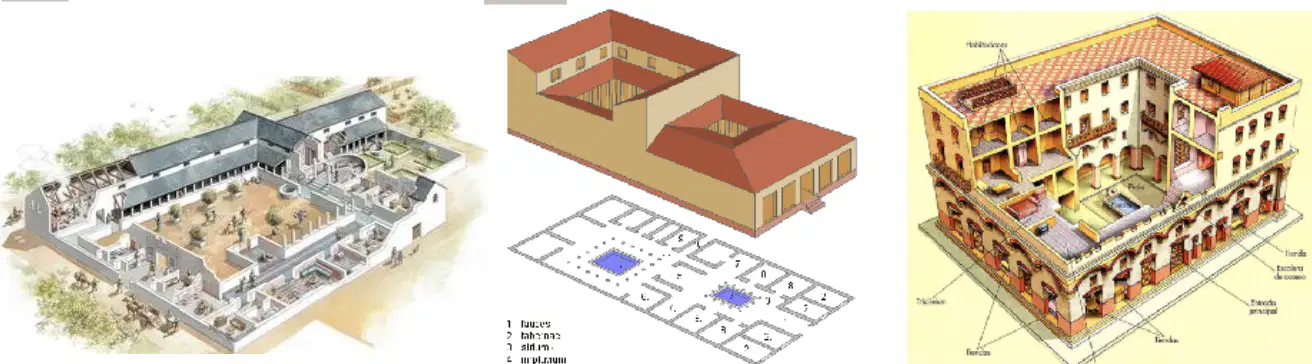
Which are the residential typologies commonly used in the Ancient Roman Empire? Select all that apply.
Piazza
Insula
Domus
Villa

What were some common features of Roman residential architecture?
Atriums, peristyles, and mosaic floors
Fountains and Thermae
Courtyards and domes
Garden and temple
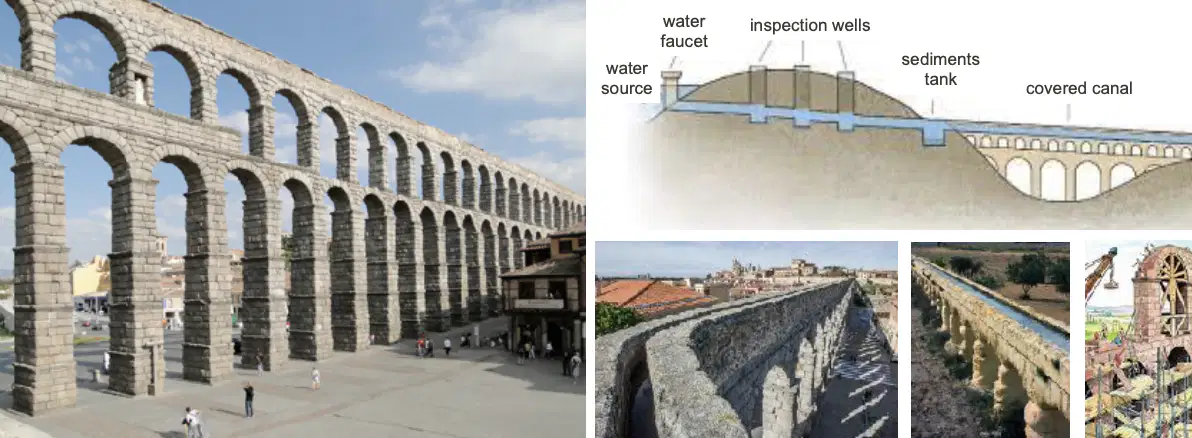
Which new architectural typologies were introduced by the Romans? Select all that apply.
Aqueduct
Thermal
Basilica
Vias
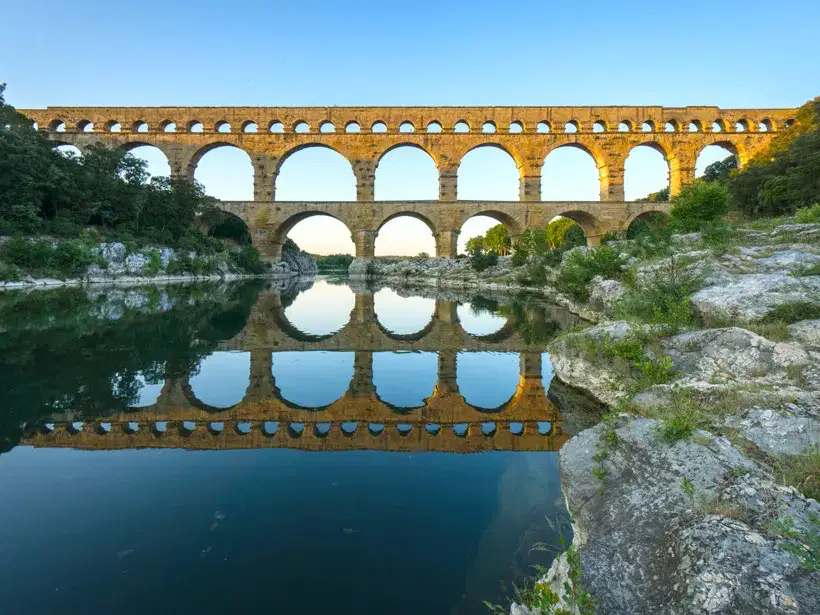
What engineering techniques did the Romans use to build aqueducts?
Arches, concrete, and gravity
Plumbing, electricity, and insulation
Bricks, straw, and mud
Steel, wood, and glass
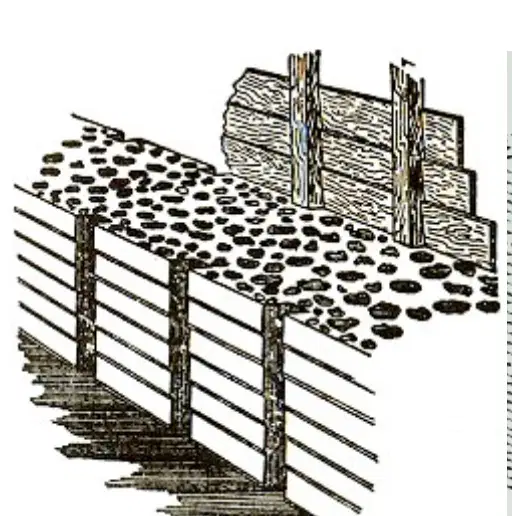
How did the Romans use concrete in their architectural designs?
Mixing lime, water, and volcanic ash to create a strong and durable building material
Using sand, water, and gravel to create a weak and brittle building material
Adding salt, water, and rocks to create a lightweight and unstable building material
Mixing clay, water, and straw to create a flexible and easily breakable building material
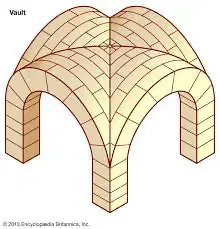
What is the difference between a Roman arch and a Roman vault?
A Roman arch is a curved structure that spans an opening and supports the weight above it, while a Roman vault is a series of arches placed side by side to create a ceiling or roof.
A Roman arch is only found in temples, while a Roman vault is only found in amphitheaters.
A Roman arch is used for decoration, while a Roman vault is used for structural support.
A Roman arch is made of wood, while a Roman vault is made of stone.
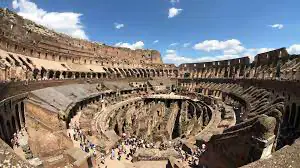
What is the significance of the Colosseum in Roman architecture?
It was a center for political debates and decision-making
It was built as a residential palace for the Roman emperor
It was primarily used for religious ceremonies and rituals
It is the largest amphitheater ever built and a symbol of Roman engineering and entertainment.
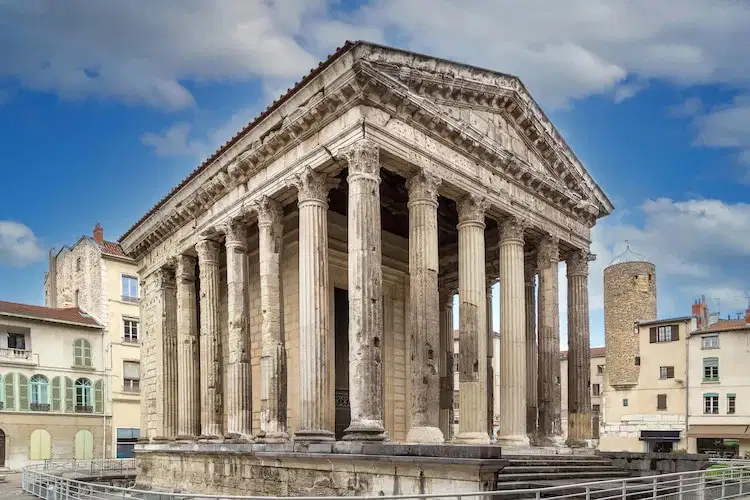
Describe the architectural style of a Roman temple.
Classical
Modernist
Baroque
Gothic
What role did the use of the arch play in Roman aqueduct construction?
It was primarily decorative and had no structural significance.
It made the aqueducts more vulnerable to earthquakes.
It was used only in bridges, not in aqueducts.
It allowed for the construction of taller structures to transport water over long distances.
Hey there, history enthusiasts! Can you identify the primary purpose of the Roman Forum in ancient Rome?
It was a military training ground.
It was exclusively a religious site.
It served as a marketplace and center for public life.
It functioned as a residential area for the elite.
What innovative feature of Roman architecture allowed for the construction of large interior spaces?
Application of glass walls
Invention of steel beams
Development of the dome
Use of flying buttresses
What were some common features of Roman residential architecture?
Atriums, peristyles, and mosaic floors
Fountains and Thermae
Courtyards and domes
Garden and temple

