
 Worksheets
Food and Nutrition Unit 3
Total questions: 72
Worksheet time: 3585secs
Tom uses fresh cherries in a pie that he is baking for his family. This is an example of which step in the food system?
food production
food distribution
preparation and consumption
resource and waste recovery
Why is it important for food and nutrition professionals to understand local food?
Local food is always healthier than non-local food.
Local food is always cheaper than non-local food.
The law requires nutritionists to know where food comes from and how it was produced.
There is increased consumer interest in where food comes from and how it was produced.
Which federally assisted meal program provides nutritionally balanced, low-cost or free lunches to children enrolled in public and nonprofit private schools?
Supplemental Nutrition Assistance Program (SNAP)
Women, Infants, and Children (WIC)
National School Lunch Program
Head Start
Local food, as defined by the United States Farm Bill, must be grown and transported less than:
10 miles, or within the same city.
400 miles, or within the same state.
1,000 miles, or within the same country.
5,000 miles, or within the same continent.
Grass-fed beef is likely to have what health implication?
higher in calories
leaner and fewer calories
lower in Vitamin E
higher likelihood of contamination
Which food products most likely feature a cartoon character in their ads to appeal favorably to young children?
granola bars
milk
canned food
sugary cereals
The success of any business, from small-scale to multimillion-dollar food industries, depends on:
shelf life
marketing
consumer willpower
what people eat
Which foods are most likely to have more marketing?
processed foods
whole fruits
fresh meats
fresh vegetables
Farms that raise livestock, dairy, or fish; farms that grow produce; diversified farms; commercial fishing; and all types of gardens exemplify which stage in the food system?
food production
distribution and aggregation
food processing
marketing
Who most likely lives in a food desert?
Tom frequently walks to the farmer's market to buy fruits and vegetables.
Quinn drives by three supermarkets on her ride home from work everyday.
Angela walks to a convenience store to buy food.
Theo drives to multiple specialty stores to buy local bread, produce, and meat.
Which region of North Carolina has a strong agriculture industry with large amounts of land being used for pork, poultry, blueberries, sweet potatoes, and watermelon?
the Triangle
the Coastal Plain
the Triad
the Mountains and Foothills
Costs of renting land, hiring labor, and getting credit are all examples of which influence on food systems?
political
contextual/environmental
social
economic
Which is true about local food?
Local food is linked with increased consumption of vegetables
Selecting local food makes a significant impact on the environment because it travels fewer food miles
Local fresh fruits and vegetables are always cheaper than non-local fruits and vegetables
Local foods are always organic
Shauna lives in Asheville, North Carolina and is an advocate for purchasing local food. Which food label claim will best guide her decision when she selects food?
Got to be NC
100% Organic
Fair Trade Certified
Grass-Fed
A local entrepreneur is selling a hot sauce with 75% of the ingredients being organic. Which is an acceptable label she can use in marketing her hot sauce?
Organic
Made with Organic
100% Organic
GMO-Free
An apple core is discarded and used to help more apples grow. This is an example of which resource and waste recovery technique?
consuming
preparing
composting
distributing
Freezing and canning allow consumers to enjoy foods out of season. At which stage in the food system does this occur?
food production
food processing
marketing
purchasing
Feeding the Carolinas takes surplus and fruits and vegetables and gets them to those dealing with hunger and food insecurity. This is an example of an intervention at which step in the food system?
marketing
preparation and consumption
food processing
resource and waste recovery
Sarah is a single pregnant mom with a two-year-old. She needs food assistance for her family. What government program should she apply for?
Food Distribution Program on Indian Reservations (FDPIR)
Commodity Supplemental Food Program (CSFP)
Women, Infants, and Children (WIC) Program
Senior Farmers' Market Nutrition Program (SFMNP)
Which is most likely the correct order of steps in the food supply chain?
preparation and consumption, food production, marketing, food processing
food production, food processing, marketing, preparation and consumption
marketing, preparation and consumption, food production, food processing
food production, food processing, preparation and consumption, marketing
What is farm-to-table?
Eating foods from local farms and fresh produce.
Cooking your own meals at home.
Owning a farm.
Growing your own foods at home.
Fruit loops cereal is a nutritional breakfast because it is fruit flavored.
True.
False.
What is one fruit or vegetable you researched that does not originate where we live? Where does it come from?
It is (a) to carry a farm-to-table lifestyle where we live.
After learning what farm-to-table is, how similar is it to how you currently eat at home?
Very similar.
A little similar.
Not similar at all.
What are the benefits of adapting to a farm-to-table lifestyle?
Why do some foods grow in certain regions of the world but not others?
Climate
Stores
Cars
People
What is a food staple?
Stapling papers to foods.
Labeling different foods.
Foods that are commonly and regularly eaten in certain regions.
Food replacements.
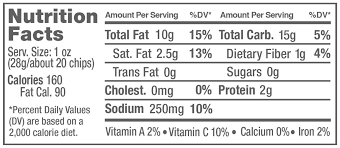
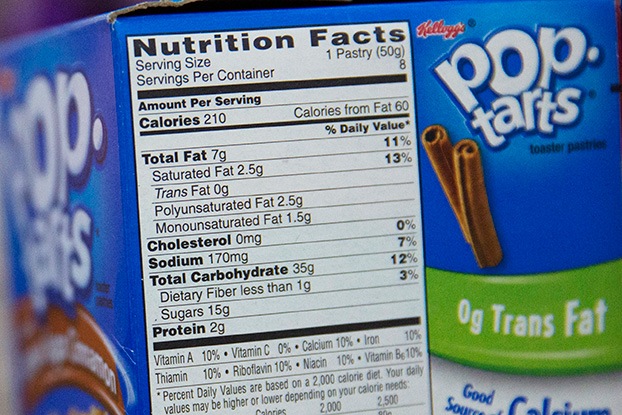
Who should be reading a food label?
Everyone
People with allergies, diseases and those on a diet
What is a calorie?
A way to measure how much vitamins a food provides to your body.
A way to measure how much energy a food provides to your body.
A way to measure how much protein a food provides to your body.
A way to measure how much fiber a food provides to your body.
Eating too many calories per day is linked to overweight and obesity.
true
fasle
Serving size could be represented in cups and pieces.
true
false

Nutrients you should get more of are Saturated Fat, Sodium, and Added Sugars.
true
fasle
Nutrients you should get less of is Dietary Fiber, Vitamin D, Calcium, Iron, and Potassium.
true
false
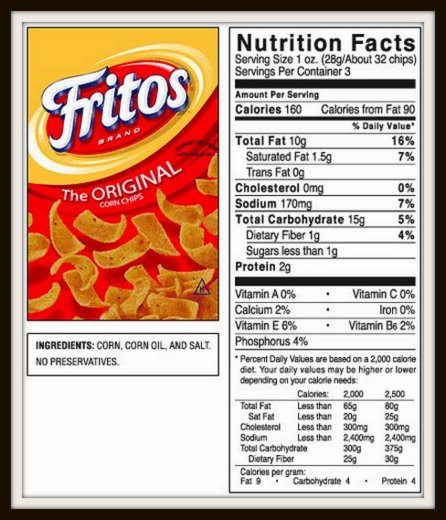
For a Cheetos Packet, If the serving size is 21 chips, and the servings per container is 4, this means the whole packet has
21 chips
21x4 chips
4 chips
21x2 chips
Other than Vitamins and Minerals, what nutrient do we want more of in a food label and in our food?
Fiber
Sugar
Saturated Fat
Protein
What should be the first ingredient in a healthy and energizing cereal/cereal bar
Whole grain flakes
Chocolate
Fiber
Milk
an expandable sac or pouch in humans and animals in which gas or liquid, especially urine, collects.
bladder
liver
digestive system
saliva
disorder in which a large quantity of food is consumed in a short period of time, often followed by feelings of guilt or shame.
bulimia nervosa
nutrient
calorie
fat
a unit of heat equal to the amount necessary to raise the temperature of one gram of water one degree Celsius
calorie
colon
fiber
urethra
any of a class of organic compounds including sugars, starches, and celluloses that are formed of carbon, hydrogen, and oxygen and that are important in plants and necessary to animal and human nutrition.
carbohydrate
nutrient
saliva
vitamin
a white substance, found in various tissues of all animals, which serves as a detoxifier in the bloodstream and surrounds certain nerve sheaths, and an excess of which is thought to contribute to hardening of the arteries.
cholesterol
liver
ureter
nutrition
the main part of the large intestine, which passes from the cecum to the rectum and absorbs water and electrolytes from food that has remained undigested.
colon
fiber
ureter
bladder
the process by which the body converts food into absorbable substances.
digestion
kidney
colon
ureter
the parts of the body that work together to break down food so that it can be used by the body as energy. The human __________ includes the mouth, esophagus, stomach, and intestines.
digestive system
mineral
pancreas
saliva
the act or process of eliminating bodily waste matter.
excretion
ureter
digestion
carbohydrate
animal or plant substance that is composed of carbon, hydrogen, and oxygen, is greasy to the touch, and is white or yellowish in color.
fat
pancreas
vitamin
colon
dietary material containing substances such as cellulose, lignin, and pectin, which are resistant to the action of digestive enzymes.
fiber
carbohydrate
colon
liver
a small muscular sac that is attached to the liver and that stores bile.
gallbladder
calorie
small intestine
excretion
either of a pair of organs located high in the abdominal cavity near the spine which extract waste products from the blood and excrete them in urine.
kidney
bulimia nervosa
fiber
colon
a large reddish brown organ in vertebrates that secretes bile and cleanses the blood and is located in the abdominal cavity.
liver
pancreas
digestion
mineral
any of the inorganic elements, as calcium, iron, magnesium, potassium, or sodium, that are essential to the functioning of the human body and are obtained from foods.
mineral
carbohydrate
calorie
vitamin
providing or being food; having nourishing qualities.
nutrient
bladder
pancreas
nutrition
the act or process of ingesting and using nutrients or of providing nourishment.
nutrition
saliva
mineral
bulimia nervosa
a gland located near the stomach that secretes a digestive juice into the intestine and insulin into the blood.
pancreas
vitamin
fat
bladder
any of a group of complex organic compounds containing nitrogen and composed of chains of amino acids, found in all living organisms and considered essential to all animal life processes.
protein
colon
liver
cholesterol
the colorless, tasteless liquid that is produced by glands in the mouth and that aids in the tasting, chewing, and digestion of food.
saliva
nutrition
liver
bulimia nervosa
in vertebrates, the narrow part of the intestine in which digestion takes place, extending from the pyloric end of the stomach to the large intestine and consisting of the duodenum, jejunum, and ileum.
small intestine
carbohydrate
mineral
colon
a narrow duct through which urine moves from the kidney to the bladder
ureter
excretion
fiber
protein
a duct that carries urine outside the body from the bladder
urethra
excretion
fiber
ureter
any of a number of natural or synthetic substances required in human nutrition to regulate metabolism and maintain health.
vitamin
carbohydrate
kidney
liver

