
 Worksheets
Earth's Resources
Total questions: 60
Worksheet time: 1hrs 24mins
What is an advantage of Oil?
Chance of a spill
High amounts of gas released when burned
Nonrenewable
Inexpensive
This is formed from heat deep within the earth.
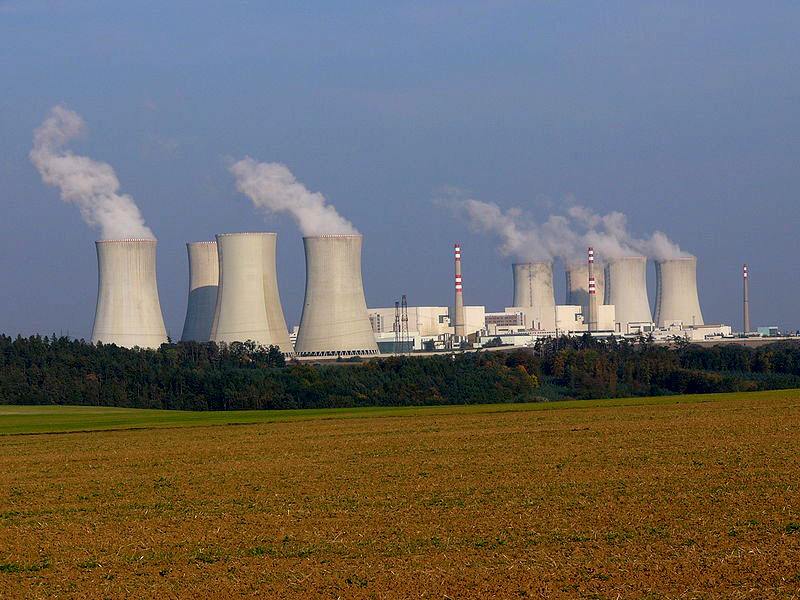
Nuclear
Geothermal
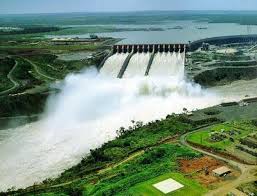
Hydropower
Biomass
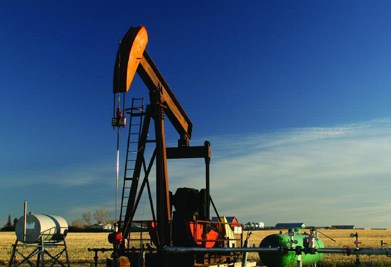
__________ is an energy resource that WILL run out in the next several hundred years.
Renewable Energy Resource
Nonrenewable Energy Resource
natural resources
pollution
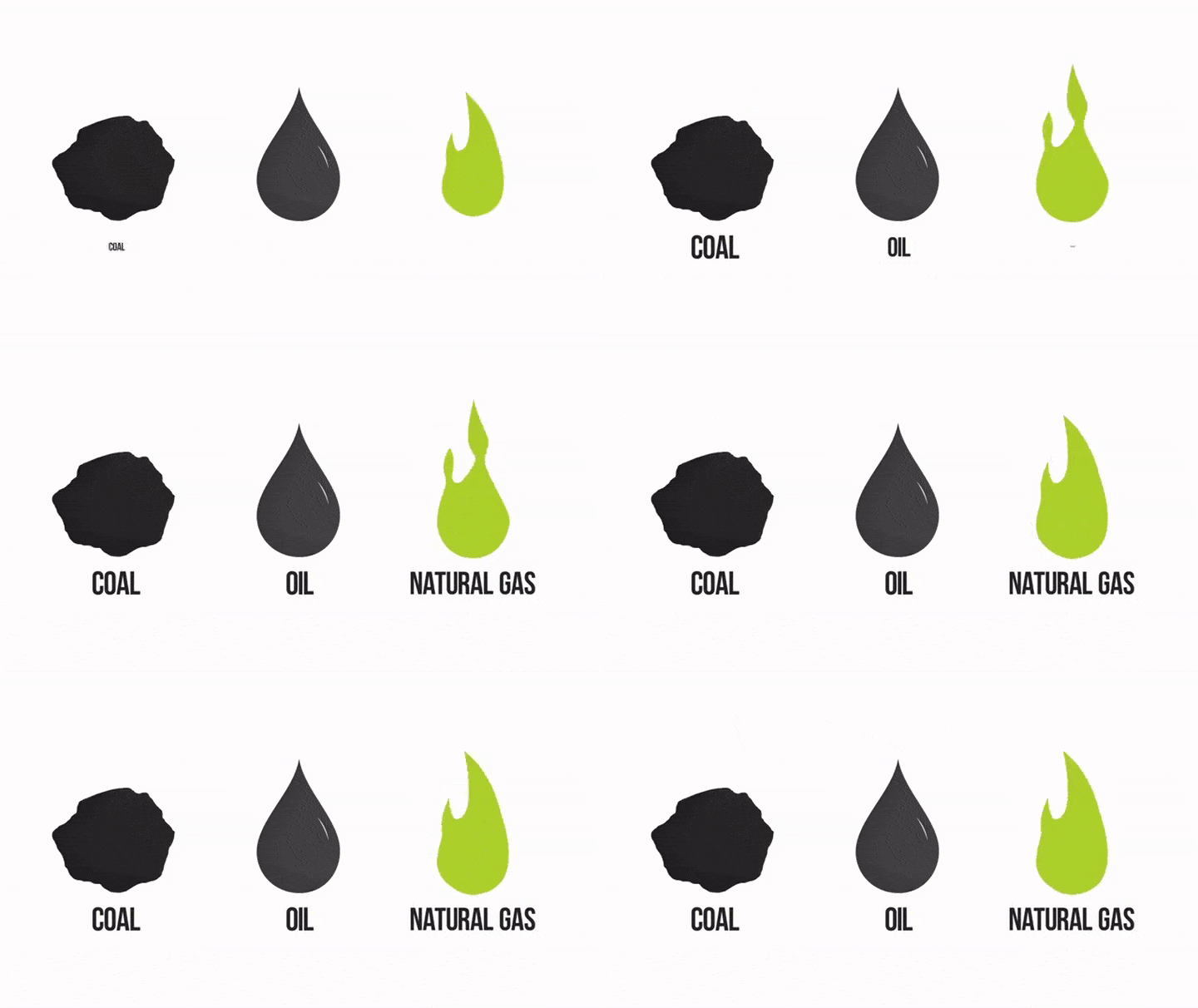
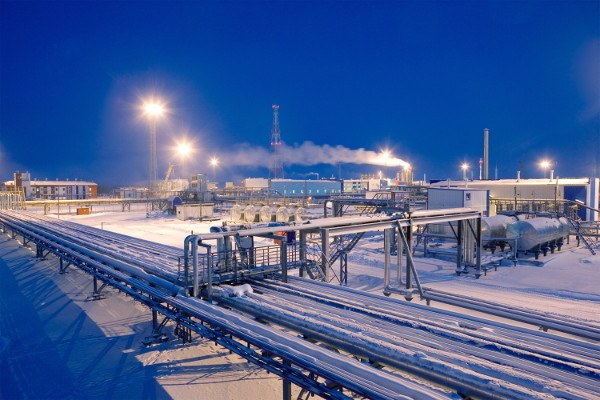
A group of non-renewable resources, called ______________, include coal, oil, and natural gas.
Fossils
Energy
Resources
Fossil fuels
Which of the following are fossil fuels? (Select all that apply.)
Coal
Oil
Natural Gas
Nuclear Energy
Which of the following are renewable energy sources? (Select all that apply.)
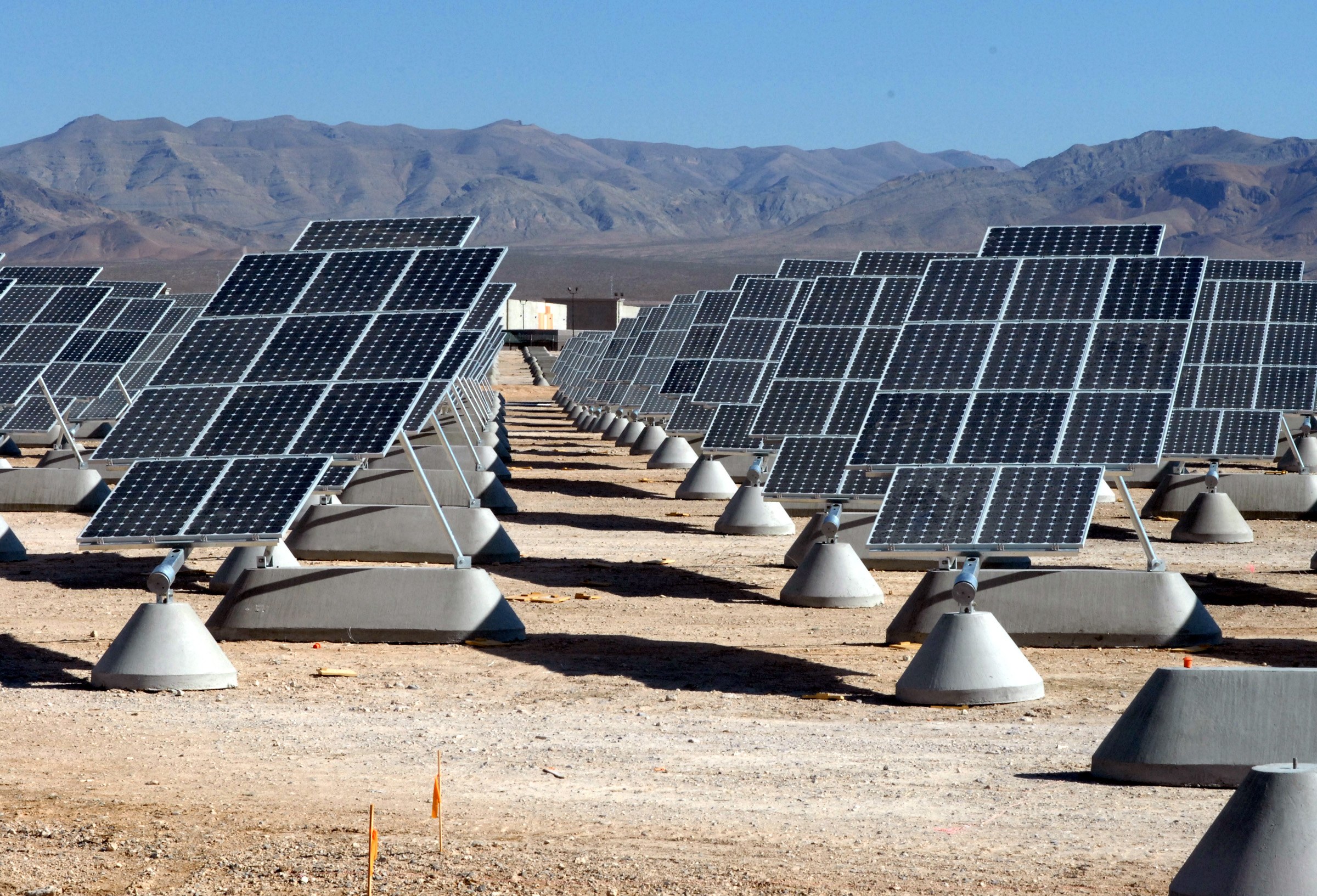
Solar
Wind
Hydroelectric
Geothermal
Biomass
How is geothermal energy harvested? (How do we get it?)
solar panels collect the sunlight.
The heat from the earth boils water to create steam.
We pump it from the earth and refine it into gasoline.
We drill for it and burn it like coal or wood.
What is one disadvantage of using hydropower?
Hydropower is a renewable energy resource. There are no disadvantages.
The power is used as electricity to power large buildings instead of homes.
Building dams can damage natural wildlife and water systems like lakes and rivers.
Most of the time there isn't enough water power to create electricity.
.Which of these is an example of biomass energy?
A coal-burning generator
A wood-burning stove
A gasoline-burning automobile
An automobile that operates on fuel cells
Which of these is an advantage of fossil fuels?
You can extract them without complicated machinery.
They are relatively inexpensive to produce.
Burning them does not have any negative side effects.
There is an unlimited supply of them.


Energy from deep in the earth

Natural resources form in nature. Which of the following is NOT a natural resource?
oil
coal
plastic
water

Fuels from the burning of wood

Advantage or Disadvantage?
Locations for wind turbines are limited because objects can block the wind.
Advantage
Disadvantage

Advantage or Disadvantage?
Solar panels are expensive to install.
Advantage
Disadvantage

Advantage or Disadvantage?
No solar energy is produced at night.
Advantage
Disadvantage
Choose the types of renewable energy resources. (Check all that apply)
Water
Wind
Solar
Gas
Oil
Energy from moving water can be converted into electricity.
true
false


What happens to fossil fuels to create electricity?
They are stored
They are burned
They are converted to solar energy
They are frozen
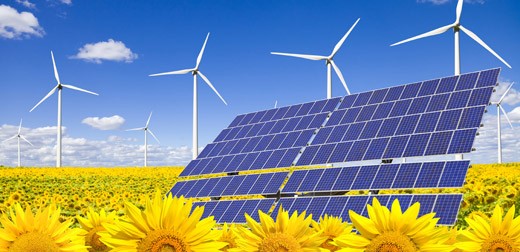
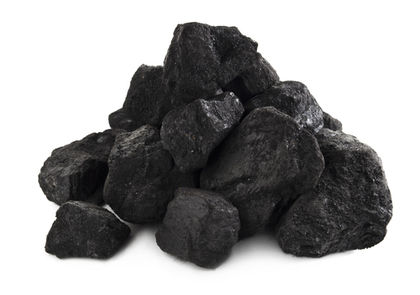
What is a natural resource?
a resource that occurs in nature without human intervention
a resource that is human-made
What is a synthetic resource?
a resource made by humans from natural materials
naturals resources such as trees and water
You can make synthetic products from these things...
Plant based resources
Animal based resources
Petroleum based resources
All of the above
Which is an example of a natural resource?
pencils
paper
books
trees
What are examples of synthetic resources?
plants
potatoes
potato chips
t-shirt

Fried Chicken
Natural
Synthetic

Gummy Bears
Natural
Synthetic

Orange
Natural
Synthetic

Plastic Water Bottles
Natural
Synthetic

Which type of material is this?
Synthetic
Natural
Which materials are natural?

Crocs

Cotton

Plastic

Wheat
Which of the following is a non-renewable resource?
Fossil fuels
Water
Wood
Chickens

Is this table natural or synthetic?
natural
synthetic

This picture contains...
only natural resources
only synthetic resources
both natural and synthetic resources
What is the difference between natural and synthetic resources?
Natural resources are created through chemical processes, while synthetic resources are found in nature.
Natural resources are found in nature and are not altered by humans, while synthetic resources are created through chemical processes.
Natural resources are man-made, while synthetic resources occur naturally.
Natural resources are renewable, while synthetic resources are non-renewable.
What are synthetic materials made from?
A. Naturally occurring minerals
B. Chemically processing natural resources
C. Recycled plastics
D. Animal by-products
True or False: Synthetic materials are never made from natural resources
True
False
Nuclear energy is significantly cleaner than fossil fuels, producing virtually no greenhouse gases or air pollutants during operation, avoiding millions of car emissions annually and preventing millions of air pollution deaths. It also provides full energy 90% of the time. 1 pellet of nuclear energy is equal 1 ton of coal. If nuclear power is so great why isn't it the only source of energy we use?

