
 Worksheets
EOC Review 8-16
Total questions: 121
Worksheet time: 1hrs 1mins

Rep candidate in 1860 election. Southern states seceded due to his election
James K Polk
Abraham Lincoln
Upton Sinclair
Samuel Morse

Confederate commander of the Army of Northern Virginia
Jacob Riis
Stonewall Jackson
Robert E. Lee
William T. Sherman

Assassinated Abraham Lincoln
John Wilkes Booth
Stonewall Jackson
Langston Hughes
James K. Polk

Confederate General. Helped defeat the Union at Fredericksburg and Chancellorsville. Got shot by one of his own troops and died
Ulysses S. Grant
Stonewall Jackson
Andrew Carnegie
Robert E. Lee
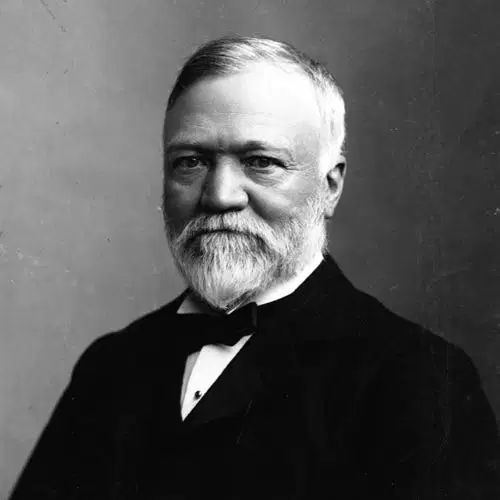
Owner US Steel Company
J.P. Morgan
Alexander Graham Bell
Andrew Carnegie
John Brown
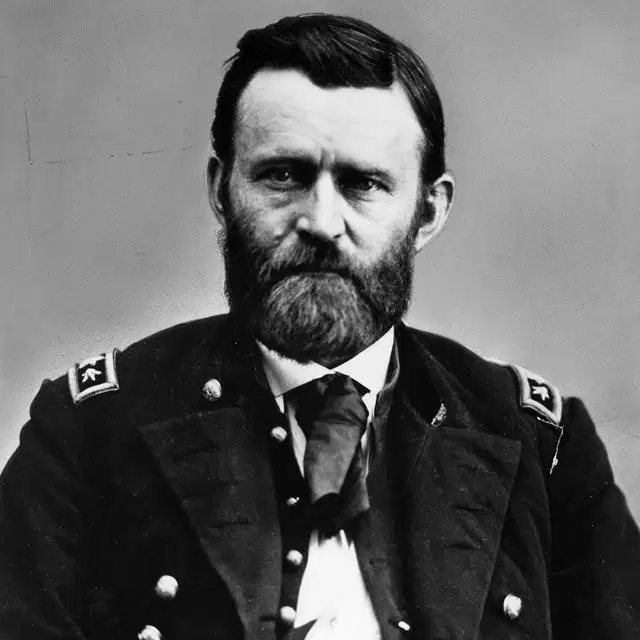
Commander of the entire Union Army
Abraham Lincoln
Robert E. Lee
Upton Sinclair
Ulysses S. Grant
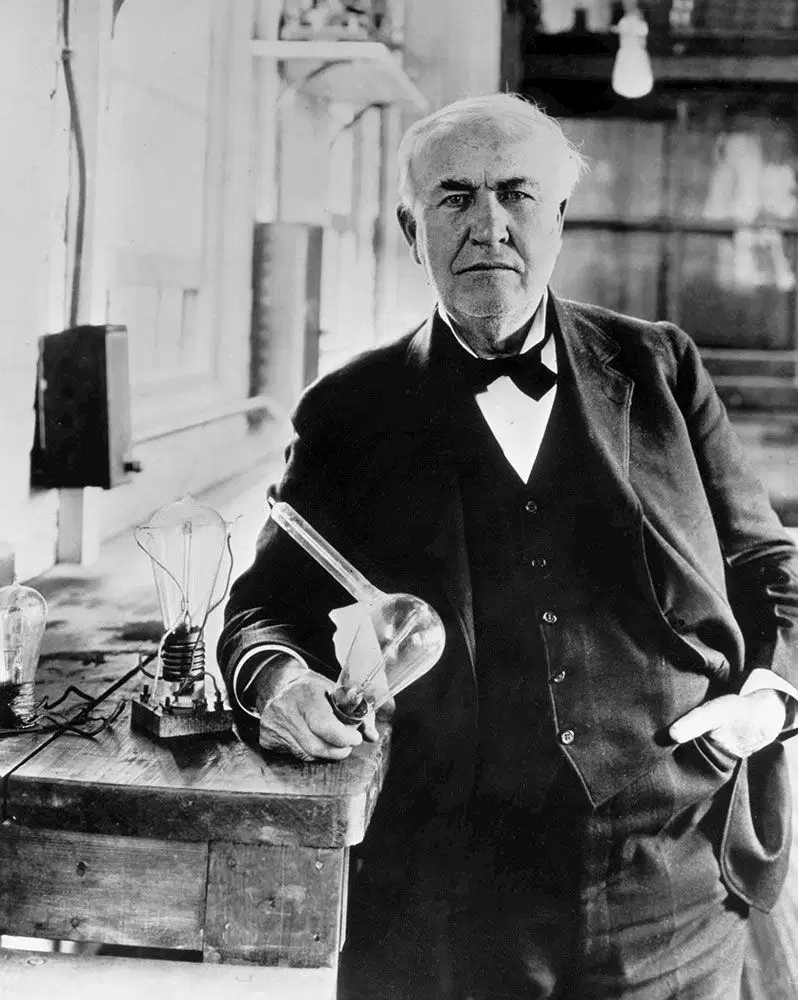
Most famous inventor of his time- lightbulb, phonograph, motion pictures
Thomas Edison
Samuel Morse
Woodrow Wilson
Jacob Riis
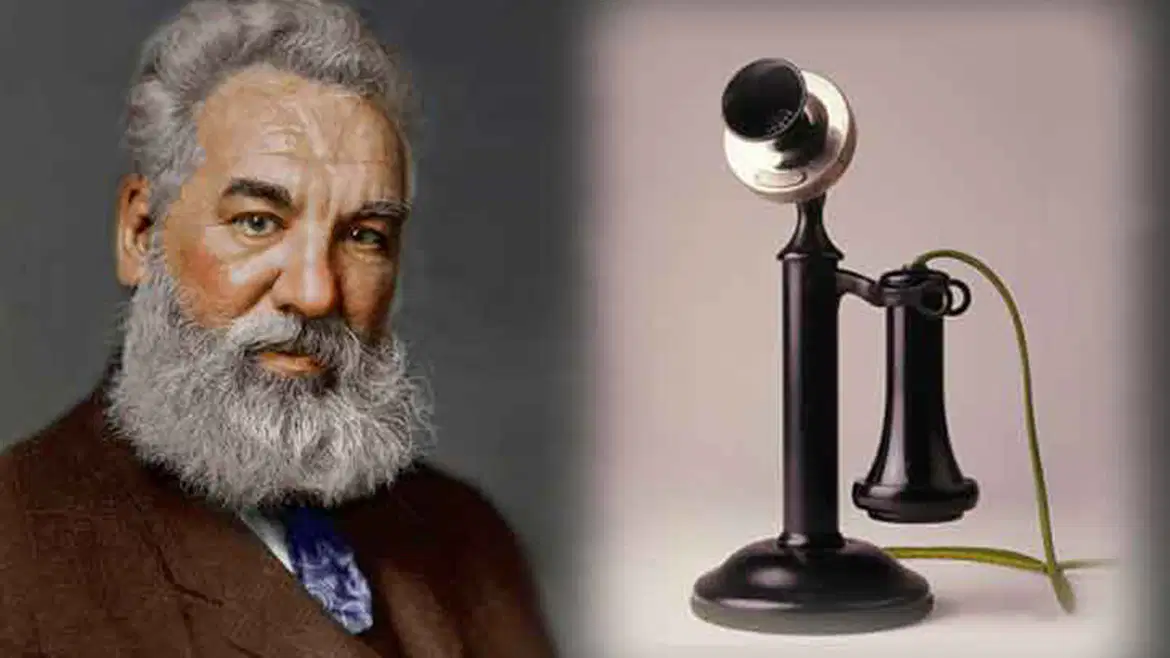
Invented the telephone
Crazy Horse
Elizabeth Cady Stanton
Alexander Bell
George Custer

Native Americans that lived on the Great Plains who were threatened by white migration
Cherokee
Plains Indians
Creek
Apache

Suffragette who fought for suffrage for women
Harmonie Granger
Jane Adams
Molly Hatchet
Elizabeth Cady Stanton
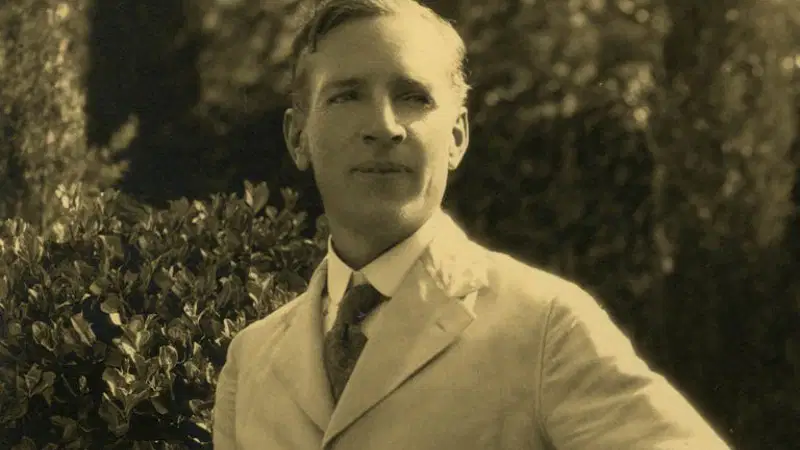
Wrote “The Jungle” exposing poor conditions in meat packing industries
Upton Sinclair
James K. Polk
Langston Hughes
John Brown
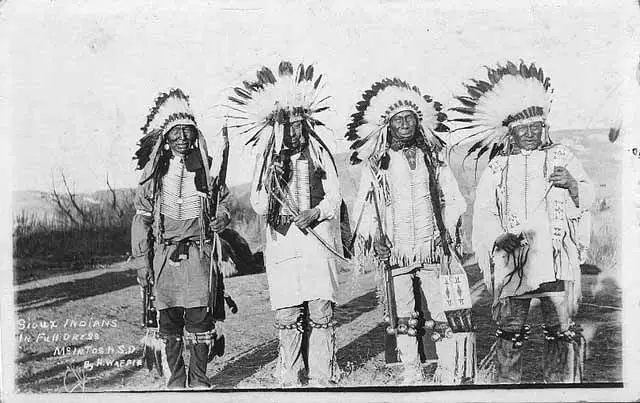
Native American tribe that fought against the US Army over land
Cherokee
Sioux
Creek
Seminole
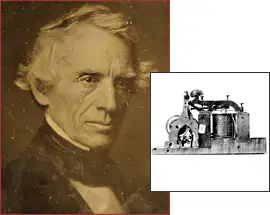
Invented the telegraph that transmitted messages along a wire
Thomas Edison
Louis Armstrong
Samuel Morse
Jacob Riis
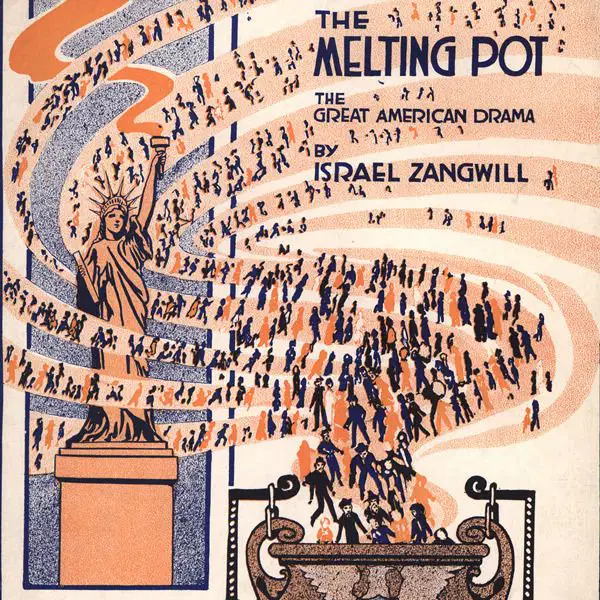
American society with a mix of many cultures blended as one
Melting Pot
Plains Indians
Labor Unions
IDK
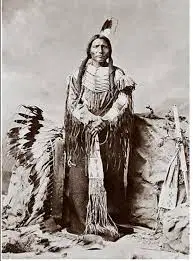
Native American leader who fought against the US Army over white settlement
Crazy Horse
Geronimo
Chief Joseph
Tecumseh
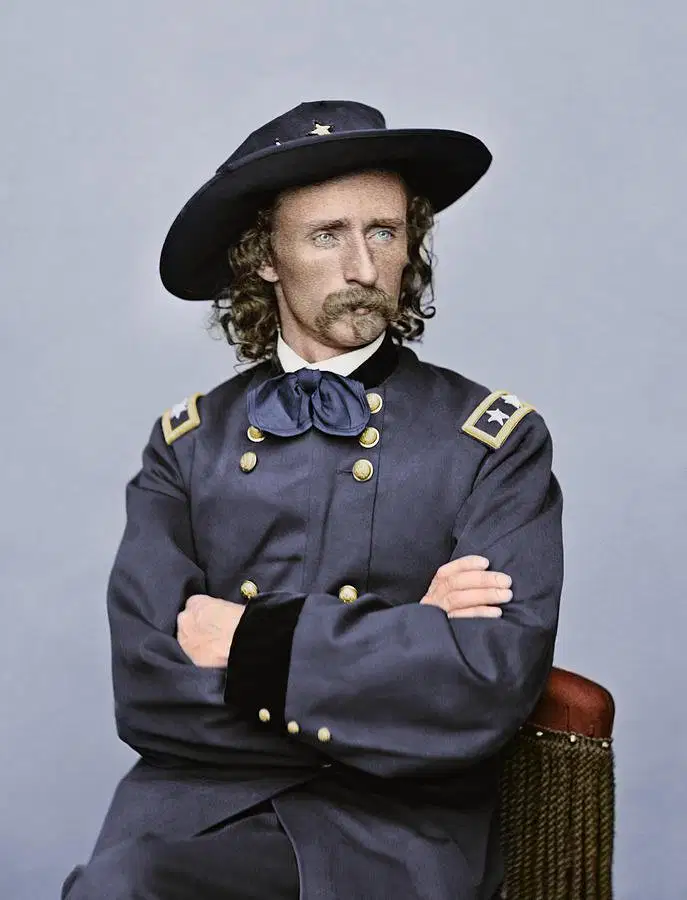
American general who was killed at and lost the Battle of Little Big Horn
Ulysses S. Grant
Abraham Lincoln
Robert E. Lee
George Custer
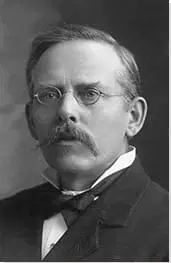
“How the Other Half Lives” photographer exposing poor urban slums
Jacob Riis
Jane Adams
Upton Sinclair
Samuel Morse

Roosevelt's unit that forced the Spanish to retreat into waiting American ships off of the coast of Cuba
Rough Riders
Crazy Horse
Plains Indians
Plains Indians

President that declared the US would remain neutral/isolated at the start of WWI
Abraham Lincoln
James K. Polk
Woodrow Wilson
Bill Clinton
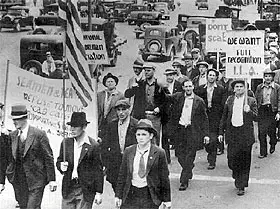
Organized group of workers that formed to protect their working rights
Worker Comp
Labor Union
Muckrakers
Labor Organizers

Created Hull House that provided social services to the urban poor
Jane Simore
Elizabeth Cady Stanton
Jane Adams
Lisa Simpson

Each worker in a factory had a specific job to do speeding up production
Part Position
Assembly Line
Expert Maker
Ummm...
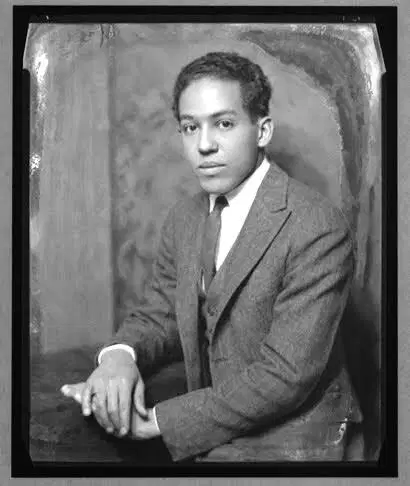
Famous writer and poet during the Harlem Renaissance
Zora Neale Hurston
Langston Hughes
Upton Sinclaire
John Brown

Famous jazz musician brought to fame in the 1920s
Louis Armstrong
Drake
Count Bassie
James Brown

11th Pres. During his administration the US grew ⅓ in size- Manifest Destiny
Abraham Lincoln
James K. Polk
Woodrow Wilson
Gerald Ford
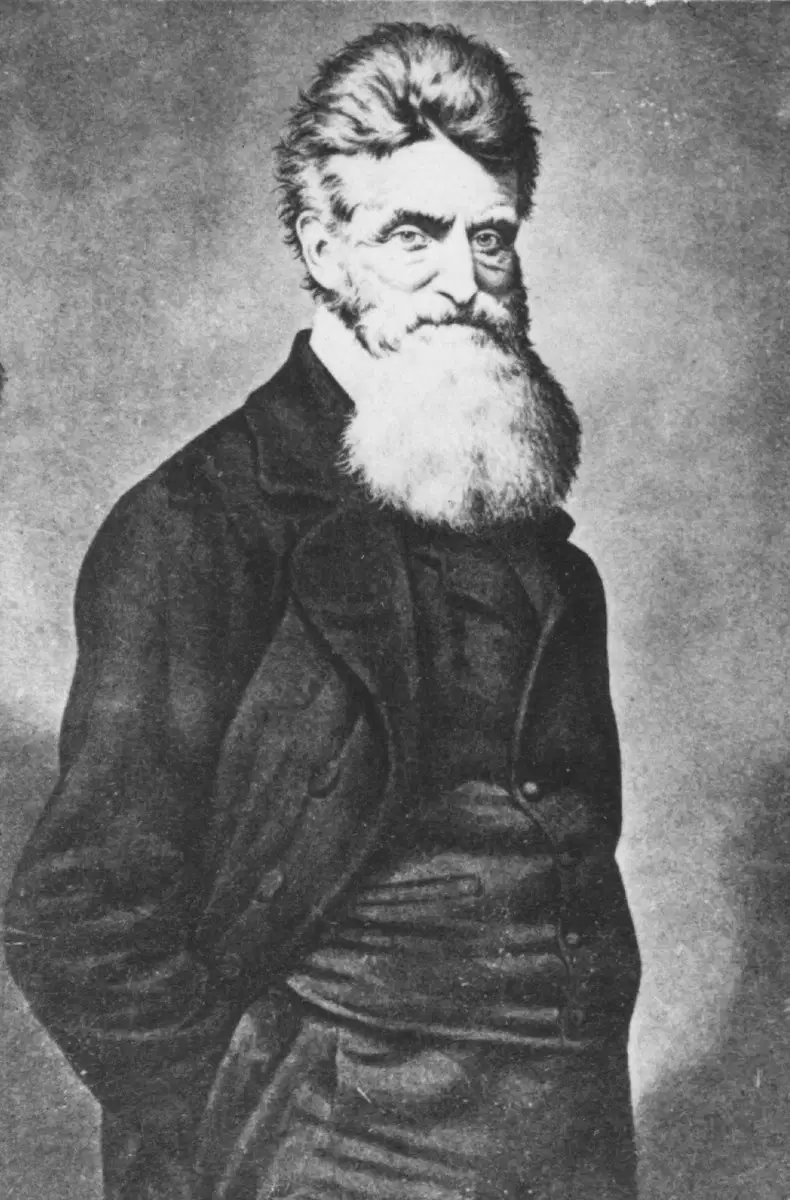
Led a raid on a Federal arsenal to assist a slave revolt- executed and considered a martyr
John Wilkes Booth
Alexander Graham Bell
John Brown
George Custer

Sioux leader who fought over land and led the charge of Little BigHorn against Custer and his men
Sitting Bull
KKK
Crazy Horse
WEB DuBois
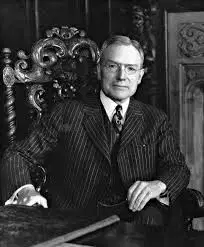
Owned a monopoly of 90% of all US oil. (Standard Oil Company)
J.P. Morgan
John D. Rockerfeller
Karl Marx
Eugene Debs

Exposed the corruption within the Standard Oil Company- (muckraker)
Jane Adams
WEB Dubois
Ida Tarbell
Henry Ford
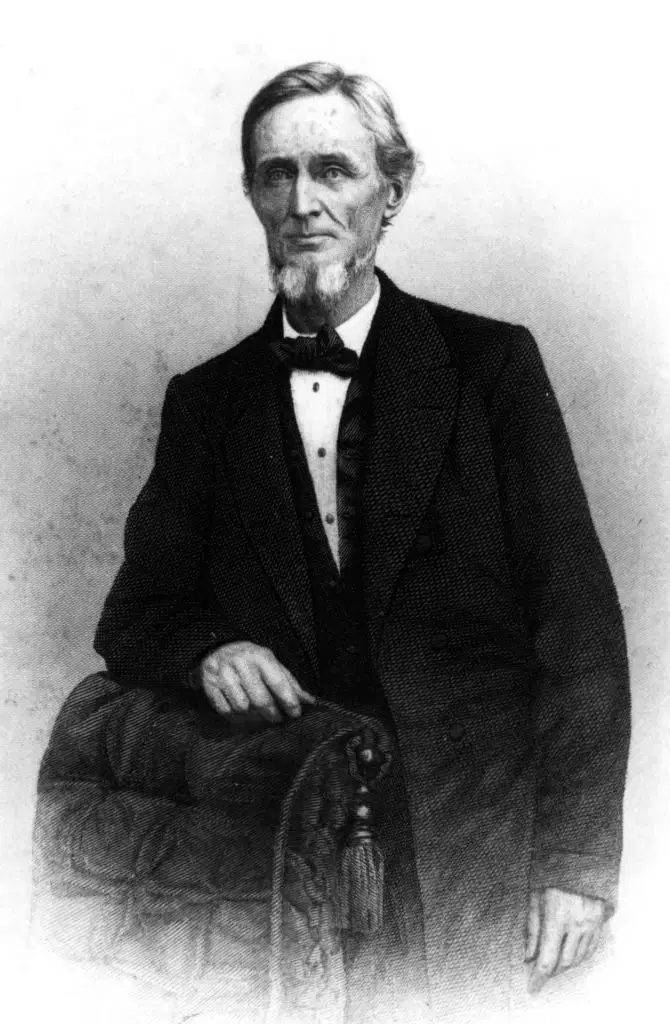
1st and only president of the Confederate States of America
WEB Dubois
Emili Aguinaldo
Karl Marx
Jefferson Davis

Founder of the NAACP
WEB Dubois
Eugene Debs
William T. Sherman
Emilio Aguinaldo

Wrote the “Communist Manifesto- believed those oppressed would rise up and start revolutions overtaking their oppressors
William T. Sherman
Karl Marx
Henry Ford
Samuel Gompers
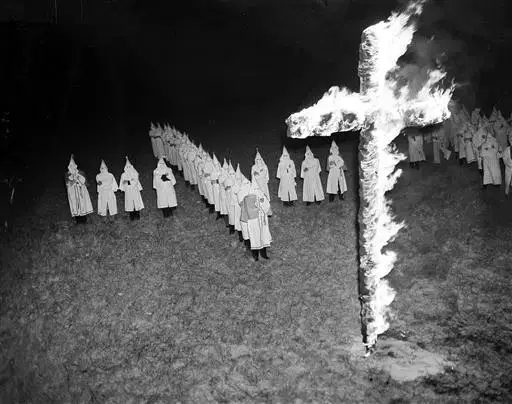
Militant wing of the Democrat party that believed in southern white supremacy, wanted to rid the south of Union troops and carpetbaggers
Labor Union
KKK
Bootleggers
Muckrakers

Investigative journalists who exposed the problems of society
Bootleggers
Unionist
Yellow Journalist
Muckrakers

Organization that would help settle disagreements between member countries
European Union
Peace International
League of Nations
Union League of the World
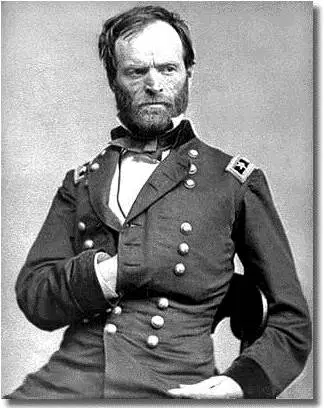
Union commander that took Atlanta and led a destructive march to Savannah
William T. Sherman
Ulysses S. Grant
Samuel Gompers
Eugene Debs
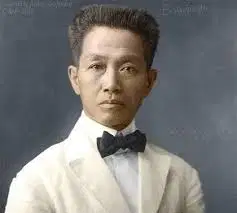
Led the rebellion against the Americans in the Philippine-American War
Sitting Bull
Emilio Aguinaldo
Henry Ford
Jefferson Davis
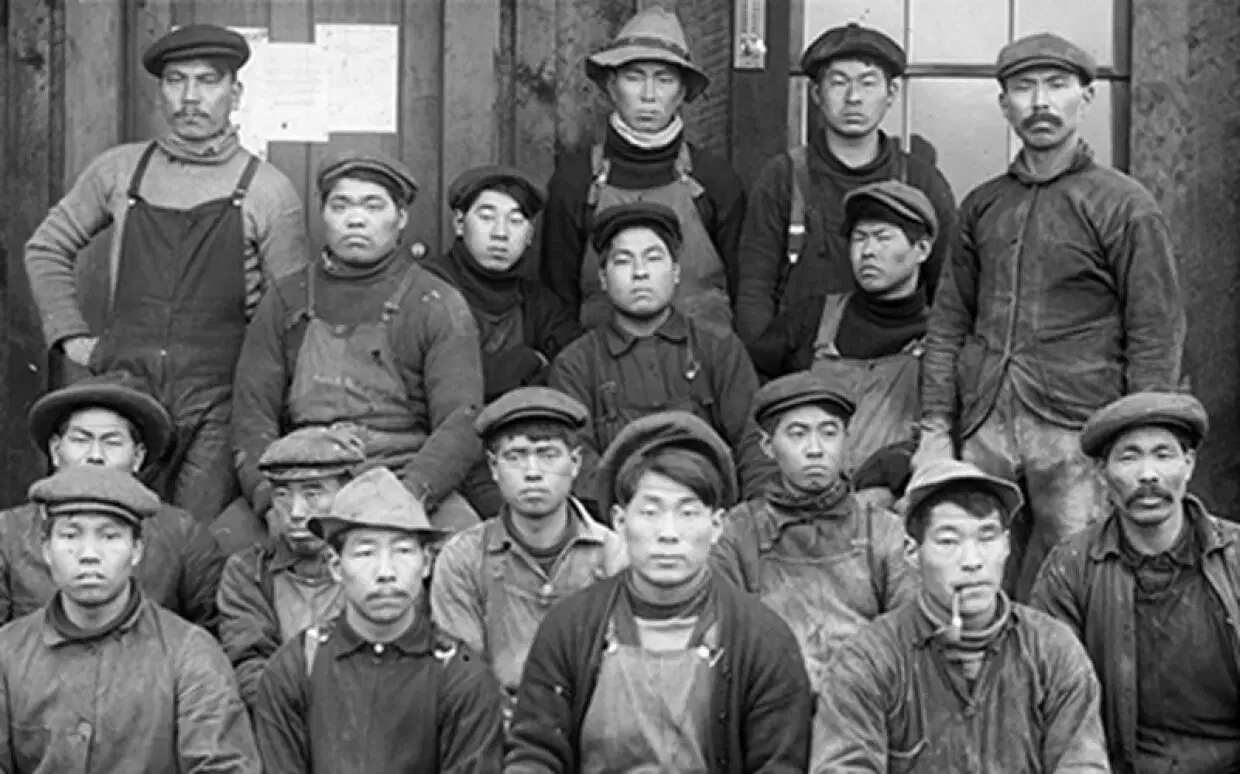
Labor used to build the transcontinental railroad
Japanese and Scottish Workers
German and Norwegian Workers
Chinese and Scottish Workers
Chinese and Irish Workers
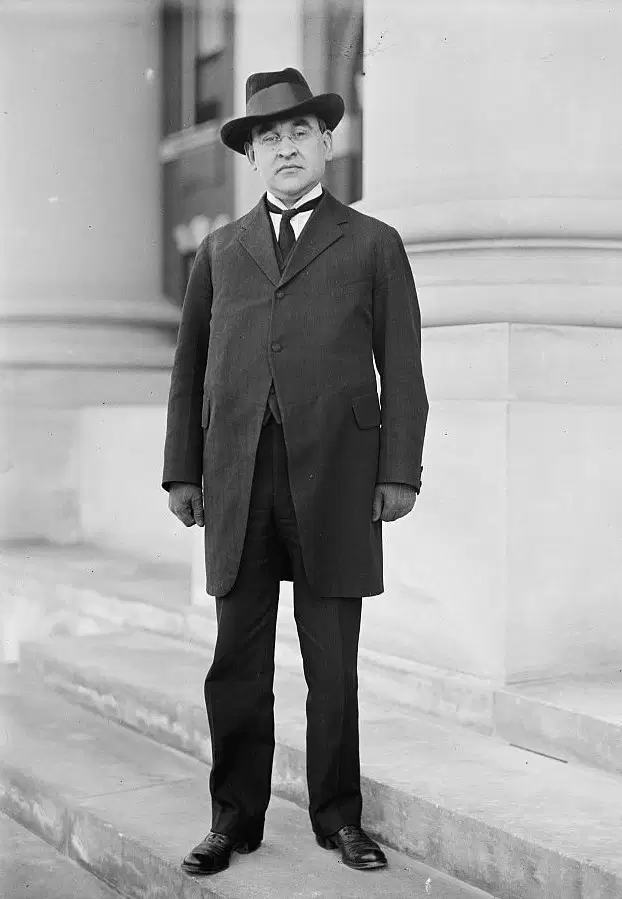
Created the AFL/ used collective bargaining to get workers benefits
Samuel Gompers
Ida Tarbel
Eugene Debs
WEB Dubois

In favor or opposed to prohibition
Pro/Against (Identified)
Sober/Drunk (Identified)
Wet/Dry (Identified)
Party/Anti-Party (Identified)
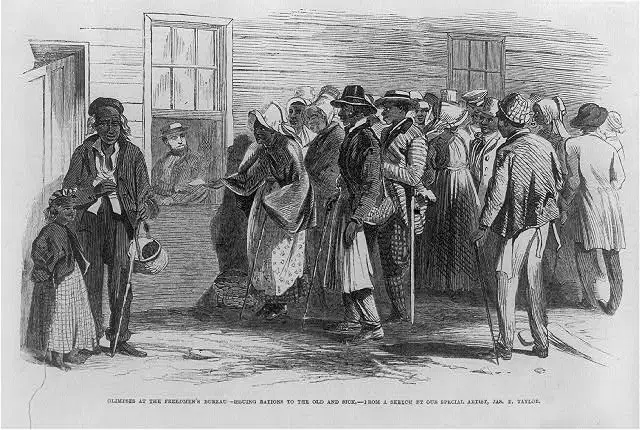
Organization that helped freed slaves with food, clothing, healthcare
NAACP
Yellow Journalist
Muckrakers
Freedman's Bureau
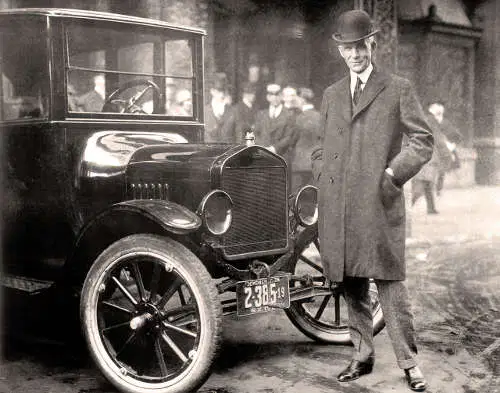
Massed produced automobiles that the “everyday man” could afford
Henry Ford
Samuel Gompers
John D. Rockerfeller
Jefferson Davis

Socialist that made anti-war speeches urging not to enter WWI
Karl Marx
WEB Dubois
Eugene Debs
Samwise Gamgee
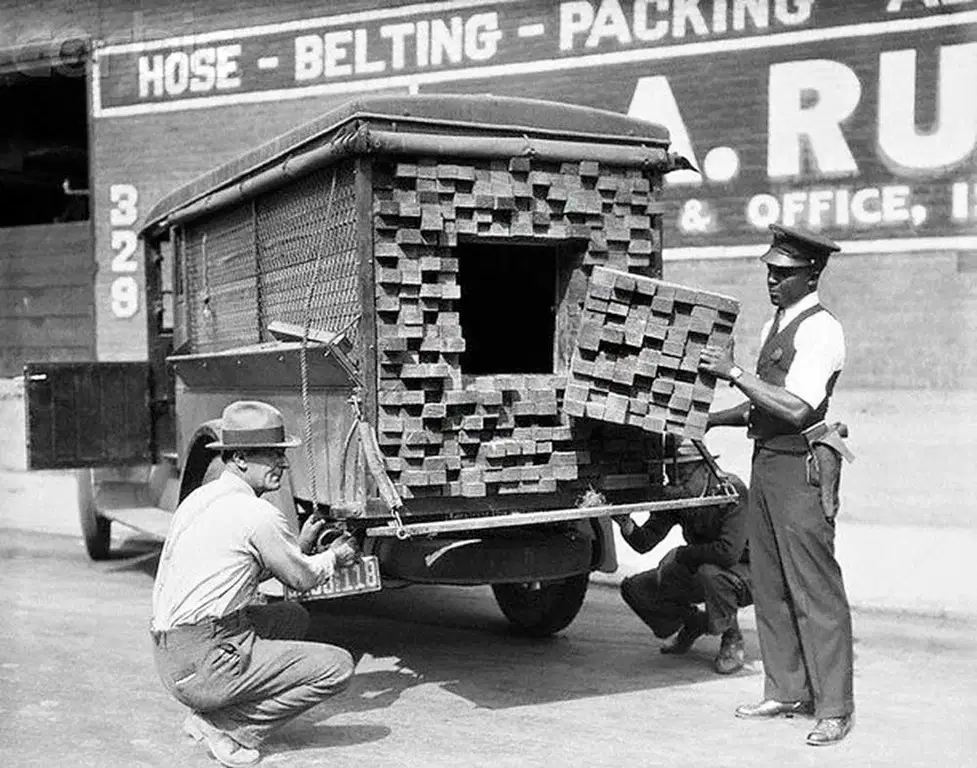
Person involved with manufacturing & transporting of illegal alcohol
Bootlegger
Spirit Distributor
Liquor Liquidator
Unionist
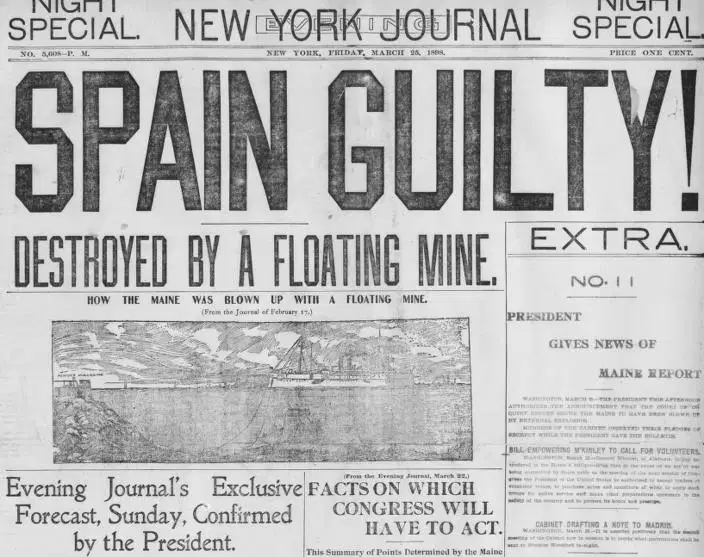
People who wrote made up or sensationalized stories about what the Spanish were doing to the Cubans
Journalist Exagerators
Yellow Journalism
Messy Men
Unionist
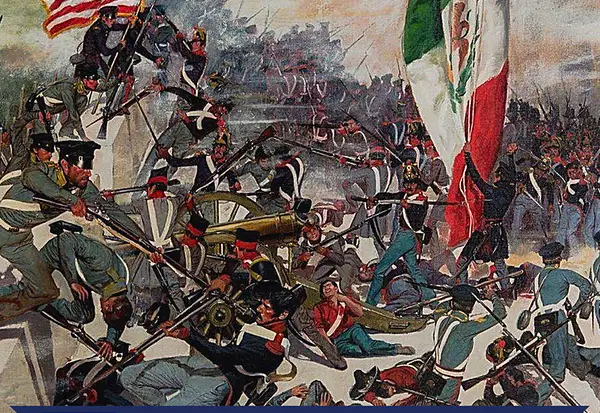
War between the US and Mexico due to Mexico opening fire on American troops- Polk declared war on Mexico
Mexican American War
Civil War
Philippine-American War
War of 1812
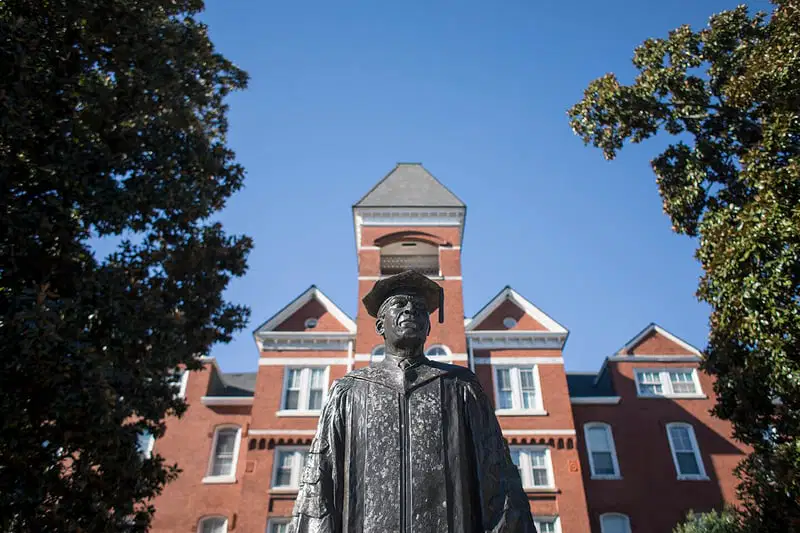
Founded to teach freed blacks how to read and write
Georgia College
Morehouse College
Freedman College
IDK

Fought because the Philippines went from being controlled by Spain to being controlled by the US. Lasted 3 years
Mexican American War
Spanish American War
Philippine American War
War of Imperialism
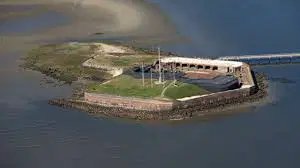
Located in South Carolina- First battle of the Civil War
Ft. Bening
Ft. Ticondaroga
Ft. Sumter
Ft. Niagra
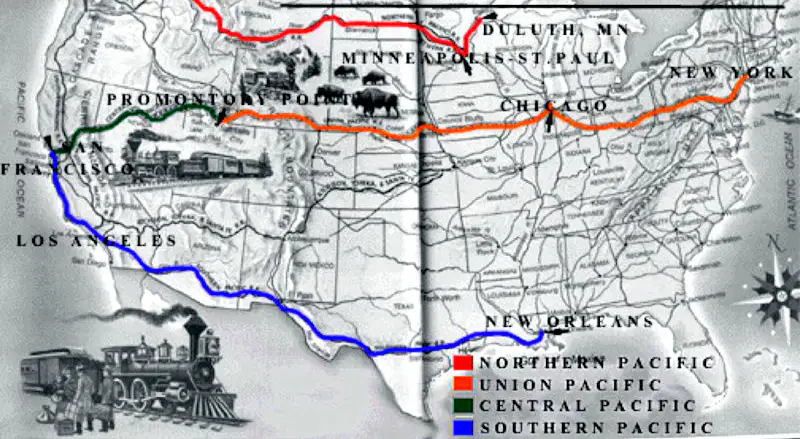
Railroads built to connect the US making it easier for people to travel and settle out west
International Railway
Transcontinental Railway
Union Pacific Railway
Central Pacific Railway

Fight between anti-slavery and pro-slavery voters to determine the issue of slavery. Property destroyed and over 200 killed
Slavery Revolt
Ghost Dance Movement
Bleeding Kansas
Manifest Destiny

Private letter from Spanish minister to the US which insulted Pres. McKinley
Mexico Letter
Lincoln's Letter
De Lome Letter
Spanish Letter
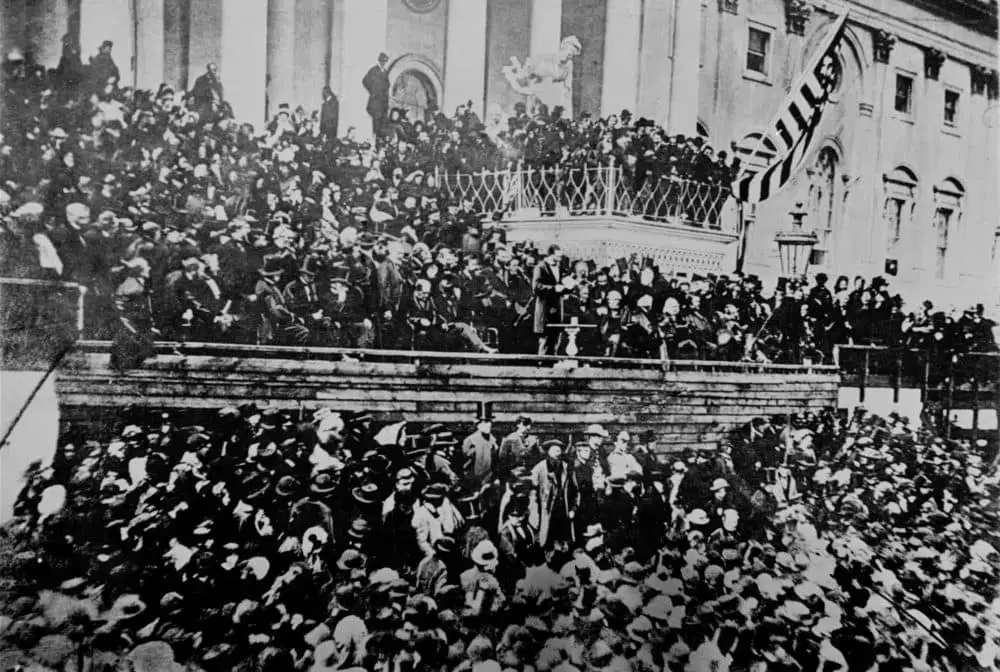
Speech given that showed Lincoln’s concerns for America after the Civil War had come to an end
Lincoln's 2nd Inaugural Address
Gettysburg Address
Letter to Appomattox
Speech of Secession
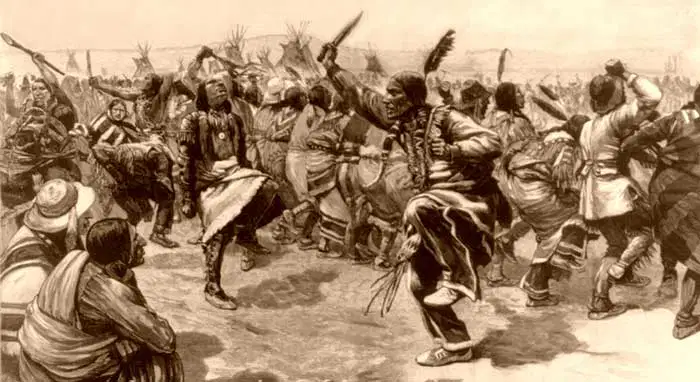
Ceremonial dance performed by the Sioux that was believed to restore their ancestral lands and repopulate the buffalo
Indian Dance
Rain Dance
Ghost Dance
Spirit Dance

Expansion west to the Pacific Ocean was ordained by God
Manifest Destiny
Westward Destiny
Pacific Destiny
Railway Destiny

Supreme Court saw the election of Lincoln as a threat to the state’s right to slavery and in response left the union
Secession of Georgia
Secession of Alabama
Secession of the South
Secession of South Carolina

Speech given by Lincoln to dedicate the site as a National Cemetery and defined a new cause for the war which was reunification
Andersonville Address
Sumter Address
Cemetery Address
Gettysburg Address
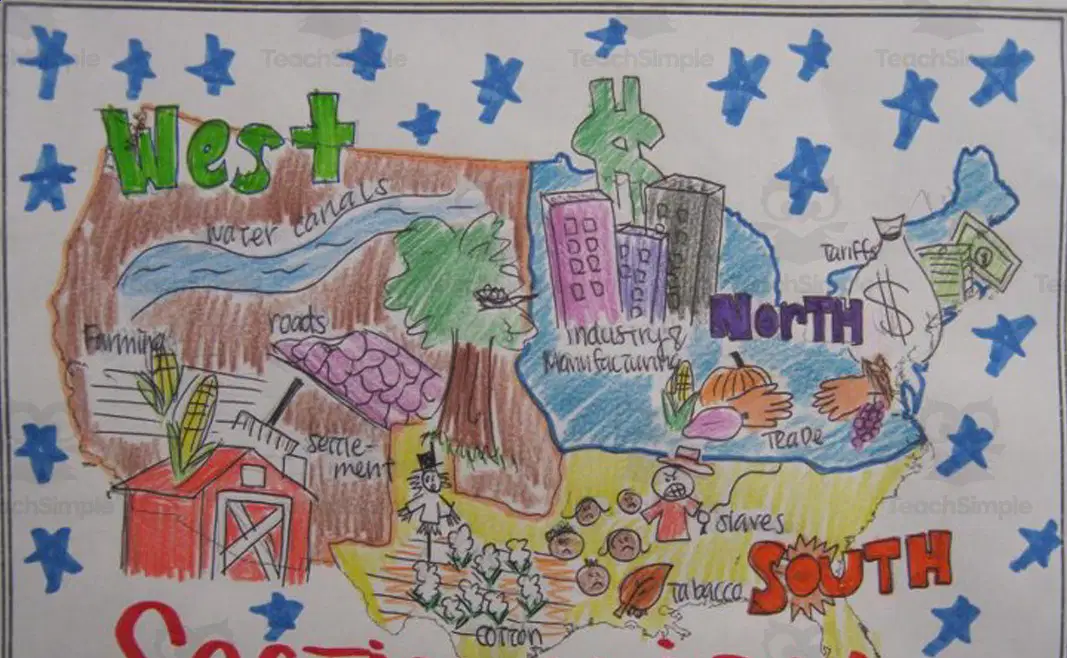
Conflict in the US where sections of the country would be divided on major issues, slavery being the biggest
Sectionalism
Regionalism
District Union
Ummm....
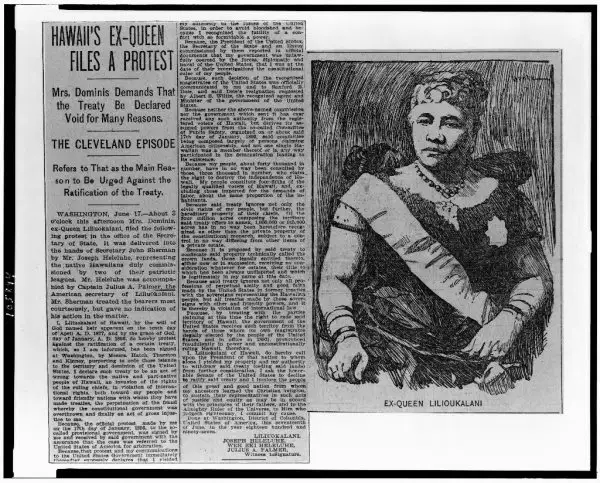
1898, approved annexation of this island for a crucial Naval base
Annexation of Alaska
Annexation of Hawaii
Annexation of Mississippi
Annexation of North Umbria

Hayes vs Tilden- neither gained enough electoral votes- forced a compromise which gave the election to Rutherford B Hayes.
Election of 1860
Election of 1870
Election of 1876
Election of 1900

Bloodiest one day battle in American history- over 6000 dead ending in a Union victory and pushing Gen Lee back into Virginia
Gettysburg
Ft. Sumter
Bull Run
Antietam

Built by America to shorten the route between the Atlantic and Pacific Oceans
Erie Canal
Panama Canal
Suez Canal
Augusta Canal

A US Battleship exploded while sitting in the harbor of Havana, Cuba. US blamed Spain
USS Arizona
USS Roosevelt
USS Maine
USS Bismark
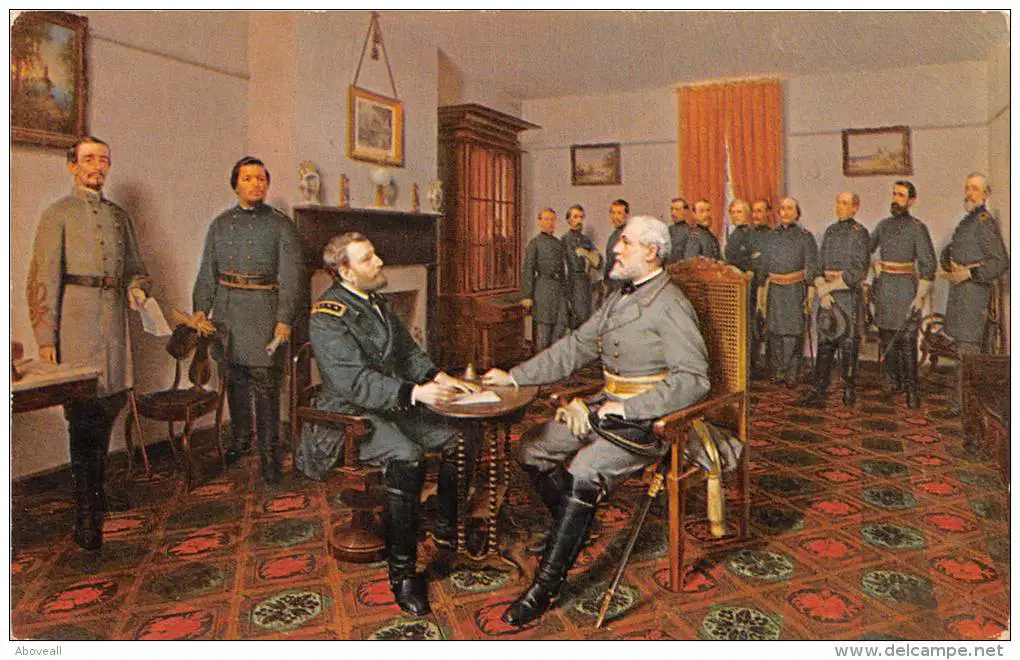
Site where General Lee formally surrenders to Gen Grant ending the Civil War
Appomattox Court House
Richmond Virginia
The White House
Valdosta Court House

Industrialization, urbanization, and immigration brought many benefits and problems in society, leading to new ideas and good government bringing social justice and change
Antebellum Era
Progressive Era
Victorian Era
Era of Good Feeling

Union troops cut off food supplies and bombarded the city eventually having Confederates to surrender giving the Union control of the Mississippi River
Battle of Atlanta
Battle of Gettysburg
Battle of Vicksburg
Battle of Savannah

Majority control of a specific commodity such as oil or steel where wealthy businessmen control distribution, availability, and price
Progressivism
Sectionalism
Conservatism
Monopolies
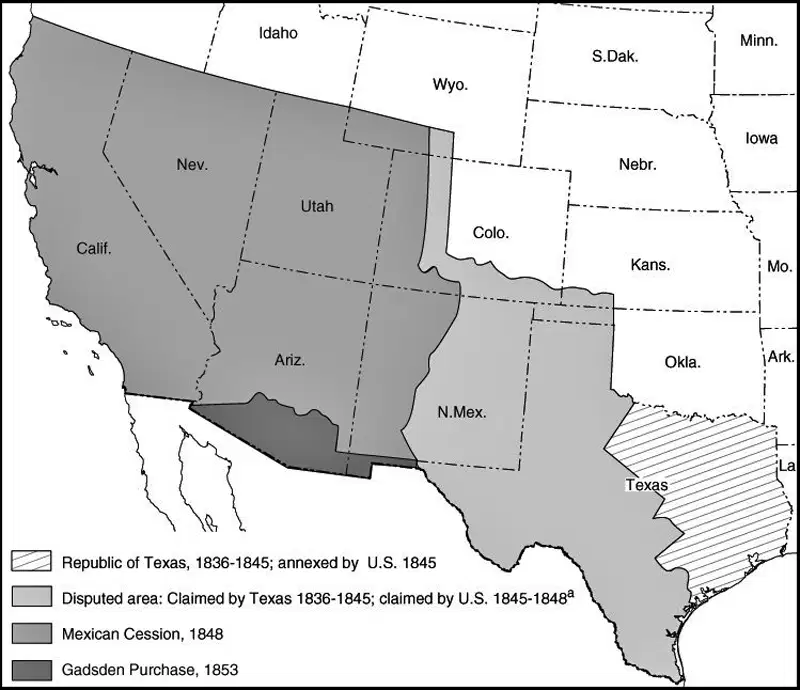
1845: Pres Polk annexed this area for its fertile soil. Being such a large area- further added to the issues surrounding slavery
Annexation of Alaska
Annexation of Texas
Annexation of Panama
Annexation of Cuba
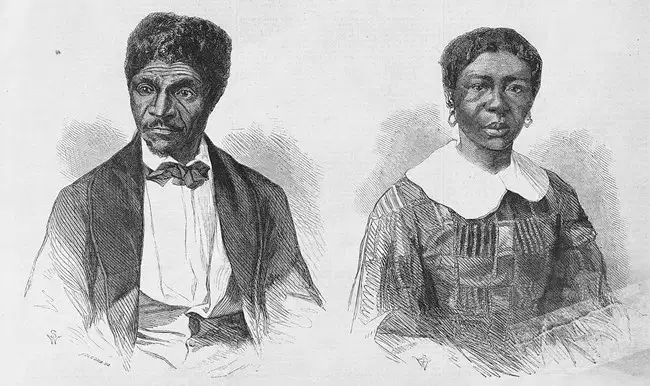
Court case where a freed slave wanted to sue for his freedom- went to the Supreme Court and outcome gave slavery protection under the Constitution
Mulberry vs. Madison
Roe vs. Wade
Scott vs. Sanford
Plessy vs. Ferguson
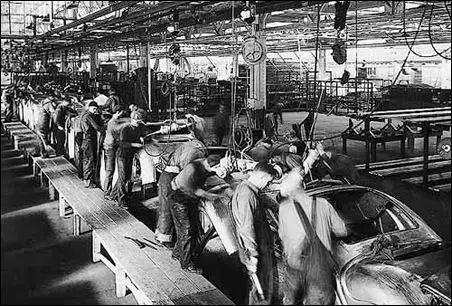
Rapid manufacturing of large numbers of an identical product
3D Printing
Mass Production
Mass Copying
Welding

Germany using U-Boats to attack all vessels in British waters
Zimmerman Telegram
Pearl Harbor
Unrestricted Submarine Warfare
Red Scare
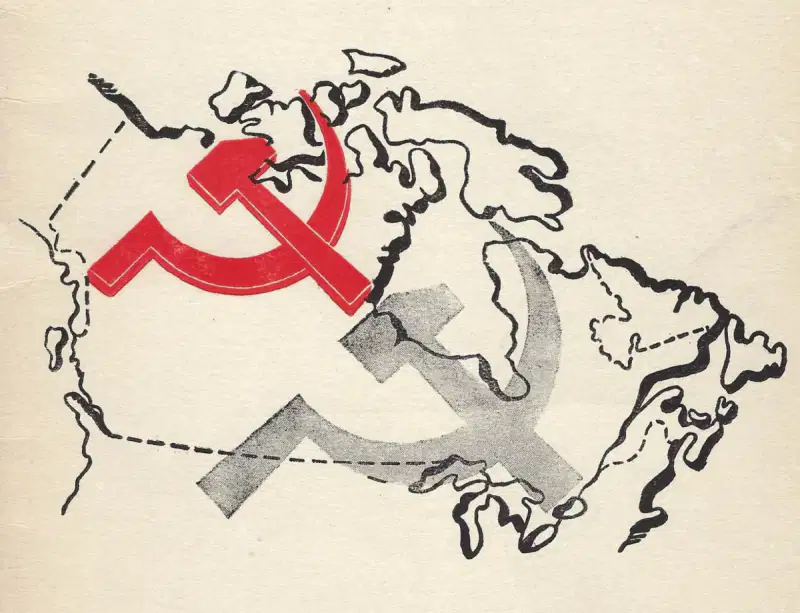
Americans feared that capitalism and democracy were in danger from Communist threats
Mass Production
Communism Flare
Red Scare
Palmer Raids
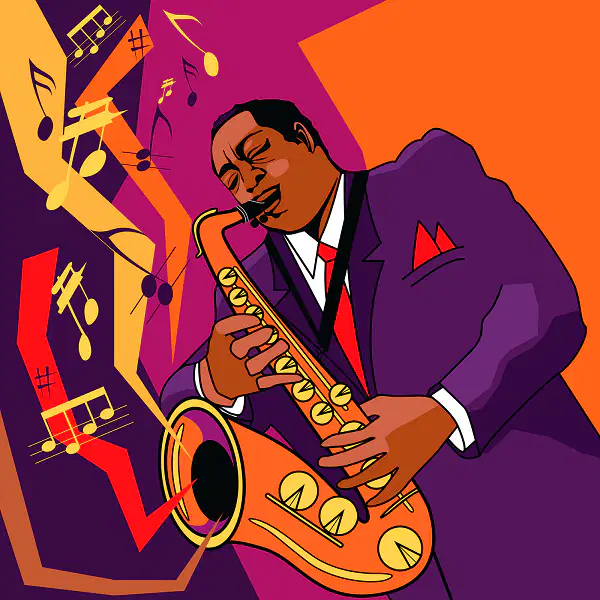
First true “American” music
Country
Bluegrass
Rock
Jazz

To replace workers that went off to fight in WWI, African Americans left the South and moved into many northern cities to take factory jobs
Northward Migration
Westward Migration
Harlem Migration
Great Migration

Letter sent from Germany to Mexico to convince Mexico to invade the US so that US attention was not in Europe
Zimmerman Telegram
Mexican Memo
Texas Telegram
German Memo

1915: a German U-Boat sank a British passenger liner killing over 1200 passengers that included 128 Americans
Sinking of the Lusitania
Sinking of the Maine
Sinking of the Arizona
Sinking of the Plague

Without warning began arresting 100s of people suspected of being Communists
Communist Raids
Palmer Raids
Red Raids
Russian Raids
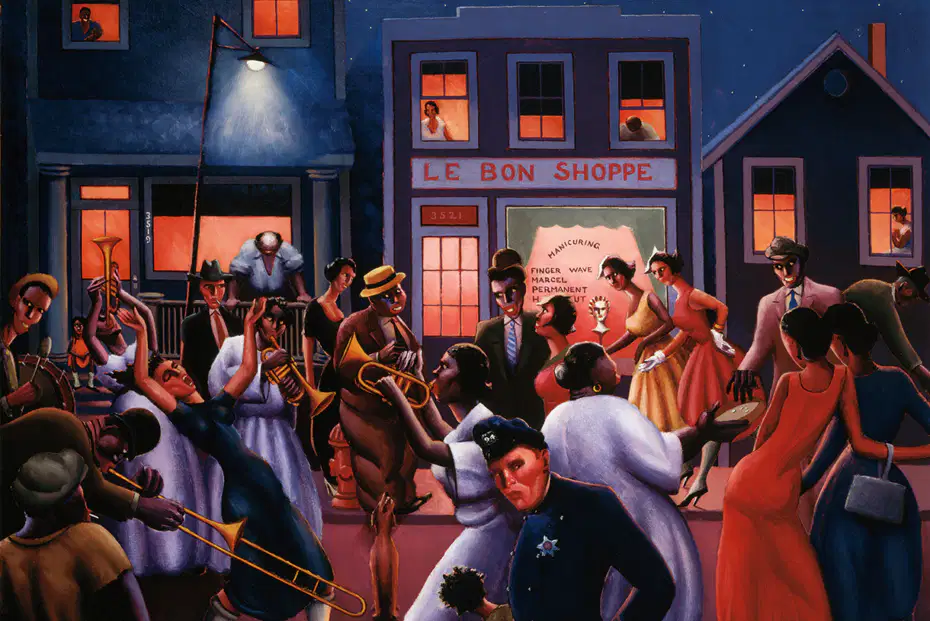
Artistic movement coming out of Black culture centered in NYC
African Renaissance
Re Renaissance
Harlem Renaissance
Ummm......

Lightbulb, telegraph, and telephone all making American lives better
17th Century Technology
18th Century Technology
19th Technology
20th Technology

Barbed wire, plow, grain drill, windmill, and open-range ranching
Westward Warfare
Sinking of the Lusitania
Red Scare
Westward Expansion Farming Innovations

War declared against Spain caused by yellow journalism, the sinking of the USS Maine off of the coast of Cuba, and the DeLome letter
War of 1812
Panamanian War
Spanish American War
World War I
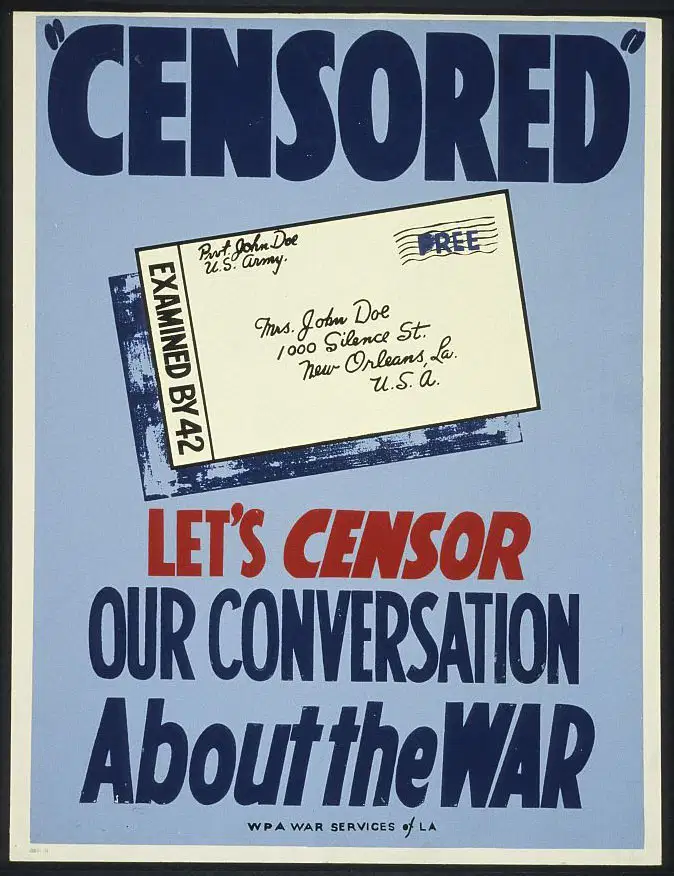
Passed in 1917: Established penalties and prison time for spying, sabotage, and obstructing the war efforts
Kansas-Nebraska Act
Wilmot Proviso
Espionage Act
National Origins Act
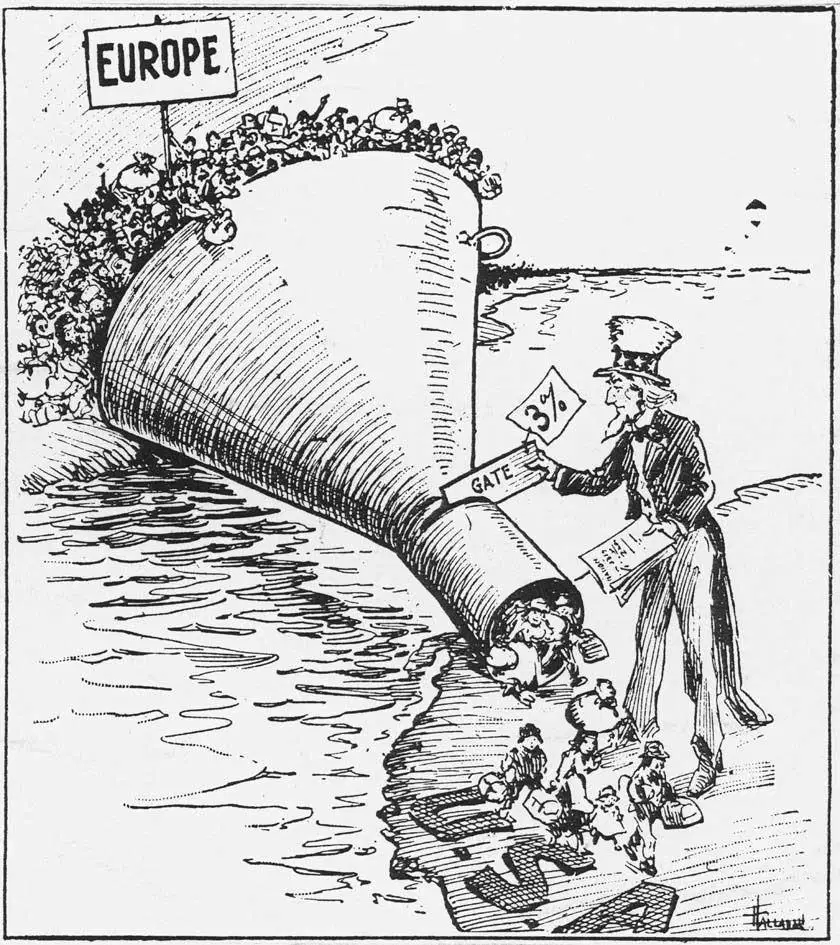
Established a quota system setting laws on the number of immigrants who could enter the US from each country
13th Amendment
Popular Sovereignty
18th Amendment
National Origins Act

Gave women the right to vote
16th Amendment
17th Amendment
18th Amendment
19th Amendment
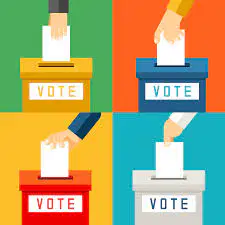
Allows citizens the ability to directly elect their state’s Senators
Referendum
Recall
Habeas Corpus
Literacy Test
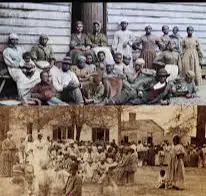
Makes former slaves citizens of the United States
13th Amendment
14th Amendment
15th Amendment
16th Amendment
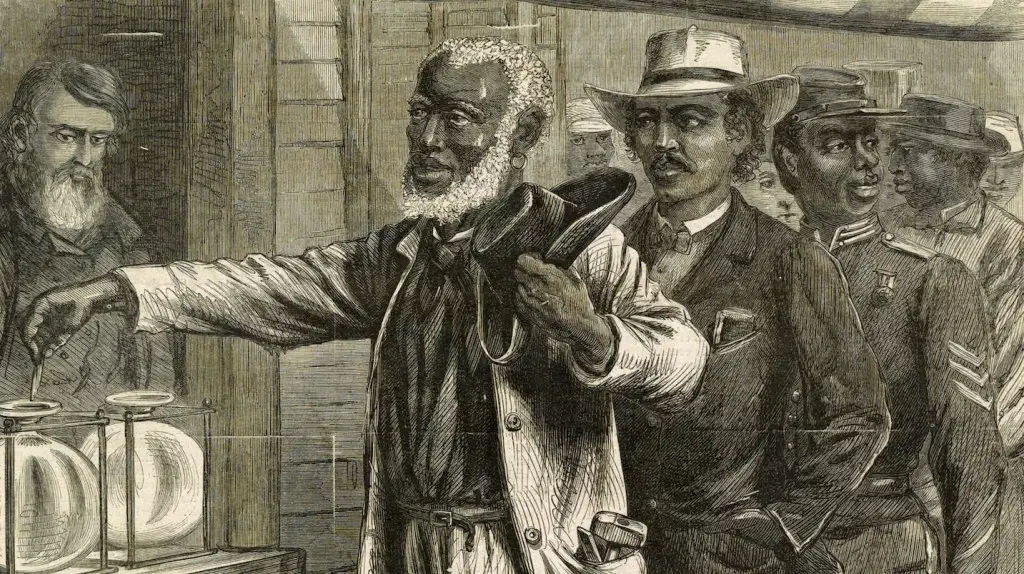
Ensures all men have the right to vote
13th Amendment
16th Amendment
15th Amendment
19th Amendment

Ends slavery
13th Amendment
16th Amendment
15th Amendment
19th Amendment
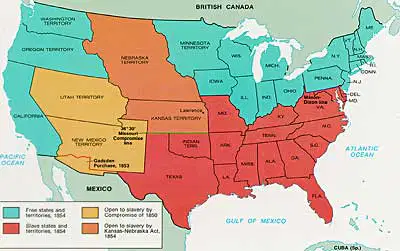
Replaced Missouri Compromise- created Kansas and Nebraska, let each territory decide on slavery issue using popular sovereignty
Wilmot Proviso
Kansas-Nebraska Act
Compromise of 1850
Popular Sovereignty
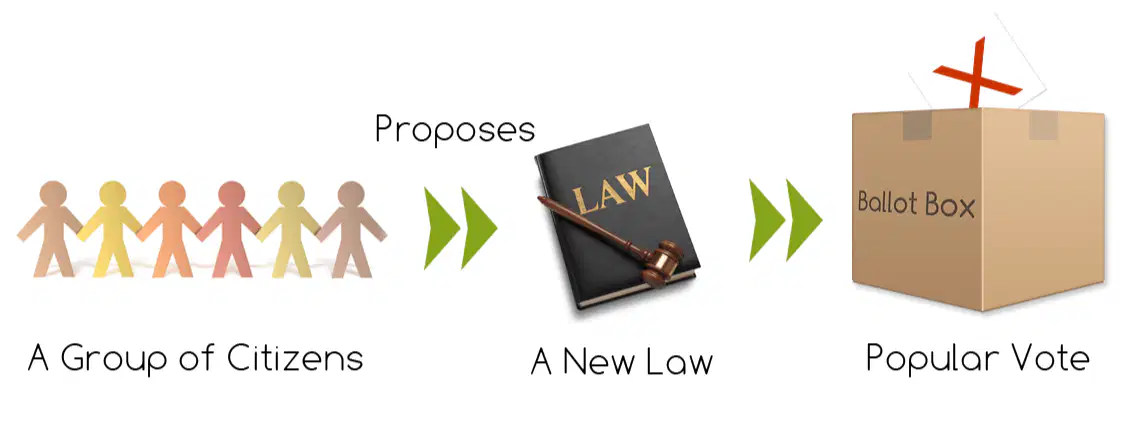
People vote & have final approval on a law
Recall
Initiative
Referenedum
Proclamation

1919: banned the manufacturing, sale, and transportation of alcohol
17th Amendment
18th Amendment
19th Amendment
20th Amendment
Following Reconstruction laws put into place in the south to disenfranchise (take rights away) from African Americans
Jim Crow Laws
Poll Tax
Recall
Grandfather Clause
Proposed in 1846- idea that any territory obtained from Mexico would not allow slaves- Senate refused to vote on it
Kansas-Nebraska Act
Wilmot Proviso
Missouri Compromise
Popular Sovereignty
Protect a person from being held in jail without a specific charge
Trial by Jury
Jim Crow Laws
Habeas Corpus
Literacy Test

Made it a federal offense to interfere with the right to vote and was used to bring the Klan to an end
Sovereignty Act
Initiative Act
Enforcement Act
Poll Tax Act
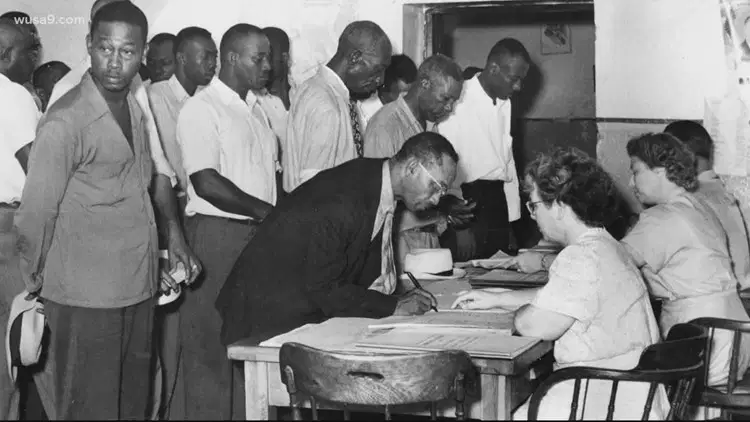
Freed Blacks had to read and write on a test to vote
Literacy Test
Poll Tax
Popular Sovereignty
Jim Crow Laws

Proclamation called for the freeing of slaves in states in rebellion
Anti-Slave Law
Freedom Act
Emancipation Proclamation
Enslaved Ends Act
People can remove an official from office before their term is over
Recall
Inicitative
Referendem
IDK
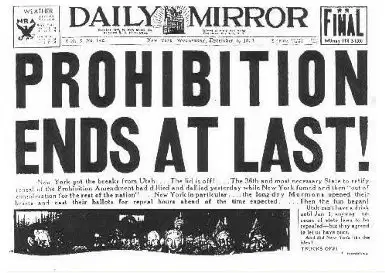
Passed to repeal the 18th Amendment
19th Amendment
20th Amendment
21st Amendment
22nd Amendment
People have the right to propose a law
Recall
Initiative
Referenedum
Espionage Act
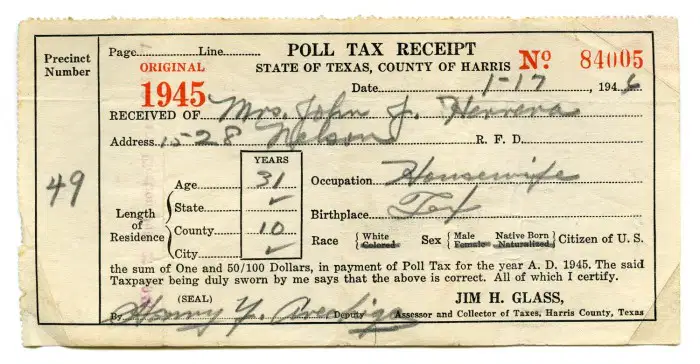
Blacks had to pay money to be able to vote
Poll Tax
Voter Fee
Literacy Test
Jim Crow Laws
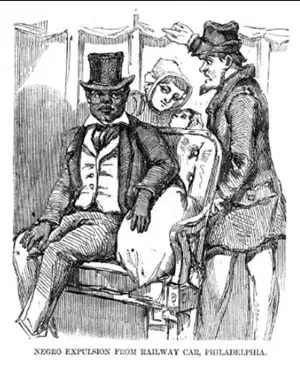
Made segregation legal- “separate but legal”
Plessy v. Ferguson
Brown v. Board
Wade v. Roe
IDK

Republicans took the presidency and agreed to remove the military from the southern states at the end of Reconstruction
Compromise of 1877
Compromise of 1850
Compromise of 1864
Compromise of 1776
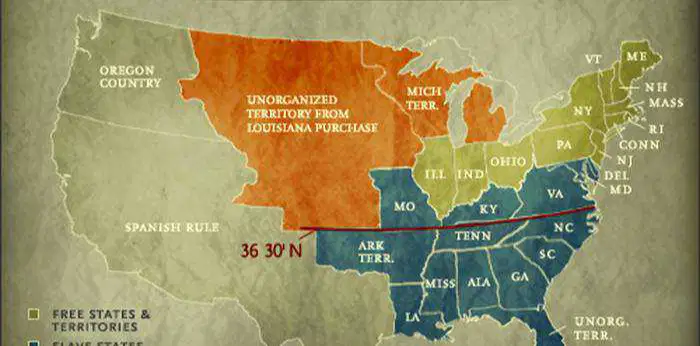
Created to keep a balance between free and slave states- used the 32 latitude line for division of the country
Missouri Compromise
Wilmot Proviso
Compromise of 1850
Compromise of 1870

Admitted California as a free state, use popular sovereignty to determine slavery in Utah and new Mexico, and slave trade was abolished in Washington, DC
Compromise of 1850
Compromise of 1865
Compromise of 1870
What?!?!
The act of letting the people decide on major issues through voting
Recall
Initiative
Referendum
I'm lost

Andrew Johnson’s plan: pardons and restoration to most Confederates who swore allegiance to the United States
Presidential Reconstruction
Congressional Reconstruction
Reconstruction Plan of 1865
Whats reconstruction?

Ended Spanish/American War: Cuba becomes independent, US gets Puerto Rico, Guam, and Philippines
Treaty of Paris 1820
Treaty of Paris 1898
Treaty of Guadalupe Hidalgo
Treaty of Versailles

Plan created by President Wilson for a lasting peace after WWI
Treaty of Versaille
United Nations
14 Points
Reconstruction

Signed by Germany in 1919 at the end of WWI. Punished Germany for starting the war
Treaty of Paris
Treaty of WWI
Treaty of Versaille
Treaty of Guadalupe Hidalgo
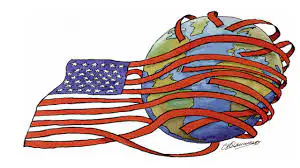
US wanting to take over other countries for religious, raciest, and power reasons
American Conquest
American Annexation Movement
American Imperialism
American Ring of Power

Extension of Monroe Doctrine that stated the US would use force to remove European powers from Western Hemisphere
Communism
Neutrality
Socialism
Roosevelt Corollary
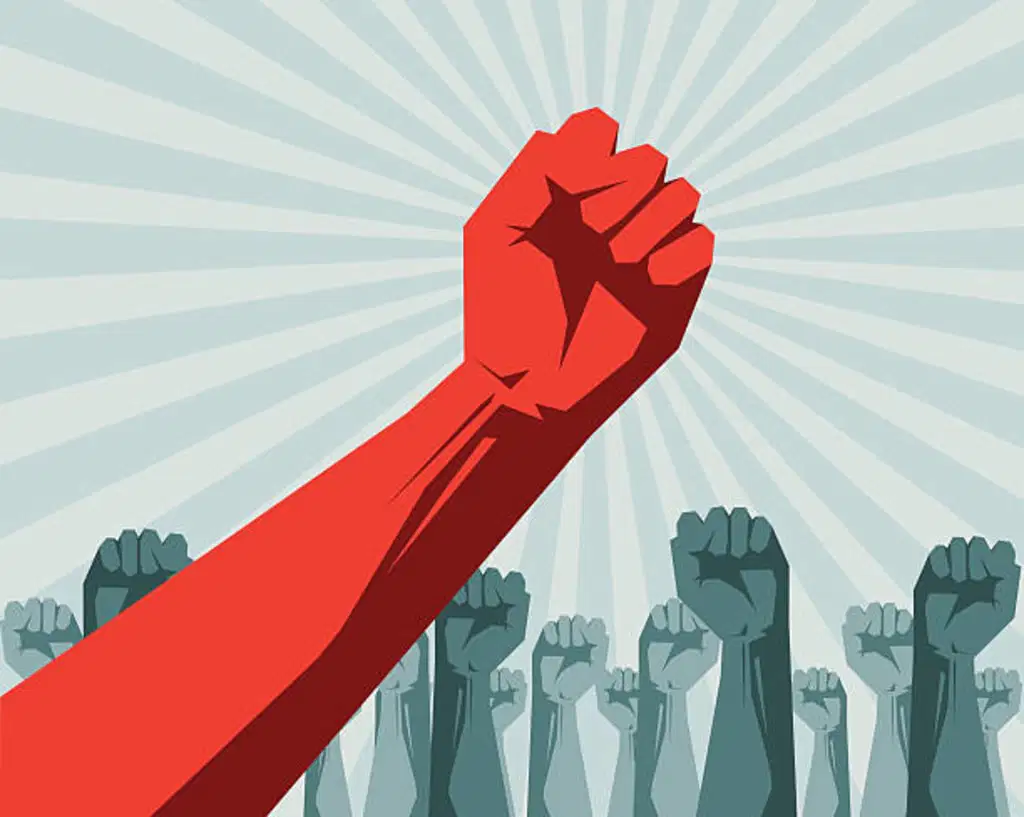
Government has control over most aspects of the economy and allows private ownership
Communism
Capitalism
Recession
Socialism

Govt. outlawed child labor- set minimum age for working
Child Labor Reform
Anti-Child Labor
Labor Neutrality
Labor Socialism

Southern states ratify the 13th Amendment and 10% of voters take oath of loyalty to the United States
Presidential Reconstruction
Lincoln's 10% Plan
Congressional Reconstrution
Federal Reconstruction

Term used from an African proverb: “Speak softly and carry a big stick”
Socialism
Communism
Big Stick Diplomacy
Woodrow Wilson's 14 points
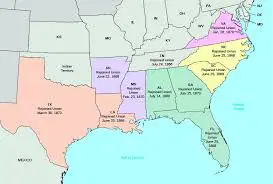
The South was divided into 5 military districts to enforce reconstruction. State constitutions had to recognize all 13,14,and 15th Amendments
10% Plan
Presidential Reconstruction
Reconstruction Plan of '76
Congressional Reconstruction
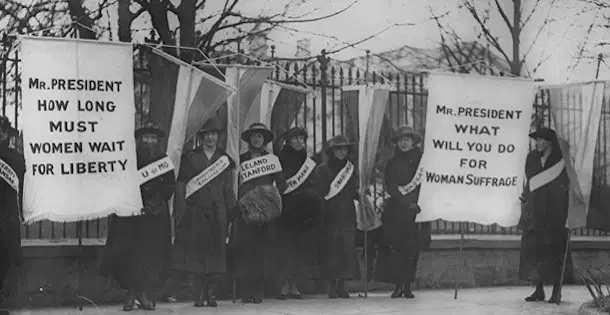
Women fought for right to vote, own property, and receive an education
Universal Rights
Rights for Women
Equality Rights
Neutrality Rights
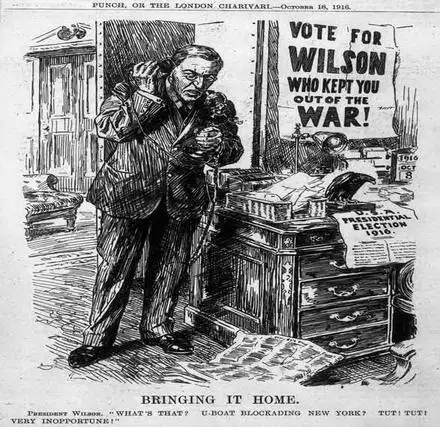
When WWI began in Europe- Wilson declared the US neutral not joining but still supplying allies
Neutrality
Anti-War Policy
Communism
Socialism
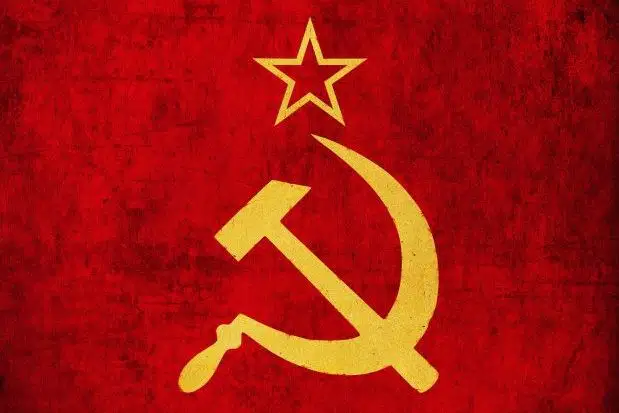
Government control of the means of productions & distribution
Communism
Socialism
Capitalism
Nationalism
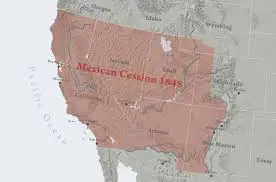
Ended the Mexican-American war- created more tension on how the northern and southern states should handle slavery
Treaty of 1876
Treaty of Guadalupe Hidalgo
Treaty of Versaille
Treaty of Paris

