
Font size
 Worksheets
Important Place Acrylic Painting Quiz
Total questions: 18
Worksheet time: 17mins
What was the primary subject matter of Impressionist paintings?
a) Mythological scenes
b) Landscapes
c) Portraits of royalty
d) Religious themes

What the the types of landscapes?
Cityscape
Mountainous
Seascape
Woodland
Underground
Classroom
Still Life objects
Animals

What is a tint?
Hair color
What you get when you add white to a color.
Black
all answers

What is a shade in painting?
Dark glasses
Sun protection
Darker value of a color
All answers

How do you make a shade?
A small dab of brown or a complementary mix with color
Mix all the colors together
A dab of white mixed with color

What happens to brushes with acrylic paint on them that are not thoroughly cleaned?
The brush is ruined and must be thrown in the trash.
Ms. Hall will come and yell at you.
They are soft and ready to use
They value more.
What is a pure hue?
A color with added black
A color with added white
A color in its pure form with no black or white added
A color with added gray
What does adding gray to a hue create?
A brighter version of the hue
A more saturated version of the hue
A dull or muted version of the hue
A more vibrant version of the hue
Where do we mix the colors before applying to the painting surface?
canvas
watercup
paper palette
table
What materials do we need for painting?
Paint Brush
Wire
Scissors
Chalk
Screw
Water cup
Paper Palette
Gesso
Paint
Paper Towels
Markers
Indicate where is the foreground, middle ground, and background.
What can you do with artist tape? (choose multiple)
Create straight lines on your surface
Add more colors to your surface
Block areas that you don't want to paint on
mix it with paint
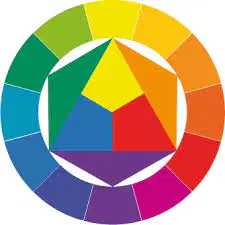
What is the word that describes color without the black and white?
Tint
Shade
Hue
Tone
What word describes a technique that involves smoothly mixing two or more colors or values to create a seamless transition, without hard lines or edges.
Blending
Mixing
Wet on Wet
Dabbing
Which word describes a painting technique where wet paint is applied to a surface that is also wet, or where a new layer of wet paint is applied over a previous wet layer?
Blending
Gradient
Wet on Dry
Wet on Wet
What is the composition of an artwork?
The contours of all the subject matter.
The background.
The arrangement of art elements.
The underdrawing of an artwork.
Should sketches always be highly detailed in landscape painting?
Yes, to ensure accuracy
No, quick sketches can be effective for planning
Only for professional artists
No, sketches are not important

