
 Worksheets
A & P Fall Semester Exam
Total questions: 75
Worksheet time: 38mins
The frontal plane divides the body into
Front and Back
Upper and Lower
Right and Left
The brain is _____ to the ear
lateral
proximal
medial
superior
Which of the following is NOT a type of muscle tissue?
Cardiac
Smooth
Skeletal
Epithelial
Tissue type that protects the body by covering internal and external surfaces AND produces secretions (sweat, hormones)
Epithelial
Connective
Muscle
Nervous
Anatomical direction for toward the point of attachment
distal
lateral
proximal
medial
Distal
Away from the point of attachment or trunk
Opening inside the skull that holds the brain
Divides the body into anterior (front) and posterior (back) halves
A muscle or gland, which effect change in a body
Cranial cavity
Away from the point of attachment or trunk
Opening inside the skull that holds the brain
Divides the body into anterior (front) and posterior (back) halves
A muscle or gland, which effect change in a body
Homeostasis
The tendency of the body’s systems to maintain a normal range of the internal environment
Away from the midline
toward the midline of the body
A mechanism that returns the level of a chemical/condition to its set point
Lateral
The tendency of the body’s systems to maintain a normal range of the internal environment
Away from the midline
toward the midline of the body
A mechanism that returns the level of a chemical/condition to its set point
Posterior
bony socket of the eye
Group of organs coordinated to carry on a special function
A part of the body formed, when two or more tissues that performs a specialized function work together
Toward the back
Sagittal
closer to the point of attachment or trunk
Process by which changes causes increase in an unstable condition
opening that holds the spinal cord
divides the body into right and left halves
The circulatory, digestive, reproductive, nervous, respiratory and skeletal all are examples of ____.
Tissues
Cells
Organs
Organ systems
A signal to which an organism responds.
Stimulus
Positive feedback
Response
Homeostasis
A type of tissue that includes fat cells, bone cells, blood cells.
Epithelial tissue
Connective tissue
Muscular Tissue
Nervous tissue
A type of tissue located in your brain, spinal cord and nerves.
Epithelial tissue
Connective tissue
Muscular Tissue
Nervous tissue
________ is concerned with the structure of an organ or part, while ________ is concerned with the function.
Physiology, Anatomy
Anatomy, Physiology
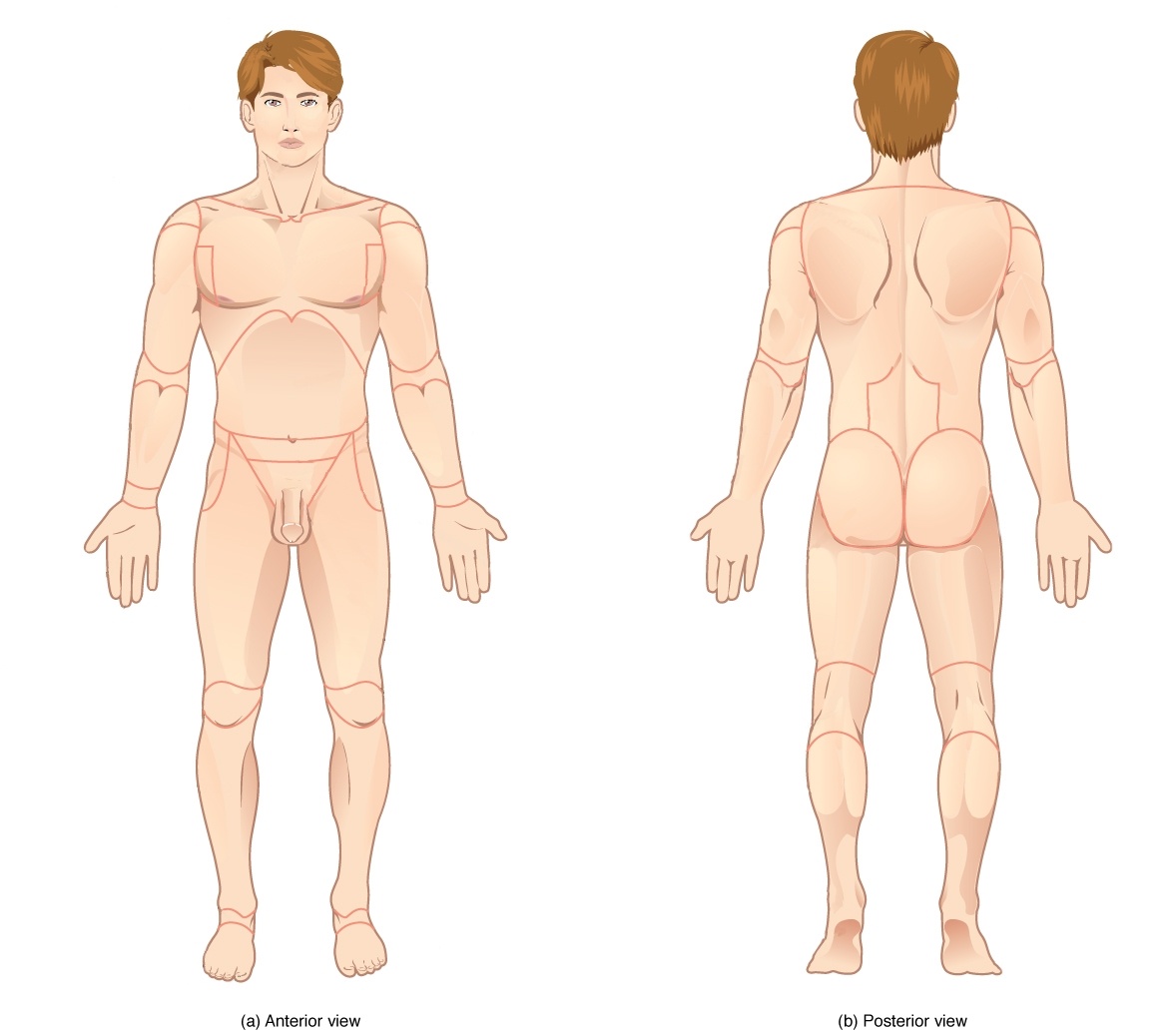
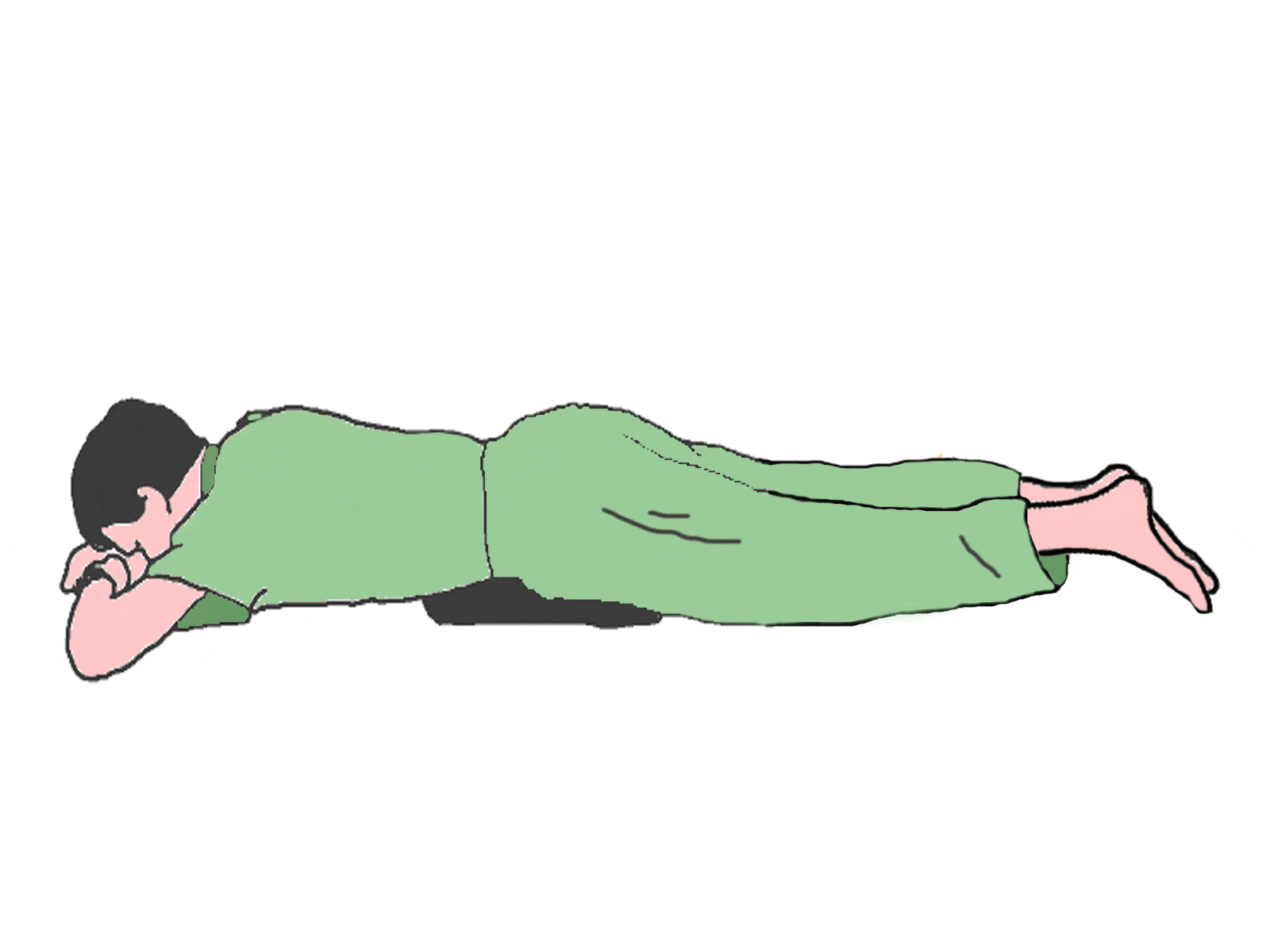
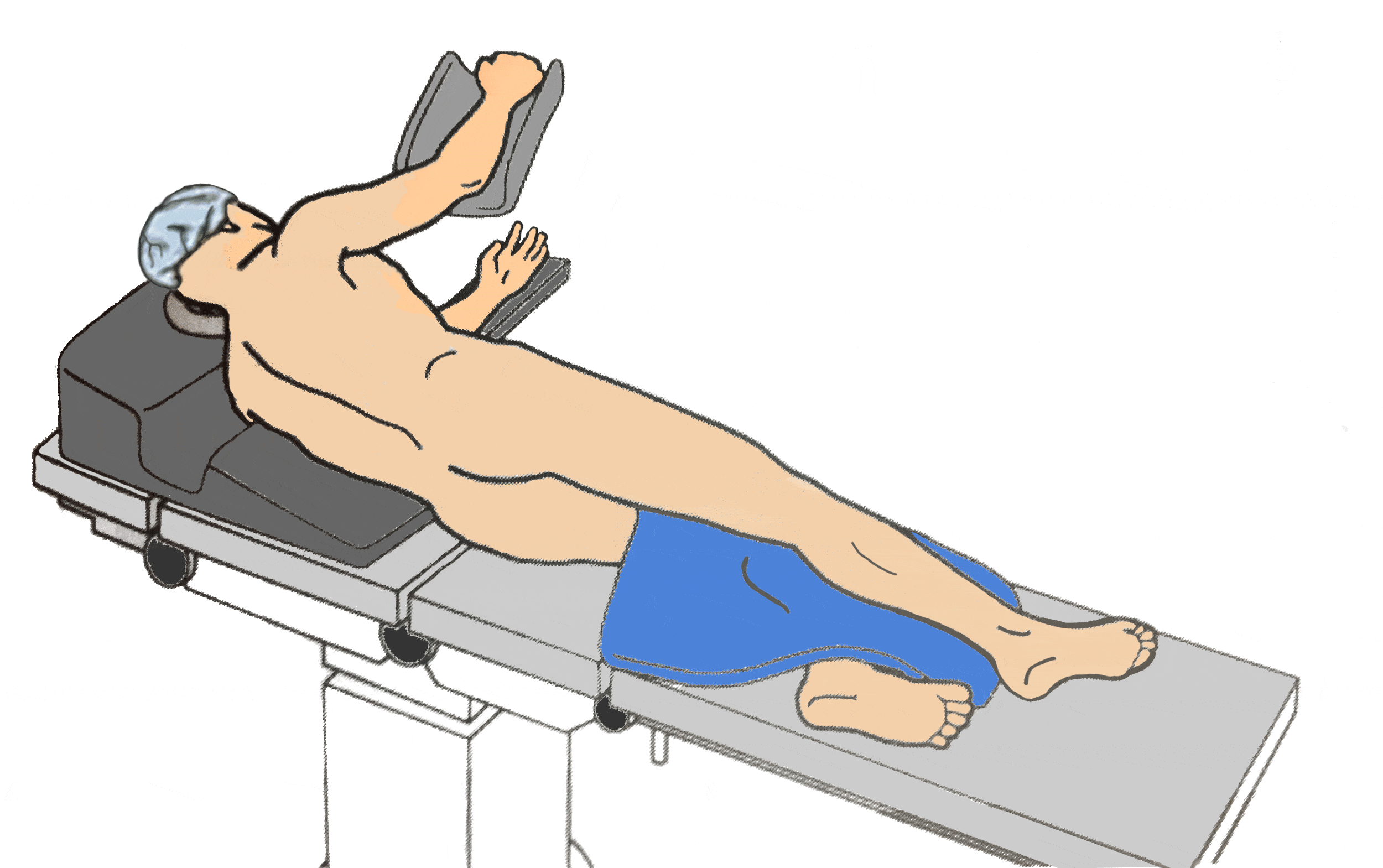
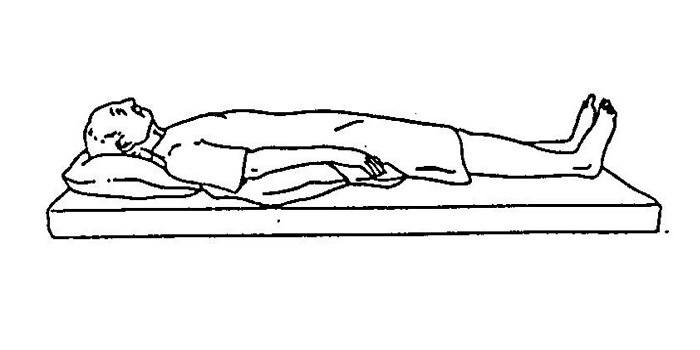
What is anatomical position?


The primary function(s) of the skin is to_________?
Allow for desiccation and evaporation
Protect, regulate temperature, synthesize Vit D
Produce a tan using the erythrocytes
Allow our body to absorb & excrete substances
The dermis contains which of the following?
Sweat glands, keratinized cells & oxygen
Sweat glands, sebaceous glands & sensory receptors
Sebaceous Glands, sensory receptors and uric acid
Keratinized cells that are flat
Sebaceous glands refer to
Sweat glands
Hair glands
Oil glands
Exocrine glands
The function of the integumentary system includes all of these except what?
Homeostasis
Cooling system
Synthesis of Vitamin A
Excretion of wastes

What is structure A in the picture?
Adipose
Epidermis
Sebaceous gland
Dermis
Hypodermis

What is structure B in the picture?
Adipose
Epidermis
Sebaceous gland
Dermis
Hypodermis

vertebrae
tibia
pelvis
femur


The highlighted bone(s) is/are known as the ________.
Humerus
Ulna
Radius
Clavicle


This long bone helps protect the heart and lungs and is called the:
scapula
clavicle
vertebrae
sternum


What bone is highlighted?
Skull (Cranium)
Mandible
Scapula
Clavicle


What is the major part of the skeletal system that is being highlighted?
Axial skeleton
Appendicular skeleton
The rib cage
List the structures of a muscle from largest to smallest.
myofibril, muscle fiber, fascicle
fascicle, muscle fiber, myofibril
fascicle, sarcomere, muscle fiber
myofibril, fascicle, sarcomere
The situation in which a muscle loses its ability to contract, due to being used strenuously for a long period of time
muscle pain
muscle cramp
muscle fatigue
oxygen debt
What type of muscle is found in the heart?
Cardiac
Skeletal
Smooth
Voluntary
Which of the following is NOT a function of the muscular system?
Producing movement
Maintaining posture
Generating heat
Producing red blood cells
What neurotransmitter is released at the neuromuscular junction to trigger muscle contraction?
Dopamine
Acetylcholine (ACh)
Serotonin
Epinephrine
The muscle attachment to a stationary bone is called the:
A) Insertion
B) Prime mover
C) Origin
D) Antagonist
Which type of muscle is usually attached to bones?
Skeletal Muscle
Smooth Muscle
Cardiac Muscle

Which component of a skeletal muscle is composed of repeating units called sarcomeres and is responsible for contraction?
myofibrils
tendons
ligaments
epimysium
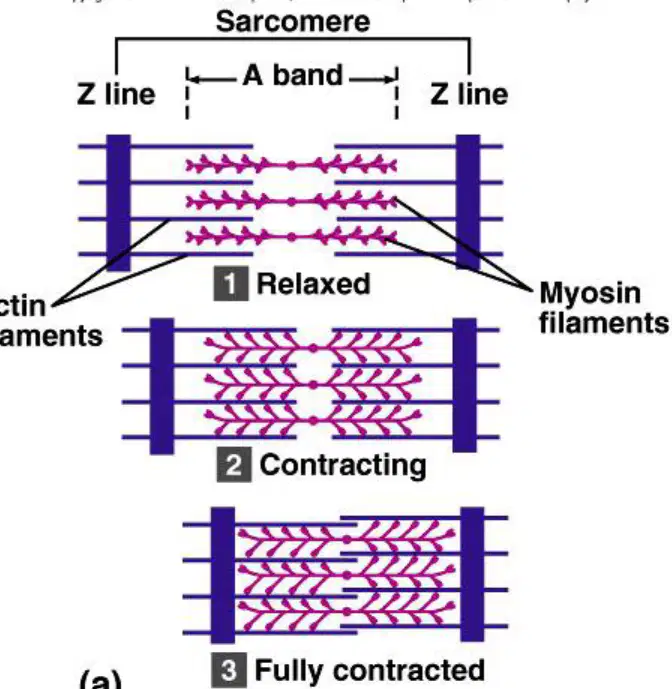
According to the Sliding Filament Theory, what happens when sarcomeres shorten?
Thick and thin filaments slide past one another.
Thick filaments break down into smaller units.
Thin filaments dissolve completely.
Sarcomeres expand and become longer.

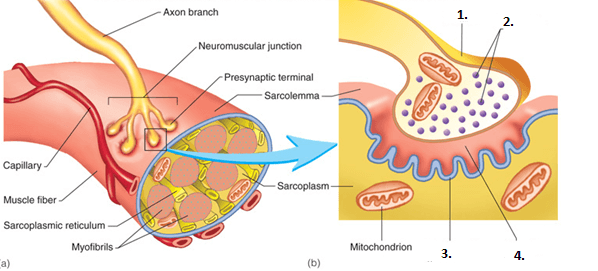
The neurotransmitter stored in the axon terminal identified as #3
Calcium Ion (Ca2+)
Protein Channel
Acetylcholine
Synaptic Cleft


Letter C represents the
Cerebrum
Cerebellum
Medula
Which body system coordinates all of the systems by controlling every activity that takes place?
The Nervous System
The Digestive System
The Endocrine System
The Circulatory System
The Immune System

Which organ is represented by letter B?
Brain
Spinal Cord
Nerves
The Nervous System is divided into two parts called
The Central Nervous System & The Peripheral Nervous System
The Central Nervous System & The Paradigm Nervous System
The Corollary Nervous System & The Paradigm Nervous System
The Corollary Nervous System & The Peripheral Nervous System
Letter B represents the
Cerebrum
Cerebellum
Medula


This part of the the brain is an area last to develop. It is responsible for analyzing information making good decisions.
Parietal
Temporal
Occipital
Frontal
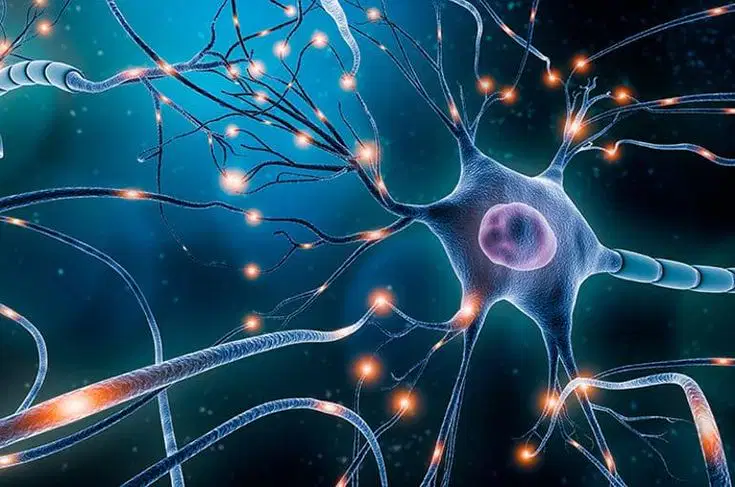
Neurons are the basic units of the nervous system. Which part of the neuron carries messages away from the cell body?
Dendrite
Axon
Myelin sheath
Synapse

Neurons communicate with each other at junctions called:
Dendrites
Axons
Myelin sheath
Synapses
In which division do the brain and spinal cord belong?
Central Nervous System
Autonomic Nervous System
Peripheral Nervous System
Somatic Nervous System
Which part of a neuron acts as the antennae to receive a signal?
Axon
Soma
Dendrites
Myelin Sheath

