
 Worksheets
Fishes, Amphibians, Reptiles & Birds Review
Total questions: 74
Worksheet time: 38mins
A bird's entire anatomy is designed around _____.
flight
feeding
swimming
burrowing
The outer shell of an egg is made of _____.
calcium carbonate
cellulose
silica
chitin
Which organ produces oil that birds spread over their feathers?
preen gland
thyroid gland
lacrimal gland
pituitary gland
What is the food storage sac in a bird's esophagus called?
crop
gizzard
proventriculus
cecum
Birds are important to the ecosystem because _____.
they pollinate flowers
they primarily decompose leaf litter
they help plants reproduce by eating and excreting undigested seeds
eat parasitic insects
What kind of bones do birds have?
hollow bones that make the skeleton light
dense solid bones
mostly cartilaginous bones
heavily fused bones that make the skeleton heavy
How many chambers does a bird have in its heart?
2
3
4
5
Which bird is known for laying its eggs in other birds' nests?
cuckoo
sparrow
penguin
ostrich
What stony organ do birds use to help them digest their food? (Also in crocodilians and earthworms)
gizzard
crop
liver
cloaca
What is the purpose of preening for birds?
to clean and maintain feathers
to cool the body
to attract predators
to store energy in feathers
Birds are often referred to as _____.
feathered dinosaurs
scaled mammals
winged amphibians
armored fish
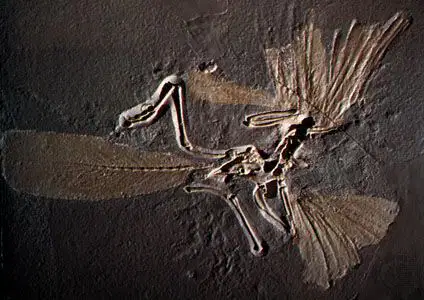
Which theropod was considered the first bird?
Archaeopteryx
Tyrannosaurus
Velociraptor
Allosaurus
What is the process where birds periodically lose and replace feathers called?
molting
spawning
shedding skin
photosynthesis
What are feathers made of?
keratin
collagen
cellulose
chitin
Birds are _____.
endothermic
ectothermic
osmotic
phototrophic
The warming of eggs before they hatch is called _____.
incubation
fermentation
germination
insulation
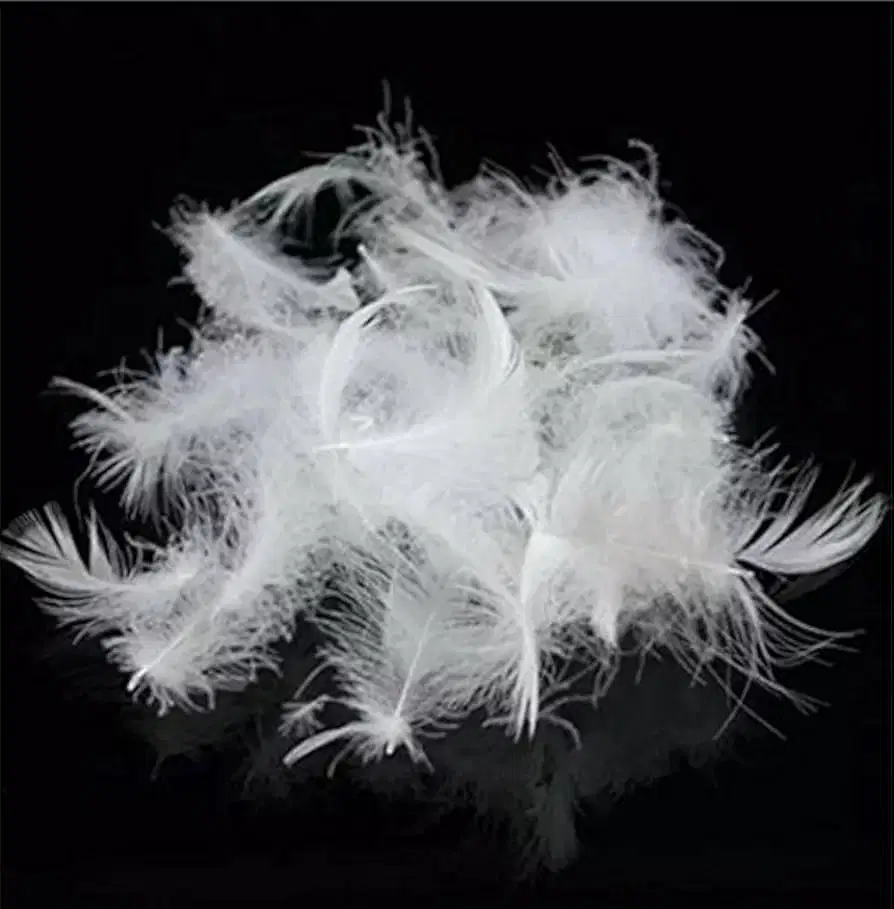
What type of feather is shown?
down
contour
flight
tail

The males of a bird species do a “dance” and “sing a song” each spring. What is the main purpose of these behaviors?
to attract female birds
to warn predators
to mark feeding sites
to cool their nests

Air-sacs are _____.
tiny thin-walled pouches in the lungs of birds
elastic chambers in the stomach
muscular valves in the trachea
large fluid-filled sacs in the abdomen
What is the function of the gizzard?
grinds food, sometimes with stones
stores food temporarily
secretes digestive enzymes
absorbs water
What is the function of the crop?
stores food temporarily
grinds food
filters blood
excretes nitrogenous waste
What is the tympanic membrane?
a round membrane used for hearing
a flexible valve in the esophagus
a protective layer over feathers
a muscular band in the leg

What is the nictitating membrane?
a lower eyelid that helps clean and protect the eye
a membrane covering the ear
a lining of the mouth
a shield on the beak
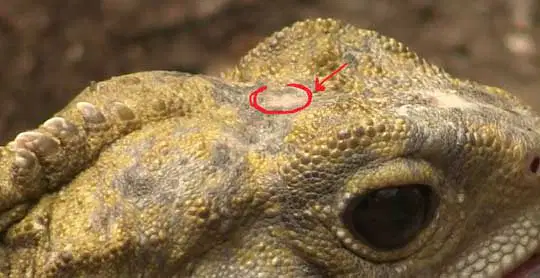
What is the function of the parietal eye (or “third eye”) found in the tuatara?
detecting light
focusing sound
tasting chemicals in water
storing fat

The dorsal (upper) shell of a turtle is called the _____.
carapace
plastron
scute
sternum
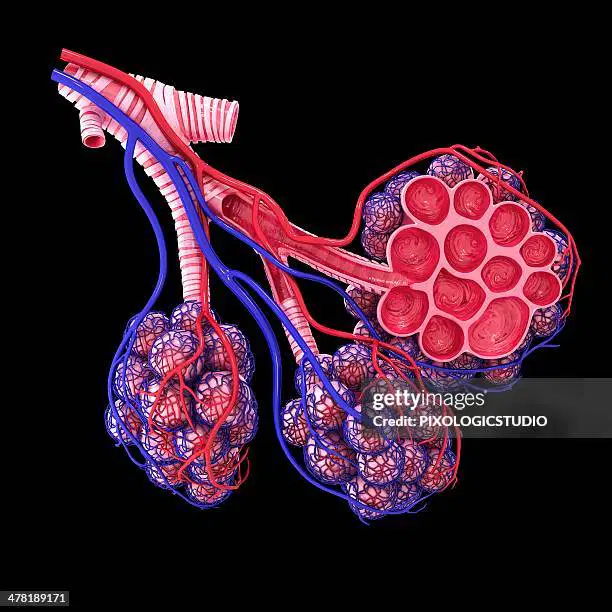
Which structure in the reptile respiratory system allows for increased surface area for gas exchange?
alveoli
bronchioles
larynx
diaphragm
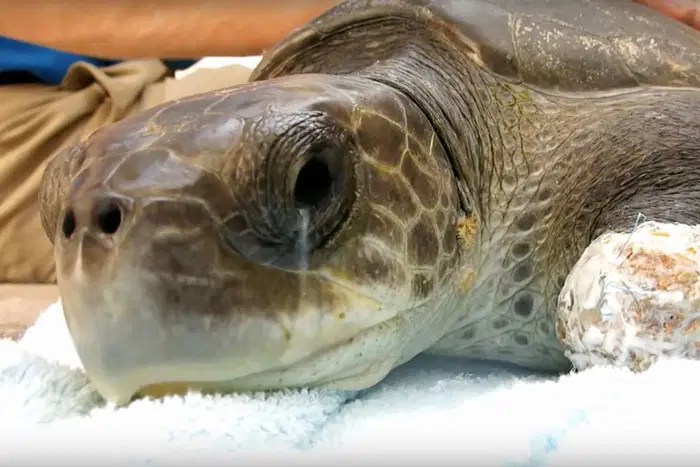
Which structure is responsible for removing salt in marine reptiles?
salt glands
kidneys only
spleen
gallbladder
Which reptiles are known to be parthenogenic?
some species of lizards and snakes
turtles
crocodiles
tuatara exclusively
What is the primary function of the amnion in the amniotic egg?
protecting the embryo in a fluid-filled sac
storing nitrogenous waste
providing nutrients to the embryo
exchanging gases with the environment
What is the main function of the yolk sac in the amniotic egg?
providing nutrients to the developing embryo
protecting the embryo
storing waste
regulating temperature
Which part of the amniotic egg stores the nitrogenous waste produced by the embryo?
allantois
chorion
yolk sac
amnion
Do reptiles have internal or external fertilization?
internal fertilization
external fertilization
both equally common
neither

Some snakes inject _____ into their prey to kill them.
venom
saliva
mucus
bile
How many chambers are in a reptile’s heart?
2
3
4
5
What organ do reptiles use to breathe?
lungs
gills
skin
air-sacs only
All reptiles have some form of covering on their bodies. What is this covering called?
scales
feathers
fur
bare skin
Which set lists animals that are reptiles?
snakes, lizards, and turtles
frogs, salamanders, and toads
whales, dolphins, and seals
sparrows, hawks, and owls

Reptiles continually grow and shed their outer skin. What is this process called?
molting
metamorphosis
photosynthesis
fermentation
Reptiles have one external opening used for reproduction and waste. What is it called?
cloaca
larynx
operculum
lateral line
What is the carapace?
the dorsal shell of a testudine
the flexible rod supporting a chordate’s back
the gill cover of a fish
the thin membrane behind a frog’s eyes
Snakes flick their tongues primarily as a:
way to test chemicals in the air
method to cool the body
means of producing sound
technique for chewing prey
Crocodiles have how many chambers in their heart?
4
3
2
5
Which of these is a benefit of an amniotic egg?
Protection from desiccation and mechanical damage
No need for oxygen exchange
Lack of yolk and nutrients
External fertilization is required
What are tetrapods?
vertebrate animals having four feet, legs, or leglike appendages
invertebrates with segmented bodies
aquatic animals without limbs
birds with hollow bones
What is the post-anal tail in chordates?
a tail posterior to the anus found in chordate embryos and most adults
a tail located before the anus found only in invertebrates
a decorative plume found only in birds
a vestigial structure unique to mammals
What is the notochord?
a flexible rod that supports a chordate’s back
a muscular cavity at the end of the large intestine
a gill cover in fishes
a membrane behind a frog’s eyes
What does the class Aves include?
birds
reptiles
amphibians
mammals
What are pit organs in some snakes?
receptors of infrared radiation (heat) on the head
organs that produce digestive enzymes
air sacs used for buoyancy
muscles for jaw closure
An endotherm is best described as:
an organism internally warmed by a heat-generating metabolic process
an organism whose body temperature varies with surroundings
a plant that maintains constant temperature
a fish with a bony skeleton
An ectotherm is best described as:
an animal whose body temperature varies with ambient temperature
an animal with internal heat regulation independent of the environment
a mammal that produces milk
a bird with hollow bones
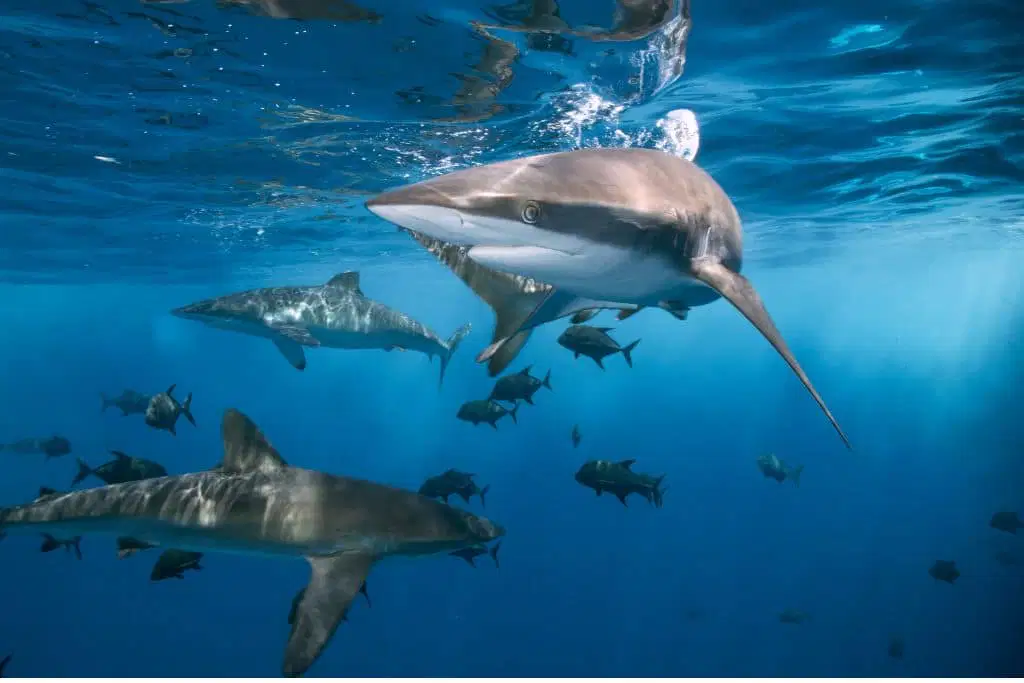
What do sharks store in their livers to help them float?
lipids/oil
calcium
glycogen
oxygen
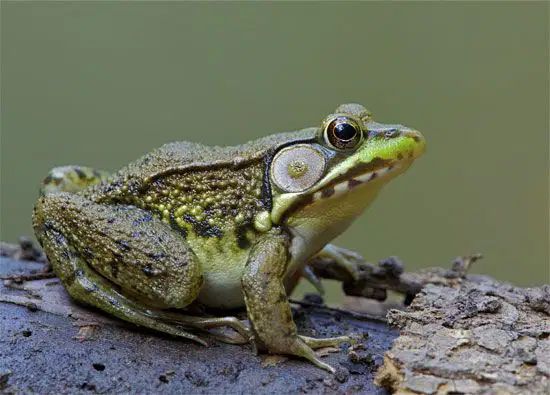
What is the tympanic membrane in frogs?
the thin membrane behind the eyes separating the outside from the inner ear
the muscular cavity where wastes exit
the gill cover used for respiration
the flexible rod supporting the back

What is the process by which amphibians transform from a larval stage to an adult?
metamorphosis
molting
photosynthesis
fission
How many chambers does the heart of an adult amphibian have?
3
2
4
1
How many chambers does a fish heart have?
2
3
4
1
What is the cloaca?
a muscular cavity at the end of the large intestine through which digestive wastes, urine, and eggs or sperm leave the body
the dorsal shell of a testudine
the gill cover of bony fish
the line of sense organs along a fish’s side
Which statement correctly describes the heart of an amphibian?
one ventricle and two atria
two ventricles and one atrium
one ventricle and one atrium
two ventricles and two atria
Which sequence shows the typical frog life cycle?
eggs → tadpole → young frog → adult frog
eggs → adult frog → tadpole → young frog
tadpole → eggs → adult frog → young frog
young frog → eggs → adult frog → tadpole

In frogs, what is the function of fat bodies?
store energy
aid hearing
produce gametes
oxygenate blood
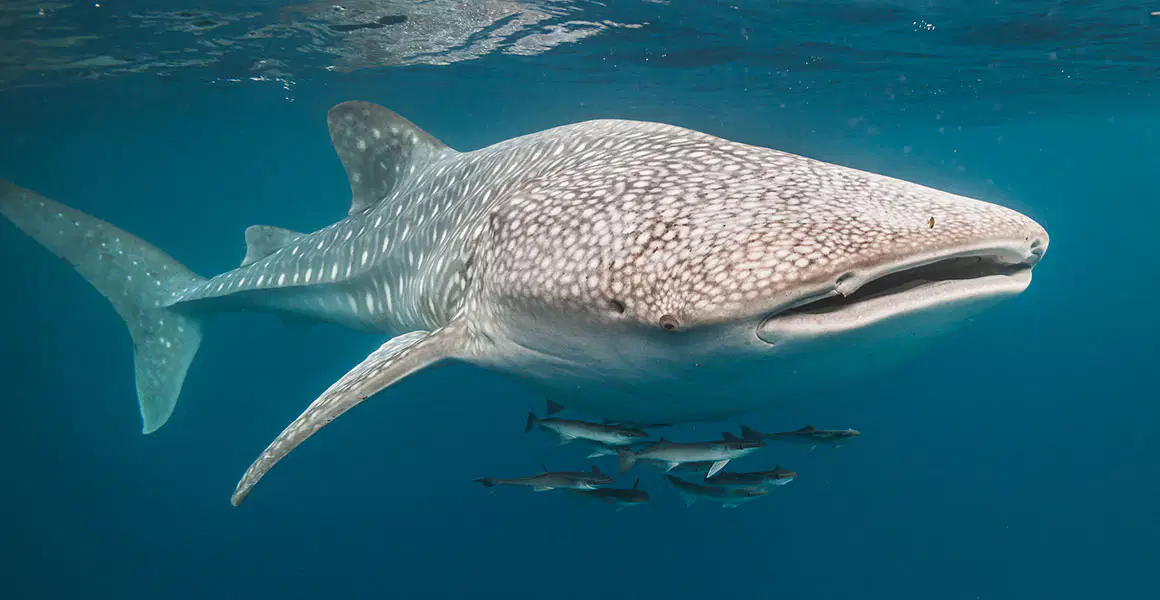
What is the largest species of fish in the world?
whale shark
great white shark
bluefin tuna
giant grouper
What structure helps many bony fishes maintain buoyancy in the water?
swim bladder
operculum
lateral line
pelvic fins
Which of these is a characteristic of bony fishes?
bony skeleton
presence of an operculum
swim bladder for buoyancy
cartilaginous skeleton
Which type of fishes is invasive in the Great Lakes?
lampreys
salmonids
sunfish
trout
What are pelvic fins on a fish?
belly fins used for balance and steering
fins on the sides aiding in turning
the gill covers on each side of the head
the sense line detecting vibrations
What are pectoral fins on a fish?
fins on the sides used for balance and assist in turning
belly fins used primarily for steering
tail fins used for propulsion
dorsal fins used for stabilization
What does viviparous mean?
live birth
eggs hatch outside the mother’s body
eggs hatch within the mother’s body and young are born live
development without a placenta
What does ovoviviparous mean?
producing live young from eggs that hatch within the body
live birth with placental nourishment
eggs hatch outside the mother’s body
asexual reproduction
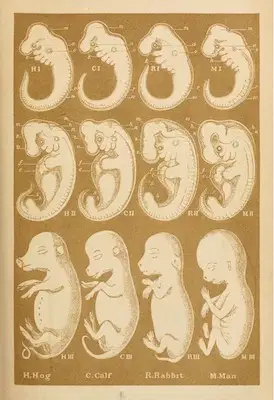
What is a chordate?
an animal of the phylum Chordata having a notochord or spinal column
an invertebrate without a backbone
a plant with vascular tissues
a mammal with hair
What is the lateral line in fishes?
a visible line along the side consisting of sense organs that detect movement and vibrations
the gill cover that protects delicate tissues
the dorsal fin used for stabilization
a muscular cavity where wastes exit
What does oviparous mean?
eggs hatch outside the mother’s body
live birth
eggs hatch within the mother’s body
development without fertilization
What is a vertebrate?
an animal with a backbone or spine
an animal lacking a spinal column
a plant with woody stems
an organism with gills only
What is the operculum in bony fishes?
gill cover
swim bladder
lateral line
dorsal fin
What is the flexible skeletal support rod?
Dorsal Hollow Nerve Chord
Notochord
Pharyngeal slits
Endoskeleton
Which structures do all chordates have at some point during their life time?
Notochord, Hollow Nerve chord, Pharyngeal slits, Tail
Notochord, Gill slits, Tail
Hollow nerve chord, notochord, legs, wings
Pharyngeal slits, Head, Thorax, Tail

