
 Worksheets
Ceramics and Pottery Fundamentals Quiz
Total questions: 93
Worksheet time: 47mins
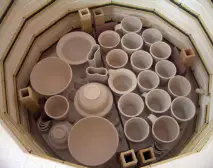
What is the term for the first firing to harden the body of clay prior to glazing unglazed ware, usually a low-firing?
Bisque
Overglaze
Coil
Claybody
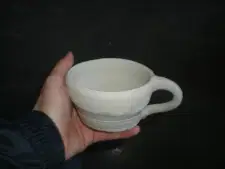
Which stage describes clay that contains no absorbed moisture except air humidity and is ready to be fired?
Bone Dry
Bisque
Firing
Overglaze
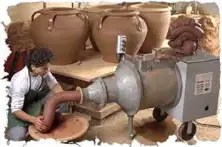
What is a claybody?
Finely clay mixed with other earthly materials
Clay that is ready to be fired
A thin coating of glass applied to ceramics
The process of heating ceramics in a kiln
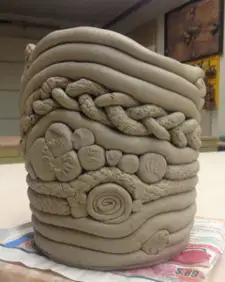
Which hand-building technique involves building up walls with rope-like rolls of clay and smoothing the joints?
Coil
Bisque
Overglaze
Firing
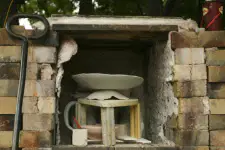
What is the process called where great heat is applied to a ceramic object in a kiln to harden it or fix an applied material?
Firing
Bone Dry
Coil
Claybody
What is an overglaze in ceramics?
A thin coating of glass that is applied by brushing, pouring, spraying, etc.
The first firing of clay before glazing
A technique for building walls with clay coils
Clay that is mixed with other materials
If a ceramic artist wants to create a vessel with visible rope-like textures and smooth joints, which technique should they use?
Coil
Overglaze
Bisque
Firing
Why is the bisque firing important in ceramics?
It hardens the clay body before glazing
It adds a glassy coating to the surface
It mixes clay with other materials
It removes all moisture from the clay
How does bone dry clay differ from claybody?
Bone dry clay has no absorbed moisture and is ready to be fired, while claybody is clay mixed with other materials.
Bone dry clay is mixed with other materials, while claybody is ready to be fired.
Bone dry clay is used for glazing, while claybody is used for firing.
Bone dry clay is a technique, while claybody is a firing process.
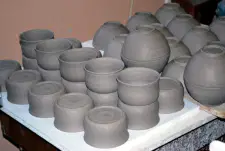
What is the term for pottery that has not been bisque fired?
Greenware
Leather hard
Kiln
Slab

Which piece of equipment is used for firing pottery?
Kiln
Slab roller
Score tool
Pinch pot
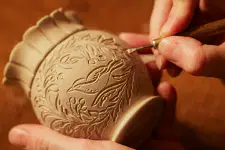
When the moisture has left the clay body, but it is still wet enough to be carved or burnished, what is this stage called?
Leather hard
Greenware
Bisque
Slab
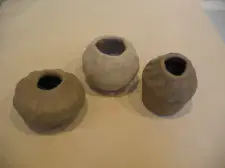
Which method of shaping clay involves inserting the thumb into the clay and squeezing with the fingers while rotating the ball in the palm?
Pinch
Coil
Slab
Score

What does the term "score" mean in ceramics?
Making tiny grooves or slices in the clay to attach pieces together
Rolling out clay into thin sheets
Firing pottery in a kiln
Shaping clay by pinching
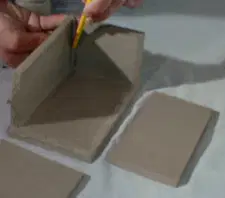
What is a slab in ceramics?
A thin piece of clay rolled out with a slab roller or rolling pin
A method of shaping clay by pinching
A tool used for carving clay
A stage of clay before firing
Which of the following are the three hand building techniques in ceramics?
Pinch, coil, and slab
Score, burnish, and fire
Carve, roll, and glaze
Bisque, greenware, and leather hard
If you want to attach two pieces of clay together securely, which process should you use before joining them?
Score
Slab
Pinch
Kiln
Describe a situation where the leather hard stage of clay is preferable for a specific ceramic technique.
When carving or burnishing the clay surface
When firing the clay in a kiln
When rolling out slabs
When glazing the pottery
You are tasked with creating a box using hand building techniques. Which combination of methods would be most effective, and why?
Using slabs to form the sides and scoring the edges to attach them
Pinching the clay into a box shape
Coiling the clay to build up the sides
Firing the clay before assembling the box
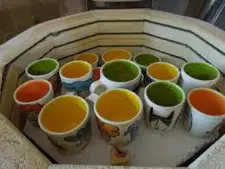
What is the purpose of a Glaze Fire in ceramics?
To dry the clay before shaping
To melt glaze applied to pottery
To remove air pockets from clay
To carve designs into clay
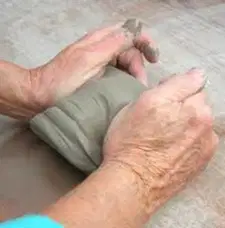
Which process involves mixing and turning clay to remove air pockets and create uniform consistency?
Glaze firing
Wedging
Slipping
Carving
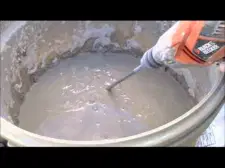
What is slip used for in ceramics?
To carve clay
To glue pieces of clay together
To dry clay faster
To color clay
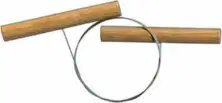
Which tool is used to cut clay off a larger piece and to check for air pockets?
Needle tool
Rib tool
Wire cutter
Loop tool

What is a needle tool primarily used for in ceramics?
To carve clay
To cut clay
To refine shapes
To glue clay pieces

Which tool has wire loops at each end and is used to carve clay?
Rib tool
Wire cutter
Loop tool
Modeling tool
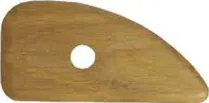
What material can a rib tool be made from?
Only wood
Only metal
Only plastic
Wood, metal, or plastic
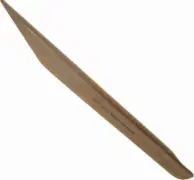
Which tool helps to shape and carve out clay and is made of wood or plastic?
Wire cutter
Modeling tool
Loop tool
Needle tool
Why is it important that clay objects do not touch in the kiln during a glaze fire?
They will dry unevenly
The glaze may fuse the objects together
The kiln will not heat properly
The clay will not harden
If you need to refine the shape of a clay piece, which tool would you most likely use?
Wire cutter
Rib tool
Needle tool
Slip
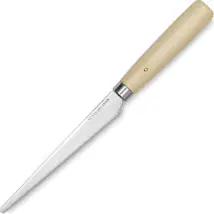
Which tool is described as an edge tool used as a cutting instrument in ceramics?
Knife
Spout
Knob
Flange
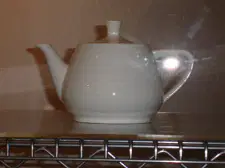
What is the function of a knob on a ceramic item?
A round handle for a lid
An opening for liquids
The base of the item
A part designed to be held by your hand
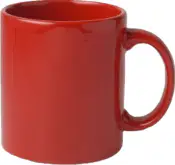
Which part of a ceramic item is designed to be held by your hand?
Handle
Foot
Spout
Knob
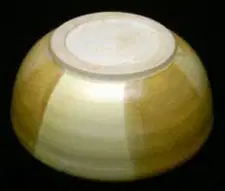
What is the purpose of the foot on a ceramic item?
To add balance, reduce visual weight, and prevent glaze from sticking
To allow the passage of liquids
To prevent the lid from sliding off
To be held by your hand
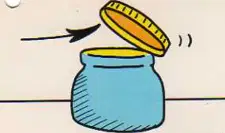
How does a flange help in the function of a ceramic lid?
It prevents the lid from sliding off the pot
It allows the passage of liquids
It adds balance to the item
It is designed to be held by your hand
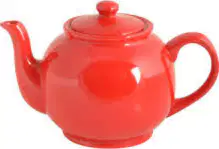
What is the main function of a spout on a ceramic item?
To allow the passage of liquids
To add balance
To be held by your hand
To prevent glaze from sticking
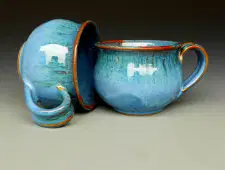
What is glazeware in ceramics?
Clay that has been applied with glaze and then fired a second time
The base of ceramic items
An opening for liquids
A round handle for a lid
If you were designing a teapot, which two features would you include to ensure it can be easily poured and held?
Handle and spout
Foot and flange
Knob and glazeware
Knife and knob
Why is it important for a ceramic bowl to have a foot?
To add balance and prevent glaze from sticking
To allow the passage of liquids
To be held by your hand
To prevent the lid from sliding off
Imagine you are creating a lidded ceramic jar. Explain how the flange and knob work together to improve the jar’s functionality.
The flange keeps the lid from sliding off, while the knob makes it easy to lift the lid.
The knob allows liquids to pass, and the flange adds balance.
The flange is held by your hand, and the knob prevents glaze from sticking.
The knob is the base, and the flange is a cutting instrument.
You notice that glaze is sticking to the bottom of your ceramic bowl after firing. Which part of the bowl could be improved to prevent this, and why?
The foot, because it prevents glaze from sticking and adds balance.
The spout, because it allows the passage of liquids.
The knob, because it is a round handle for a lid.
The flange, because it prevents the lid from sliding off.
Which element of art is defined as "a path of a moving point"?
Line
Shape
Texture
Value

What does the term "color" refer to in art?
The lightness or darkness of a color
The appearance of objects described in terms of hue, lightness, and saturation
A two-dimensional area defined in some way
Empty spaces surrounding shapes and forms

Which element of art describes the lightness or darkness of a color?
Form
Value
Texture
Negative Space
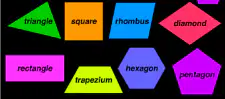
What is a "shape" in the context of art?
A three-dimensional object
A two-dimensional area defined in some way
The tactile quality of goods
Empty spaces surrounding forms
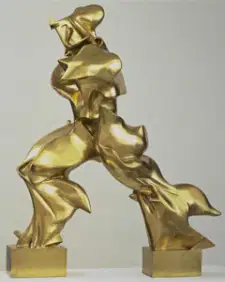
How is "form" best described in art?
A two-dimensional area
The appearance of objects in terms of color
A three-dimensional object or the illusion of three dimensions
The lightness or darkness of a color
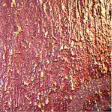
What does "texture" refer to in art?
The lightness or darkness of a color
The tactile quality and perceived surface quality of materials
Empty spaces surrounding shapes
A path of a moving point
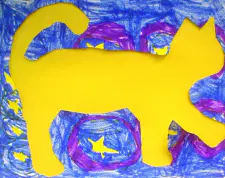
What is "negative space" in art?
The main subject of an artwork
The tactile quality of goods
Empty spaces surrounding shapes and forms
The appearance of objects in terms of hue
Given an artwork with a sculpture, a painted background, and visible roughness on the surface, which elements of art are being used? (Select all that apply.)
Form, Texture, Color
Line, Value, Negative Space
Shape, Value, Texture
Color, Shape, Line
If an artist wants to make a flat drawing appear three-dimensional, which element of art should they focus on?
Shape
Form
Value
Texture
How might an artist use negative space to enhance their composition?
By adding more colors to the artwork
By creating empty spaces around shapes and forms to draw attention to the subject
By making the surface rougher
By using only geometric shapes
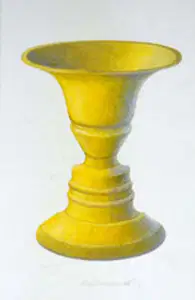
Which term describes space in an artwork that is filled with something, such as lines, designs, color, or shapes?
Positive Space
Contrast
Emphasis
Pattern
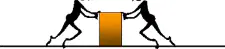
What is the definition of "Balance" in design?
A state of equilibrium where all sides of a design appear equal in visual weight or attraction
The repetition of elements in a design
The use of opposing elements to show differences
The concentration of interest in one area of a design
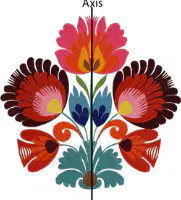
How is symmetrical balance achieved in a design?
By arranging elements as mirrored images on both sides of an imaginary center line
By using opposing elements to show differences
By concentrating interest in one area
By repeating elements in a two-dimensional space
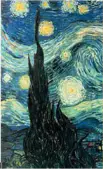
Which type of balance occurs when both sides of the central axis are not identical, but have the same visual weight?
Asymmetrical Balance
Symmetrical Balance
Contrast
Pattern

What does "Contrast" refer to in design?
Putting elements in opposition to show or emphasize differences
Arranging elements as mirrored images
Repeating elements in a design
Concentrating interest in one area
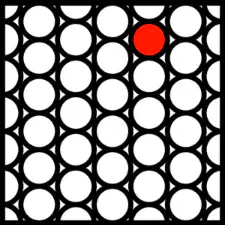
Which principle of design uses a concentration of interest or area of focus in a particular part or area of a design?
Emphasis
Pattern
Balance
Contrast
What is a pattern in design?
A 2 dimensional visual repetition of elements
A concentration of interest in one area
Opposing elements to show differences
Mirrored images on both sides of a center line

Which design principle is used to guide the viewer's eye or give the feeling of action?
Movement
Proportion
Unity
Rhythm
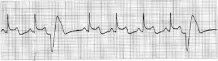
What is the repetition of elements to create a feeling of movement called?
Rhythm
Color Wheel
Proportion
Monochromatic Color Scheme
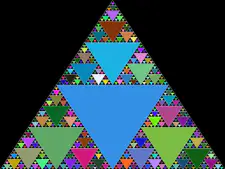
Which principle involves the combination of all elements working together to achieve harmony in a design?
Unity
Movement
Color Schemes
Analogous Color Scheme
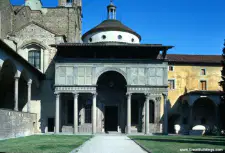
What does the principle of proportion refer to in design?
Harmonious arrangement or relation of parts within a whole
Use of adjacent colors on the color wheel
Repetition of elements to create movement
Specific patterns of how colors can be used together
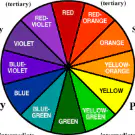
What is the main purpose of the color wheel in art and design?
To show hues, their relationships, and what colors are created when mixing paints and dyes
To create a feeling of movement
To arrange parts harmoniously
To group related items close together
What are color schemes?
Specific patterns of how colors can be used together
The repetition of elements to create movement
The use of different tints and shades of one color
The arrangement of parts within a whole

Which color scheme uses different tints, shades, and intensities of only one color?
Monochromatic Color Scheme
Analogous Color Scheme
Color Wheel
Proportion
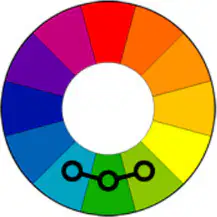
What is an analogous color scheme?
Use of adjacent colors on the color wheel, usually in three colors
Use of different tints and shades of one color
Harmonious arrangement of parts within a whole
Specific patterns of how colors can be used together
How might a designer use unity and proportion together to improve a design?
By grouping related items close together and arranging parts harmoniously within the whole
By repeating elements to create movement and using adjacent colors
By mixing paints and dyes to create new colors
By using only one color in different tints and shades
Imagine you are creating a poster. How would you use the color wheel and color schemes to make your design visually appealing and effective?
By selecting colors that are related on the color wheel and applying specific color schemes to create harmony and contrast
By using only one color in different tints and shades for the entire poster
By arranging all elements randomly without considering color relationships
By focusing only on the repetition of shapes and ignoring color choices
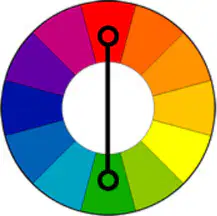
Which of the following best describes a Complementary Color Scheme?
Use of TWO colors that are directly across from each other on the color wheel
Use of three colors next to each other on the color wheel
Use of only primary colors
Use of colors that are all warm
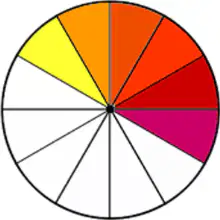
Which colors are considered warm colors?
Red, orange, yellow
Blue, green, violet
Black, white, gray
Brown, pink, purple
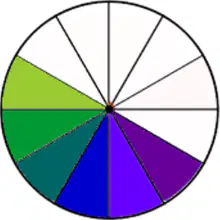
What feeling do cool colors typically emit?
Heat and action
Cooling and calm
Excitement and energy
Warmth and comfort
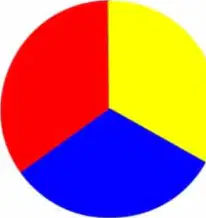
Which of the following is NOT a primary color?
Red
Yellow
Blue
Green
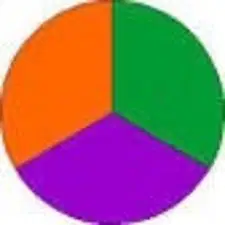
How are secondary colors formed?
By mixing two primary colors evenly
By mixing a primary and a secondary color
By mixing three colors together
By using only warm colors

Which of the following is an example of a tertiary color?
Blue
Orange
Yellow-orange
Violet

Explain the difference between secondary and tertiary colors using the color wheel.
Secondary colors are made by mixing two primary colors, while tertiary colors are made by mixing a primary color with a neighboring secondary color.
Secondary colors are made by mixing two tertiary colors, while tertiary colors are made by mixing two primary colors.
Secondary colors are always warm, while tertiary colors are always cool.
Secondary colors are found in the center of the color wheel, while tertiary colors are on the outside.
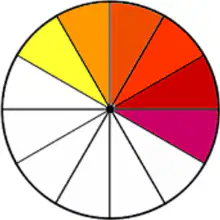
If you wanted to create a sense of heat and action in your artwork, which color group would you use?
Cool colors
Warm colors
Primary colors
Tertiary colors
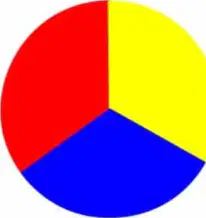
Which color group is the foundation for mixing all other colors?
Secondary colors
Tertiary colors
Primary colors
Complementary colors

What is the process for creating a tertiary color?
Mixing two primary colors
Mixing a primary color with a neighboring secondary color
Mixing two secondary colors
Mixing three colors together
What is the term for adding white to a color?
Tint
Shade
Glossy
Opaque
What does adding black to a color create?
Tint
Shade
Transparent
Afternoon Tea
Which term describes something that is impossible to see through and prevents the passage of light?
Transparent
Glossy
Opaque
Teabag
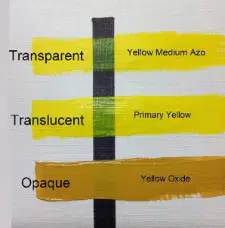
What does "transparent" mean?
Impossible to see through
Allows light to pass through; easily seen through or detected
Smooth and shiny
Used for making tea
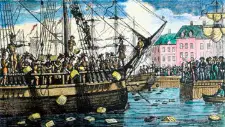
What was the Boston Tea Party?
A Japanese tea ceremony
A protest against increased tea prices where colonists dumped British tea into Boston Harbor
A formal meal with light snacks and tea
A U.S. invention for making tea
What is Chanoyu?
A protest against tea prices
A U.S. invention for making tea
A Japanese cultural activity involving the ceremonial preparation and presentation of matcha
A formal meal with snacks and tea
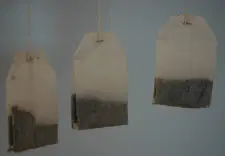
What is a teabag?
A Japanese tea ceremony
A small paper bag with dried leaves inside, used for making tea
A protest against tea prices
A smooth and shiny surface
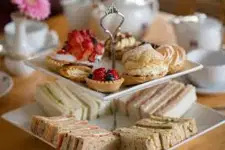
Who created Afternoon Tea and what does it comprise?
Ana Duchess of Bedford; a formal meal with light snacks and tea
Colonists; a protest against tea prices
Japanese; ceremonial preparation of matcha
Americans; invention of teabags
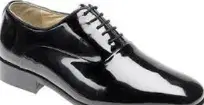
What does "glossy" mean?
Impossible to see through
Smooth and shiny
Allows light to pass through
Used for making tea
Compare and contrast the terms "opaque" and "transparent" in terms of their ability to allow light to pass through.
Both allow light to pass through easily.
Opaque allows light to pass through, while transparent does not.
Opaque prevents the passage of light, while transparent allows light to pass through and be easily seen.
Both prevent the passage of light.
Explain how the invention of the teabag changed the way tea is prepared.
It made tea preparation more complicated.
It allowed tea to be prepared quickly and conveniently using a small paper bag with dried leaves.
It required ceremonial preparation.
It led to protests against tea prices.
Analyze the cultural significance of the Boston Tea Party and Chanoyu (tea ceremony) in their respective societies.
Both events are related to the invention of teabags.
The Boston Tea Party was a political protest against British tea prices, symbolizing resistance, while Chanoyu is a Japanese cultural activity emphasizing tradition, hospitality, and mindfulness.
Both are formal meals with snacks and tea.
Both are examples of glossy surfaces.
What does the term "matte" mean in ceramics?
Nonshiny; dull
Shiny; glossy
Transparent; clear
Rough; textured
Which of the following best describes a matte finish on a ceramic piece?
It reflects a lot of light and appears shiny.
It is nonshiny and dull in appearance.
It is transparent and see-through.
It has a metallic and sparkling look.
A student is creating a ceramic vase and wants it to have a nonshiny, dull surface. Which finish should they choose?
Matte
Glossy
Metallic
Transparent
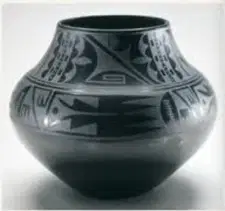
Based on the image, what type of finish does the ceramic pot have?
Matte
Glossy
Metallic
Textured

