
NEW
Font size
 Worksheets
copy of World History Midterm Review (Pages 1–3)
Total questions: 70
Worksheet time: 35mins
The holy book of Islam is called the...
Qur'an
Sunna
Hajj
Torah
What are the two main divisions or denominations within Islam?
Fatwa and Ijma
Suphi and Ruphi
Shia and Suphi
Sunni and Shia
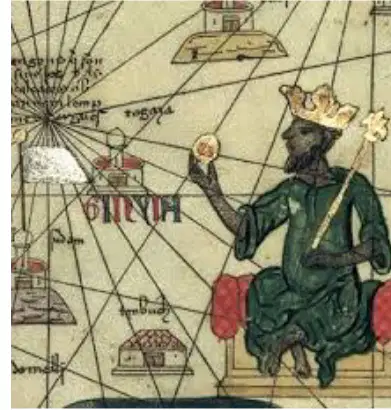
Great leader of Mali famous for his hajj (pilgrimage) to the Muslim holy city of Mecca
Mansa Musa
Benin
Songhai
Sundiata
After Mansa Musa's death, Mali declined & was replaced by the kingdom of _____________.
Ghana
Kush
Songhai
Aksum
_____ was the first of the great trading states to emerge in the area south of the Sahara in West Africa.
Nubia
Ghana
Axum
Sierra Leone
The trade of which two products shaped the early history of North and West Africa?
silk and gold
ivory and salt
spices and ivory
salt and gold
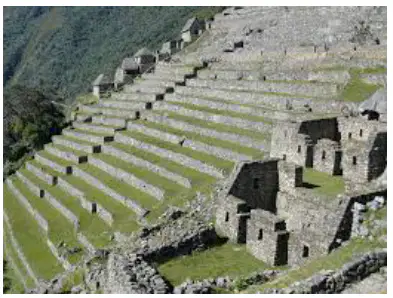
The Inca used this farming method which allowed them to farm on the steep mountainsides
Crop rotation
Terrace farming
Drip irrigation
Permanent crops
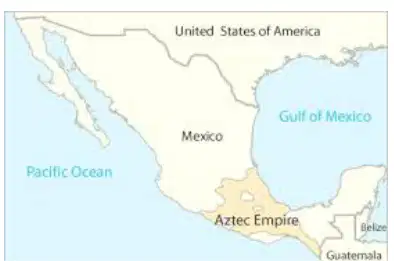
Where was the Aztec empire located?
Yucatan Peninsula
Central Mexico
Modern day California
Chile and Peru
Where did the Inca live?
South America, specifically mostly modern Peru
Yucatan Peninsula
Central Mexico
Whats the name of the stone city built high up in the Andes including religious temples, royal residences, and houses for workers?
Machu Picchu
Cusco
Andes
Nahuatl
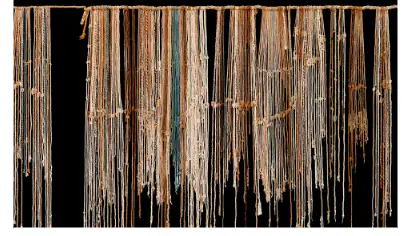
What is a "set of strings with knots. The Number and size of the knots conveyed meaning to the Inca."
Aqueducts
Hieroglyphics
Quipu
Ropes
What did the Maya, Aztec and Incas all have in common?
They established large empires.
They were conquered by the French.
They traded with China and India.
They believed in polytheism.
In the feudal system, _______________ farmed the lands owned by the lord.
knights
kings
peasants
vassals
How did the Crusades change Europe?
Strengthen Feudalism economically by reducing trade
European Christians regained long term control of the Holy Lands
Brought new goods, technology and medicine to Europe
Expanded political control of the Muslims over Europe
Military expeditions carried out by the European Christians in the Middle Ages to regain the Holy Land from the Muslims were known as the
Crusades
Missions
Campaigns
Great Trials
Who was the teen peasant girl who rallied the French troops to fight back against the English in the Hundred Years War?
Robin Hood
Joan of Arc
Queen Isabella
Queen Elizabeth
Who won the Hundred Years' War?
France
England
China
Italy
How did Italy's location help make it the starting point of the Renaissance?
Lack of trade with Constantinople inspired more art
Greek merchants moved to Italy to avoid Ottoman trade networks
Its geographic location on the Mediterranean Sea increased economic trade
Libraries were made public to house lost Greek and Roman Texts
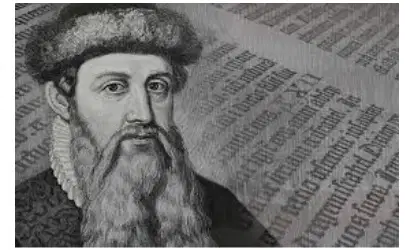
The first moveable type of printing press that allowed mass production of materials was invented by
Leonardo da Vinci.
Johann Gutenberg.
William Shakespeare.
Michelangelo di Buonarroti Simoni.
Martin Luther's main complaint was against what?
The Bible
Indulgences
Ice Cream
Inquisitions
What was Martin Luther's list of complaints against the Church called?
Peace of Augsburg
New Testament
95 Theses
Magna Carta
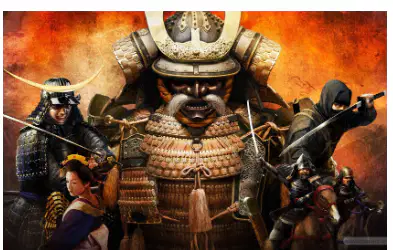
What is a shogun?
A Chinese ruler who rules Japan in times of war.
A high ranking landowning nobleman
A Japanese military leader who rules until a young emperor is old enough to rule.
A Japanese military leader who rules in place of the emperor.
The city of ____________ was the capital of the Byzantine Empire.
Rome
Alexandria
Istanbul
Constantinople
Justinian had a code of ________ made.
conduct
faith
law
rulers
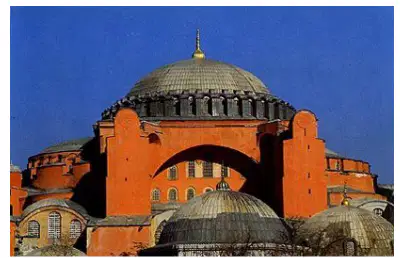
Justinian was known for building the __________.
Ankor Wat
Parthenon
Colosseum
Hagia Sophia
Murasaki Shikibu's The Tale of Genji is generally considered the world's first ________.
novel
magazine
play
newspaper
Olmec carved these using stone tools.
Canoes
Colossal Stone Heads
Aquaducts
Colossal Wooden Heads
Which was NOT a "mother" civilization in Mesoamerica?
Songhai
Olmec
Zapotec
Chavin
The Medici Family...
Were the family of Mona Lisa
Were the most famous painters in Florence
Were the first mafia family to live in Italy
Were patrons of the arts in Florence
"The end justifies the means" and "It is better to be feared than loved" were key beliefs of this man, who wrote "The Prince"
Shakespeare
Petrarch
Castiglione
Machiavelli
What is vernacular?
only printing in Latin
a type of vine
local/native language
holy scripture
Why did England break with the Church?
John Calvin set up his theocracy in one the towns
The England did not break from the Catholic Church
King Henry VIII wanted a divorce and Pope said no
Martin Luther's influence spread throughout country
The work of Ignatius of Loyola and the Jesuits are a part of what movement?
Women's Rights
The Catholic Reformation
French Revolution
Crusades
Who was the Dutch artist that improved oil paints?
Van Eyck
Erasmus
DaVinci
Teresa of Avila
Who was the Dutch Humanist that supported religious reform and education?
Henry VIII
Erasmus
Martin Luther
Michelangelo
Who was the Spanish nun that started her own convent and wrote many books?
Teresa of Avila
Joan of Arc
Mother Angelica
Hildegard of Bingen
Who was the most important Spanish Renaissance artist?
El Greco
Donatello
Picasso
DaVinci
Who was the advisor to King Henry VIII that was executed for not accepting Henry VIII as head of the Church?
John Calvin
Martin Luther
Ulrich Zwingli
Thomas More
Who was the important Swiss religious reformer that was compared to Martin Luther?
Martin Luther
Ulrich Zwingli
DaVinci
John Calvin
What city did the Ottoman Empire conquer in 1453 putting an end to the Byzantium Empire?
Constantinople
Vienna
Rome
Athens
The Byzantine Empire was actually part of
the Roman Empire
part of Umayyad caliphs
the Mongol Empire
the Persian Empire
_____ were an elite guard of Ottoman soldiers.
ulema
janissaries
sinans
pashas
Controversy centered on the appropriate use of Icons. There was fear that people would worship the Icons instead of the holy person represented in them.
Byzantine controversy
Iconoclasm
KristallNacht
Schism
Why did the use of icons anger iconoclasts?
they believed that only bishops should use icons
they believed using icons taught people about God
they believed using icons was like worshiping objects
they believed using icons led to the Great Schism
In 1054, the Eastern Orthodox Church and the Roman Catholic Church formally split. This is a:
Liturgy
Icon
Schism
Patriarch
What were guilds in medieval Europe?
New farming technologies
Associations of merchants and artisans
Trade routes
Banking houses
What is the system in Europe where lords gave land to vassals for service and loyalty?
monarchy
monastery
feudalism
chivalry
A primary goal of Crusaders traveling to fight in the Holy Land was....
recapture the holy city of Jerusalem
to rescue the pope, who had been kidnapped by Byzantine pirates
establish trade connections to bring luxury goods back to Europe
stop the advance of the Mongols into the Middle East
Which of these led to a money-based economy and the rise of cities? [SS.912.W.2.15]
Viking invasions
the manorial system
the rise of the bourgeoisie
the revival of trade
Which answer best explains the development of new monarchies in England, France, and Spain in the mid- to late 1400s? [SS.912.W.2.16]
A great military success in the Hundred Years’ War
economic recovery after the Black Death
a growing sense of national identity among the people
a successful movement for reform in the Catholic Church
Following the Hundred Years’ War, which of the following statements was true about England, France, and Spain? [SS.912.W.2.16]
They had strong monarchs building strong centralized states.
They were all recovering from significant internal strife.
They were lifted by a great victory over a longtime enemy.
They were aided by a strong working relationship between king and the nobility.
Charlemagne was the king of which powerful Germanic tribe?
Saxons
Franks
Jutes
Goths
How did the Bubonic Plague spread?
Bad water
Fleas on rats
Alignment of the stars
Looking at people
What was the barter system replaced with?
money economy
credit
increased trade
slavery
Which famous work is Avicenna most known for?
The Almagest
The Elements
The Republic
The Canon of Medicine
Where did Ibn Battuta travel to ?
North Africa , Central and Southeast Asia
China and India
North Asia and India
India , North Africa , China and Morocco
How did Battuta’s travel impact the world ?
He discovered new lands , establishing new trade routes with countries in Asia
His travels show different aspects of Islam to the world
He gave rise to the Ottoman Civilization
Not sure
Which of the following Inca rulers was famous for expanding the territory of the Inca Empire?
Manco Inca
Atahualpa
Huayna Capac
Tupac Amaru
What were chinampas?
walls of skulls at temples
people who lived in Tenochtitlan
the name for Aztec city-states
farmlands built in the swamps where the Aztec settled
Who was the Mayan king of the city state of Palenque
Pacal the Great
Henry VIII
Genghis Khan
Charles Martel
What is the name of the Muslim historian who wrote about his travels to Mali?
Suleiman
Rotunda
Ibn Battuta
McCord
Which city became a central hub of Islamic learning in the Mali Empire?
GAO
Sagal
Niani
Timbuktu
What role did Sundiata play in history?
He was a famous artist.
He was a philosopher who wrote many books.
He was a scientist who invented the telescope.
He was a legendary king who founded the Mali Empire.
Who was the leader of the Aztecs
Montezuma
Sapa Inca
Pizzaro
Technocctitlan
What was the main job of the griot?
Fishing for food
Storytelling
Working with iron
Protecting the village
Who called for the first Crusade?
Clovis
Pacal the Great
Genghis Khan
Pope Urban II
Who was the leader of the Mongols?
El Greco
Genghis Khan
Montezuma
Justinian
Who was the founder of the Frankish Kingdom who conquered Gaul?
Queen Elizabeth I
Mansa Musa
Joan of Arc
Clovis
Who stopped the Muslims at the Battle of Tours?
Charles Martel
Henry VIII
Joan of Arc
Muhammad
Considered the founder of the Holy Roman Empire in Central Germany
Ibn Battuta
Clovis
Thomas More
Otto the Great

