
 Worksheets
Intro to Culinary Arts 2025 Fall Semester Exam
Total questions: 45
Worksheet time: 36mins
The temperature danger zone is ______ to ______.
30 to 80
40 to 190
41 to 135
60 to 120
Bacteria, parasites, viruses, & Fungus are examples of
Chemical Hazards
Physical Hazards
Biological Hazards
Toxins
Hair, fruit pits, metal shavings, and glass are all examples of
Chemical Hazards
Biological Hazards
General Hazards
Physical Hazards
Clorox, Sanitizer, Windex, and Mr. Clean are examples of
Chemical Hazards
Biological Hazards
Physical Hazards
Bacteria Hazards
What type of shoes should you wear in a commercial kitchen?
Steel toe Boots
Slides
Sandals and nonslip
Closed toe and nonslip
What is the best way to extinguish a grease fire?
Pour baking soda on it
Turn the heat off, place lid on the pot, and smother the fire
Turn off the heat and leave the kitchen
Leave the kitchen and scream
A Three Compartment Sink has 3 sinks. The first one is ______________, the second one is for ______________________, and the third sink is for _______________________.
(a)
How many people determine a foodborne illness outbreak?
2
3
6
10
Explain cross contamination in detail.
Explain FATTOM. What does each letter stand for and give an explanation of each letter.
What knife is used for chopping, slicing, and most other cutting tasks?
Utility knife
Chef knife
Paring knife
Serrated knife
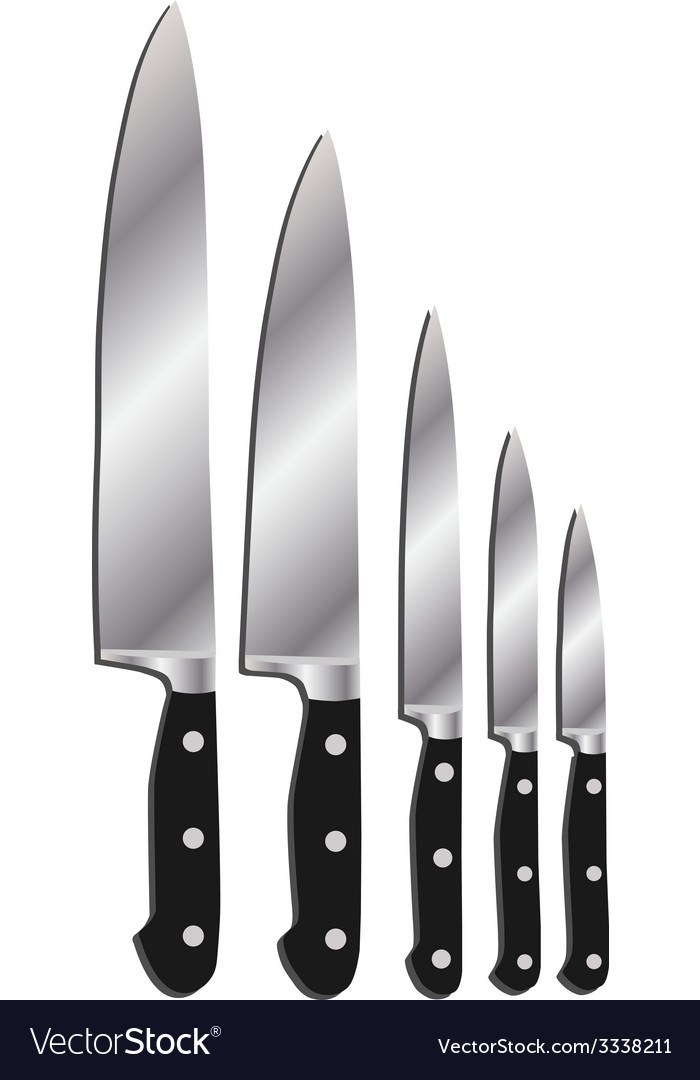
What is the key to knife safety?
Always keep your knives sharp
Always store them point down
Wash them in the dishwasher for a thorough cleaning
Cut only with the tips
This type of knife cut is used for vegetables like potatoes and watermelon and measures 3/4 inch X 3/4 inch X 3/4 inch.
Julienne
Large Dice
Brunoise
Mince
This cut measures 1/4 inch × 1/4 inch × 1/4 inch and is produced by slicing the allumette into 1/4-inch sections.
Allumette
Brunoise
Small Dice
Chiffonade
This type of knife cut is commonly used on vegetable leaves and fresh herbs such as basil. The leaves are stacked, rolled, and sliced perpendicularly, creating thin strips.
Chiffonade
Julienne
Small Dice
Mince
Who is the king of the kitchen. The man that turned Marie-Antoine's grand cuisine into classical cuisine. He created the kitchen brigade.
Georges Auguste Escoffier
Newt Notonerui
Anderson Mintello
Martin Deminache
What is chemical contamination??
When mixing two ingredients
When pesticides and harmful chemicals are put in food
When the food is contaminated through physical objects
When food is contaminated through cleaning solvents
What is the proper temperature range for TDZ (Temperature Danger Zone)?
12 degrees to 120 degrees F
41 degrees to 135 degrees F
222 degrees to 400 degrees F
99 to 155 degrees F
What are the top 8 allergens?
Milk, Eggs, Fish, Shellfish, Tree Nuts, Peanuts, Wheat, Soy
Dairy, Grains, Peanuts, Strawberries, Lettuce, Soy, Rice, Beans
Grains, Peanuts, Tree Nuts, Tomatoes, Onions, Celery, Green Beans, Rice
Potatoes, Peanuts, Coconut, Eggs, Avocados, Carrots, Blueberries, Elderberry
How to calibrate a thermometer: (Select ALL that apply)
Ice Water- Hold a thermometer in ice water for 30 seconds until it reads 32 degrees F.
Boil- Hold tip in boiling water for 30 seconds until it reads 212 degrees F
Room Temp- Hold a thermometer in room temperature water for 30 seconds until it reads 102 degrees F
Oxygen- Hold thermometer in the air for 30 seconds until it reads 0 degrees F
Using a thermometer when cooking protein foods is the only way to be sure these foods have reached recommended internal temperatures
true
false
How many people determine a foodborne illness outbreak?
2
3
6
10
Measure flour with this method:
Spoon, pack, and level
Spoon and level
Pour to eye level
Measure brown sugar with this method:
Spoon, pack, and level
Spoon and level
Pour to eye level
Which piece(s) of kitchen equipment listed below is(are) used to measure dry ingredients?
Choose ALL that apply
measuring spoons
liquid measuring cup
dry measuring cups
All of these are correct
Which of the following is used for frying a fish?


Which of the following spatulas is best to use to level ingredients in dry measuring cups?


Which of the following is a stockpot?


Which of the following is a sauce pan?
Mise en place is important because it
Saves time by having everything ready to combine.
Eliminates the chance of culinary disasters that occur from lack of preparation
Save space on counters.
All the above
The first thing to do when you get a recipe is
Get out all of your ingredients
Pre-heat the oven
Read the full recipe
Wash your hands
To thoroughly clean your hands, wash them with soap and cold water for 20 seconds.
True
False
Cross-contamination is the spread of bacteria from one food to another.
True
False

Which amount is equal to one Tablespoon?
1/4 cup
4 teaspoons
3 teaspoons
2 teaspoons

What part of the knife is A?
point
tip
blade
tang

Identify B
blade
back
tip
cutting edge

What part of the knife is G?
blade
shank
heel
handle
What part of the knife is J?
blade
tang
heel
cutting edge
Identify F
rivets
cutting edge
handle
shank
Identify C
blade
back
tip
shank
What part of the knife is H?
handle
rivets
heel
back
What part of the knife is E?
shank
rivets
heel
cutting edge
What part of the knife is I?
handle
tang
heel
back
Identify D
blade
back
heel
shank

